Why You’ll Love This Buttercream Frosting
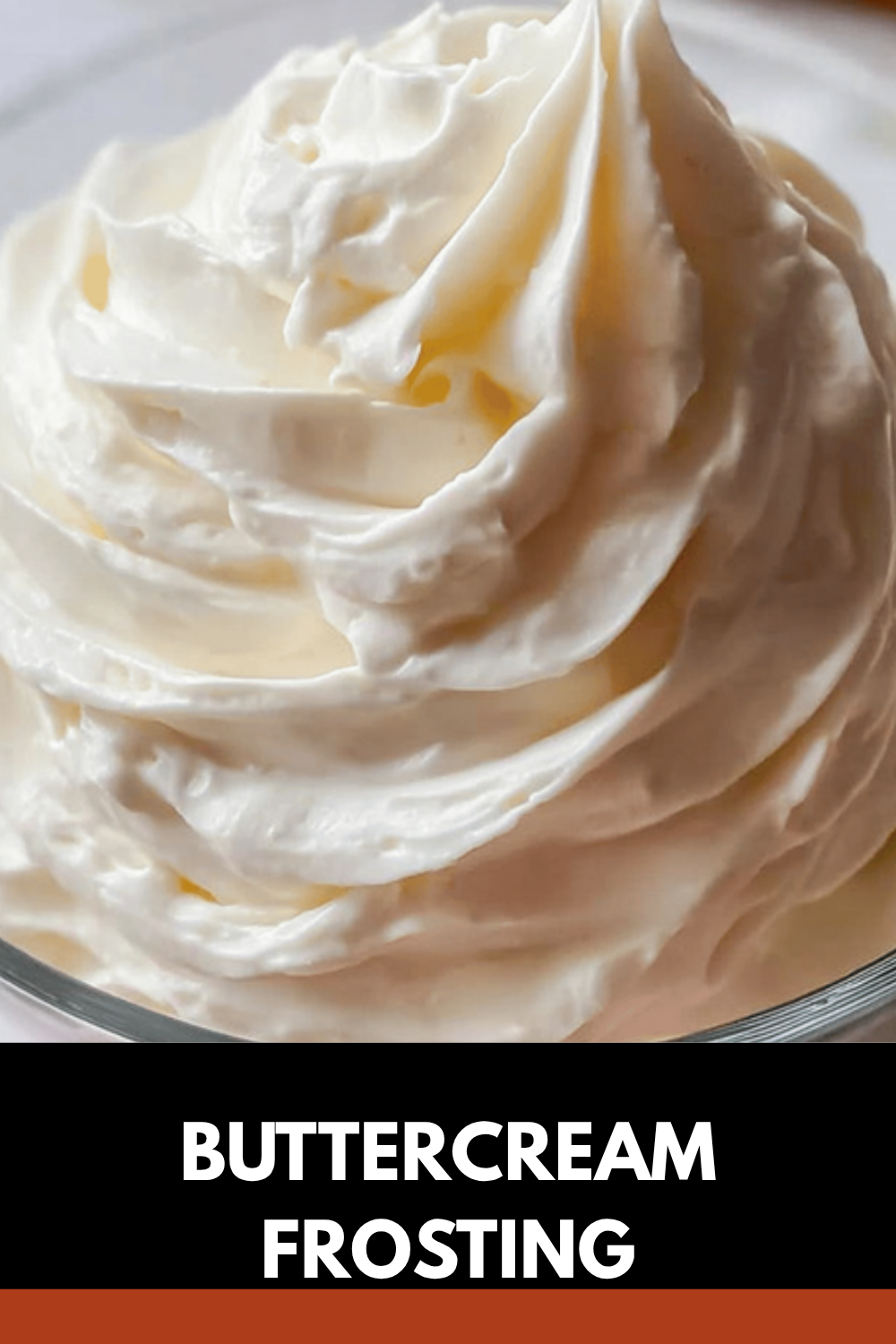
Buttercream frosting is a staple in home baking, offering that perfect, velvety finish to your favorite cakes and cupcakes. This recipe stands out because it’s simple to whip up, even if you’re new to the kitchen, and it delivers smooth, creamy results every time. Plus, its adaptability means you can tweak it for various diets while keeping that delicious taste intact.
One reason you’ll adore this buttercream frosting is its ease of preparation, as it comes together in just minutes with everyday ingredients. Imagine transforming your desserts into something special without spending hours in the kitchen you’ll find it perfect for last-minute treats. Another draw is the health benefits, like using wholesome fats from butter that support your wellness goals without overpowering the flavor.
This frosting’s versatility shines through, allowing modifications for vegan, gluten-free, or low-calorie needs, so everyone at your table can enjoy it. The distinctive flavor profile combines sweetness with a creamy undertone, making your baked goods truly memorable. It’s all about creating those joyful baking moments that bring people together.
Exploring Its Simplicity and Adaptability
Let’s talk about how this buttercream frosting fits into busy lives; it’s ideal for folks like working professionals or students who need quick recipes. You can easily adjust it for different occasions, such as adding a fruity twist for summer parties. This makes it a go-to choice for baking enthusiasts looking to experiment without complexity.
For busy parents, the minimal prep time means more family fun and less stress in the kitchen. Seniors might appreciate the straightforward steps that don’t require fancy tools. Overall, it’s about enjoying the process and the results, turning ordinary desserts into delightful experiences.
Jump to:
- Why You’ll Love This Buttercream Frosting
- Exploring Its Simplicity and Adaptability
- Essential Ingredients for Buttercream Frosting
- Options for Special Diets
- How to Prepare the Perfect Buttercream Frosting: Step-by-Step Guide
- Tips for a Flawless Finish
- Dietary Substitutions to Customize Your Buttercream Frosting
- Mastering Buttercream Frosting: Advanced Tips and Variations
- How to Store Buttercream Frosting: Best Practices
- Long-Term Storage Ideas
- FAQs: Frequently Asked Questions About Buttercream Frosting
- How can I add different flavors to buttercream frosting?
- Is buttercream frosting always very sweet?
- What’s the best way to store buttercream frosting if I make it ahead?
- Can I tint buttercream frosting with food coloring without affecting its texture?
- Should buttercream frosting be refrigerated or can it stay at room temperature?
- Buttercream Frosting
- Ingredients
- Instructions
- Last Step:
- Notes
- Did you make this recipe?
Essential Ingredients for Buttercream Frosting
Gathering the right ingredients is key to achieving that perfect buttercream frosting everyone loves. This section breaks down everything you need, focusing on precise measurements to ensure your recipe turns out just right. By using high-quality items, you’ll create a frosting that’s smooth, flavorful, and versatile for all your baking needs.
- 1 cup (16 tablespoons; 226 grams) unsalted butter, softened
- 4 to 5 cups (480 to 600 grams) confectioners’ sugar, sifted if lumpy
- 1/4 cup (60 ml) heavy cream, half-and-half, or whole milk, at room temperature
- 2 teaspoons pure vanilla extract
- Salt to taste (typically 1/8 teaspoon)
These ingredients form the base of your buttercream, providing creaminess and sweetness in balance. Remember, using unsalted butter helps you control the flavor better, which is a great tip for tailoring the recipe. Now, let’s look at some special options to make it fit different diets.
Options for Special Diets
If you’re adapting for dietary preferences, consider these swaps. For a vegan version, use plant-based butter and almond milk instead of dairy products to keep things creamy. Those seeking gluten-free options will find that all base ingredients are naturally gluten-free, just double-check your confectioners’ sugar.
For low-calorie adjustments, try light margarine or yogurt-based alternatives to cut down on fats. This way, you can enjoy buttercream frosting without straying from your health goals, making it accessible for diet-conscious individuals and food enthusiasts alike.
How to Prepare the Perfect Buttercream Frosting: Step-by-Step Guide
Creating buttercream frosting is straightforward and rewarding, especially with this easy guide. Start by pulling together all your ingredients to streamline the process and avoid any mid-recipe surprises. This recipe takes about 5 minutes total, making it a quick win for anyone in a hurry.
- Beat the softened butter on medium speed with a mixer, using a handheld or stand mixer with a paddle attachment, until it’s creamy this takes about 2 minutes.
- Add 4 and 1/2 cups confectioners’ sugar, along with the heavy cream (or your alternative like half-and-half or whole milk), and vanilla extract to the butter; beat on low speed for 30 seconds.
- Increase the speed to medium-high and beat for 2 full minutes until the mixture is smooth and fluffy.
- Taste the frosting and add a pinch of salt if it feels too sweet, adjusting to your preference.
- If the frosting is too thin, add up to 1/2 cup more confectioners’ sugar; if it’s too thick, add heavy cream one tablespoon at a time until you reach the desired consistency.
For vegan or low-calorie versions, simply swap in plant-based butter and milk alternatives during the mixing steps. This ensures the frosting stays light and airy, perfect for topping cakes or cupcakes. Remember, keeping ingredients at room temperature helps prevent any grainy texture, so plan ahead for the best results.
Tips for a Flawless Finish
Once your frosting is ready, you can use it right away or chill it briefly for easier spreading. If you over-whip and get air bubbles, just stir it gently by hand. This step-by-step approach makes buttercream frosting approachable for beginners, like newlyweds setting up their first kitchen or travelers whipping up treats on the go.
For an internal link that adds value, if you’re looking for more simple baking ideas that complement this frosting, check out our mini muffin pancake bites recipe for a fun way to use frostings in everyday snacks.

Dietary Substitutions to Customize Your Buttercream Frosting
Making buttercream frosting your own is all about smart substitutions that fit your lifestyle. Whether you’re avoiding dairy or watching your sugar intake, these changes keep the frosting delicious and adaptable. Let’s dive into options that enhance flavor while meeting various dietary needs.
For the main components, swap unsalted butter with vegan margarine or coconut oil for a dairy-free version that still offers great texture. Instead of confectioners’ sugar, try coconut sugar or erythritol-based sweeteners to make it diabetic-friendly and reduce the glycemic impact.
| Original Ingredient | Substitution Option | Benefit |
|---|---|---|
| Unsalted Butter | Vegan margarine or coconut oil | Dairy-free and maintains creaminess |
| Confectioners’ Sugar | Coconut sugar or erythritol | Lower sugar for health-conscious bakers |
| Heavy Cream | Almond or soy milk | Smooth texture with lactose-free option |
For vegetable and seasoning tweaks, add fresh fruit puree like strawberry for natural sweetness and vitamins. Spices such as cinnamon or nutmeg can bring seasonal vibes without extra calories, making this frosting versatile for food enthusiasts and seniors who enjoy milder flavors.
Mastering Buttercream Frosting: Advanced Tips and Variations
Taking your buttercream frosting to the next level involves some pro techniques and creative twists. Start by whipping the butter at room temperature for maximum fluffiness, which prevents any graininess and ensures a professional finish. Experimenting with flavors can turn a simple recipe into something extraordinary.
- Whip butter until it’s light and airy to avoid lumps.
- Try adding citrus zest or espresso powder for unique tastes.
- Use piping bags for pretty decorations, and top with sprinkles for extra appeal.
- Make ahead by storing in the fridge or freezer, then re-whip before using.
For flavor variations, you can include 1/2 teaspoon of extracts like peppermint or coconut, and reduce vanilla to 1 teaspoon for balance. If you want a pure white look, add a tiny drop of purple food coloring to counteract yellow tones. This frosting holds up well for piping and pairs beautifully with cakes or even no-bake energy bites for a fun twist.
When I first tried adding cinnamon to my buttercream, it was like discovering a new favorite it’s all about that extra layer of warmth that makes baking feel personal and exciting.
How to Store Buttercream Frosting: Best Practices
Proper storage keeps your buttercream frosting fresh and ready for use, extending its shelf life without losing quality. Refrigerate it in an airtight container for up to one week, and always let it warm up to room temperature before re-whipping. Freezing is another great option for longer storage, lasting up to three months.
To reheat, avoid direct heat and instead let it soften naturally or mix gently by hand. For meal prep, divide it into smaller portions for easy access in your weekly baking routine. This method works well for busy parents or working professionals juggling multiple tasks.
Long-Term Storage Ideas
If you’re planning ahead, freeze the frosting in sealed containers and thaw it overnight in the fridge before re-whipping with a bit of cream. It’s versatile for various uses, like topping cookies or cinnamon rolls. Remember, for the best taste, use it within a day at room temperature when possible.
FAQs: Frequently Asked Questions About Buttercream Frosting
How can I add different flavors to buttercream frosting?
Is buttercream frosting always very sweet?
What’s the best way to store buttercream frosting if I make it ahead?
Can I tint buttercream frosting with food coloring without affecting its texture?
Should buttercream frosting be refrigerated or can it stay at room temperature?
Buttercream Frosting
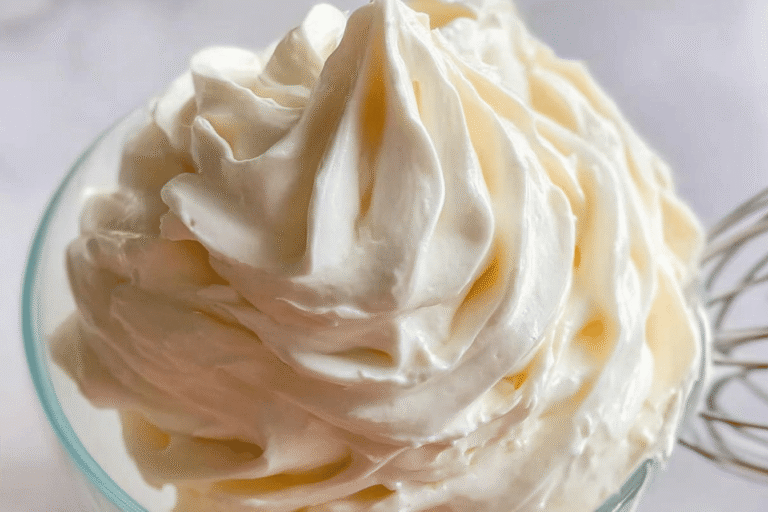
🍦 Vanilla Buttercream Frosting delivers a smooth and creamy texture that’s perfect for decorating cakes and cupcakes with elegance.
🎂 Its rich vanilla flavor enhances any dessert, making it a favorite choice for bakers seeking flawless consistency and taste.
- Total Time: 5 minutes
Ingredients
1 cup (16 tablespoons; 226 grams) unsalted butter, softened
4 to 5 cups (480 to 600 grams) confectioners’ sugar, sifted if lumpy
1/4 cup (60 ml) heavy cream, half-and-half, or whole milk, at room temperature
2 teaspoons pure vanilla extract
Salt to taste (typically 1/8 teaspoon)
Instructions
1-Beat the softened butter on medium speed with a mixer, using a handheld or stand mixer with a paddle attachment, until it’s creamy this takes about 2 minutes.
2-Add 4 and 1/2 cups confectioners’ sugar, along with the heavy cream (or your alternative like half-and-half or whole milk), and vanilla extract to the butter; beat on low speed for 30 seconds.
3-Increase the speed to medium-high and beat for 2 full minutes until the mixture is smooth and fluffy.
4-Taste the frosting and add a pinch of salt if it feels too sweet, adjusting to your preference.
5-If the frosting is too thin, add up to 1/2 cup more confectioners’ sugar; if it’s too thick, add heavy cream one tablespoon at a time until you reach the desired consistency.
Last Step:
Please leave a rating and comment letting us know how you liked this recipe! This helps our business to thrive and continue providing free, high-quality recipes for you.Notes
🧈 Use unsalted butter for better control of saltiness.
🥛 Ensure butter and liquid ingredients are at room temperature to avoid grainy texture.
🎨 To remove air bubbles from over-whipping, gently stir frosting by hand with a spoon against the bowl sides.
- Prep Time: 5 minutes
- Category: Dessert, Frosting
- Method: Mixing, Beating
- Cuisine: American