Why You’ll Love This Matcha Ice Cream
If you’ve never tried making homemade matcha ice cream, you’re in for a delightful treat. This unique frozen dessert combines the rich, earthy flavors of Japanese green tea with the creamy sweetness of traditional ice cream. Here are several reasons why this recipe will quickly become a favorite in your kitchen:- Ease of preparation: Making homemade matcha ice cream is simpler than you might think. With our straightforward instructions, you can create a delicious dessert without special equipment or complex techniques. The process requires just a few basic steps and ingredients you likely already have in your pantry. Even beginners can master this recipe on their first try!
- Health benefits: Matcha is packed with antioxidants that help fight inflammation and boost metabolism. Unlike artificial green tea flavorings, authentic matcha powder provides vitamins, minerals, and a gentle caffeine boost without the jitters. When you make your own matcha ice cream, you control the quality of ingredients, allowing you to enjoy the benefits of green tea while satisfying your sweet tooth.
- Versatility: This recipe adapts beautifully to different dietary preferences. Whether you need a dairy-free, vegan, or lower-sugar version, you can easily customize the ingredients while maintaining the distinct flavor profile that makes matcha ice cream special. It’s perfect for family gatherings where guests might have different dietary needs.
- Distinctive flavor: Matcha ice cream offers a unique taste experience that balances slight bitterness with natural sweetness. Its vibrant green color makes it visually stunning, while the complex flavor profile keeps your taste buds interested with every bite. Unlike store-bought versions, homemade matcha ice cream allows the authentic tea flavor to shine through without artificial additives.
Jump to:
- Why You’ll Love This Matcha Ice Cream
- Essential Ingredients for Matcha Ice Cream
- Main Ingredients
- Special Dietary Options
- How to Prepare the Perfect Matcha Ice Cream: Step-by-Step Guide
- Preparing the Matcha Paste
- Creating the Ice Cream Base
- Incorporating the Matcha
- Chilling and Churning
- Dietary Substitutions to Customize Your Matcha Ice Cream
- Protein and Main Component Alternatives
- Vegetable, Sauce, and Seasoning Modifications
- Mastering Matcha Ice Cream: Advanced Tips and Variations
- Pro Cooking Techniques
- Flavor Variations
- Presentation Tips
- Make-Ahead Options
- How to Store Matcha Ice Cream: Best Practices
- Refrigeration
- Freezing
- Meal Prep Considerations
- FAQs: Frequently Asked Questions About Matcha Ice Cream
- What is matcha ice cream?
- What’s the difference between matcha ice cream and green tea ice cream?
- Is matcha ice cream healthy?
- How do you make matcha ice cream at home?
- How many calories are in matcha ice cream?
- Matcha Ice Cream
- Ingredients
- Instructions
- Last Step:
- Notes
- Nutrition
- Did you make this recipe?
Essential Ingredients for Matcha Ice Cream
Creating the perfect matcha ice cream starts with high-quality ingredients. Each component plays a crucial role in developing the flavor, texture, and color of your final product.Main Ingredients
- 2 tablespoons high-quality matcha powder – The star ingredient that provides the distinctive green color and earthy flavor. Ceremonial grade offers the best taste, but culinary grade works well for ice cream.
- 1/4 cup hot water – Essential for creating a smooth matcha paste that distributes evenly throughout the ice cream base without creating clumps.
- 2 cups whole milk – Provides the creamy liquid base for your ice cream, contributing to both texture and richness.
- 1 cup heavy cream – Adds necessary fat content for a smooth, creamy mouthfeel that doesn’t freeze too hard.
- 3/4 cup sugar – Sweetens the dessert and helps lower the freezing point, preventing ice crystals from forming.
- 4 egg yolks – Creates a rich, custard-like base that contributes to the creamy texture and helps stabilize the mixture.
Special Dietary Options
This matcha ice cream recipe can easily be adapted to meet various dietary needs:
- Vegan: Replace whole milk and heavy cream with full-fat coconut milk or a blend of oat milk and coconut cream. Substitute egg yolks with a mixture of cornstarch and arrowroot powder to help thicken the base.
- Gluten-free: This recipe is naturally gluten-free as long as you verify that your matcha powder and other ingredients are processed in a gluten-free facility.
- Low-calorie: Use stevia or monk fruit sweetener instead of sugar, substitute half-and-half for heavy cream, and reduce the milk content while adding xanthan gum to maintain texture.
Did you know that matcha contains up to 137 times more antioxidants than regularly brewed green tea? This makes your homemade matcha ice cream not just delicious but potentially beneficial for your health when consumed in moderation. Check out health benefits of matcha to learn more about this remarkable tea.
How to Prepare the Perfect Matcha Ice Cream: Step-by-Step Guide
Creating delicious homemade matcha ice cream requires attention to detail but is surprisingly straightforward. Follow these steps for a perfectly smooth and flavorful result every time.Preparing the Matcha Paste
First Step: Begin by creating a smooth matcha paste. In a small bowl, whisk together 2 tablespoons of high-quality matcha powder with 1/4 cup of hot (not boiling) water. The water should be around 175°F (80°C) to extract the flavor without making the matcha bitter. Whisk in a zigzag motion using a bamboo whisk (chasen) or a small regular whisk until the powder is completely dissolved and the mixture is frothy. This step is crucial as it prevents clumps of matcha powder in your finished ice cream.
Creating the Ice Cream Base
Second Step: In a medium saucepan, combine 2 cups of whole milk, 1 cup of heavy cream, and 3/4 cup of sugar. Place the pan over medium heat, stirring occasionally until the sugar completely dissolves. Watch the mixture carefully you want it to become hot and steamy but not boiling. If you’re making a dairy-free version, use your plant-based milk alternatives following the same heating process. The goal is to create a warm liquid base that will easily blend with the eggs.
Third Step: While the milk mixture heats, prepare your egg yolks. In a separate heat-proof bowl, whisk together 4 egg yolks until they become slightly lighter in color. This process incorporates air and helps create a smoother texture in the final product. Once your milk mixture is hot (about 170°F or 77°C), remove it from the heat.
Fourth Step: This technique, called tempering, prevents the eggs from scrambling when added to the hot liquid. Slowly pour about 1/2 cup of the hot milk mixture into the egg yolks while whisking constantly. This gradually brings the temperature of the eggs up without cooking them. Once this mixture is combined, slowly pour it back into the saucepan with the remaining milk mixture, whisking continuously.
Incorporating the Matcha
Fifth Step: Return the saucepan to low heat and cook the mixture, stirring constantly with a heat-proof spatula or wooden spoon. You’ll need to stir continuously, making sure to scrape the bottom and corners of the pan to prevent sticking. Cook until the mixture thickens slightly and coats the back of the spoon. This should take about 5-8 minutes. To test if it’s ready, run your finger through the coating on the spoon if the line remains, your custard base is ready. Do not let it boil, as this may cause curdling.
Sixth Step: Remove the saucepan from the heat and immediately stir in your prepared matcha paste. The mixture should turn a vibrant green color. For the most authentic flavor and best health benefits, consider using quality matcha powder with high antioxidant content. Continue stirring until the matcha is completely incorporated and the color is uniform throughout.
Chilling and Churning
Seventh Step: Pour the matcha ice cream base through a fine-mesh sieve into a clean container to remove any potential lumps of cooked egg. This step ensures a perfectly smooth texture. Cover the container and refrigerate for at least 4 hours, or overnight if possible. This chilling period is essential as it allows the flavors to meld and the mixture to cool completely, which is necessary for proper churning.
Eighth Step: Once the base is thoroughly chilled, pour it into your ice cream maker and churn according to the manufacturer’s instructions. This typically takes 20-30 minutes for most machines. During this process, the ice cream will expand and become softer as air is incorporated. If you’re making other sweet treats for a dessert spread, you can prepare them while the ice cream churns.
Ninth Step: For firmer ice cream, transfer the freshly churned matcha ice cream to an airtight container and place it in the freezer for an additional 2-4 hours. This final freezing step allows the ice cream to reach a scoopable consistency. If you prefer softer ice cream, you can serve it immediately after churning for a soft-serve texture.
Final Step: When ready to serve, allow the ice cream to sit at room temperature for 5-10 minutes before scooping. This slight softening makes it easier to scoop and enhances the flavor perception. Serve in bowls or cones and consider garnishing with additional matcha powder, toasted sesame seeds, or a drizzle of sweetened condensed milk for an extra special touch.
| Phase | Time Required |
|---|---|
| Preparation of matcha paste | 5 minutes |
| Creating and heating base | 15 minutes |
| Chilling in refrigerator | 4 hours to overnight |
| Churning in ice cream maker | 20-30 minutes |
| Final freezing | 2-4 hours |

Dietary Substitutions to Customize Your Matcha Ice Cream
One of the wonderful aspects of making your own matcha ice cream is the ability to customize it to meet your specific dietary needs or preferences. These substitutions allow you to enjoy this delicious treat while adhering to your nutritional requirements.Protein and Main Component Alternatives
For those looking to modify the protein components or replace the main ingredients in your matcha ice cream, several excellent options exist. If you prefer not to use egg yolks, you can create an egg-free custard by mixing 2 tablespoons of cornstarch with 1/4 cup of the sugar and adding this to the cold milk before heating. This method produces a similar thickening effect without eggs, making it suitable for those with egg allergies or dietary restrictions.
For a higher protein version, consider incorporating Greek yogurt into your recipe. Substitute 1 cup of the heavy cream with full-fat Greek yogurt after the custard base has cooled. This not only boosts the protein content but also adds a pleasant tanginess that complements the earthy matcha flavor. Another protein-rich option is to add a scoop of vanilla protein powder to the chilled base before churning, though this may slightly alter the flavor profile.
Vegetable, Sauce, and Seasoning Modifications
While traditional matcha ice cream relies on dairy for its creamy texture, several plant-based alternatives can create equally delicious results. Coconut milk and cream offer excellent fat content and richness, making them ideal for dairy-free versions. For a lighter option, cashew cream made from soaked cashews blended with water provides a smooth consistency with a more neutral flavor than coconut.
In terms of sweeteners, you can experiment beyond traditional granulated sugar. Honey or maple syrup adds depth of flavor and can be used in a 1:1 ratio with sugar, though they will slightly alter the final taste. For a lower glycemic index option, coconut sugar works well and adds a subtle caramel note. Liquid sweeteners like agave nectar can be used in slightly smaller quantities than sugar due to their higher sweetness concentration.
For those who enjoy a more complex flavor profile, consider adding complementary seasonings. A pinch of sea salt enhances the matcha flavor, while a drop of vanilla extract rounds out the bitterness. Some adventurous home cooks even add a dash of cinnamon or ginger for additional warmth. If you’re serving this as part of a brunch spread alongside savory breakfast dishes, these spices create a nice bridge between sweet and savory elements.
Mastering Matcha Ice Cream: Advanced Tips and Variations
Once you’ve mastered the basic recipe, there are numerous ways to take your matcha ice cream to the next level. These professional techniques and creative variations will help you create a dessert that truly stands out.Pro Cooking Techniques
For the smoothest texture possible, consider using an ice bath to cool your custard base quickly after cooking. This rapid cooling prevents the eggs from overcooking and results in a silkier final product. Simply prepare a large bowl with ice water and place your container of hot custard into it, stirring occasionally until cooled to room temperature before refrigerating.
Another professional technique is aging your ice cream base. While the recipe calls for chilling for 4 hours, allowing the base to rest in the refrigerator for 24-48 hours improves both flavor and texture. During this aging process, the fats in the cream crystallize more uniformly, leading to a smoother consistency in the finished product.
Flavor Variations
Matcha pairs beautifully with several complementary flavors. Try adding white chocolate chips during the last 5 minutes of churning for a cookies and cream style dessert. The creamy sweetness of white chocolate balances the slight bitterness of the matcha perfectly. For a Japanese-inspired variation, swirl in sweetened red bean paste (anko) after churning, creating a beautiful marbled effect.
Nut lovers will enjoy adding toasted pecans or almonds to their matcha ice cream. Toast the nuts lightly in a dry pan before adding them to the churning process for maximum flavor. For a tropical twist, consider adding diced mango or pineapple during the last few minutes of churning the fruit’s sweetness contrasts wonderfully with the earthy matcha.
Presentation Tips
The visual appeal of matcha ice cream can be heightened with simple presentation techniques. Use a warmed ice cream scoop to create perfectly round spheres that melt slowly in the mouth. Place these scoops in chilled bowls or glasses to maintain shape longer. For an elegant touch, serve your ice cream in hollowed-out fruit halves, such as pineapple or mango, which complement the flavor profile.
Garnishes add both visual interest and complementary flavors. A dusting of additional matcha powder creates an Instagram-worthy presentation, while edible flowers like pansies or violets add a sophisticated touch. For a textural contrast, top with a sprinkle of toasted sesame seeds or crushed honeycomb.
Make-Ahead Options
Matcha ice cream stores exceptionally well, making it perfect for advance preparation. You can make the base up to 3 days before churning, keeping it refrigerated in an airtight container. Once churned, the ice cream maintains its quality for up to 2 weeks in the freezer if stored properly.
For entertaining, consider pre-scooping your ice cream into individual portions and freezing them on a baking sheet lined with parchment paper. Once firm, transfer the scoops to an airtight container. This allows you to serve perfectly formed scoops quickly when guests arrive without waiting for the ice cream to soften enough for scooping.
How to Store Matcha Ice Cream: Best Practices
Proper storage is essential for maintaining the quality and flavor of your homemade matcha ice cream. Follow these guidelines to ensure your dessert stays fresh and delicious for as long as possible.Refrigeration
While ice cream is typically frozen, there may be times when refrigeration is necessary, such as when softening slightly before serving. If refrigerating, never leave matcha ice cream at room temperature for more than 15-20 minutes, as this can lead to melting and refreezing that creates ice crystals. For best results, transfer only the portion you plan to serve to the refrigerator, keeping the rest frozen.
Freezing
For optimal freezer storage, place your matcha ice cream in an airtight container with minimal headspace. Press a piece of plastic wrap directly against the surface of the ice cream before sealing the container to prevent ice crystals from forming. Store the ice cream in the back of the freezer where the temperature remains most constant, avoiding the door where temperature fluctuations occur more frequently.
Your homemade matcha ice cream will maintain its best quality for 1-2 weeks when properly frozen. After this period, it may begin to develop ice crystals or lose some of its creamy texture, though it will remain safe to eat for several weeks longer.
Meal Prep Considerations
When making matcha ice cream as part of your meal prep routine, consider portioning it into individual servings before freezing. This prevents repeated thawing and refreezing of the entire container and allows for easy portion control. Silicone molds work beautifully for creating individual servings that can be popped out when needed.
For those who enjoy meal-prepping desserts, matcha ice cream can be incorporated into other treats. Consider freezing it between layers of cake for an ice cream cake, or using it to fill pre-baked tart shells for elegant individual desserts. These prepared items can be stored in the freezer for special occasions or as a convenient sweet treat after a week of healthy meals like fruit smoothies and salads.
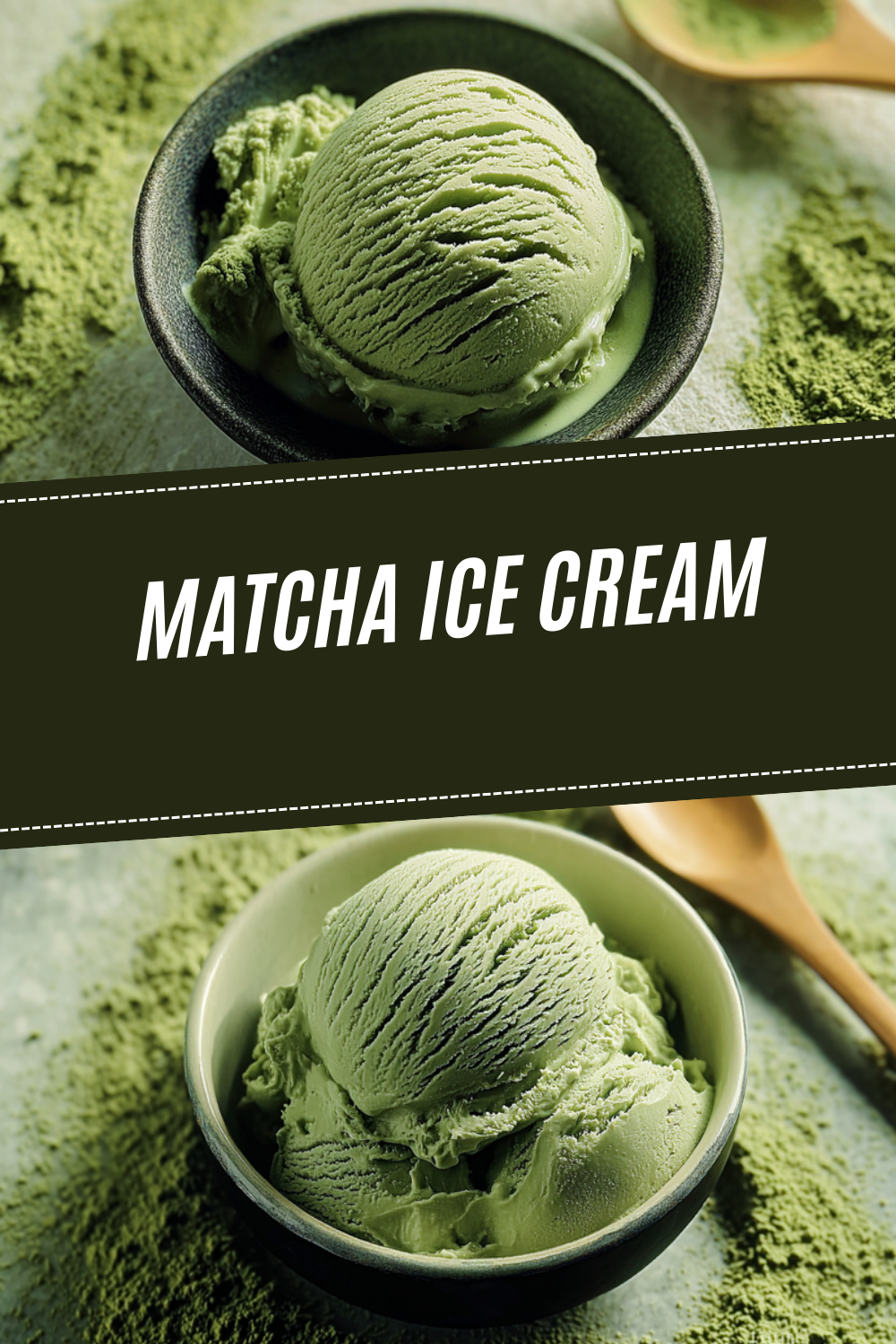
FAQs: Frequently Asked Questions About Matcha Ice Cream
What is matcha ice cream?
What’s the difference between matcha ice cream and green tea ice cream?
Is matcha ice cream healthy?
How do you make matcha ice cream at home?
How many calories are in matcha ice cream?
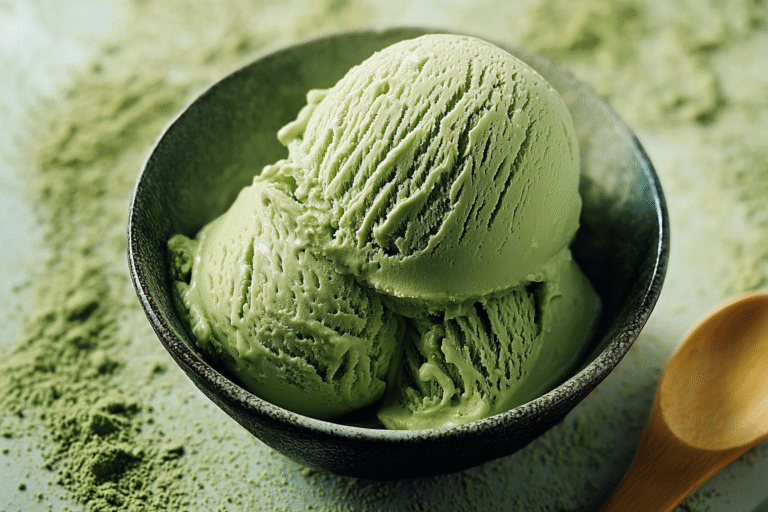
Matcha Ice Cream
🍵 Velvety frothy matcha lattes and silky green tea desserts at home—antioxidant-rich energy boost with cafe-quality taste minus the price.
🏠 Beginner-friendly 5-minute recipes unlock endless variations for hot/cold drinks, mousses, cookies—versatile matcha mastery!
- Total Time: 5 minutes
- Yield: 1-2 servings
Ingredients
– 2 tablespoons high-quality matcha powder
– 1/4 cup hot water
– 2 cups whole milk
– 1 cup heavy cream
– 3/4 cup sugar
– 4 egg yolks
Instructions
1-First Step: Begin by creating a smooth matcha paste. In a small bowl, whisk together 2 tablespoons of high-quality matcha powder with 1/4 cup of hot (not boiling) water. The water should be around 175°F (80°C) to extract the flavor without making the matcha bitter. Whisk in a zigzag motion using a bamboo whisk (chasen) or a small regular whisk until the powder is completely dissolved and the mixture is frothy. This step is crucial as it prevents clumps of matcha powder in your finished ice cream.
2-Second Step: In a medium saucepan, combine 2 cups of whole milk, 1 cup of heavy cream, and 3/4 cup of sugar. Place the pan over medium heat, stirring occasionally until the sugar completely dissolves. Watch the mixture carefully you want it to become hot and steamy but not boiling. If you’re making a dairy-free version, use your plant-based milk alternatives following the same heating process. The goal is to create a warm liquid base that will easily blend with the eggs.
3-Third Step: While the milk mixture heats, prepare your egg yolks. In a separate heat-proof bowl, whisk together 4 egg yolks until they become slightly lighter in color. This process incorporates air and helps create a smoother texture in the final product. Once your milk mixture is hot (about 170°F or 77°C), remove it from the heat.
4-Fourth Step: This technique, called tempering, prevents the eggs from scrambling when added to the hot liquid. Slowly pour about 1/2 cup of the hot milk mixture into the egg yolks while whisking constantly. This gradually brings the temperature of the eggs up without cooking them. Once this mixture is combined, slowly pour it back into the saucepan with the remaining milk mixture, whisking continuously.
5-Fifth Step: Return the saucepan to low heat and cook the mixture, stirring constantly with a heat-proof spatula or wooden spoon. You’ll need to stir continuously, making sure to scrape the bottom and corners of the pan to prevent sticking. Cook until the mixture thickens slightly and coats the back of the spoon. This should take about 5-8 minutes. To test if it’s ready, run your finger through the coating on the spoon if the line remains, your custard base is ready. Do not let it boil, as this may cause curdling.
6-Sixth Step: Remove the saucepan from the heat and immediately stir in your prepared matcha paste. The mixture should turn a vibrant green color. For the most authentic flavor and best health benefits, consider using quality matcha powder with high antioxidant content. Continue stirring until the matcha is completely incorporated and the color is uniform throughout.
7-Seventh Step: Pour the matcha ice cream base through a fine-mesh sieve into a clean container to remove any potential lumps of cooked egg. This step ensures a perfectly smooth texture. Cover the container and refrigerate for at least 4 hours, or overnight if possible. This chilling period is essential as it allows the flavors to meld and the mixture to cool completely, which is necessary for proper churning.
8-Eighth Step: Once the base is thoroughly chilled, pour it into your ice cream maker and churn according to the manufacturer’s instructions. This typically takes 20-30 minutes for most machines. During this process, the ice cream will expand and become softer as air is incorporated. If you’re making other sweet treats for a dessert spread, you can prepare them while the ice cream churns.
9-Ninth Step: For firmer ice cream, transfer the freshly churned matcha ice cream to an airtight container and place it in the freezer for an additional 2-4 hours. This final freezing step allows the ice cream to reach a scoopable consistency. If you prefer softer ice cream, you can serve it immediately after churning for a soft-serve texture.
10-Final Step: When ready to serve, allow the ice cream to sit at room temperature for 5-10 minutes before scooping. This slight softening makes it easier to scoop and enhances the flavor perception. Serve in bowls or cones and consider garnishing with additional matcha powder, toasted sesame seeds, or a drizzle of sweetened condensed milk for an extra special touch.
Last Step:
Please leave a rating and comment letting us know how you liked this recipe! This helps our business to thrive and continue providing free, high-quality recipes for you.Notes
🍵 Always sift matcha—prevents bitter lumps for smooth texture.
❄️ Use filtered water at right temp for best flavor extraction.
🥛 Non-dairy milks work great; froth oat milk carefully to avoid sliminess.
- Prep Time: 5 minutes
- Category: Beverage
- Method: No Cook
- Cuisine: Japanese
- Diet: Vegetarian, Vegan option
Nutrition
- Serving Size: 1 latte
- Calories: 150 kcal
- Sugar: 12g
- Sodium: 80mg
- Fat: 8g
- Saturated Fat: 5g
- Unsaturated Fat: 2g
- Trans Fat: 0g
- Carbohydrates: 15g
- Fiber: 1g
- Protein: 5g
- Cholesterol: 30mg