Why You’ll Love This Nama Chocolate
If you’ve ever tasted nama chocolate, you know it’s something special. This Japanese treat offers an experience unlike any other chocolate, with a texture so smooth it feels like it melts on your tongue before you even swallow. Here are four compelling reasons why this recipe deserves a spot in your kitchen repertoire:
- Ease of preparation: Unlike traditional chocolate making that requires tempering and precise temperature control, nama chocolate comes together quickly with basic techniques. You only need to chop chocolate, heat cream, and combine them. No candy thermometer or special equipment required! The entire process takes less than 20 minutes, plus chilling time.
- Health benefits: When made with high-quality dark chocolate (70% cocoa or higher), nama chocolate provides antioxidants and may contribute to heart health. Research suggests moderate chocolate consumption can be part of a balanced diet. Using fresh cream adds calcium and protein, making this treat more nutritionally balanced than candy alternatives.
- Versatility: This recipe adapts beautifully to different dietary needs and flavor preferences. It can be made vegan, gluten-free, or lower in sugar with simple substitutions. The base recipe serves as a canvas for endless flavor combinations, from classic chocolate to matcha green tea, fruit-infused versions, or even seasonal variations. It’s perfect for gift-giving, serving at parties, or enjoying as a personal indulgence.
- Distinctive flavor: What sets nama chocolate apart is its unique texture and pure chocolate flavor profile. Unlike fudge or traditional chocolate truffles, nama has a velvety, mousse-like consistency that delivers an intense chocolate experience without being overly sweet. The method of combining cream and chocolate creates a perfect balance that highlights the quality of your chocolate choice, making this simple recipe feel remarkably luxurious.
“The secret to exceptional nama chocolate lies in using high-quality ingredients and treating them with care. When you follow this easy recipe, you’ll create a treat that rivals artisanal confectionery.”
Jump to:
- Why You’ll Love This Nama Chocolate
- Essential Ingredients for Nama Chocolate
- Main Ingredients
- Special Dietary Options
- How to Prepare the Perfect Nama Chocolate: Step-by-Step Guide
- Preparation and Mise en Place
- Step 1: Preparing the Chocolate
- Step 2: Creating the Cream Base
- Step 3: Combining Chocolate and Cream
- Step 4: Adding the Finishing Touches
- Step 5: Setting the Chocolate
- Final Step: Cutting and Serving
- Dietary Substitutions to Customize Your Nama Chocolate
- Protein and Main Component Alternatives
- Vegetable, Sauce, and Seasoning Modifications
- Mastering Nama Chocolate: Advanced Tips and Variations
- Pro Cooking Techniques
- Flavor Variations
- Presentation Tips
- Make-Ahead Options
- How to Store Nama Chocolate: Best Practices
- Refrigeration
- Freezing
- Reheating
- Meal Prep Considerations
- FAQs: Frequently Asked Questions About Nama Chocolate
- What is nama chocolate?
- How do you make nama chocolate at home?
- How should you store nama chocolate?
- What flavors of nama chocolate are available?
- Is nama chocolate gluten-free and suitable for vegetarians?
- Nama Chocolate
- Ingredients
- Instructions
- Last Step:
- Notes
- Nutrition
- Did you make this recipe?
Essential Ingredients for Nama Chocolate
Creating perfect nama chocolate starts with selecting the right ingredients. Here’s a complete breakdown of what you’ll need:
Main Ingredients
- 200g dark chocolate (70% cocoa) – High cocoa content provides intense flavor and structure
- 150ml heavy cream – Creates the smooth, creamy texture nama chocolate is known for
- 20g unsalted butter – Adds richness and helps create the signature melting point
- 1 tsp matcha powder (optional) – For a Japanese green tea variation
- Cocoa powder for dusting – Adds a professional finish and slight bitterness to balance sweetness
Special Dietary Options
Vegan: Substitute dairy cream with full-fat coconut cream and use vegan chocolate brands. Replace butter with coconut oil.
Gluten-free: Traditional nama chocolate is naturally gluten-free, but verify your cocoa powder and any flavorings are certified gluten-free to avoid cross-contamination.
Low-calorie: Use chocolate with higher cocoa percentage (85-90%), replace heavy cream with half-and-half or a combination of milk and cream, and reduce butter by half. The result will be slightly firmer but still delicious.
| Ingredient Quality Impact | Premium Choice | Standard Choice |
|---|---|---|
| Chocolate Flavor Depth | Complex, nuanced notes | Simpler cocoa taste |
| Texture Smoothness | Silky, melt-in-your-mouth | Creamy but slightly firmer |
| Overall Experience | Luxurious, restaurant-quality | Enjoyable homemade treat |
How to Prepare the Perfect Nama Chocolate: Step-by-Step Guide
Creating nama chocolate at home is simpler than you might think. Follow these detailed steps to achieve the perfect texture and flavor every time:
Preparation and Mise en Place
Before beginning, ensure all ingredients are at room temperature, especially the chocolate and butter. This temperature consistency is crucial for smooth emulsification. Line a 20x20cm square baking tin with parchment paper, allowing some overhang for easy removal later. Have a clean, sharp knife and cutting board ready for chopping the chocolate.
Step 1: Preparing the Chocolate
Start by finely chopping your dark chocolate into uniform pieces. The smaller the pieces, the faster and more evenly they will melt. Place the chopped chocolate in a heatproof bowl that fits snugly over a saucepan to create a double boiler setup. If you’re adding flavorings like matcha powder, sift them now to remove any lumps.
Step 2: Creating the Cream Base
Pour the heavy cream into a small saucepan and heat gently over medium-low heat. Watch carefully, removing the pan from heat just before it begins to boil small bubbles should form around the edges, but it should not come to a full boil. Burning the cream will affect the final flavor, so patience here pays off. Let it rest for about 30 seconds to cool slightly before pouring.
Step 3: Combining Chocolate and Cream
Pour the hot cream over the chopped chocolate and let it sit undisturbed for 2-3 minutes. This resting period allows the heat from the cream to begin melting the chocolate evenly. Afterward, gently stir with a spatula or wooden spoon using small circular motions. Avoid vigorous stirring, which can incorporate air bubbles and affect the smooth texture. Continue stirring until the mixture is completely smooth and glossy.
Step 4: Adding the Finishing Touches
Once your chocolate and cream are fully combined, add the room temperature butter. The butter should be soft but not melted. Stir gently until it’s completely incorporated and the mixture looks even more glossy. If you’re making a flavored version, now is the time to add your matcha powder or other flavorings. Mix just until combined overmixing at this stage can cause the mixture to seize or become grainy.
Step 5: Setting the Chocolate
Pour the chocolate mixture into your prepared tin, using a spatula to spread it evenly. Tap the tin gently on the counter to release any air bubbles. Cover with plastic wrap and refrigerate for 4-6 hours, or until set but still soft to the touch. The chocolate should not be rock-hard, but rather have a firm, fudge-like consistency that yields to gentle pressure.
Final Step: Cutting and Serving
Remove the set chocolate from the refrigerator and lift it out of the tin using the parchment paper overhang. Cut the chocolate into small cubes typically 1.5 to 2 inches square using a sharp knife dipped in hot water and wiped dry between cuts. This prevents sticking and ensures clean edges. Place cocoa powder in a shallow dish and gently roll each cube in the powder to coat all sides. Return the dusted pieces to the refrigerator for another hour to firm up before serving or packaging.
For another easy treat perfect for busy days, check out our no-bake energy bites that pair wonderfully with coffee or tea.

Dietary Substitutions to Customize Your Nama Chocolate
Nama chocolate’s simple recipe structure makes it adaptable to various dietary needs and preferences. With thoughtful substitutions, you can create versions that suit different requirements without sacrificing the signature smooth texture.
Protein and Main Component Alternatives
For those with dairy sensitivities or following a vegan diet, several substitutions work beautifully in nama chocolate. Instead of dairy cream, try full-fat coconut cream for a rich tropical twist. The slight coconut flavor actually complements dark chocolate exceptionally well. Cashew cream, made by soaking raw cashews and blending them with water, provides a neutral creamy alternative. When using nut-based creams, reduce the butter slightly as these alternatives are often richer than dairy cream.
For the chocolate component, ensure you select chocolate compatible with your dietary needs. Many premium dark chocolates are naturally dairy-free, but always check labels. Some artisanal brands offer specific vegan chocolate bars with excellent melting properties. If sugar is a concern, chocolate sweetened with stevia or monk fruit can work, though the texture may be slightly different.
Vegetable, Sauce, and Seasoning Modifications
While nama chocolate traditionally highlights pure chocolate flavor, creative additions can make it uniquely yours. Fruit purees like raspberry or mango can replace some of the cream for natural sweetness and flavor. For adults, a tablespoon of liqueur like rum or orange curaçao adds sophistication. Spices like cinnamon, cayenne, or cardamom create intriguing flavor profiles.
For those watching sugar intake, consider using natural sweeteners in the cream component. A touch of maple syrup or honey adds depth while reducing the need for additional sugar. Extracts like vanilla, almond, or mint can provide flavor without extra calories. Remember that any liquid addition should be minimal to maintain the proper consistency.
Chocolate experts suggest that using higher cocoa percentages naturally reduces sugar while intensifying flavor, making it easier to enjoy chocolate mindfully.
Mastering Nama Chocolate: Advanced Tips and Variations
Once you’ve mastered the basic nama chocolate recipe, these professional techniques and creative variations will help you elevate your confections to artisanal quality.
Pro Cooking Techniques
Temperature control is crucial for perfect nama chocolate. When heating the cream, use an instant-read thermometer to reach exactly 180°F (82°C) hot enough to melt the chocolate but not so hot that it separates. Similarly, let the cream sit for exactly 2-3 minutes before combining with chocolate to achieve the right temperature balance.
For an exceptionally smooth texture, pass the finished mixture through a fine-mesh sieve before pouring into the tin. This removes any small chocolate bits that didn’t fully melt. When cutting, use a hot, dry knife dipped in boiling water and wiped clean between each cut for professional-looking squares with clean edges.
Flavor Variations
Experiment with these delicious flavor combinations:
- Matcha Green Tea: Add 1-2 teaspoons of high-quality matcha powder to the chocolate before combining with cream
- Earl Grey: Steep 2 tea bags in the cream while heating, then remove before combining with chocolate
- Coffee: Dissolve 1 teaspoon instant coffee in the hot cream before pouring over chocolate
- Citrus: Add 1 teaspoon of finely grated orange or yuzu zest after the chocolate has melted
- Chili-Chocolate: Include 1/4 teaspoon of cayenne pepper for a spicy kick that pairs beautifully with dark chocolate
Presentation Tips
Beyond the classic cocoa powder coating, try these professional finishing touches:
- Use a small sieve to dust with cocoa powder for an even, delicate coating
- Roll half the pieces in cocoa powder and half in powdered sugar for visual contrast
- Top each piece with a tiny pinch of flaky sea salt to enhance chocolate flavor
- For gifting, arrange in a decorative box with parchment between layers and include a personalized label
Make-Ahead Options
Nama chocolate actually improves in flavor after resting for 24 hours, as the ingredients meld together. Prepare the recipe 1-2 days before serving for optimal taste. The undusted chocolate base can be kept in the refrigerator for up to 5 days before cutting and finishing. For holiday gifts, prepare the chocolate base a week in advance, then cut and dust the day before packaging.
If you love easy homemade treats that are perfect for meal prep, our mini muffin pancake bites are another family favorite you can make ahead of time.
How to Store Nama Chocolate: Best Practices
Proper storage is essential to maintain the luxurious texture and flavor of nama chocolate. Follow these guidelines to keep your homemade treats fresh:
Refrigeration
Store nama chocolate in the refrigerator at 4-8°C (39-46°F) in an airtight container. The original packaging or a sealed plastic container works well to prevent moisture loss and absorption of odors from other foods. Place parchment paper between layers if stacking pieces to prevent them from sticking together. Under these conditions, nama chocolate stays fresh for 7-10 days.
Freezing
While nama chocolate can be frozen for up to 1 month, freezing may slightly alter the creamy texture upon thawing. If freezing, wrap the uncut slab tightly in plastic wrap followed by aluminum foil. Thaw overnight in the refrigerator before cutting and finishing. For best results, it’s preferable to make smaller batches more frequently rather than relying on long-term freezing.
Reheating
Unlike many desserts, nama chocolate should not be reheated in the microwave as it will become oily and lose its smooth consistency. If your chocolate becomes too firm in the refrigerator, simply let it sit at room temperature for 10-15 minutes before serving. This brings it to the ideal eating temperature of 10-15°C (50-59°F) where the texture is perfectly soft and creamy.
Meal Prep Considerations
For batch cooking, prepare the nama chocolate base on weekends and cut into portions as needed throughout the week. Keep uncut pieces whole in the refrigerator to prevent edges from drying out. Cut only what you’ll consume within 2-3 days, leaving the remainder whole for better preservation. This approach maintains freshness while providing easy access to treats whenever desired.
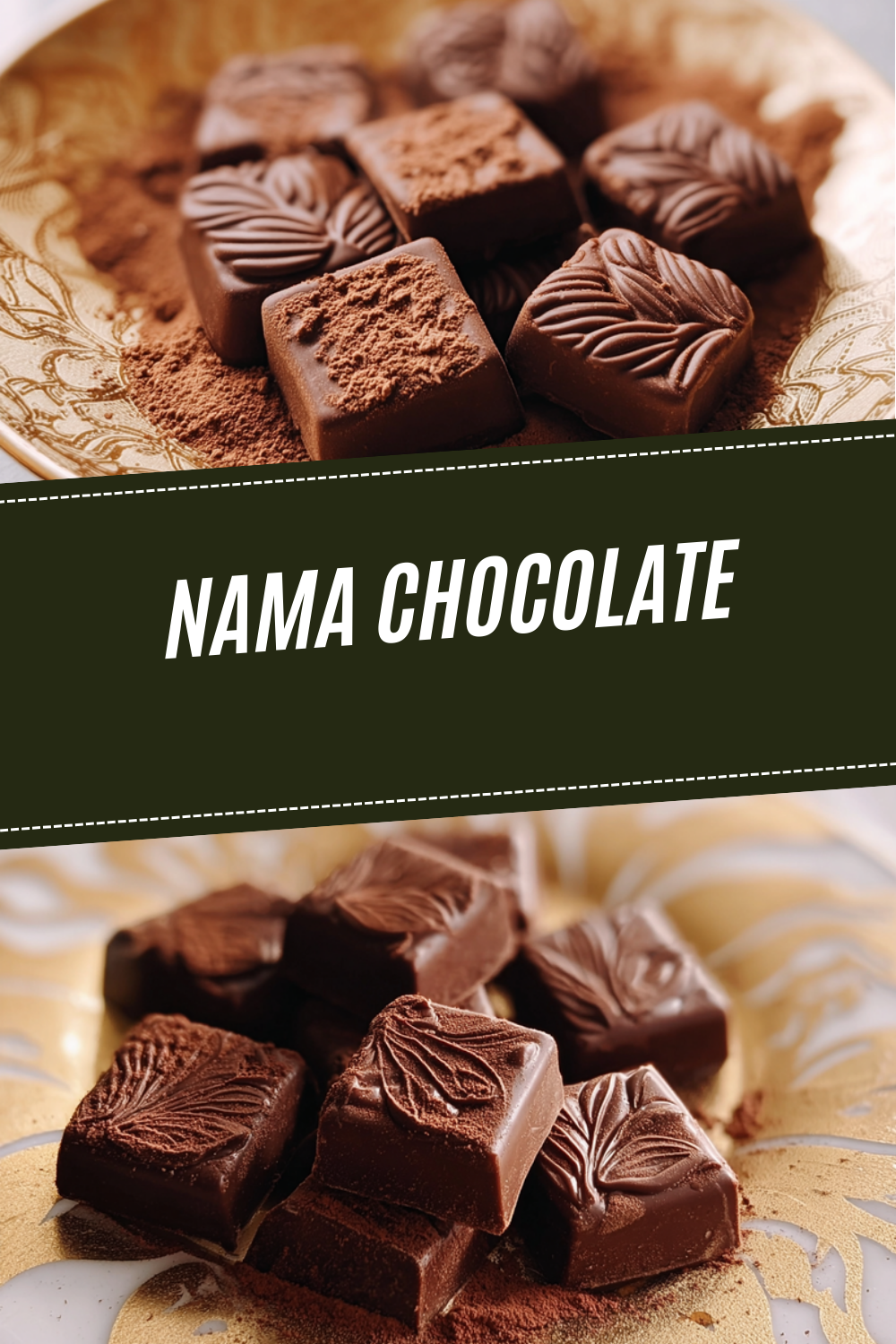
FAQs: Frequently Asked Questions About Nama Chocolate
What is nama chocolate?
How do you make nama chocolate at home?
How should you store nama chocolate?
What flavors of nama chocolate are available?
Is nama chocolate gluten-free and suitable for vegetarians?
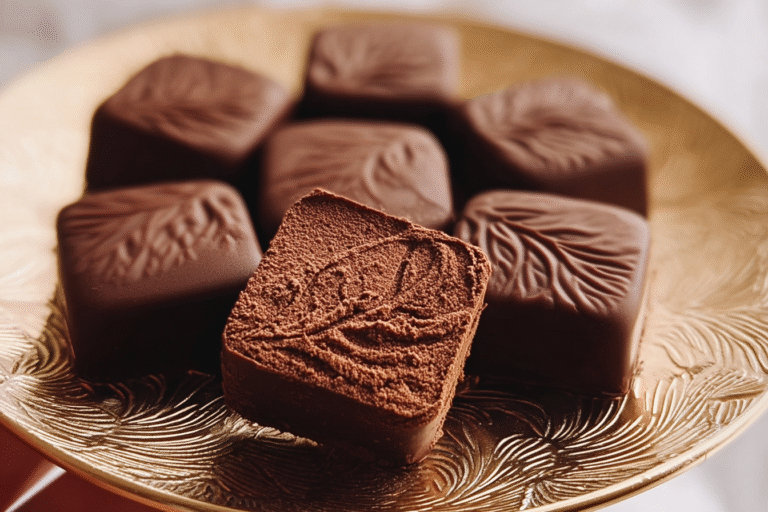
Nama Chocolate
🍫 Silky-smooth fresh ganache bites headline Japan’s addictive konbini treat—creamy melt-away bliss without tempering hassles.
🏠 No-bake 10-minute magic yields luxurious homemade chocolates; antioxidant-rich dark cocoa indulgence for gifting or snacking!
- Total Time: 3 hours 10 minutes
- Yield: 16 pieces
Ingredients
– 200g dark chocolate (70% cocoa) High cocoa content provides intense flavor and structure
– 150ml heavy cream Creates the smooth, creamy texture nama chocolate is known for
– 20g unsalted butter Adds richness and helps create the signature melting point
– 1 tsp matcha powder (optional) For a Japanese green tea variation
– Cocoa powder for dusting Adds a professional finish and slight bitterness to balance sweetness
Instructions
1-Preparation and Mise en Place: Before beginning, ensure all ingredients are at room temperature, especially the chocolate and butter. This temperature consistency is crucial for smooth emulsification. Line a 20x20cm square baking tin with parchment paper, allowing some overhang for easy removal later. Have a clean, sharp knife and cutting board ready for chopping the chocolate.
2-Step 1: Preparing the Chocolate Start by finely chopping your dark chocolate into uniform pieces. The smaller the pieces, the faster and more evenly they will melt. Place the chopped chocolate in a heatproof bowl that fits snugly over a saucepan to create a double boiler setup. If you’re adding flavorings like matcha powder, sift them now to remove any lumps.
3-Step 2: Creating the Cream Base Pour the heavy cream into a small saucepan and heat gently over medium-low heat. Watch carefully, removing the pan from heat just before it begins to boil small bubbles should form around the edges, but it should not come to a full boil. Burning the cream will affect the final flavor, so patience here pays off. Let it rest for about 30 seconds to cool slightly before pouring.
4-Step 3: Combining Chocolate and Cream Pour the hot cream over the chopped chocolate and let it sit undisturbed for 2-3 minutes. This resting period allows the heat from the cream to begin melting the chocolate evenly. Afterward, gently stir with a spatula or wooden spoon using small circular motions. Avoid vigorous stirring, which can incorporate air bubbles and affect the smooth texture. Continue stirring until the mixture is completely smooth and glossy.
5-Step 4: Adding the Finishing Touches Once your chocolate and cream are fully combined, add the room temperature butter. The butter should be soft but not melted. Stir gently until it’s completely incorporated and the mixture looks even more glossy. If you’re making a flavored version, now is the time to add your matcha powder or other flavorings. Mix just until combined overmixing at this stage can cause the mixture to seize or become grainy.
6-Step 5: Setting the Chocolate Pour the chocolate mixture into your prepared tin, using a spatula to spread it evenly. Tap the tin gently on the counter to release any air bubbles. Cover with plastic wrap and refrigerate for 4-6 hours, or until set but still soft to the touch. The chocolate should not be rock-hard, but rather have a firm, fudge-like consistency that yields to gentle pressure.
7-Final Step: Cutting and Serving Remove the set chocolate from the refrigerator and lift it out of the tin using the parchment paper overhang. Cut the chocolate into small cubes typically 1.5 to 2 inches square using a sharp knife dipped in hot water and wiped dry between cuts. This prevents sticking and ensures clean edges. Place cocoa powder in a shallow dish and gently roll each cube in the powder to coat all sides. Return the dusted pieces to the refrigerator for another hour to firm up before serving or packaging.
Last Step:
Please leave a rating and comment letting us know how you liked this recipe! This helps our business to thrive and continue providing free, high-quality recipes for you.Notes
🍫 Use 70%+ dark chocolate for authentic bittersweet nama balance.
❄️ Line mold with plastic wrap for easy unmolding.
✨ Temper by hand-stirring for shine, or freeze briefly for clean cuts.
- Prep Time: 10 minutes
- Chill Time: 3 hours
- Category: Dessert
- Method: No Cook
- Cuisine: Japanese
- Diet: Vegetarian
Nutrition
- Serving Size: 2 pieces
- Calories: 220 kcal
- Sugar: 10g
- Sodium: 20mg
- Fat: 20g
- Saturated Fat: 12g
- Unsaturated Fat: 6g
- Trans Fat: 0g
- Carbohydrates: 14g
- Fiber: 3g
- Protein: 3g
- Cholesterol: 25mg