Why You’ll Love This Thanksgiving Turkey Recipe
If you’re feeling nervous about cooking your first holiday bird, you’re not alone. Many home cooks worry about drying out the meat or serving an undercooked turkey. The good news is that this Thanksgiving Turkey Recipe takes the stress out of holiday cooking with simple, straightforward steps anyone can follow.
Don’t worry if it’s your first time roasting a turkey just follow these easy steps, keep an eye on the thermometer, and soon you’ll be serving up a juicy, golden bird your whole family will love.
Key Benefits of This Recipe
- Ease of Preparation: With just 20 minutes of prep time and basic ingredients you can find at any grocery store, this recipe fits perfectly into busy schedules. No complicated techniques or fancy equipment required just a roasting pan, meat thermometer, and a little patience.
- Health Benefits: Turkey is an excellent source of lean protein with approximately 70 grams per serving. This recipe keeps carbohydrates low at just 3 grams while delivering essential nutrients like potassium (765 mg), iron, and B vitamins without excessive sodium or unhealthy fats.
- Versatility: This recipe adapts easily to different taste preferences. You can swap herbs, adjust seasonings, or modify the aromatics based on what you have available. The cooking method works for turkeys ranging from 12 to 20 pounds.
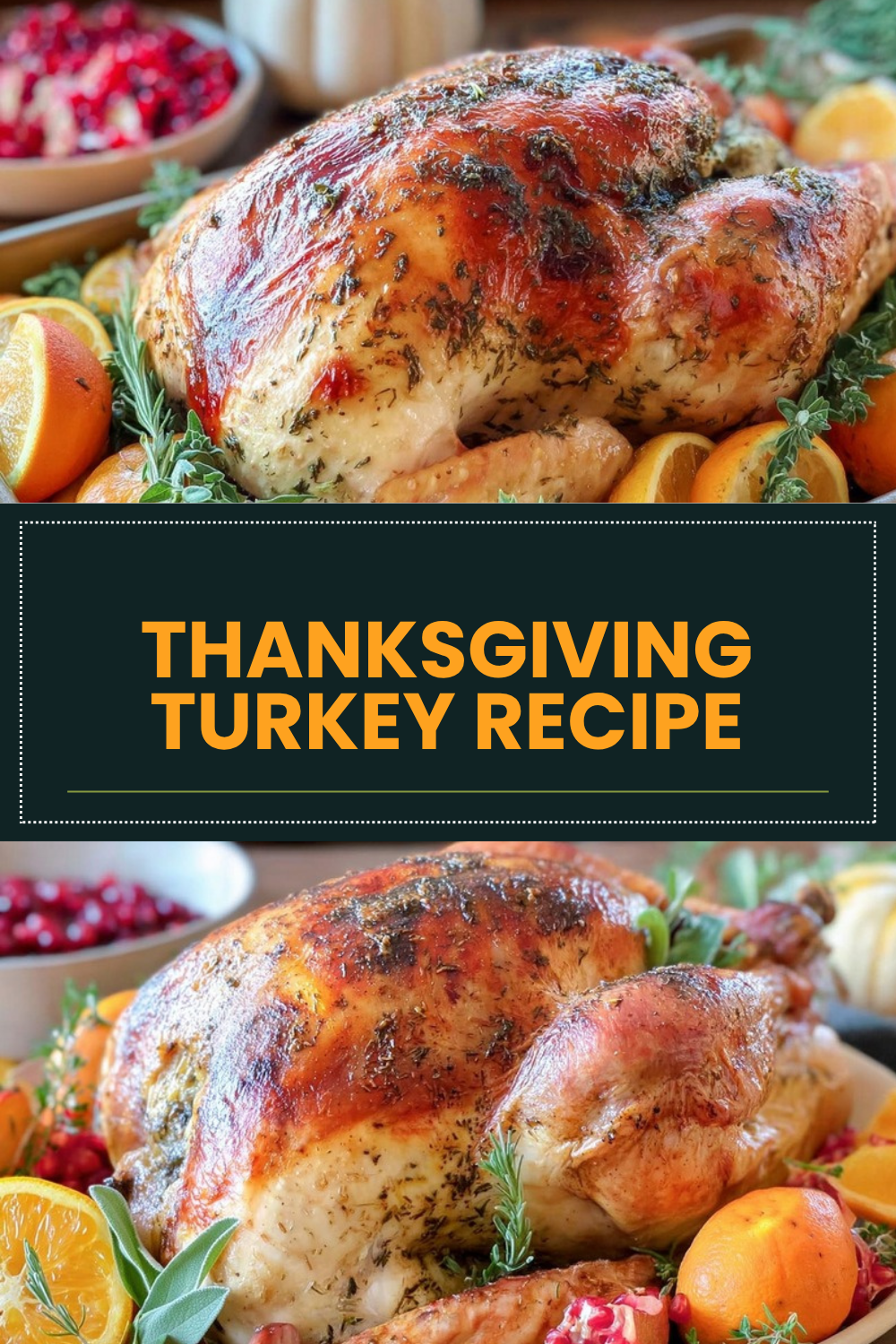
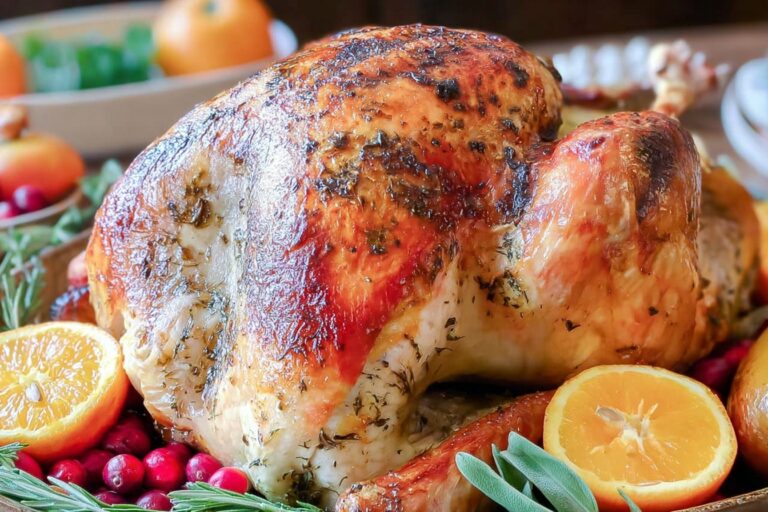
- Distinctive Flavor: The herb butter mixture creates incredibly moist meat with crispy, golden skin. The combination of fresh rosemary, thyme, and sage infuses the turkey with classic holiday flavors that pair beautifully with all your favorite side dishes.
Jump to:
- Why You’ll Love This Thanksgiving Turkey Recipe
- Key Benefits of This Recipe
- Essential Ingredients for Thanksgiving Turkey Recipe
- Main Turkey and Aromatics
- Herb Butter Ingredients
- Special Dietary Considerations
- How to Prepare the Perfect Thanksgiving Turkey Recipe: Step-by-Step Guide
- Step 1: Thaw and Prepare Your Turkey
- Step 2: Preheat and Make the Herb Butter
- Step 3: Prep the Turkey
- Step 4: Season and Stuff the Cavity
- Step 5: Apply the Herb Butter
- Step 6: Roast to Perfection
- Step 7: Rest and Carve
- Dietary Substitutions to Customize Your Thanksgiving Turkey Recipe
- Protein and Main Component Alternatives
- Vegetable, Sauce, and Seasoning Modifications
- Mastering Thanksgiving Turkey Recipe: Advanced Tips and Variations
- Pro Cooking Techniques
- Flavor Variations to Try
- Presentation Tips
- Make-Ahead Options
- How to Store Thanksgiving Turkey Recipe: Best Practices
- Refrigeration Guidelines
- Freezing for Long-Term Storage
- Reheating Instructions
- Meal Prep Considerations
- FAQs: Frequently Asked Questions About Thanksgiving Turkey Recipe
- What size turkey should I buy for Thanksgiving?
- How long does it take to thaw a turkey in the fridge?
- Do I need to wash my turkey before cooking it?
- How do you know when a Thanksgiving turkey is done cooking?
- What can I do with turkey drippings after roasting?
- Thanksgiving Turkey Recipe
- Ingredients
- Instructions
- Last Step:
- Notes
- Nutrition
- Did you make this recipe?
Essential Ingredients for Thanksgiving Turkey Recipe
Gathering your ingredients ahead of time makes the cooking process smooth and enjoyable. Here’s everything you need to create a memorable holiday centerpiece.
Main Turkey and Aromatics
- 1 turkey, 12-20 pounds – Choose a fresh or fully thawed bird with plump skin
- 1 onion, peeled and quartered – Adds subtle sweetness and aromatic depth to the cavity
- 1 lemon, quartered – Provides brightness and helps tenderize the meat
- 1 apple, quartered – Contributes natural sweetness and moisture
- 0.75 ounce fresh rosemary – Classic herb for savory, pine-like flavor
- 0.75 ounce fresh thyme – Delivers earthy, slightly minty notes
- 0.75 ounce fresh sage – Traditional Thanksgiving herb with warm, savory taste
Herb Butter Ingredients
- 1 cup softened butter – Creates the base for golden, crispy skin
- 1 teaspoon salt – Enhances natural flavors
- 1/2 teaspoon pepper – Adds mild heat and depth
- 6-8 cloves garlic, minced – Infuses rich, aromatic flavor
- Fresh chopped rosemary, thyme, and sage – For seasoning and additional stuffing flavor
For those planning a complete holiday meal, consider adding homemade desserts like banana bundt cake or cheesecake lemon bars to your menu for a sweet finish everyone will enjoy.
Special Dietary Considerations
While turkey itself is naturally gluten-free and low-carb, the herb butter contains dairy. For dairy-free versions, substitute the butter with olive oil or a plant-based butter alternative. The turkey is suitable for most diets including keto, paleo, and Whole30 when prepared with compliant ingredients.
How to Prepare the Perfect Thanksgiving Turkey Recipe: Step-by-Step Guide
Creating a beautiful roast turkey is easier than you might think. Follow these detailed steps for consistently delicious results every time.
Step 1: Thaw and Prepare Your Turkey
Proper thawing is essential for even cooking. Thaw your turkey in the refrigerator, allowing 24 hours per 5 pounds plus one extra day for safety. A 12-pound turkey needs approximately 3 days to thaw completely. According to the USDA food safety guidelines, never thaw at room temperature as this promotes bacterial growth.
Remove the turkey from the refrigerator 1 hour before cooking to let it reach room temperature. This helps the bird cook more evenly. Cold meat straight from the fridge takes longer to cook and can result in uneven doneness.
Step 2: Preheat and Make the Herb Butter
Preheat your oven to 325 degrees Fahrenheit. This moderate temperature allows the turkey to cook through without drying out the breast meat. While the oven heats, prepare your herb butter by mixing softened butter with minced garlic, salt, pepper, and chopped fresh herbs in a small bowl. The mixture should be smooth and spreadable.
Don’t skip the fresh herbs dried herbs work in a pinch, but fresh rosemary, thyme, and sage deliver much brighter flavor and better texture in the finished dish.
Step 3: Prep the Turkey
Remove the neck and giblets from the turkey cavity. You can reserve these for making flavorful gravy or discard them if you prefer. Pat the turkey completely dry with paper towels inside and out. This step is crucial for achieving crispy skin moisture creates steam rather than browning.
Important: Do not wash the turkey. Splashing water spreads bacteria around your sink and counters. The oven will kill any bacteria, and patting dry is all you need for food safety.
Step 4: Season and Stuff the Cavity
Season the turkey cavity generously with salt and pepper. Stuff with the quartered lemon, onion, apple, and leftover herb sprigs. These aromatics infuse the meat with flavor from the inside while keeping it moist. Unlike bread stuffing, which should be cooked separately, these ingredients are purely for flavoring.
Step 5: Apply the Herb Butter
Loosen the skin above the breasts by gently sliding your fingers between the skin and meat. Spread a few tablespoons of herb butter under the skin, directly on the breast meat. This technique keeps the white meat incredibly moist and flavorful.
Tuck the wings under the turkey to prevent them from burning and to create a neater presentation. Place the turkey on a roasting rack or on a bed of chopped vegetables like carrots, onions, and celery. These vegetables flavor the drippings for gravy.
Step 6: Roast to Perfection
Microwave the remaining herb butter to soften it slightly, then brush it all over the turkey skin. Roast at 325 degrees Fahrenheit for about 13-15 minutes per pound until the internal temperature reaches 165 degrees Fahrenheit. For a 12-pound turkey, expect approximately 3 hours of cooking time.
Halfway through cooking, check the skin color. If it’s already golden brown, tent the breast with aluminum foil to protect it from over-browning while the dark meat finishes cooking.
Step 7: Rest and Carve
Remove the turkey from the oven when the thermometer reads 160 degrees in the thickest part of the breast. The temperature will rise to 165 degrees during resting. Let the turkey rest 20-30 minutes before carving. This allows juices to redistribute throughout the meat for maximum tenderness.
Reserve the drippings for making gravy. Simply strain the liquid, skim off excess fat, and use as a base for rich, flavorful sauce.

Dietary Substitutions to Customize Your Thanksgiving Turkey Recipe
Protein and Main Component Alternatives
While this recipe is designed for a traditional whole turkey, you can adapt it for different situations. If you’re cooking for a smaller group, try a turkey breast instead of a whole bird adjust the cooking time to about 20 minutes per pound. For those who don’t eat poultry, this herb butter technique works beautifully on a whole chicken or even a plant-based roast.
Wild turkeys benefit from brining, unlike most store-bought birds. If you’re cooking wild turkey, soak it in a saltwater solution for 12-24 hours before roasting to ensure moist results.
Vegetable, Sauce, and Seasoning Modifications
The aromatics inside the turkey can be customized based on your preferences or what you have available. Try adding orange quarters instead of lemon for a different citrus note, or swap the apple for pear. Fennel bulbs make an excellent addition if you enjoy their mild anise flavor.
For herb variations, consider adding fresh parsley, bay leaves, or even a sprig of fresh oregano. The key is keeping the total amount of aromatics similar so the turkey cooks evenly.
Those avoiding dairy can substitute the butter with a high-quality olive oil. Apply it the same way under and over the skin though the skin won’t get quite as crispy. For best results with olive oil, increase the oven temperature to 350 degrees for the last 30 minutes of cooking.
Mastering Thanksgiving Turkey Recipe: Advanced Tips and Variations
Pro Cooking Techniques
Buy about 1.5 pounds of turkey per person if you want leftovers. This accounts for the bone weight and ensures plenty of meat for sandwiches the next day. For reference, a 12-pound turkey typically serves 8-10 people with leftovers.
Use a meat thermometer for guaranteed success. Remove the turkey when it reaches 160 degrees in the breast, then tent with foil and let it rest. The temperature will continue rising to the safe 165-degree mark. This technique, called carryover cooking, prevents overdone breast meat.
Flavor Variations to Try
For a Cajun twist, add paprika, cayenne, and garlic powder to the herb butter. A Mediterranean version might include oregano, lemon zest, and sun-dried tomatoes in the cavity. Consider adding a maple glaze during the last hour for a New England-style bird with beautiful mahogany color.
Presentation Tips
For the most impressive presentation, let the turkey rest fully before carving. Use a sharp knife and carve in the kitchen, then arrange slices on a warmed platter. Garnish with fresh herb sprigs, citrus wedges, and perhaps some pomegranate seeds for holiday color.
Make-Ahead Options
The herb butter can be made up to 3 days in advance and stored in the refrigerator. Bring it to room temperature before using. You can also prep the aromatics and store them in an airtight container overnight. This streamlines your cooking day considerably.
How to Store Thanksgiving Turkey Recipe: Best Practices
Refrigeration Guidelines
After your meal, carve leftover turkey from the bone and store in airtight containers. Refrigerate within 2 hours of cooking. Properly stored turkey keeps for 3-4 days in the refrigerator at 40 degrees Fahrenheit or below.
Freezing for Long-Term Storage
For longer storage, freeze carved turkey in portions suitable for future meals. Wrap tightly in plastic wrap, then place in freezer bags or airtight containers. Remove as much air as possible to prevent freezer burn. Frozen turkey maintains quality for 4-6 months. Label with the date for easy tracking.
Reheating Instructions
To maintain moisture when reheating, add a splash of broth or gravy to the turkey before warming. Cover and heat in a 325-degree oven until the internal temperature reaches 165 degrees. For smaller portions, a microwave works well heat in 30-second intervals to avoid rubbery texture.
Leftover turkey works wonderfully in soups, sandwiches, casseroles, and salads. After a satisfying holiday meal, you might enjoy lighter dessert options like strawberry shortcake trifles for days following the celebration.
Meal Prep Considerations
If you’re planning ahead for busy weekdays, portion turkey into single-serving containers with some cooking liquid or gravy. This makes quick lunches easy to grab and reheat throughout the week.
FAQs: Frequently Asked Questions About Thanksgiving Turkey Recipe
What size turkey should I buy for Thanksgiving?
How long does it take to thaw a turkey in the fridge?
Do I need to wash my turkey before cooking it?
How do you know when a Thanksgiving turkey is done cooking?
What can I do with turkey drippings after roasting?
Thanksgiving Turkey Recipe
🦃 Enjoy a juicy, flavorful Thanksgiving turkey with minimal effort and maximum taste for your holiday feast!
🍁 Golden-brown skin and tender meat make this no-fuss recipe a must-try for stress-free celebrations!
- Total Time: 3 hours 50 minutes
- Yield: 12-20 servings
Ingredients
– 1 turkey, 12-20 pounds
– 1 onion, peeled and quartered
– 1 lemon, quartered
– 1 apple, quartered
– 0.75 ounce fresh rosemary
– 0.75 ounce fresh thyme
– 0.75 ounce fresh sage
– 1 cup softened butter
– 1 teaspoon salt
– 1/2 teaspoon pepper
– 6-8 cloves garlic, minced
– Fresh chopped rosemary, thyme, and sage
Instructions
1-Step 1: Thaw and Prepare Your Turkey Proper thawing is essential for even cooking. Thaw your turkey in the refrigerator, allowing 24 hours per 5 pounds plus one extra day for safety. A 12-pound turkey needs approximately 3 days to thaw completely. According to the USDA food safety guidelines, never thaw at room temperature as this promotes bacterial growth. Remove the turkey from the refrigerator 1 hour before cooking to let it reach room temperature. This helps the bird cook more evenly. Cold meat straight from the fridge takes longer to cook and can result in uneven doneness.
2-Step 2: Preheat and Make the Herb Butter Preheat your oven to 325 degrees Fahrenheit. This moderate temperature allows the turkey to cook through without drying out the breast meat. While the oven heats, prepare your herb butter by mixing softened butter with minced garlic, salt, pepper, and chopped fresh herbs in a small bowl. The mixture should be smooth and spreadable. Don’t skip the fresh herbs dried herbs work in a pinch, but fresh rosemary, thyme, and sage deliver much brighter flavor and better texture in the finished dish.
3-Step 3: Prep the Turkey Remove the neck and giblets from the turkey cavity. You can reserve these for making flavorful gravy or discard them if you prefer. Pat the turkey completely dry with paper towels inside and out. This step is crucial for achieving crispy skin moisture creates steam rather than browning. Important: Do not wash the turkey. Splashing water spreads bacteria around your sink and counters. The oven will kill any bacteria, and patting dry is all you need for food safety.
4-Step 4: Season and Stuff the Cavity Season the turkey cavity generously with salt and pepper. Stuff with the quartered lemon, onion, apple, and leftover herb sprigs. These aromatics infuse the meat with flavor from the inside while keeping it moist. Unlike bread stuffing, which should be cooked separately, these ingredients are purely for flavoring.
5-Step 5: Apply the Herb Butter Loosen the skin above the breasts by gently sliding your fingers between the skin and meat. Spread a few tablespoons of herb butter under the skin, directly on the breast meat. This technique keeps the white meat incredibly moist and flavorful. Tuck the wings under the turkey to prevent them from burning and to create a neater presentation. Place the turkey on a roasting rack or on a bed of chopped vegetables like carrots, onions, and celery. These vegetables flavor the drippings for gravy.
6-Step 6: Roast to Perfection Microwave the remaining herb butter to soften it slightly, then brush it all over the turkey skin. Roast at 325 degrees Fahrenheit for about 13-15 minutes per pound until the internal temperature reaches 165 degrees Fahrenheit. For a 12-pound turkey, expect approximately 3 hours of cooking time. Halfway through cooking, check the skin color. If it’s already golden brown, tent the breast with aluminum foil to protect it from over-browning while the dark meat finishes cooking.
7-Step 7: Rest and Carve Remove the turkey from the oven when the thermometer reads 160 degrees in the thickest part of the breast. The temperature will rise to 165 degrees during resting. Let the turkey rest 20-30 minutes before carving. This allows juices to redistribute throughout the meat for maximum tenderness. Reserve the drippings for making gravy. Simply strain the liquid, skim off excess fat, and use as a base for rich, flavorful sauce.
Last Step:
Please leave a rating and comment letting us know how you liked this recipe! This helps our business to thrive and continue providing free, high-quality recipes for you.Notes
🛒 Buy about 1.5 pounds of turkey per person for plenty of leftovers.
🚫 Do not wash the turkey to avoid contaminating your sink; pat dry with paper towels instead.
🌡️ Use a meat thermometer and remove at 160 degrees for carryover cooking to 165 degrees.
- Prep Time: 20 minutes
- Cook Time: 3 hours 30 minutes
- Category: Main Dish
- Method: Roasting
- Cuisine: American
Nutrition
- Serving Size: 1 serving
- Calories: 576 kcal
- Sugar: 1 g
- Sodium: 518 mg
- Fat: 30 g
- Saturated Fat: 12 g
- Unsaturated Fat: N/A
- Trans Fat: N/A
- Carbohydrates: 3 g
- Fiber: N/A
- Protein: 70 g
- Cholesterol: 264 mg