Why You’ll Love This Takoyaki
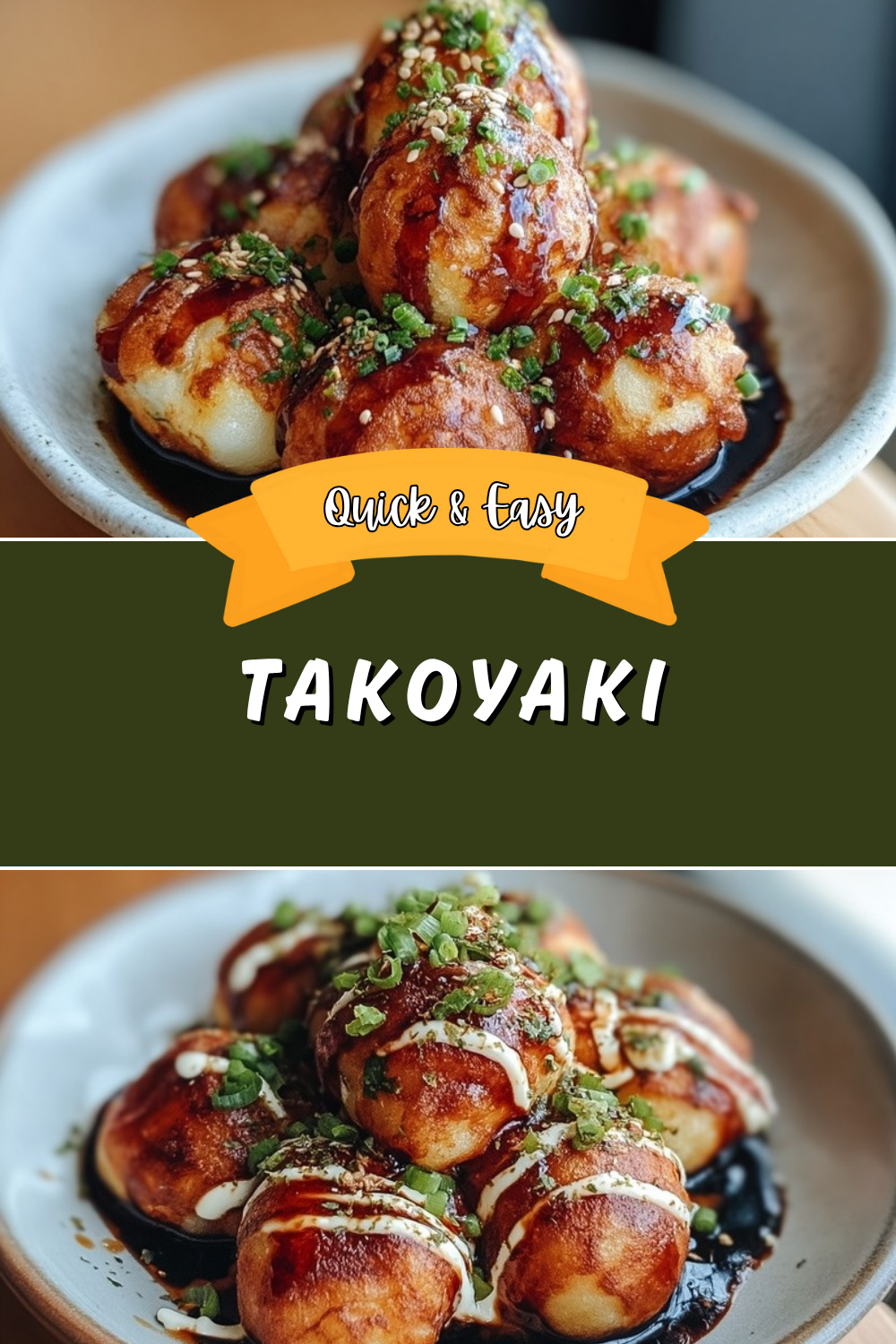
Takoyaki is a fun, crowd-pleasing Japanese street snack you can make at home. It features a wheat flour-based batter cooked in a special molded pan, then filled with octopus and topped with classic flavors. If you have been looking for an authentic takoyaki recipe that still fits a busy schedule, this one is a strong match.
- Ease of preparation: A straightforward takoyaki recipe starts with mixing batter and prepping fillings, then cooking in small rounds in a takoyaki pan. Most home cooks can turn out a batch in a short time once the pan is hot.
- Health benefits: Takoyaki recipe ideas can be balanced by using leaner proteins and controlling added sauces. You can also add extra green onion for freshness and reduce toppings if you prefer lighter meals.
- Versatility: The base is flexible. With simple swaps, you can create homemade takoyaki for different dietary needs, including gluten-free options and alternative fillings.
- Distinctive flavor: The final taste comes from the classic combination of octopus, tempura scraps (tenkasu), pickled ginger (beni shoga), and green onion (negi), plus finishing touches like takoyaki sauce, mayonnaise, aonori, and katsuobushi.
Quick takeaway: You get the classic Japanese octopus balls experience, but with the comfort of cooking in your own kitchen.
For another savory street-food style dish, you might also enjoy this shrimp boil skillet recipe, which is another great option for feeding a group.
For more background on the dish and topping details, check Just One Cookbook’s takoyaki recipe guide while you shop for ingredients.
Jump to:
- Why You’ll Love This Takoyaki
- Essential Ingredients for Takoyaki
- How to Prepare the Perfect Takoyaki: Step-by-Step Guide
- Step-by-step instructions
- Dietary Substitutions to Customize Your Takoyaki
- Protein and Main Component Alternatives
- Vegetable, Sauce, and Seasoning Modifications
- Mastering Takoyaki: Advanced Tips and Variations
- Pro cooking techniques
- Flavor variations
- Presentation tips
- Make-ahead options
- How to Store Takoyaki: Best Practices
- FAQs: Frequently Asked Questions About Takoyaki
- Takoyaki
- Ingredients
- Instructions
- Last Step:
- Notes
- Nutrition
- Did you make this recipe?
Essential Ingredients for Takoyaki
Takoyaki is a popular Japanese ball-shaped snack made from a wheat flour-based batter cooked in a special molded pan. The main ingredients include minced or diced octopus, tempura scraps (tenkasu), pickled ginger (beni shoga), and green onion (negi). After cooking, the balls are brushed with takoyaki sauce and mayonnaise, then sprinkled with aonori (seaweed flakes) and dried bonito shavings (katsuobushi).
Primary ingredients for authentic takoyaki at home
- Octopus: Usually minced or diced for filling and texture.
- Tempura scraps (tenkasu): Adds crunch and helps the batter set with a light bite.
- Pickled ginger (beni shoga): Provides a tangy kick that cuts through richness.
- Green onion (negi): Adds mild onion flavor and a fresh finish.
- Batter and cooking: Wheat flour-based batter gives the classic chew and golden exterior.
- Toppings: Takoyaki sauce and mayonnaise for the signature glossy flavor, then aonori and katsuobushi for aroma and savory depth.
Structured ingredient list for this homemade takoyaki recipe (measured for about 24 to 28 balls, depending on your pan):
- 1 cup all-purpose flour
- 2 cups dashi stock (or water with dashi powder)
- 2 large eggs
- 1/2 cup tenkasu (tempura scraps), roughly chopped
- 1/2 cup finely chopped green onion (negi)
- 1/4 cup beni shoga (pickled ginger), finely chopped
- 3/4 pound octopus, minced or diced
- 2 tablespoons soy sauce
- 1 tablespoon mirin
- 1/2 teaspoon salt
- 2 tablespoons neutral oil (for brushing the takoyaki pan)
- 2/3 cup takoyaki sauce (store-bought or prepared)
- 2 tablespoons mayonnaise
- 1 to 2 tablespoons aonori (seaweed flakes)
- 1/2 cup katsuobushi (dried bonito shavings)
Special dietary options
- Vegan: Use dashi substitute like kombu-based stock or water + mushroom powder, and swap eggs with a plant-based egg replacer. Choose vegan mayonnaise and a vegan takoyaki sauce.
- Gluten-free: Use a 1-to-1 gluten-free flour blend. Confirm your takoyaki sauce and mayonnaise are gluten-free, since some brands contain wheat.
- Low-calorie: Reduce mayonnaise quantity and use a lighter brush of takoyaki sauce. You can also keep portion sizes smaller and load up on green onion.
Note: If you want an easy takoyaki recipe that stays close to the classic flavor profile, keep the toppings the same. Many people change fillings first, but the topping layer is what makes takoyaki recognizable.
How to Prepare the Perfect Takoyaki: Step-by-Step Guide
Cooking takoyaki is mostly about timing and technique. When your batter is smooth and your pan is properly preheated, the balls set quickly and flip cleanly. This guide is written for an easy takoyaki recipe style approach, while still covering the details that make it come out like Japanese octopus balls.
Before you start
- Preheat your takoyaki pan over medium-high heat for several minutes.
- Use a brush to coat each mold with neutral oil.
- Have fillings ready: octopus, tenkasu, beni shoga, and green onion.
| Stage | Goal | Typical Timing | Heat Level |
|---|---|---|---|
| Preheat | Hot molds for quick setting | 5 to 8 minutes | Medium-high |
| First fill | Base batter sets lightly | 2 to 3 minutes | Medium-high |
| Flip and shape | Rounded balls with crisp edges | 2 to 4 minutes per batch | Medium-high to medium |
| Finish | Even browning | 1 to 2 minutes | Medium |
Step-by-step instructions
First Step: Make the batter. In a mixing bowl, whisk all-purpose flour, salt, eggs, and dashi stock until smooth. Rest the batter for 5 minutes so the flour hydrates and lumps settle.
Second Step: Prepare the fillings. Mince or dice the octopus, and chop the green onion (negi) and beni shoga. Keep tenkasu ready so it distributes through the batter when you pour.
Third Step: Start cooking in the takoyaki pan. Brush oil into each mold. Pour batter into each mold until it is about half full, then add octopus pieces, a small spoon of tenkasu, beni shoga, and green onion to each one.
Fourth Step: Top off with more batter. Add batter until molds are filled close to the top. This helps the balls rise and creates that classic round shape when you flip.
Fifth Step: Let the batter set, then shape. Wait until the bottoms are golden and the top looks slightly firm, usually 2 to 3 minutes. Use a skewer or takoyaki pick to loosen edges, then flip and continue turning so the balls become fully round.
Sixth Step: Adjust heat as needed. If the outside browns too fast, lower to medium. If the batter is still liquid, raise slightly or give it another minute before flipping.
Final Step: Finish and serve with toppings. Once each ball is browned and round, transfer to a plate. Brush with takoyaki sauce, add a light drizzle of mayonnaise, then sprinkle with aonori and katsuobushi right before serving so the bonito shavings stay aromatic.
Tip for an authentic takoyaki recipe: The batter should be pourable but not watery. If it seems too thick, add a splash of dashi stock. If it seems too thin, add a little flour and whisk well.
Adapting for preferences
- For a gluten-free takoyaki recipe: Use gluten-free flour blend and verify your sauce labels.
- For less heat: Reduce beni shoga or choose a milder pickled ginger.
- For vegetarian meals: Swap octopus with pan-seared mushrooms or marinated tofu chunks, then keep tenkasu and toppings.
For more authentic context on the dish’s rise and cultural background, this article from Bokksu is helpful: Octopus in a Ball: the story of Takoyaki’s rise.

Dietary Substitutions to Customize Your Takoyaki
Many people start with an authentic takoyaki recipe, then adjust based on what they can find or how they want to eat. The good news is that takoyaki is flexible. The key is keeping the batter texture and the finishing toppings close to the classic profile.
Protein and Main Component Alternatives
- Octopus swaps: Use diced shrimp, chopped mushrooms, or pan-seared tofu. If using shrimp, cook it briefly before mixing into the filling so it stays tender.
- Lower-cost option: Try minced chicken or imitation seafood, but season lightly so the filling still tastes balanced with pickled ginger and onion.
- Diet-conscious swap: Choose lean proteins and reduce mayonnaise if you want a lighter takoyaki at home option.
Vegetable, Sauce, and Seasoning Modifications
- Green onion: Replace with chives or finely chopped scallion if negi is unavailable.
- Pickled ginger: Use less beni shoga for mild flavor, or substitute with finely chopped pickled vegetables.
- Seasoning: Keep salt and dashi style flavors in the batter. For stronger umami, add a pinch of mushroom powder.
- Takoyaki sauce and mayo: Choose gluten-free takoyaki sauce and mayonnaise brands if needed. For dairy-free preferences, use vegan mayonnaise.
Storage note for substitutions: If you swap fillings, cook time may change. Watch the browning and keep the pan hot so the batter sets quickly.
Mastering Takoyaki: Advanced Tips and Variations
Once you understand the rhythm of flipping and shaping, you can take your homemade takoyaki to the next level. These tips focus on the details that make takoyaki taste like it came from a street stall while staying manageable for home cooks.
Pro cooking techniques
- Consistency matters: Whisk batter until smooth, then rest briefly. This reduces lumps and helps the takoyaki pan produce even browning.
- Flip at the right time: If you flip too early, balls break. If you wait too long, the edges dry out and the shape will not form well.
- Use two tools: A skewer for turning and a pick or chopstick for loosening edges makes shaping easier.
- Oil lightly but evenly: A thin coat helps release and creates a crisp exterior without making greasy balls.
Flavor variations
- Spicy takoyaki: Add a small amount of chili seasoning to the batter or increase beni shoga.
- Cheese version: Add a tiny cube of mozzarella or a sprinkle of grated cheese inside the filling. It melts and adds richness.
- Seafood twist: Mix octopus with chopped shrimp for variety while keeping the same takoyaki sauce and mayonnaise toppings.
Presentation tips
- Sprinkle aonori and katsuobushi immediately before serving.
- Drizzle takoyaki sauce in a zigzag pattern, then add mayonnaise in thinner lines for a classic look.
Make-ahead options
- Prep fillings up to a day ahead and store in covered containers.
- Cook balls in batches and keep them warm on a low oven setting, then top right before eating.
If you want another Japanese-inspired comfort meal to pair with takoyaki, you may like this teriyaki salmon recipe for a well-rounded dinner.
How to Store Takoyaki: Best Practices
Takoyaki is best served hot because the toppings and crisp edges shine right away. Still, you can store leftovers for later if you handle them correctly. The goal is to prevent sogginess and keep the balls safe to eat.
- Refrigeration: Let takoyaki cool to room temperature, then place in an airtight container. Store in the fridge for up to 2 days.
- Freezing: Freeze cooled takoyaki on a tray first, then transfer to a freezer bag. Freeze for up to 1 month for best quality.
- Reheating: Reheat in a skillet or oven for crispness. Avoid microwaving when possible, since it can soften the outside quickly.
- Meal prep considerations: If you plan to meal prep, cook the balls ahead but keep toppings separate. Add takoyaki sauce, mayonnaise, aonori, and katsuobushi fresh before eating.
When reheating, aim for hot centers and crisp edges. If you see the balls becoming too dark, lower the heat and reheat for a shorter time.
FAQs: Frequently Asked Questions About Takoyaki
Print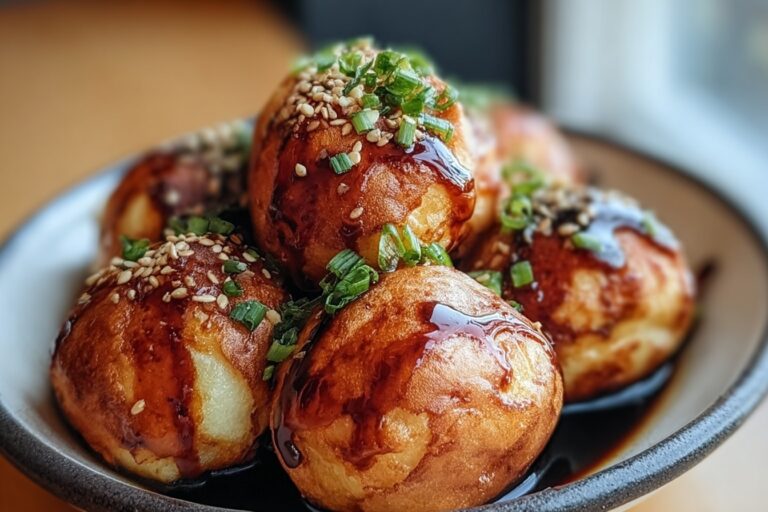
Takoyaki
🍢 Discover the joy of Japanese street food at home with these crispy-on-the-outside, creamy-on-the-inside takoyaki balls packed with tender octopus!
🥳 Fun to make and perfect for sharing, impress your guests with authentic flavors that’s irresistibly delicious and addictive!
- Total Time: 50 minutes
- Yield: 50 takoyaki balls
Ingredients
– 1 cup all-purpose flour
– 2 cups dashi stock (or water with dashi powder)
– 2 large eggs
– 1/2 cup roughly chopped tenkasu (tempura scraps)
– 1/2 cup finely chopped green onion (negi)
– 1/4 cup finely chopped beni shoga (pickled ginger)
– 3/4 pound minced or diced octopus
– 2 tablespoons soy sauce
– 1 tablespoon mirin
– 1/2 teaspoon salt
– 2 tablespoons neutral oil for brushing the takoyaki pan
– 2/3 cup takoyaki sauce (store-bought or prepared)
– 2 tablespoons mayonnaise
– 1 to 2 tablespoons aonori (seaweed flakes)
– 1/2 cup katsuobushi (dried bonito shavings)
Instructions
1-First Step: Make the batter. In a mixing bowl, whisk all-purpose flour, salt, eggs, and dashi stock until smooth. Rest the batter for 5 minutes so the flour hydrates and lumps settle.
2-Second Step: Prepare the fillings. Mince or dice the octopus, and chop the green onion (negi) and beni shoga. Keep tenkasu ready so it distributes through the batter when you pour.
3-Third Step: Start cooking in the takoyaki pan. Brush oil into each mold. Pour batter into each mold until it is about half full, then add octopus pieces, a small spoon of tenkasu, beni shoga, and green onion to each one.
4-Fourth Step: Top off with more batter. Add batter until molds are filled close to the top. This helps the balls rise and creates that classic round shape when you flip.
5-Fifth Step: Let the batter set, then shape. Wait until the bottoms are golden and the top looks slightly firm, usually 2 to 3 minutes. Use a skewer or takoyaki pick to loosen edges, then flip and continue turning so the balls become fully round.
6-Sixth Step: Adjust heat as needed. If the outside browns too fast, lower to medium. If the batter is still liquid, raise slightly or give it another minute before flipping.
7-Final Step: Finish and serve with toppings. Once each ball is browned and round, transfer to a plate. Brush with takoyaki sauce, add a light drizzle of mayonnaise, then sprinkle with aonori and katsuobushi right before serving so the bonito shavings stay aromatic.
Last Step:
Please leave a rating and comment letting us know how you liked this recipe! This helps our business to thrive and continue providing free, high-quality recipes for you.Notes
💡 Use a nonstick takoyaki pan for easier flipping and perfect spherical shapes!
🔥 Keep the pan hot and well-oiled to achieve that signature crispy exterior.
🥢 Master the flip with practice using skewers – it’s the fun part of making takoyaki!
- Prep Time: 20 minutes
- Cook Time: 30 minutes
- Category: Appetizers & Snacks
- Method: Takoyaki Pan
- Cuisine: Japanese
- Diet: Pescatarian
Nutrition
- Serving Size: 8-10 balls
- Calories: 480 kcal
- Sugar: 5g
- Sodium: 1200mg
- Fat: 20g
- Saturated Fat: 4g
- Unsaturated Fat: 14g
- Trans Fat: 0g
- Carbohydrates: 60g
- Fiber: 2g
- Protein: 15g
- Cholesterol: 100mg