Why You Will Love These Danish Butter Cookies
If you have been craving classic Danish Butter Cookies with that rich, tender bite and delicate vanilla flavor, this recipe is going to feel like a little bakery treat at home. These cookies look fancy, but the process is simple enough for busy weeknights, holiday baking, or a relaxed weekend in the kitchen.
For a related morning treat, you might also like our mini muffin pancake bites when you want something sweet and easy.
- Easy to make: You only need a handful of pantry staples, and the dough comes together fast with a mixer. The total time is about 45 minutes, so these Danish Butter Cookies fit nicely into a busy schedule.
- Lovely texture: They bake up crisp at the edges, soft in the center at first, then settle into that classic melt-in-your-mouth snap once cooled. That makes them perfect for tea time, gifting, or an after-dinner treat.
- Simple ingredients: Butter, sugar, flour, egg, vanilla, and a touch of salt create a clean, old-fashioned flavor that feels comforting and familiar.
- Easy to customize: The dough works well with a cookie press, a piping bag, or even different shapes if you want to make festive holiday trays. You can also adjust for some dietary needs with simple swaps.
These cookies taste like the kind of homemade treat that makes a kitchen smell warm, sweet, and inviting.
If you like reading about everyday ingredients and their value, this helpful overview from WebMD’s guide to the health benefits of butter can give you a little extra context while you bake.
Jump to:
- Why You Will Love These Danish Butter Cookies
- Essential Ingredients for Danish Butter Cookies
- Ingredient Notes and Helpful Swaps
- Special Dietary Options
- How to Prepare the Perfect Danish Butter Cookies: Step-by-Step Guide
- First Step: Get the oven and pans ready
- Second Step: Cream the butter and sugar
- Third Step: Add the egg, salt, and vanilla
- Fourth Step: Mix in the flour
- Fifth Step: Shape the cookies
- Sixth Step: Add the sugar topping
- Seventh Step: Bake one pan at a time
- Eighth Step: Cool completely before serving
- Dietary Substitutions to Customize Your Danish Butter Cookies
- Protein and Main Component Alternatives
- Vegetable, Sauce, and Seasoning Modifications
- Mastering Danish Butter Cookies: Advanced Tips and Variations
- Pro cooking techniques
- Flavor variations
- Presentation tips
- Make-ahead options
- How to Store Danish Butter Cookies: Best Practices
- Nutrition Information for Danish Butter Cookies
- FAQs About Danish Butter Cookies
- What are Danish butter cookies?
- How do you make Danish butter cookies at home?
- How long do Danish butter cookies last?
- Are Danish butter cookies gluten-free?
- What pairs well with Danish butter cookies?
- Danish Butter Cookies
- Ingredients
- Instructions
- Last Step:
- Notes
- Nutrition
- Did you make this recipe?
Essential Ingredients for Danish Butter Cookies
Here is the full ingredient list for these Danish Butter Cookies. Every item matters for the buttery flavor and crisp, classic texture.
- 1 cup unsalted butter, room temperature (227 grams) – This is the star of the recipe and gives the cookies their rich, tender texture.
- 1/2 cup granulated sugar (100 grams) – Adds sweetness and helps the cookies brown nicely.
- 1/4 teaspoon salt – Balances the sweetness and brings out the butter flavor.
- 1 1/2 teaspoons vanilla extract – Adds warm, classic flavor in every bite.
- 1 egg – Helps bind the dough and gives the cookies structure.
- 2 cups all-purpose flour (284 grams) – Forms the base of the dough and creates the cookie body.
- Granulated sugar for sprinkling – Adds a pretty finish and a little extra crunch on top.
Ingredient Notes and Helpful Swaps
Good butter makes a big difference here, so choose the best one you can find. If you like a slightly richer aroma, vanilla bean paste can replace vanilla extract and give you tiny flecks throughout the dough. The dough may feel thick, which is normal, and a little extra egg yolk can help if it seems dry.
For readers who want to pair this recipe with something fresh and light, our no-bake energy bites make a handy snack idea for later in the day.
Special Dietary Options
- Vegan: Use a plant-based butter made for baking, replace the egg with a vegan egg substitute, and check that your vanilla is vegan-friendly.
- Gluten-free: Swap the all-purpose flour for a 1:1 gluten-free baking blend. If the blend is not already structured, add a little xanthan gum for support.
- Lower sugar: Reduce the sugar slightly and skip the sugary topping if you want a less sweet cookie, though the texture may change a bit.
How to Prepare the Perfect Danish Butter Cookies: Step-by-Step Guide
First Step: Get the oven and pans ready
Preheat your oven to 350 degrees Fahrenheit. Line two baking sheets with parchment paper or silicone baking mats. This helps the cookies bake evenly and makes cleanup much easier. If you are baking for a crowd or making a holiday tray, setting up both pans first saves time later.
Second Step: Cream the butter and sugar
Place the room temperature butter and granulated sugar in a mixing bowl. Beat them together until combined and fluffy, which usually takes 1 to 2 minutes. This step adds air to the dough and helps the Danish Butter Cookies bake with a light texture.
Third Step: Add the egg, salt, and vanilla
Add the salt, vanilla extract, and egg. Beat again until everything is combined, about 1 minute. The dough should look smooth and creamy at this point. If you are using vanilla bean paste, this is the moment to mix it in so the flavor spreads evenly.
Fourth Step: Mix in the flour
Turn the mixer to low speed and gradually add the flour until it is incorporated. Then switch to a spatula and stir by hand if needed. The dough can be thick, and that is okay. If it feels too stiff, add an extra egg yolk for a little more moisture.
Fifth Step: Shape the cookies
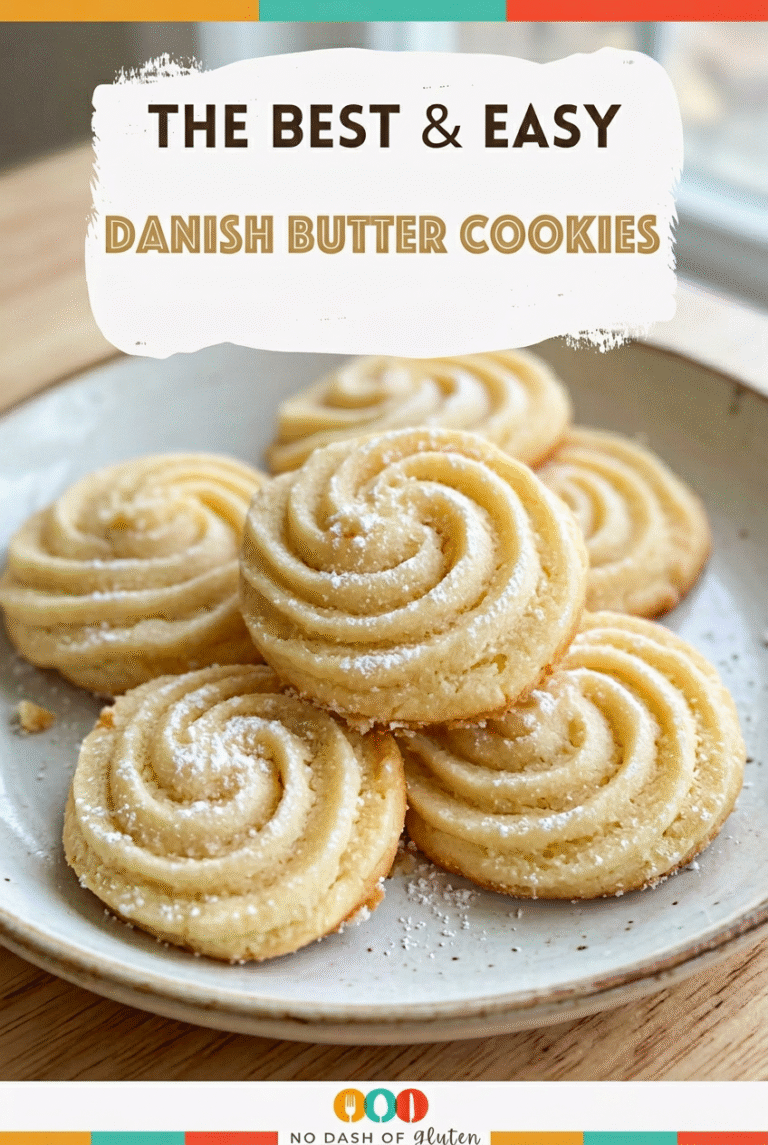
Transfer the dough to a decorating bag fitted with a large open star tip. Pipe 2-inch circles onto the prepared baking sheets. A cookie press also works well if you want different shapes. Keep the cookies evenly sized so they bake at the same pace.
Sixth Step: Add the sugar topping
Sprinkle the tops with granulated sugar before baking. This gives the cookies a lovely sparkle and a light crunch. If you are making them for a holiday cookie tray, a tiny extra sprinkle makes them look especially pretty.
Seventh Step: Bake one pan at a time
Bake one pan at a time for 15 to 17 minutes, or until the cookies are light golden brown. Baking one tray at a time helps them brown evenly and keeps the shape neat. If your cookies spread more than expected, chill the dough before the next batch.
Eighth Step: Cool completely before serving
Let the cookies cool completely on the baking sheet or a rack before storing or serving. Cooling is important because these cookies firm up as they rest. Once cooled, they have that crisp, classic texture people love in Danish Butter Cookies.
For the best texture, do not rush the cooling step. These cookies really need time to set.

Dietary Substitutions to Customize Your Danish Butter Cookies
Protein and Main Component Alternatives
If you need to adjust the recipe, start with the egg and butter. For a vegan version, use plant-based butter and a reliable egg replacer. If you want a richer dough, especially when the mixture feels crumbly, an extra egg yolk can help bring it together.
Gluten-free bakers can use a 1:1 gluten-free flour blend in place of the all-purpose flour. For the best results, choose a blend that already includes xanthan gum or add a small amount separately. This helps the cookies hold their shape while keeping that tender bite.
Vegetable, Sauce, and Seasoning Modifications
Since Danish Butter Cookies are a sweet baked treat, the main customizations come from flavoring and topping choices. Vanilla bean paste can replace vanilla extract for a deeper aroma and those pretty specks. You can also add a small pinch of cinnamon for a warmer holiday note, though the classic version stays simple and buttery.
If you want more contrast, try dipping cooled cookies halfway in melted dark chocolate and letting them set on parchment. This is a nice option for gift boxes or dessert platters. For a lighter finish, skip the sugar sprinkling and keep the tops plain.
Mastering Danish Butter Cookies: Advanced Tips and Variations
Pro cooking techniques
Use good-quality butter because the flavor really comes through. Room temperature butter is important too, since it creams better with sugar and gives the cookies a smoother texture. If your kitchen runs warm and the dough starts spreading, chill it for 20 to 30 minutes before piping the next tray.
Try to pipe the cookies in even circles so they bake evenly. A large open star tip gives that traditional bakery look, but a cookie press works well too if you want neat shapes with less effort. If you are making these for a party, pipe them ahead of time and chill the trays until you are ready to bake.
Flavor variations
For a cozy twist, add a tiny pinch of cinnamon or nutmeg. If you like a more festive cookie, drizzle cooled cookies with melted chocolate and a few crushed nuts. You can also sprinkle the tops with colored sugar instead of plain granulated sugar for holidays or birthdays.
Presentation tips
Arrange the cookies in a tin, stack them with parchment between layers, or place them on a simple white plate for a bakery-style look. They also pair nicely with coffee, tea, or hot chocolate. For a sweet brunch table, serve them with fresh fruit, or alongside our baked Denver omelet for a mix of savory and sweet.
Make-ahead options
The dough can be made ahead and chilled before piping if you want to bake later in the day. You can also bake the cookies in batches, cool them fully, and store them for later. This makes them a smart choice for busy parents, students, or anyone planning holiday baking in advance.
How to Store Danish Butter Cookies: Best Practices
Storing Danish Butter Cookies the right way helps keep their crisp texture and buttery taste. Once the cookies are completely cool, place them in an airtight container at room temperature. They stay fresh for up to 1 week this way, though some homemade batches may keep their best texture a little longer if stored well.
For longer storage, freeze the cookies for up to 3 months. Stack them with parchment between layers, then place them in a freezer-safe bag or container. When you are ready to serve, thaw them at room temperature so they regain their snap.
You do not need to reheat these cookies, but if they soften a bit, a short rest in a cool dry place usually brings back the texture. For meal prep or gifting, bake the cookies ahead, cool completely, and pack them in tins or boxes right away. This keeps them neat, fresh, and ready for sharing.
Nutrition Information for Danish Butter Cookies
| Nutrient | Amount per Cookie |
|---|---|
| Calories | 83 kilocalories |
| Carbohydrates | 8 grams |
| Fat | 5 grams |
| Saturated Fat | 3 grams |
| Cholesterol | 18 milligrams |
| Sodium | 18 milligrams |
| Potassium | 10 milligrams |
| Sugar | 2 grams |
| Vitamin A | 165 international units |
| Calcium | 3 milligrams |
| Iron | 0.3 milligrams |
These cookies are small, so one piece feels like a light sweet treat rather than a heavy dessert. If you are watching portions, they fit nicely into a balanced snack plate with fruit, tea, or coffee. For readers who like a classic cookie with a modest calorie count, this recipe is a nice option.
FAQs About Danish Butter Cookies
What are Danish butter cookies?
How do you make Danish butter cookies at home?
How long do Danish butter cookies last?
Are Danish butter cookies gluten-free?
What pairs well with Danish butter cookies?
Danish Butter Cookies
🍪 Indulge in delicate, melt-in-your-mouth Danish butter cookies with rich flavor and perfect crispness – a timeless treat for any occasion.
🧈 Simple to pipe and bake, these elegant cookies store beautifully, making them ideal for holidays, gifting, or afternoon tea.
- Total Time: 45 minutes
- Yield: 36 cookies
Ingredients
– 1 cup unsalted butter, room temperature (227 grams)
– 1/2 cup granulated sugar (100 grams)
– 1/4 teaspoon salt
– 1 1/2 teaspoons vanilla extract
– 1 egg
– 2 cups all-purpose flour (284 grams)
– Granulated sugar for sprinkling
Instructions
1-First Step: Get the oven and pans ready Preheat your oven to 350 degrees Fahrenheit. Line two baking sheets with parchment paper or silicone baking mats. This helps the cookies bake evenly and makes cleanup much easier. If you are baking for a crowd or making a holiday tray, setting up both pans first saves time later.
2-Second Step: Cream the butter and sugar Place the room temperature butter and granulated sugar in a mixing bowl. Beat them together until combined and fluffy, which usually takes 1 to 2 minutes. This step adds air to the dough and helps the Danish Butter Cookies bake with a light texture.
3-Third Step: Add the egg, salt, and vanilla Add the salt, vanilla extract, and egg. Beat again until everything is combined, about 1 minute. The dough should look smooth and creamy at this point. If you are using vanilla bean paste, this is the moment to mix it in so the flavor spreads evenly.
4-Fourth Step: Mix in the flour Turn the mixer to low speed and gradually add the flour until it is incorporated. Then switch to a spatula and stir by hand if needed. The dough can be thick, and that is okay. If it feels too stiff, add an extra egg yolk for a little more moisture.
5-Fifth Step: Shape the cookies Transfer the dough to a decorating bag fitted with a large open star tip. Pipe 2-inch circles onto the prepared baking sheets. A cookie press also works well if you want different shapes. Keep the cookies evenly sized so they bake at the same pace.
6-Sixth Step: Add the sugar topping Sprinkle the tops with granulated sugar before baking. This gives the cookies a lovely sparkle and a light crunch. If you are making them for a holiday cookie tray, a tiny extra sprinkle makes them look especially pretty.
7-Seventh Step: Bake one pan at a time Bake one pan at a time for 15 to 17 minutes, or until the cookies are light golden brown. Baking one tray at a time helps them brown evenly and keeps the shape neat. If your cookies spread more than expected, chill the dough before the next batch.
8-Eighth Step: Cool completely before serving Let the cookies cool completely on the baking sheet or a rack before storing or serving. Cooling is important because these cookies firm up as they rest. Once cooled, they have that crisp, classic texture people love in Danish Butter Cookies.
Last Step:
Please leave a rating and comment letting us know how you liked this recipe! This helps our business to thrive and continue providing free, high-quality recipes for you.Notes
🧈 Always use high-quality unsalted butter for the best rich, authentic flavor.
🔧 Use a large open star tip or cookie press for beautiful piped shapes.
❄️ Chill dough briefly if it becomes too soft and spreads during piping.
- Prep Time: 30 minutes
- Cook Time: 15 minutes
- Category: Dessert
- Method: Baking
- Cuisine: Danish
- Diet: Vegetarian
Nutrition
- Serving Size: 1 cookie
- Calories: 83 kcal
- Sugar: 2g
- Sodium: 18mg
- Fat: 5g
- Saturated Fat: 3g
- Unsaturated Fat: 2g
- Trans Fat: 0g
- Carbohydrates: 8g
- Fiber: 0g
- Protein: 1g
- Cholesterol: 18mg