
Why You’ll Love This Homemade Salmon Sashimi
If you want a fresh, simple dish that feels special without a lot of fuss, Homemade Salmon Sashimi is a great place to start. It uses just a few ingredients, but the steps matter, so you get a clean, delicate result that is safe to serve and pleasant to eat.
- Easy preparation: This Homemade Salmon Sashimi recipe is mostly hands-off. You season the salmon, let it rest, freeze it for the safety step, then thaw and slice. That makes it a smart choice for busy parents, working professionals, and students who want a fresh meal with minimal active time.
- Good nutrition: Salmon is naturally rich in protein and healthy fats. A serving gives you 161 calories, 22 grams of protein, and 7 grams of fat, which makes this dish a strong fit for diet-conscious individuals who want something satisfying without a heavy feeling. For more background on salmon nutrition, you can read this helpful guide to salmon benefits.
- Flexible serving options: Homemade Salmon Sashimi works with sushi rice, wasabi, soy sauce, lemon, cucumbers, or avocado. You can keep it light for a simple meal or build a full plate for guests.
- Fresh flavor and texture: The clean, buttery taste of properly handled salmon stands out on its own. A quick salt rest helps firm the flesh, while careful freezing and thawing keep the final slices smooth and tender.
When you use fresh salmon and follow the safety steps, Homemade Salmon Sashimi becomes one of the easiest ways to serve a restaurant-style dish at home.
For readers who like simple, reliable recipes, this one fits right into an everyday kitchen routine. It also pairs well with other easy treats from the blog, like banana bundt cake for a sweet finish or cheesecake lemon bars for a bright dessert.
Jump to:
- Why You’ll Love This Homemade Salmon Sashimi
- Essential Ingredients for Homemade Salmon Sashimi
- Ingredient notes that matter
- Special dietary notes
- How to Prepare the Perfect Homemade Salmon Sashimi: Step-by-Step Guide
- Step 1: Buy the right salmon
- Step 2: Pat dry and salt the fish
- Step 3: Pack and freeze for safety
- Step 4: Thaw it the right way
- Step 5: Slice and serve
- Step 6: Use every part wisely
- Dietary Substitutions to Customize Your Homemade Salmon Sashimi
- Protein and main component alternatives
- Vegetable, sauce, and seasoning modifications
- Mastering Homemade Salmon Sashimi: Advanced Tips and Variations
- Pro cooking techniques
- Flavor variations
- Presentation tips
- Make-ahead options
- How to Store Homemade Salmon Sashimi: Best Practices
- Refrigeration
- Freezing
- Meal prep considerations
- FAQs: Frequently Asked Questions About Homemade Salmon Sashimi
- Homemade Salmon Sashimi
- Ingredients
- Instructions
- Last Step:
- Notes
- Nutrition
- Did you make this recipe?
Essential Ingredients for Homemade Salmon Sashimi
Here is the full ingredient list for Homemade Salmon Sashimi, written clearly so you can shop and prep with confidence. Every item below is included in the recipe details you shared.
- 1 pound fresh farmed salmon – Choose a reputable source with good handling practices, since the fish will be served raw after the safety-freezing step.
- 1 teaspoon salt – Used to lightly season the salmon and help firm the texture before freezing.
- 1 freezer bag for storage – A vacuum-sealed bag or double-bagged freezer bag is best to help reduce freezer burn.
- Optional yuzu aioli made with olive oil – Adds a bright, creamy side sauce if you want a little extra flavor with your sashimi.
Ingredient notes that matter
The salmon should be fresh farmed salmon, not just any fillet from the case. Buying from a local fish market is a smart move because you can ask where the fish came from and how it was handled. That kind of detail matters more here than it would in many cooked recipes.
If the salmon is already frozen when you buy it, you can still use this method. Just clean it well, then move ahead with the salting step. Also, this technique is specific to salmon and is not needed for tuna.
Special dietary notes
- Vegan: This recipe is not vegan, but you can serve the sashimi-style plate with marinated tofu, avocado, cucumber, and sushi rice for a plant-based idea.
- Gluten-free: The recipe is naturally gluten-free if you use gluten-free soy sauce or skip it.
- Low-calorie: Keep portions modest and pair the salmon with cucumbers, lemon, and avocado instead of heavier sides.
| Item | Purpose | Helpful note |
|---|---|---|
| Fresh farmed salmon | Main ingredient | Best from a local fish market or trusted source |
| Salt | Simple seasoning | Use 1 teaspoon per pound |
| Freezer bag | Storage and safety freezing | Vacuum-sealed or double-bagged works well |
| Yuzu aioli with olive oil | Optional sauce | Bright and creamy if you want extra flavor |
How to Prepare the Perfect Homemade Salmon Sashimi: Step-by-Step Guide
Making Homemade Salmon Sashimi at home is not hard, but the safety steps matter. Take your time with the prep, keep your workspace clean, and follow each stage closely. The full process includes a short active prep time, plus a freezing period that helps make the fish safe for raw eating.
Step 1: Buy the right salmon
Start by getting fresh salmon from a local market instead of a grocery store chain when possible. A fish market often gives you better chances to ask questions about the fish’s origin, living conditions, and handling. For raw preparations like Homemade Salmon Sashimi, that background matters.
Look for fresh farmed salmon from a reputable source because that usually carries a lower pesticide risk than some other options. If the fish is already frozen, that is fine too. You can still use it, but clean it carefully before moving on.
Step 2: Pat dry and salt the fish
Place the salmon on a clean plate or cutting board and pat it dry with a paper towel. Sprinkle 1 teaspoon salt per pound over the fish, then let it sit for 20 minutes. This short rest helps draw out a little moisture and improves the texture later.
After the wait, rinse the salmon under running water to remove the salt. Pat it dry again so the surface is clean and ready for storage. This step may feel small, but it helps the final sashimi look and taste better.
Step 3: Pack and freeze for safety
Place the salmon in a freezer bag for storage. If possible, use a vacuum-sealed bag or double-bag it to help keep air out and reduce freezer burn. This is one of the best ways to protect the fish while it freezes.
Freeze the salmon for at least 7 days at minus 4 degrees Fahrenheit or minus 20 degrees Celsius to help kill parasites. Some home cooks freeze it longer, and your notes mention a range of 7 days to 1 month freezing time. The important part is not to rush this stage. For safe raw salmon, the freezing period is the key step.
For Homemade Salmon Sashimi, the freezer is not just for storage. It is part of the safety process.
Step 4: Thaw it the right way
When you are ready to eat, move the frozen salmon to the refrigerator and let it defrost overnight. Slow thawing keeps the texture better than leaving it on the counter. It also helps the fish stay cold while it softens.
Do not skip the refrigerator thaw. Raw salmon should stay chilled from start to finish. If you are making this for guests, plan one day ahead so you do not have to rush the thawing process.
Step 5: Slice and serve
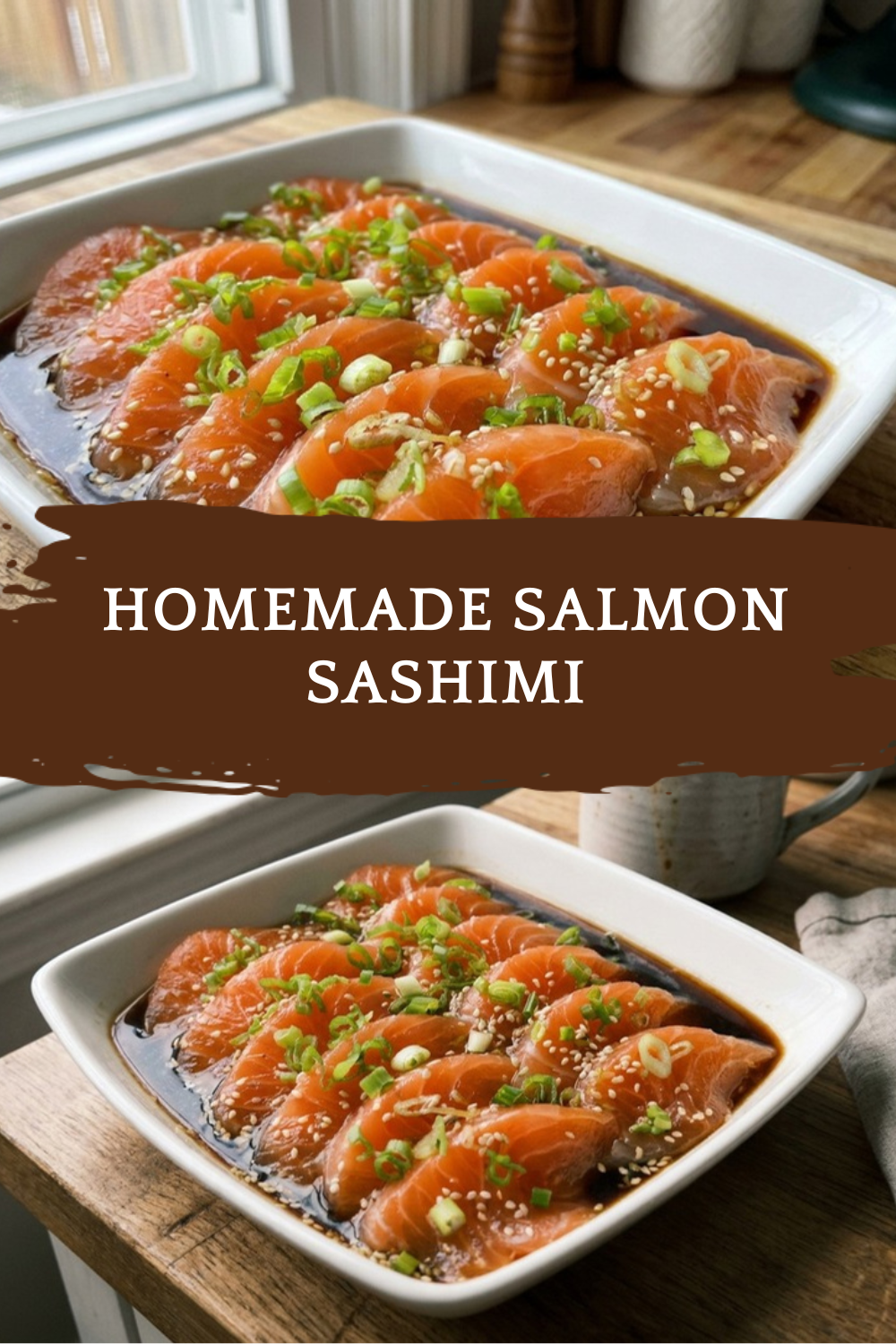
After thawing, pat the salmon dry one more time. Then slice it cleanly with a sharp knife and serve it right away. For best results, cut against the grain into thin, even slices. Smooth cuts give Homemade Salmon Sashimi that tidy, restaurant-style look people love.
You can serve it plain or pair it with sushi rice, wasabi, soy sauce, lemon, cucumbers, or avocado. If you want a richer touch, add the optional yuzu aioli made with olive oil on the side. A small drizzle goes a long way.
Step 6: Use every part wisely
If you have leftover salmon skin, do not toss it right away. Fry the skin in oil for 5 to 7 minutes until crispy. It turns into a crunchy bonus snack that works well with a little salt or a squeeze of lemon.
This extra step is simple, reduces waste, and gives you another texture to enjoy alongside the sashimi. It is a practical habit that home cooks often appreciate.

Dietary Substitutions to Customize Your Homemade Salmon Sashimi
Protein and main component alternatives
Because this recipe is built around raw salmon, the biggest substitution is really about the whole dish style. If you do not want to serve salmon raw, you can use the same plate format with lightly seared salmon instead. That gives you a similar feel with a cooked finish.
If you are cooking for someone who does not eat fish, a sashimi-style bowl with tofu, avocado, cucumber, and rice can create a fresh look without the seafood. You can also serve the salmon with extra vegetables so the fish portion stays smaller.
Vegetable, sauce, and seasoning modifications
Swap or add toppings based on what you have on hand. Cucumbers and avocado work beautifully, but thin radish slices, scallions, or sesame seeds can also fit the plate. For sauce, yuzu aioli made with olive oil adds a citrusy creamy note, while soy sauce and lemon keep things simple.
If you need a gluten-free version, choose tamari instead of regular soy sauce. If you want a lighter plate, keep the sauce on the side and lean on lemon juice and fresh cucumber slices for flavor.
Mastering Homemade Salmon Sashimi: Advanced Tips and Variations
Pro cooking techniques
One of the best tips is to buy from a fish market rather than a large chain store when you can. Local markets often have better turnover and more direct answers about where the salmon came from. That can make a big difference when you are serving fish raw.
Another useful habit is to inspect the fish before you freeze it. It should smell clean, look moist but not slimy, and feel firm. If salmon is already frozen, you can still make Homemade Salmon Sashimi, but clean it carefully before salting.
Flavor variations
Keep the base recipe simple, then change the plate around it. A few ideas include lemon with avocado, soy sauce with cucumbers, or sushi rice with a small spoonful of yuzu aioli. Each one gives the sashimi a different mood without hiding the salmon flavor.
You can also serve the fish on chilled plates for a cleaner presentation. A few fresh herbs, if you like them, can add color without crowding the dish.
Presentation tips
Arrange the slices in a gentle fan or line them up neatly on the plate. Place cucumber ribbons or avocado slices to the side so the salmon stays the star. If you are serving guests, keep the sauces in small bowls rather than pouring them over the fish.
That little detail helps the dish stay neat and makes it easier for everyone to season their own plate. It also keeps the salmon texture bright and fresh-looking.
Make-ahead options
Homemade Salmon Sashimi is a great make-ahead recipe because the long freeze time does most of the work. You can prepare the salmon days in advance, then thaw it overnight before serving. That makes it easier for holiday meals, date nights, or busy weeks.
If you are planning a full menu, pair it with something light and sweet later in the meal, such as strawberry shortcake trifles for dessert.
How to Store Homemade Salmon Sashimi: Best Practices
Proper storage matters a lot with raw fish. Keep Homemade Salmon Sashimi cold from the start, and only slice what you plan to eat soon.
Refrigeration
After thawing in the refrigerator overnight, serve the salmon as soon as you can. If you have leftovers, place them in a covered container and keep them chilled. Raw salmon does not hold well for long once it has been thawed and sliced.
Freezing
For long-term storage, keep the salmon frozen in a freezer bag, preferably vacuum-sealed or double-bagged. The recipe notes call for at least 7 days at minus 4 degrees Fahrenheit or minus 20 degrees Celsius to kill parasites. If you are starting with already frozen salmon, freezing again for 7 to 10 days is also a smart safety habit.
Meal prep considerations
Plan ahead so you can thaw overnight before serving. Do not leave the salmon on the counter to speed things up. For meal prep, freeze the fish in a flat shape so it thaws more evenly and fits neatly in the fridge.
With raw fish, cold handling is the whole game. Keep it chilled, thaw it slowly, and serve it fresh.
FAQs: Frequently Asked Questions About Homemade Salmon Sashimi
Print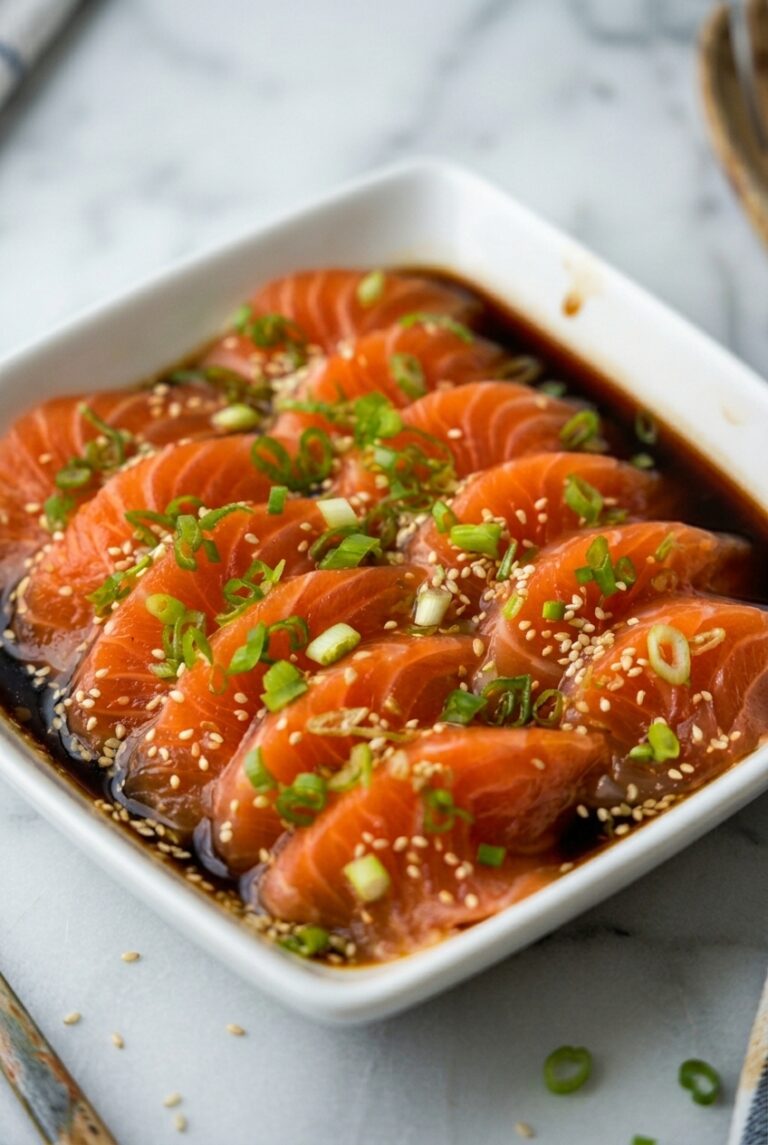
Homemade Salmon Sashimi
🍣 Indulge in silky, fresh homemade salmon sashimi rich in omega-3s for heart health and a protein boost!
🐟 Safe, easy at-home preparation with parasite-killing freeze – perfect sushi experience without leaving home!
- Total Time: 7 days 10 minutes
- Yield: 4 servings
Ingredients
– 1 pound fresh farmed salmon
– 1 teaspoon salt
– Optional yuzu aioli made with olive oil
Instructions
1-Step 1: Buy the right salmon Start by getting fresh salmon from a local market instead of a grocery store chain when possible. A fish market often gives you better chances to ask questions about the fish’s origin, living conditions, and handling. For raw preparations like Homemade Salmon Sashimi, that background matters. Look for fresh farmed salmon from a reputable source because that usually carries a lower pesticide risk than some other options. If the fish is already frozen, that is fine too. You can still use it, but clean it carefully before moving on.
2-Step 2: Pat dry and salt the fish Place the salmon on a clean plate or cutting board and pat it dry with a paper towel. Sprinkle 1 teaspoon salt per pound over the fish, then let it sit for 20 minutes. This short rest helps draw out a little moisture and improves the texture later. After the wait, rinse the salmon under running water to remove the salt. Pat it dry again so the surface is clean and ready for storage. This step may feel small, but it helps the final sashimi look and taste better.
3-Step 3: Pack and freeze for safety Place the salmon in a freezer bag for storage. If possible, use a vacuum-sealed bag or double-bag it to help keep air out and reduce freezer burn. This is one of the best ways to protect the fish while it freezes. Freeze the salmon for at least 7 days at minus 4 degrees Fahrenheit or minus 20 degrees Celsius to help kill parasites. Some home cooks freeze it longer, and your notes mention a range of 7 days to 1 month freezing time. The important part is not to rush this stage. For safe raw salmon, the freezing period is the key step.
4-Step 4: Thaw it the right way When you are ready to eat, move the frozen salmon to the refrigerator and let it defrost overnight. Slow thawing keeps the texture better than leaving it on the counter. It also helps the fish stay cold while it softens. Do not skip the refrigerator thaw. Raw salmon should stay chilled from start to finish. If you are making this for guests, plan one day ahead so you do not have to rush the thawing process.
5-Step 5: Slice and serve After thawing, pat the salmon dry one more time. Then slice it cleanly with a sharp knife and serve it right away. For best results, cut against the grain into thin, even slices. Smooth cuts give Homemade Salmon Sashimi that tidy, restaurant-style look people love. You can serve it plain or pair it with sushi rice, wasabi, soy sauce, lemon, cucumbers, or avocado. If you want a richer touch, add the optional yuzu aioli made with olive oil on the side. A small drizzle goes a long way.
6-Step 6: Use every part wisely If you have leftover salmon skin, do not toss it right away. Fry the skin in oil for 5 to 7 minutes until crispy. It turns into a crunchy bonus snack that works well with a little salt or a squeeze of lemon. This extra step is simple, reduces waste, and gives you another texture to enjoy alongside the sashimi. It is a practical habit that home cooks often appreciate.
Last Step:
Please leave a rating and comment letting us know how you liked this recipe! This helps our business to thrive and continue providing free, high-quality recipes for you.Notes
🛒 Buy farmed salmon from a trusted local market for safety and quality.
❄️ Freeze for a full 7-10 days at -4°F to ensure parasites are eliminated.
🔪 Use a sharp knife and slice chilled salmon for the cleanest, thinnest cuts.
- Prep Time: 10 minutes
- Freezing Time: 7 days
- Category: Appetizer
- Method: No Cook
- Cuisine: Japanese
- Diet: Low Carb, Keto, Gluten Free, High Protein
Nutrition
- Serving Size: 4 ounces salmon
- Calories: 161 kcal
- Sugar: 0g
- Sodium: 631mg
- Fat: 7g
- Saturated Fat: 1g
- Unsaturated Fat: 5g
- Trans Fat: 0g
- Carbohydrates: 0g
- Fiber: 0g
- Protein: 22g
- Cholesterol: 62mg