Why You’ll Love This Baked Cheese Tarts
There’s something magical about the combination of a buttery, flaky crust filled with a creamy, cheese-based custard that has made baked cheese tarts a beloved treat across Asia and increasingly around the world. These delightful pastries offer the perfect balance of textures and flavors that will make your taste buds dance with joy. If you’ve never tried making them at home, you’re in for a special treat that’s surprisingly achievable in your own kitchen.
- Ease of preparation: Despite their bakery appearance, baked cheese tarts are surprisingly simple to make at home. With just a few basic ingredients and straightforward techniques, you can create these impressive pastries in about an hour. The process is forgiving enough for beginners yet yields professional-looking results that will impress your family and friends.
- Health benefits: While these tarts are certainly an indulgence, they do offer some nutritional advantages. The cheese provides a good source of protein and calcium, essential for bone health and muscle function. By making them at home, you can control the quality and quantity of ingredients, potentially reducing the sugar content compared to store-bought versions.
- Versatility: This recipe adapts beautifully to various dietary preferences and seasonal flavors. You can easily modify the basic recipe to accommodate different needs, whether you’re looking to reduce sugar, incorporate different cheeses, or add seasonal fruits. The base recipe is just a starting point for your culinary creativity.
- Distinctive flavor: What sets baked cheese tarts apart is their unique flavor profile that combines the rich tanginess of cream cheese with the sweetness of a classic custard. The result is a sophisticated dessert that’s both comforting and elegant. The contrasting textures of the crisp, buttery crust against the smooth, jiggly filling create an irresistible experience that keeps people coming back for more.
Jump to:
- Why You’ll Love This Baked Cheese Tarts
- Essential Ingredients for Baked Cheese Tarts
- Main Ingredients:
- Special Dietary Options:
- How to Prepare the Perfect Baked Cheese Tarts: Step-by-Step Guide
- Preparing the Crust
- Creating the Cheese Filling
- Assembling and Baking
- Dietary Substitutions to Customize Your Baked Cheese Tarts
- Protein and Main Component Alternatives
- Vegetable, Sauce, and Seasoning Modifications
- Mastering Baked Cheese Tarts: Advanced Tips and Variations
- Pro Cooking Techniques
- Flavor Variations
- Presentation Tips
- Make-Ahead Options
- How to Store Baked Cheese Tarts: Best Practices
- Refrigeration
- Freezing
- Reheating
- Meal Prep Considerations
- FAQs: Frequently Asked Questions About Baked Cheese Tarts
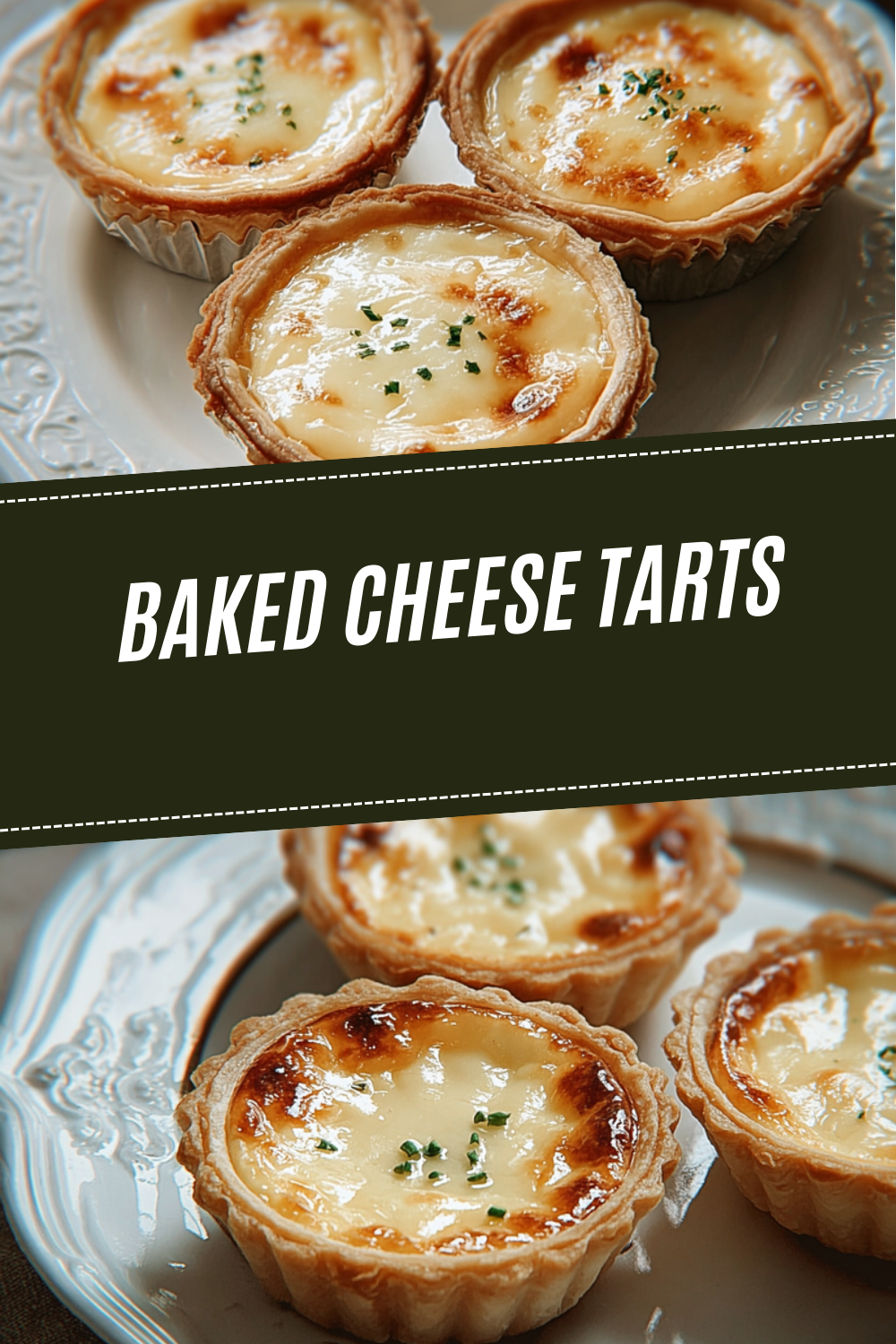
- What is a baked cheese tart?
- How do you make baked cheese tarts at home?
- What’s the difference between baked cheese tarts and egg tarts?
- How many calories are in a baked cheese tart?
- Where can I buy baked cheese tarts near me?
- Baked Cheese Tarts
- Ingredients
- Instructions
- Last Step:
- Notes
- Nutrition
- Did you make this recipe?
Essential Ingredients for Baked Cheese Tarts
Creating the perfect baked cheese tarts requires quality ingredients that work together to create the ideal balance of flavors and textures. Here’s everything you’ll need to make these delightful pastries:
Main Ingredients:
- 200g flour – Forms the base of the tart crust, providing structure and the classic flaky texture we all love.
- 100g cold butter – Creates the flaky layers in the crust when combined with flour and chilled properly.
- 50g sugar – Adds subtle sweetness to balance the savory elements of the crust and filling.
- 1 egg – Serves as the binder for the crust, helping it hold its shape during baking.
- 250g cream cheese – The star ingredient that provides the rich, creamy texture and distinctive cheese flavor of the filling.
- 100g sugar – Sweetens the cheese filling to complement its natural tanginess.
- 2 eggs – Add structure and richness to the filling, creating the smooth custard-like texture.
- 100ml cream – Contributes to the silky smoothness of the cheese filling and adds a luxurious mouthfeel.
- 1 tsp vanilla extract – Enhances the overall flavor profile, adding aromatic notes that complement the cheese perfectly.
Special Dietary Options:
| Dietary Need | Substitutes |
|---|---|
| Vegan | Plant-based butter, vegan cream cheese alternative, flax eggs, coconut cream |
| Gluten-free | 1-to-1 gluten-free flour blend for the crust |
| Low-calorie | Reduced-fat cream cheese, sugar substitute, less butter in crust |
“The secret to exceptional baked cheese tarts lies not in complex techniques, but in the quality of your ingredients and the patience to follow each step carefully. Let the simplicity of the recipe guide you to delicious results.”
How to Prepare the Perfect Baked Cheese Tarts: Step-by-Step Guide
Now that we’ve gathered all our ingredients, let’s walk through the process of creating these delightful treats. This step-by-step guide will help you achieve bakery-quality results in your own kitchen, even if you’re new to baking. Take your time with each step, and don’t worry if your first attempt isn’t perfect practice makes perfect in baking!
Preparing the Crust
First Step: Begin by making the shortcrust pastry, which forms the foundation of your baked cheese tarts. In a mixing bowl, combine the 200g of flour and 50g of sugar. Cut the cold 100g of butter into small cubes and add it to the flour mixture. Using your fingertips or a pastry cutter, work the butter into the flour until the mixture resembles coarse breadcrumbs. This process distributes the butter evenly, which is crucial for creating those flaky layers we love in a good tart crust.
Second Step: Add the 1 egg to your flour and butter mixture. Mix gently until the dough just comes together. Be careful not to overwork the dough, as this can develop gluten and make your crust tough. Once the dough forms a ball, flatten it slightly into a disk, wrap it in plastic wrap, and refrigerate for at least 30 minutes. This resting period allows the gluten to relax and the butter to firm up, both essential for a flaky crust.
Third Step: While the dough chills, prepare your tart molds. Lightly grease a 12-hole mini muffin tin with butter or cooking spray. This will help prevent the tarts from sticking and ensure they release easily after baking. If you don’t have a mini muffin tin, you can use individual tartlet molds or even a regular muffin tin, though the baking time may need adjustment.
Creating the Cheese Filling
Fourth Step: While your dough continues to chill, prepare the luscious cheese filling. Make sure your 250g of cream cheese is at room temperature this is crucial for achieving a smooth, lump-free filling. In a mixing bowl, beat the softened cream cheese with the 100g of sugar until smooth and creamy. This should take about 2-3 minutes with an electric mixer or longer by hand.
Fifth Step: Add the 2 eggs to the cream cheese mixture one at a time, beating well after each addition. This gradual incorporation helps prevent the eggs from curdling and ensures a smooth texture. Next, pour in the 100ml of cream and the 1 teaspoon of vanilla extract. Continue beating until all ingredients are well combined and the mixture is silky smooth. If you notice any small lumps of cream cheese, give it a little extra time to incorporate completely.
Assembling and Baking
Sixth Step: Remove your chilled dough from the refrigerator. On a lightly floured surface, roll out the dough to about 3-4mm thickness. Using a round cutter slightly larger than your muffin tin holes, cut out circles of dough. Gently press each circle into the prepared muffin tin, ensuring the dough comes up the sides and creates a nice cup shape. Try to make the dough as even as possible throughout the tin, so all tarts bake at the same rate.
Seventh Step: Fill each prepared crust with the cheese mixture, about ¾ full. This allows room for the filling to expand during baking without overflowing. Be careful not to overfill, as this can cause the tarts to stick to the pan and become difficult to remove later. If you have any leftover filling, you can save it for a small ramekin-sized tart.
Eighth Step: Preheat your oven to 200°C (400°F). Once preheated, place the muffin tin in the center of the oven and bake for 15-20 minutes. The tarts are done when the filling has puffed up beautifully and developed a golden brown color on top. The center should still have a slight jiggle when gently shaken, as it will continue to cook slightly from residual heat after removal.
Final Step: Remove the tin from the oven and let the tarts cool in the pan for about 5 minutes. This brief resting period allows the filling to set slightly, making it easier to remove the tarts without breaking. Carefully run a small knife around the edges of each tart to loosen them, then gently transfer to a wire rack to cool completely. Serve your baked cheese tarts warm or at room temperature for the best texture and flavor experience.
Planning a special brunch? Consider pairing these delightful tarts with our savory baked Denver omelet for a perfect sweet and savory combination that your guests will love.

Dietary Substitutions to Customize Your Baked Cheese Tarts
One of the wonderful aspects of this baked cheese tart recipe is its adaptability to various dietary needs and preferences. Whether you’re following a specific diet or simply want to experiment with different flavors, there are numerous substitutions you can make while still maintaining the delicious essence of this beloved treat.
Protein and Main Component Alternatives
The rich cheese filling is what gives these tarts their signature flavor and texture, but there are several alternatives you can try depending on your dietary requirements or personal preferences. If you’re looking to reduce the dairy content, you might experiment with a combination of silken tofu blended with a smaller amount of cream cheese. This substitution maintains the creamy texture while reducing overall dairy content. For those who enjoy a stronger cheese flavor, consider replacing half of the cream cheese with goat cheese or even a small amount of sharp cheddar for a more savory twist.
If you’re avoiding dairy entirely, coconut cream blended with cashews can create a surprisingly good alternative to the traditional cream cheese filling. When blended until completely smooth and combined with cornstarch as a thickener, this plant-based option yields a creamy texture that mimics the original surprisingly well. Another non-dairy option involves using pureed silken tofu with lemon juice to recreate the tangy notes of cheese, combined with coconut cream for richness.
For a protein boost without significantly changing the flavor profile, consider adding a tablespoon of Greek yogurt or quark to the filling mixture. This not only increases the protein content but also adds a pleasant tang that complements the cheese beautifully. Just be aware that this may slightly alter the texture, making it slightly denser than the traditional version.
Vegetable, Sauce, and Seasoning Modifications
While traditional baked cheese tarts are primarily sweet, there’s room for creativity by incorporating subtle vegetable elements and seasonings that can elevate the flavor profile without overwhelming the delicate balance. A very common enhancement is the addition of citrus zest lemon, lime, or orange added to the filling, which brightens the overall flavor and cuts through the richness of the cheese. A teaspoon of finely grated lemon zest is particularly effective and adds a sophisticated note that many people find irresistible.
For those who enjoy the traditional Japanese matcha flavor, whisking a teaspoon of high-quality matcha powder into the filling creates a beautiful green hue and adds a subtle earthy flavor that pairs wonderfully with the cream cheese. Similarly, a tablespoon of cocoa powder transforms these into chocolate cheese tarts, while instant coffee or espresso powder adds a delightful mocha variation.
Seasonal fruits can also make wonderful additions. Thinly sliced strawberries, blueberries, or even figs can be arranged on top of the filling before baking for a fruit-forward variation. Just be aware that very juicy fruits may release excess liquid during baking, so you might want to reduce the cream in the filling slightly if incorporating these. Dried fruits like cranberries or chopped apricots can be folded into the filling for bursts of sweetness and chewy texture throughout the tart.
Mastering Baked Cheese Tarts: Advanced Tips and Variations
Once you’ve mastered the basic recipe, there are numerous techniques and creative variations you can explore to take your baked cheese tarts to the next level. These advanced tips will help you refine your skills and create professional-looking and -tasting tarts that will truly impress your friends and family.
Pro Cooking Techniques
One secret to achieving that perfect, glossy finish on your tarts is to brush the crust edges with a beaten egg before baking. This simple step creates a beautiful golden color that contrasts attractively with the pale filling. Additionally, using a water bath while baking can help regulate the temperature and prevent the filling from cracking, though this technique is more commonly used with larger cheesecakes than individual tarts.
Temperature control is crucial for the perfect texture. Using an oven thermometer ensures your oven is actually at the temperature you’ve set, as many ovens run hotter or cooler than their display indicates. Baking at a higher temperature initially (as specified in our recipe) creates the initial rise and browning, then finishing at a slightly lower temperature if needed can help set the center without overcooking the edges.
For those seeking a smoother filling without any graininess, try straining the filling through a fine-mesh sieve before adding it to the tart shells. This removes any small lumps of cream cheese or bits of egg that might have escaped your mixing efforts, resulting in a perfectly silky texture.
Flavor Variations
The basic cheese tart recipe serves as an excellent canvas for a wide range of flavor combinations. For a sophisticated adult version, try adding a splash of liqueur such as Grand Marnier, Kahlúa, or amaretto to the filling. These alcohol-based additions add complex flavor notes while the alcohol evaporates during baking, leaving just the essence of the spirit.
Spices can create wonderful variations. A pinch of cinnamon, nutmeg, or cardamom added to the filling gives it a warm, comforting quality that’s especially appealing during cooler months. For a more exotic twist, try a blend of five-spice powder or a small amount of saffron, which will impart beautiful color and a unique floral aroma.
Savory variations are also worth exploring. Reducing the sugar significantly and adding herbs like thyme, rosemary, or basil transforms these tarts into an elegant appetizer. A touch of honey can balance the savory elements, while additions like caramelized onions, sun-dried tomatoes, or even small pieces of roasted vegetables create sophisticated flavor profiles that will surprise and delight your guests.
Presentation Tips
Professional-looking tarts often feature perfectly smooth, domed fillings. To achieve this, after filling the tart shells, gently tap the muffin tin on the counter a few times to release any air bubbles. This simple technique helps eliminate small holes or pockets that can mar the surface of your tarts.
For a decorative touch, consider dusting the cooled tarts with powdered sugar or cocoa powder using a fine sieve. This adds visual appeal and can hint at the flavor variations within. For fruit-topped versions, a light brushing of warmed apricot jam or honey gives the fruit a beautiful shine while adding a touch of extra sweetness.
Serving temperature also affects both taste and presentation. While delicious at room temperature, these tarts are exceptional when slightly warmed, about 10-15 seconds in the microwave or a few minutes in a low-temperature oven. This gentle warming enhances the creaminess of the filling and makes the buttery notes in the crust more pronounced.
Make-Ahead Options
For busy hosts, these tarts offer excellent make-ahead potential. The dough can be prepared up to three days in advance and kept refrigerated, or even frozen for up to a month. The filling can also be made a day ahead and kept refrigerated, though you may need to give it a quick whisk before using to restore its smooth texture.
If you’re planning to serve these tarts at an event, consider partially baking the crust shells (baking blind) for about 10 minutes before adding the filling. This technique helps ensure the bottom of the crust is fully cooked and prevents sogginess, especially important if the tarts need to sit for some time before serving. You can complete the baking with the filling closer to serving time for the freshest taste and texture.
How to Store Baked Cheese Tarts: Best Practices
Proper storage of your baked cheese tarts ensures they maintain their delicious taste and texture for as long as possible. While these treats are undoubtedly best when fresh, understanding the best methods for storage will help you reduce waste and enjoy your baking efforts over several days. Proper storage also helps maintain the nutritional quality of the ingredients, particularly the beneficial components found in quality cheese and eggs.
Refrigeration
Baked cheese tarts should be stored in the refrigerator if not consumed within a few hours of baking. Place them in an airtight container with sheets of parchment paper between layers to prevent sticking. They will maintain optimal quality for up to 3 days when refrigerated properly. Before serving refrigerated tarts, allow them to come to room temperature for about 15-20 minutes, or warm them gently in a low-temperature oven to restore the creamy texture of the filling.
When storing in the refrigerator, be mindful of strong-smelling foods. The butter in the crust can absorb odors from other items in your fridge, so try to keep your tarts away from pungent ingredients like onions or garlic. If you don’t have an airtight container large enough, wrapping the container loosely with plastic wrap can help create a better seal.
Freezing
For longer storage, baked cheese tarts freeze surprisingly well. Allow them to cool completely, then arrange them on a baking sheet in a single layer and freeze until firm. Once individually frozen, transfer them to a freezer-safe container or bag with parchment paper between layers. Properly frozen tarts will maintain their quality for up to 1 month.
To thaw frozen tarts, simply transfer them to the refrigerator and let them thaw overnight. For best results, reheat them in a preheated 160°C (320°F) oven for about 5 minutes before serving. This helps restore the crispness of the crust and returns the filling to its optimal creamy consistency. Avoid microwaving frozen tarts directly, as this can create uneven heating and may cause the filling to become rubbery.
Reheating
The ideal method for reheating refrigerated or thawed tarts is in a conventional or toaster oven preheated to 160°C (320°F) for approximately 5 minutes. This gentle reheating warms the filling through without overcooking it while refreshing the crispness of the crust. If you’re short on time, a 10-15 second burst in the microwave can work, but be aware this may make the crust slightly less crisp.
For the ultimate experience, try reheating your tarts in an air fryer at 150°C (300°F) for just 2-3 minutes. This method recreates that freshly baked texture remarkably well, with a perfectly crispy crust and a warmed, gooey filling that rivals the first day they were made. Just keep a close eye on them, as air fryers can vary significantly in temperature.
Meal Prep Considerations
For efficient meal prep, consider baking a double batch of these tarts. The extra time investment is minimal compared to the convenience of having homemade treats ready for busy days. You can freeze half of the batch immediately after cooling, ensuring you have delicious desserts or snacks available whenever the craving strikes.
Another meal prep strategy is to prepare and freeze the unbaked tart shells. Simply line your muffin tin with dough, freeze until firm, then pop them out and store in freezer bags. When you’re ready to bake, you can fill the frozen shells directly with the prepared filling and bake, adding just a minute or two to the baking time to account for the frozen crust.
If you enjoy making bite-sized treats like these, you might also love our mini muffin pancake bites, perfect for breakfast or snacking on busy mornings.
FAQs: Frequently Asked Questions About Baked Cheese Tarts
What is a baked cheese tart?
How do you make baked cheese tarts at home?
What’s the difference between baked cheese tarts and egg tarts?
How many calories are in a baked cheese tart?
Where can I buy baked cheese tarts near me?
Baked Cheese Tarts
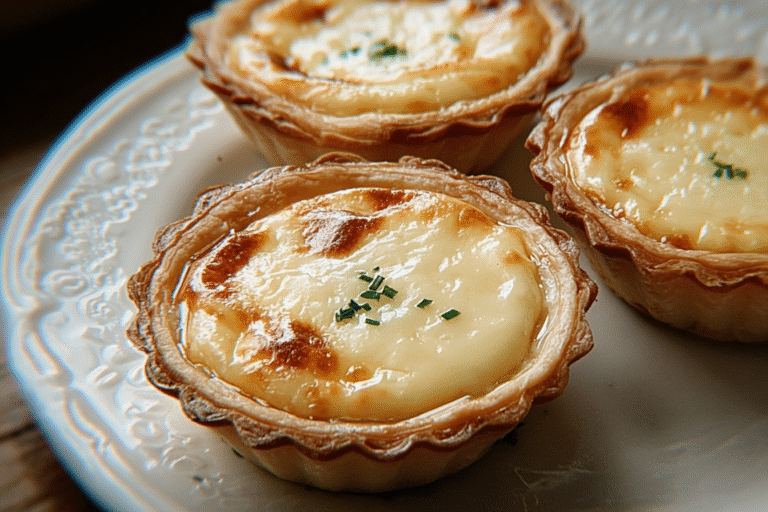
🧀 Signature Hokkaido melt-in-mouth cheesetarts boast velvety cream cheese clouds with subtle tang—bakery-fresh lightness every bite.
🥧 Quick-bake petite indulgences shine at gatherings; rich dairy bliss minus heaviness for tea time or dessert perfection!
- Total Time: 2 hours 35 minutes
- Yield: 12 tarts
Ingredients
– 200g flour
– 100g cold butter
– 50g sugar
– 1 egg
– 250g cream cheese
– 100g sugar
– 2 eggs
– 100ml cream
– 1 tsp vanilla extract
Instructions
1-First Step: Begin by making the shortcrust pastry, which forms the foundation of your baked cheese tarts. In a mixing bowl, combine the 200g of flour and 50g of sugar. Cut the cold 100g of butter into small cubes and add it to the flour mixture. Using your fingertips or a pastry cutter, work the butter into the flour until the mixture resembles coarse breadcrumbs. This process distributes the butter evenly, which is crucial for creating those flaky layers we love in a good tart crust.
2-Second Step: Add the 1 egg to your flour and butter mixture. Mix gently until the dough just comes together. Be careful not to overwork the dough, as this can develop gluten and make your crust tough. Once the dough forms a ball, flatten it slightly into a disk, wrap it in plastic wrap, and refrigerate for at least 30 minutes. This resting period allows the gluten to relax and the butter to firm up, both essential for a flaky crust.
3-Third Step: While the dough chills, prepare your tart molds. Lightly grease a 12-hole mini muffin tin with butter or cooking spray. This will help prevent the tarts from sticking and ensure they release easily after baking. If you don’t have a mini muffin tin, you can use individual tartlet molds or even a regular muffin tin, though the baking time may need adjustment.
4-Fourth Step: While your dough continues to chill, prepare the luscious cheese filling. Make sure your 250g of cream cheese is at room temperature this is crucial for achieving a smooth, lump-free filling. In a mixing bowl, beat the softened cream cheese with the 100g of sugar until smooth and creamy. This should take about 2-3 minutes with an electric mixer or longer by hand.
5-Fifth Step: Add the 2 eggs to the cream cheese mixture one at a time, beating well after each addition. This gradual incorporation helps prevent the eggs from curdling and ensures a smooth texture. Next, pour in the 100ml of cream and the 1 teaspoon of vanilla extract. Continue beating until all ingredients are well combined and the mixture is silky smooth. If you notice any small lumps of cream cheese, give it a little extra time to incorporate completely.
6-Sixth Step: Remove your chilled dough from the refrigerator. On a lightly floured surface, roll out the dough to about 3-4mm thickness. Using a round cutter slightly larger than your muffin tin holes, cut out circles of dough. Gently press each circle into the prepared muffin tin, ensuring the dough comes up the sides and creates a nice cup shape. Try to make the dough as even as possible throughout the tin, so all tarts bake at the same rate.
7-Seventh Step: Fill each prepared crust with the cheese mixture, about ¾ full. This allows room for the filling to expand during baking without overflowing. Be careful not to overfill, as this can cause the tarts to stick to the pan and become difficult to remove later. If you have any leftover filling, you can save it for a small ramekin-sized tart.
8-Eighth Step: Preheat your oven to 200°C (400°F). Once preheated, place the muffin tin in the center of the oven and bake for 15-20 minutes. The tarts are done when the filling has puffed up beautifully and developed a golden brown color on top. The center should still have a slight jiggle when gently shaken, as it will continue to cook slightly from residual heat after removal.
9-Final Step: Remove the tin from the oven and let the tarts cool in the pan for about 5 minutes. This brief resting period allows the filling to set slightly, making it easier to remove the tarts without breaking. Carefully run a small knife around the edges of each tart to loosen them, then gently transfer to a wire rack to cool completely. Serve your baked cheese tarts warm or at room temperature for the best texture and flavor experience.
Last Step:
Please leave a rating and comment letting us know how you liked this recipe! This helps our business to thrive and continue providing free, high-quality recipes for you.Notes
🧀 Soften cream cheese fully for silky batter—no lumps.
🔥 Low slow bake + oven cool prevents cracks/sinking.
🍋 Fresh lemon brightens flavor; sub lime for twist.
- Prep Time: 20 minutes
- Chill Time: 2 hours
- Cook Time: 15 minutes
- Category: Dessert
- Method: Baking
- Cuisine: Japanese
- Diet: Vegetarian
Nutrition
- Serving Size: 1 tart
- Calories: 220 kcal
- Sugar: 10g
- Sodium: 160mg
- Fat: 16g
- Saturated Fat: 9g
- Unsaturated Fat: 6g
- Trans Fat: 0g
- Carbohydrates: 17g
- Fiber: 0g
- Protein: 4g
- Cholesterol: 60mg