Why You’ll Love This Ancho Jalapeno Hot Sauce
This ancho jalapeno hot sauce brings a burst of bold, spicy flavors that can transform any meal into something special. Imagine the smoky heat from ancho chili powder paired with the fresh kick of jalapeno peppers, making it a versatile choice for home cooks looking to add excitement to their dishes. Not only is it easy to prepare, but it also packs health benefits and fits into various diets, making it a go-to condiment for busy parents and food enthusiasts alike.
For starters, whipping up this recipe is straightforward and quick, which is perfect for anyone with a packed schedule. You’ll appreciate how simple the steps are, allowing cooks of all levels to create something delicious without spending hours in the kitchen. Plus, the combination of ingredients offers a unique taste that sets it apart from store-bought options.
One of the best parts is the health boost you get from this sauce. Packed with antioxidants from fresh jalapenos and carrots, it supports your metabolism and immune health through vitamins A and C. Each serving has about 5 calories, 1 gram of carbohydrates, 61 mg sodium, 42 mg potassium, 615 IU vitamin A, 13.7 mg vitamin C, 5 mg calcium, and 0.1 mg iron, making it a smart choice for diet-conscious individuals and those watching their intake.
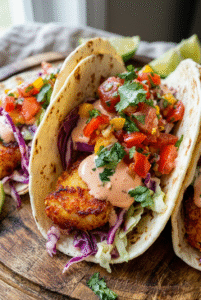
Beyond that, the sauce’s adaptability shines through, as it’s vegan, gluten-free, and low-calorie. It works wonders on tacos, eggs, grilled meats, or as a dip, enhancing flavors without messing with dietary needs. Whether you’re a student needing quick meal ideas or a senior enjoying light snacks, this sauce adds that extra zing effortlessly.
Key Benefits at a Glance
- Ease of preparation: This recipe requires minimal ingredients and about 20 minutes of cooking time after fermentation, making it accessible for all skill levels.
- Health benefits: Rich in vitamins and low in calories, it promotes wellness with natural ingredients that avoid added sugars.
- Versatility: Adapt it to fit vegan, gluten-free, or low-calorie diets while using it in countless ways to enhance meals.
- Distinctive flavor: The smoky depth from ancho chili powder and sharp heat from jalapenos create a balanced, memorable taste.
For more on the health perks of jalapenos, check out this guide to jalapeno benefits. If you’re exploring flavorful additions to your recipes, you might also try ideas from our banana oat chocolate chip cookies for a sweet twist.
Jump to:
- Why You’ll Love This Ancho Jalapeno Hot Sauce
- Key Benefits at a Glance
- Essential Ingredients for Ancho Jalapeno Hot Sauce
- Main Ingredients List
- How to Prepare the Perfect Ancho Jalapeno Hot Sauce: Step-by-Step Guide
- Fermentation Process
- Finishing Touches
- Dietary Substitutions to Customize Your Ancho Jalapeno Hot Sauce
- Mastering Ancho Jalapeno Hot Sauce: Advanced Tips and Variations
- How to Store Ancho Jalapeno Hot Sauce: Best Practices
- FAQs: Frequently Asked Questions About Ancho Jalapeno Hot Sauce
- What ingredients are needed to make Ancho Jalapeno Hot Sauce?
- How long should I ferment the peppers for the best Ancho Jalapeno Hot Sauce flavor?
- Can I make Ancho Jalapeno Hot Sauce without fermenting the peppers?
- How do I tell if my Ancho Jalapeno hot sauce fermentation is successful?
- What is the best way to store homemade Ancho Jalapeno Hot Sauce?
- Ancho Jalapeno Hot Sauce
- Ingredients
- Instructions
- Last Step:
- Notes
- Nutrition
- Did you make this recipe?
Essential Ingredients for Ancho Jalapeno Hot Sauce
Gathering the right ingredients is key to making a great ancho jalapeno hot sauce that packs bold flavors. This recipe focuses on fresh, simple items that deliver both heat and depth. Below is a complete list of everything you’ll need, based on a reliable fermented approach that enhances taste and nutrition.
Remember, using precise measurements ensures your sauce turns out just right every time. Let’s break it down into a clear, structured list for easy shopping and preparation.
Main Ingredients List
- 1 pound chopped jalapeno peppers – for the primary heat and vibrant flavor
- 4 ounces peeled and chopped carrots – to add natural sweetness and balance the spice
- 5 cloves chopped garlic – to provide savory depth and aroma
- 1/4 cup apple cider vinegar – for acidity that preserves and brightens the sauce
- 1 tablespoon Mexican oregano – to infuse earthy, herbal notes
- 1 teaspoon ancho chili powder – for that signature smoky warmth
- 1 teaspoon salt – to enhance overall taste and aid in fermentation
- 1/2 teaspoon cumin – for a subtle, grounding spice
These ingredients make the sauce vegan and gluten-free by nature, fitting for health-minded folks like busy parents or working professionals. You can also tweak quantities for low-calorie needs, as the recipe keeps things light.
How to Prepare the Perfect Ancho Jalapeno Hot Sauce: Step-by-Step Guide
Creating this ancho jalapeno hot sauce at home is a fun and rewarding process that starts with simple prep and leads to a flavorful result. Whether you’re fermenting for that tangy twist or going the quick route, the steps are straightforward and designed for everyday cooks. Let’s dive into the details, incorporating the fermentation method for the best depth of flavor.
First, roughly chop the jalapeno peppers, carrots, and garlic, then pack them into a large jar, leaving at least 1 inch of headspace to allow for expansion. Mix 1 quart of unchlorinated water with 3 tablespoons of sea salt to make a brine, and pour it over the mixture, pressing down to keep everything submerged. This step is crucial for successful fermentation.
Fermentation Process
Seal the jar and ferment it away from direct sunlight at 55-75°F for a minimum of 1 week. Burp the jar daily or use an airlock to release gases, and continue for 1-2 weeks or longer until the brine turns cloudy and acidic. During this time, keep the solids submerged with weights to prevent spoilage and ensure even fermentation.
After fermentation, pour the contents and brine into a pot, add the remaining ingredients like apple cider vinegar, Mexican oregano, ancho chili powder, salt, and cumin. Bring it to a quick boil, then reduce the heat and simmer for 15 minutes to blend the flavors. Once cooled, process the mixture until smooth in a blender or food processor.
Finishing Touches
Store the sauce in sterilized jars, refrigerate it, and let it rest for at least a week to deepen the taste. For a non-fermented variation, skip the fermentation and simply process all ingredients with the vinegar and 1/2 to 1 cup water in a pot, then boil and simmer for 15 minutes before cooling and processing. Straining is optional if you prefer a thinner consistency.
This method not only builds flavor but also makes the sauce last for many months when refrigerated. It’s perfect for food enthusiasts who love customizing their meals with a spicy kick.

Dietary Substitutions to Customize Your Ancho Jalapeno Hot Sauce
Making this ancho jalapeno hot sauce your own is easy with a few smart swaps, especially if you have specific dietary preferences. These changes keep the sauce’s bold spirit while adapting to what’s on hand or what suits your needs. For instance, if you’re aiming for a milder version, try different peppers to tone down the heat.
- Substitute ancho chili powder with guajillo chili for a fruitier twist that still adds smokiness.
- Use banana peppers instead of jalapenos to reduce spiciness, ideal for families with kids or seniors.
- Swap apple cider vinegar with white vinegar for a sharper acid note, or go with lime juice for a fresher vibe.
- Add extra cumin or smoked paprika to experiment with new flavors, making it versatile for various dishes.
These options help travelers and newlyweds mix things up based on available ingredients, while keeping it suitable for vegan and gluten-free diets.
Mastering Ancho Jalapeno Hot Sauce: Advanced Tips and Variations
Taking your ancho jalapeno hot sauce to the next level involves some pro techniques and creative twists that can make it even more exciting. Lightly toasting the dried ingredients before mixing enhances their aroma, while a high-powered blender ensures a silky texture. Don’t forget to play with flavors by adding roasted tomatoes for sweetness or caramelized onions for depth.
| Tips for Success | Variations |
|---|---|
| Keep solids submerged during fermentation to avoid spoilage. | Incorporate chipotle for a smokier profile. |
| Adjust acidity with vinegar to maintain a pH of 3.0-3.5 for safe storage. | Strain for a smoother texture if you prefer less chunkiness. |
| Sanitize jars properly, but fresh produce doesn’t need harsh treatment. | Use it as a dip or drizzle over tacos and grilled meats. |
For more baking inspiration that pairs well with spicy elements, check out our strawberry shortcake trifles recipe. The sauce keeps well for months in the fridge, especially fermented batches, giving you plenty of time to enjoy it in different ways.
How to Store Ancho Jalapeno Hot Sauce: Best Practices
Proper storage is essential to keep your ancho jalapeno hot sauce fresh and full of flavor for as long as possible. Start by placing it in a tightly sealed glass container in the refrigerator, where it can last up to 3 weeks or longer for fermented versions. Always use clean, dry bottles to prevent any contamination.
If you’re making a big batch, freezing is a great option; pour it into ice cube trays or freezer-safe containers and thaw as needed. When reheating, do it gently on the stove or in the microwave to maintain that perfect consistency. For meal prep, portion it out and label with dates to keep things organized and tasty.
FAQs: Frequently Asked Questions About Ancho Jalapeno Hot Sauce
What ingredients are needed to make Ancho Jalapeno Hot Sauce?
How long should I ferment the peppers for the best Ancho Jalapeno Hot Sauce flavor?
Can I make Ancho Jalapeno Hot Sauce without fermenting the peppers?
How do I tell if my Ancho Jalapeno hot sauce fermentation is successful?
What is the best way to store homemade Ancho Jalapeno Hot Sauce?
Ancho Jalapeno Hot Sauce
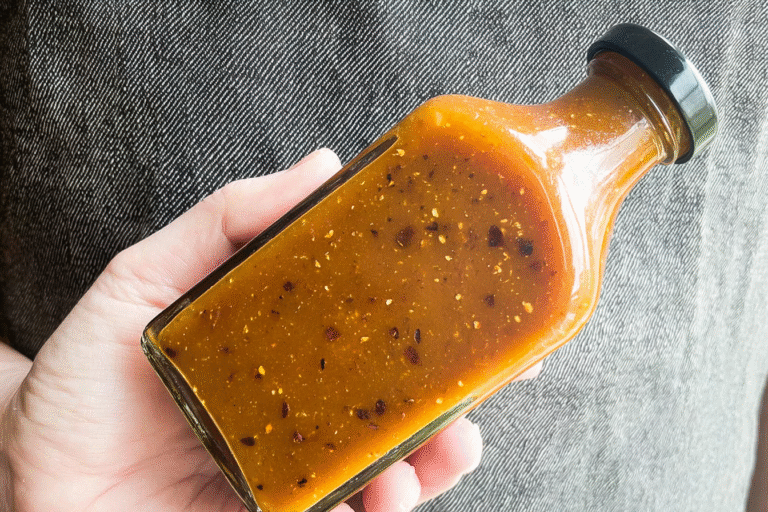
🌶️ This Ancho Jalapeno Hot Sauce recipe delivers bold, spicy flavors with a rich depth from fermentation or a quick stovetop version.
🔥 Perfect for enhancing tacos, eggs, grilled meats, or as a flavorful dip that brings versatile heat and complexity to your meals.
- Total Time: 7-14 days plus 25 minutes
- Yield: About 3 cups
Ingredients
– 1 pound chopped jalapeno peppers for the primary heat and vibrant flavor
– 4 ounces peeled and chopped carrots to add natural sweetness and balance the spice
– 5 cloves chopped garlic to provide savory depth and aroma
– 1/4 cup apple cider vinegar for acidity that preserves and brightens the sauce
– 1 tablespoon Mexican oregano to infuse earthy, herbal notes
– 1 teaspoon ancho chili powder for that signature smoky warmth
– 1 teaspoon salt to enhance overall taste and aid in fermentation
– 1/2 teaspoon cumin for a subtle, grounding spice
Instructions
1-First, roughly chop the jalapeno peppers, carrots, and garlic, then pack them into a large jar, leaving at least 1 inch of headspace to allow for expansion. Mix 1 quart of unchlorinated water with 3 tablespoons of sea salt to make a brine, and pour it over the mixture, pressing down to keep everything submerged. This step is crucial for successful fermentation.
2-Fermentation Process: Seal the jar and ferment it away from direct sunlight at 55-75°F for a minimum of 1 week. Burp the jar daily or use an airlock to release gases, and continue for 1-2 weeks or longer until the brine turns cloudy and acidic. During this time, keep the solids submerged with weights to prevent spoilage and ensure even fermentation.
3-After fermentation, pour the contents and brine into a pot, add the remaining ingredients like apple cider vinegar, Mexican oregano, ancho chili powder, salt, and cumin. Bring it to a quick boil, then reduce the heat and simmer for 15 minutes to blend the flavors. Once cooled, process the mixture until smooth in a blender or food processor.
4-Finishing Touches: Store the sauce in sterilized jars, refrigerate it, and let it rest for at least a week to deepen the taste. For a non-fermented variation, skip the fermentation and simply process all ingredients with the vinegar and 1/2 to 1 cup water in a pot, then boil and simmer for 15 minutes before cooling and processing. Straining is optional if you prefer a thinner consistency.
Last Step:
Please leave a rating and comment letting us know how you liked this recipe! This helps our business to thrive and continue providing free, high-quality recipes for you.Notes
🧂 Keep solids fully submerged during fermentation using weights to prevent spoilage.
🍋 Adjust acidity with vinegar to maintain pH between 3.0 and 3.5 for safe preservation.
🧼 Sanitize jars well, but harsh sterilization of fresh produce is not necessary.
🌶️ Experiment with additional spices or strain the sauce for customized flavor and texture.
❄️ Store refrigerated; fermented batches keep longer and develop deeper flavors.
- Prep Time: 10 minutes
- Fermentation Time: 7-14 days
- Cook Time: 15 minutes
- Category: Condiment
- Method: Fermentation and simmering
- Cuisine: Mexican-inspired
- Diet: Gluten-Free, Vegan
Nutrition
- Serving Size: 1 tablespoon
- Calories: 5
- Sugar: 1g
- Sodium: 61mg
- Fat: 0g
- Saturated Fat: 0g
- Unsaturated Fat: 0g
- Trans Fat: 0g
- Carbohydrates: 1g
- Fiber: 0.3g
- Protein: 0.1g
- Cholesterol: 0mg