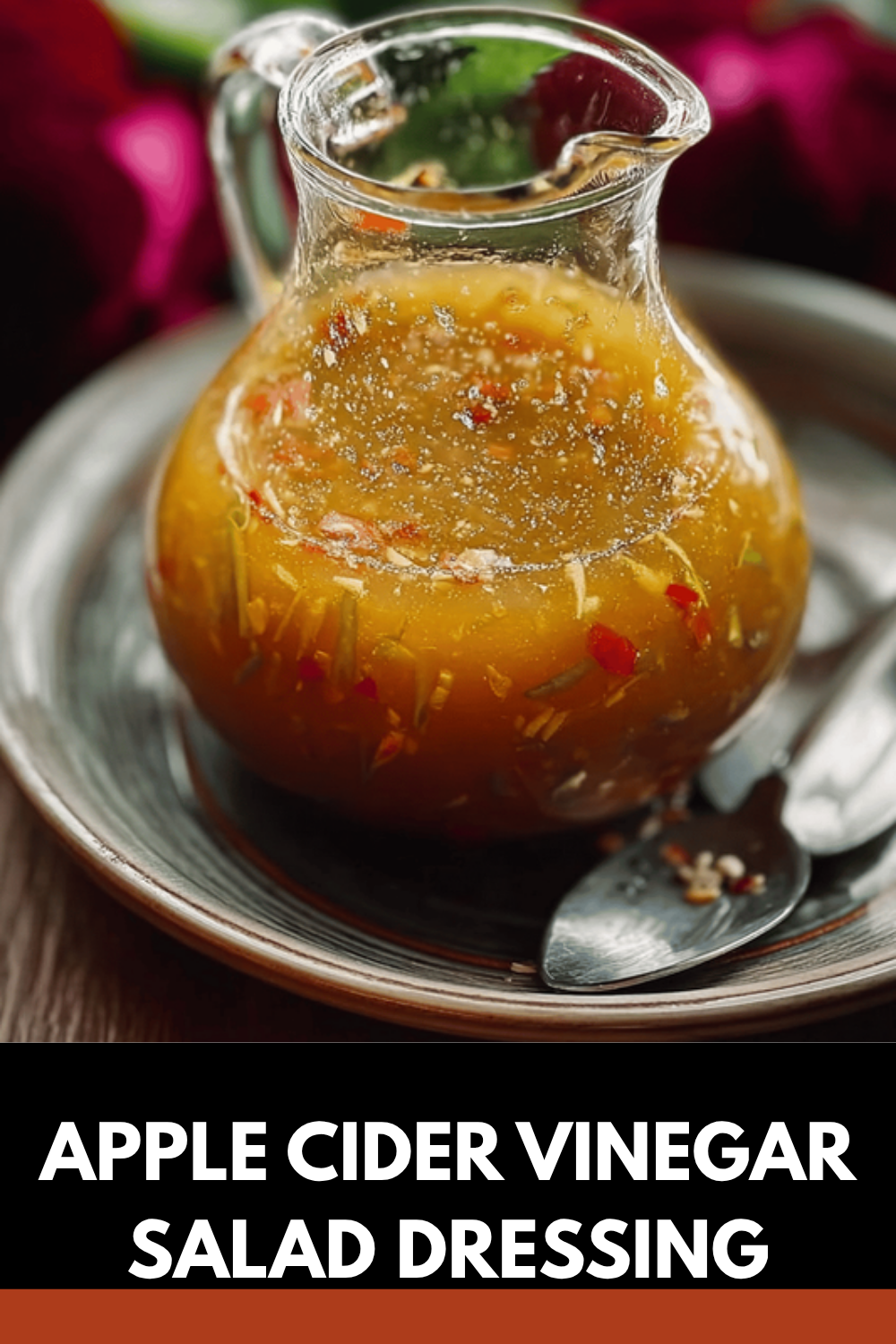
Why You’ll Love This Apple Cider Vinegar Salad Dressing
Imagine whipping up a dressing that’s quick, tasty, and full of good-for-you ingredients. This apple cider vinegar salad dressing fits right into busy schedules, taking just a few minutes to prepare but packing a punch of flavor that makes everyday salads feel special. You’ll appreciate how it brings a tangy twist to fresh greens, making meals more enjoyable for home cooks and busy parents alike.
For those seeking healthier options, apple cider vinegar salad dressing offers benefits like aiding digestion and supporting weight management. It’s adaptable to different diets, including vegan and gluten-free ones, so it’s perfect for a wide range of people from students to seniors. Once you try it, the unique blend of tart and sweet notes will become a staple in your kitchen, enhancing not just salads but other dishes too.
Beyond its ease and health perks, this dressing’s flexibility lets you tweak it to suit your tastes or dietary needs. Whether you’re a food enthusiast experimenting with new flavors or a working professional looking for simple meal ideas, it’s a go-to choice. Pair it with fall favorites like cranberries and apples for a seasonal treat, and you’ll see why it’s so popular among our community at sites with easy seafood recipes.
Health and Flavor Highlights
Dive deeper into the health benefits of apple cider vinegar, which makes this dressing a smart pick for diet-conscious folks. With about 839 calories per serving, including 24 grams of fat and 78 grams of carbohydrates, it’s a balanced option that delivers nutrients without overwhelming your daily intake. Plus, the 2 grams of fiber and high levels of natural sugars from ingredients like honey keep things wholesome and satisfying.
This dressing isn’t just nutritious; it’s versatile for all occasions. Use it on salads or drizzle it over roasted veggies, and you’ll notice how it elevates simple meals into something memorable. Whether you’re hosting a family dinner or packing a quick lunch, its tangy profile adds that extra spark.
Jump to:
- Why You’ll Love This Apple Cider Vinegar Salad Dressing
- Health and Flavor Highlights
- Essential Ingredients for Apple Cider Vinegar Salad Dressing
- Dietary Options to Consider
- How to Prepare the Perfect Apple Cider Vinegar Salad Dressing: Step-by-Step Guide
- Gathering Your Ingredients
- Mixing the Dressing
- Storage and Serving Tips
- Dietary Substitutions to Customize Your Apple Cider Vinegar Salad Dressing
- Protein and Texture Options
- Flavor Enhancements
- Mastering Apple Cider Vinegar Salad Dressing: Advanced Tips and Variations
- Flavor and Presentation Ideas
- How to Store Apple Cider Vinegar Salad Dressing: Best Practices
- FAQs: Frequently Asked Questions About Apple Cider Vinegar Salad Dressing
- How long can I keep apple cider vinegar salad dressing in the fridge?
- Should I refrigerate apple cider vinegar salad dressing or keep it on the counter?
- What is the typical ratio of apple cider vinegar to olive oil in salad dressing?
- Why does my apple cider vinegar dressing sometimes look cloudy or separate? Is it safe to use?
- Can I add other ingredients to apple cider vinegar salad dressing to change the flavor?
- Apple Cider Vinegar Salad Dressing
- Ingredients
- Instructions
- Last Step:
- Notes
- Nutrition
- Did you make this recipe?
Essential Ingredients for Apple Cider Vinegar Salad Dressing
Creating the perfect apple cider vinegar salad dressing starts with gathering the right ingredients, and you’ll be surprised at how straightforward they are. Each one plays a key role in building that fresh, tangy flavor that makes salads pop. Let’s break down what you need to get started, keeping things simple for beginners.
Here’s a complete, structured list of all the ingredients required. Remember, using precise measurements ensures your dressing turns out just right every time:
- ¼ cup apple cider vinegar
- 1 teaspoon maple syrup or honey
- 1 clove garlic, grated
- ¼ teaspoon Dijon mustard
- ¼ teaspoon salt
- Several grinds of black pepper
- ¼ cup extra-virgin olive oil
This list covers everything mentioned, making it easy to follow along. For special dietary tweaks, like going vegan, simply swap honey for maple syrup. The ingredients are naturally gluten-free, which is great for those with sensitivities, and you can adjust portions for a lower-calorie version by cutting back on the oil.
Dietary Options to Consider
If you’re watching your calories, try using less olive oil for a lighter mix. Extra-virgin olive oil adds healthy fats, while Dijon mustard helps emulsify everything smoothly. Apple cider vinegar brings that signature tang, and a touch of sweetness from maple syrup or honey balances it out perfectly.
| Ingredient | Role in Dressing |
|---|---|
| Apple cider vinegar (¼ cup) | Provides tang and health benefits like better digestion |
| Extra-virgin olive oil (¼ cup) | Adds smoothness and healthy fats |
| Dijon mustard (¼ teaspoon) | Helps blend flavors and create a creamy texture |
This setup makes it simple to see how each part contributes, helping you customize as needed.
How to Prepare the Perfect Apple Cider Vinegar Salad Dressing: Step-by-Step Guide
Getting started with apple cider vinegar salad dressing is as easy as pulling together a few items from your kitchen. The total preparation time is just 5 minutes, making it ideal for quick meals or last-minute additions to your plate. Follow these steps to mix up a batch that tastes fresh and tangy every time.
Gathering Your Ingredients
First, measure out all the ingredients to ensure your dressing has the right balance. This step sets the stage for a smooth process, avoiding any rush later on. Once everything is ready, you’re set for success with this apple cider vinegar salad dressing recipe.
Mixing the Dressing
In a small bowl, combine the apple cider vinegar, maple syrup or honey, grated garlic, Dijon mustard, salt, and black pepper. Slowly drizzle in the extra-virgin olive oil while whisking to fully emulsify the mixture. For a hands-off approach, put all ingredients into a jar with a tight lid and shake well until blended.
Once mixed, give it a taste and adjust seasonings if needed. This apple cider vinegar salad dressing comes together quickly, perfect for busy parents or students. Drizzle it over your favorite greens right away, or store it for later use.
Storage and Serving Tips
After preparing, the dressing keeps well for a week in the fridge, as per the tips we’ve gathered. If the oil solidifies, just bring it to room temperature and shake it up again. It’s versatile too, pairing great with fall flavors like cranberries and apples, or even over roasted vegetables and grain bowls.
To make it suit various diets, swap honey for maple syrup if you’re vegan. This recipe’s adaptability means you can reduce oil for a lighter option, aligning with low-calorie needs. For related ideas, check out simple seafood recipes that use similar fresh techniques.
Nutritional details show about 839 calories per serving, with 24 grams of fat, 78 grams of carbohydrates, 2 grams of fiber, 76 grams of sugar, and 3,987 mg of sodium, so it’s a hearty choice. Experimenting with ratios, like equal parts vinegar to oil, keeps the tang front and center, but you can adjust to 1:3 for a milder taste.

Dietary Substitutions to Customize Your Apple Cider Vinegar Salad Dressing
Tailoring apple cider vinegar salad dressing to your preferences is fun and straightforward, allowing everyone from newlyweds to baking enthusiasts to make it their own. Start by swapping out ingredients for dietary reasons, like using tahini instead of olive oil for a creamier, vegan-friendly version. These changes keep the tangy core intact while fitting various needs.
Protein and Texture Options
For a richer texture, try mashed avocado in place of olive oil, which works well for fat-sensitive diets. If you’re avoiding vinegar’s acidity, lemon juice is a great stand-in that adds a bright note without overpowering. These swaps help maintain the dressing’s appeal for all types of eaters.
Flavor Enhancements
Add fresh herbs like basil for an extra burst, or toss in smoked paprika for some heat, making your apple cider vinegar salad dressing more exciting. For low-sodium versions, skip the added salt and lean on herbs for that flavor boost. It’s all about making the dressing work for you, whether you’re a traveler packing light or a working professional prepping ahead.
Mastering Apple Cider Vinegar Salad Dressing: Advanced Tips and Variations
Taking your apple cider vinegar salad dressing to the next level involves some pro techniques that make it even better. Use a blender for a creamier texture, ensuring everything emulsifies perfectly for a silky finish. This method is ideal if you’re experimenting with flavors, like adding agave for a different sweetness or infused vinegars for a unique twist.
Flavor and Presentation Ideas
Try new variations by incorporating herbs or spices to customize the taste. For instance, a whole garlic clove in the jar can infuse deeper flavors over time, especially for batches meant to last several days. When serving, drizzle it artfully over salads and top with fresh herbs for a visually appealing dish that impresses at any meal.
Make-ahead options are a game-changer; prepare larger amounts and store them in glass bottles to let flavors develop. This dressing pairs well with seasonal ingredients, enhancing everything from grain bowls to roasted veggies. With these external salad dressing ideas, you can keep innovating in your kitchen.
How to Store Apple Cider Vinegar Salad Dressing: Best Practices
Proper storage keeps your apple cider vinegar salad dressing fresh and ready to use. Keep it in a sealed glass container in the fridge for up to a week, which helps maintain its great taste and texture. This method is simple and effective for meal prep, ensuring you always have a tangy option on hand.
Avoid freezing, as it can mess with the emulsification and overall quality. Serve it cold or at room temperature for the best flavor, without any reheating. For weekly planning, make a batch ahead and give it a good shake before each use to mix any separated parts.
FAQs: Frequently Asked Questions About Apple Cider Vinegar Salad Dressing
How long can I keep apple cider vinegar salad dressing in the fridge?
Should I refrigerate apple cider vinegar salad dressing or keep it on the counter?
What is the typical ratio of apple cider vinegar to olive oil in salad dressing?
Why does my apple cider vinegar dressing sometimes look cloudy or separate? Is it safe to use?
Can I add other ingredients to apple cider vinegar salad dressing to change the flavor?
Apple Cider Vinegar Salad Dressing
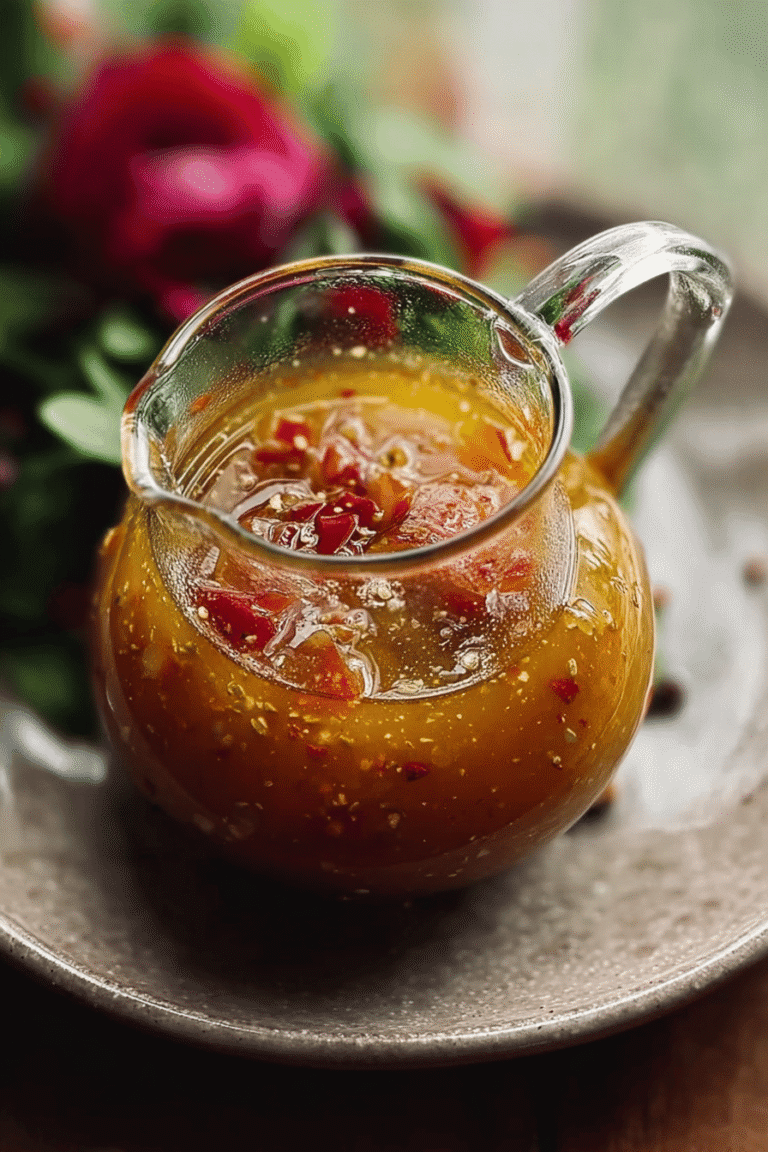
🥗 Discover the vibrant, tangy flavor of Apple Cider Vinegar Dressing that enhances any fresh salad.
🍯 This easy-to-make dressing blends sweet, savory, and zesty notes for a healthy and delicious boost.
- Total Time: 5 minutes
- Yield: About 3/4 cup
Ingredients
– ¼ cup apple cider vinegar Provides tang and health benefits like better digestion
– 1 teaspoon maple syrup or honey
– 1 clove garlic, grated
– ¼ teaspoon Dijon mustard Helps blend flavors and create a creamy texture
– ¼ teaspoon salt
– Several grinds of black pepper
– ¼ cup extra-virgin olive oil Adds smoothness and healthy fats
Instructions
1-Gathering Your Ingredients: First, measure out all the ingredients to ensure your dressing has the right balance. This step sets the stage for a smooth process, avoiding any rush later on. Once everything is ready, you’re set for success with this apple cider vinegar salad dressing recipe.
2-Mixing the Dressing: In a small bowl, combine the apple cider vinegar, maple syrup or honey, grated garlic, Dijon mustard, salt, and black pepper. Slowly drizzle in the extra-virgin olive oil while whisking to fully emulsify the mixture. For a hands-off approach, put all ingredients into a jar with a tight lid and shake well until blended.
Once mixed, give it a taste and adjust seasonings if needed. This apple cider vinegar salad dressing comes together quickly, perfect for busy parents or students. Drizzle it over your favorite greens right away, or store it for later use.
3-Storage and Serving Tips: After preparing, the dressing keeps well for a week in the fridge, as per the tips we’ve gathered. If the oil solidifies, just bring it to room temperature and shake it up again. It’s versatile too, pairing great with fall flavors like cranberries and apples, or even over roasted vegetables and grain bowls.
To make it suit various diets, swap honey for maple syrup if you’re vegan. This recipe’s adaptability means you can reduce oil for a lighter option, aligning with low-calorie needs. For related ideas, check out simple seafood recipes that use similar fresh techniques.
Nutritional details show about 839 calories per serving, with 24 grams of fat, 78 grams of carbohydrates, 2 grams of fiber, 76 grams of sugar, and 3,987 mg of sodium, so it’s a hearty choice. Experimenting with ratios, like equal parts vinegar to oil, keeps the tang front and center, but you can adjust to 1:3 for a milder taste.
Last Step:
Please leave a rating and comment letting us know how you liked this recipe! This helps our business to thrive and continue providing free, high-quality recipes for you.Notes
🧊 Store dressing in the refrigerator for up to one week, shaking well before each use.
🧄 For added garlic flavor, place a whole garlic clove in the jar to infuse overnight.
🍂 Adjust vinegar-to-oil ratio to taste; traditional is equal parts but can be shifted to 1 part vinegar to 3 parts oil for milder tang.
- Prep Time: 5 minutes
- Category: Dressing
- Method: Whisking
- Cuisine: American
- Diet: Gluten-Free, Vegan
Nutrition
- Serving Size: 2 tablespoons
- Calories: 839
- Sugar: 76 g
- Sodium: 3987 mg
- Fat: 24 g
- Carbohydrates: 78 g
- Fiber: 2 g