Why You’ll Love This Asian Lime Peanut Slaw
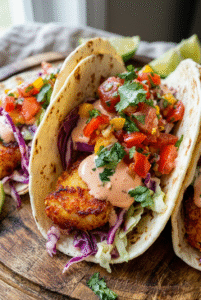
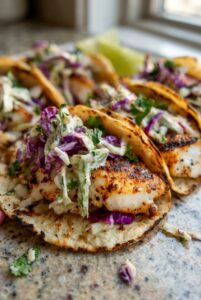
If you’re looking for a refreshing side dish that packs a flavor punch, this Asian Lime Peanut Slaw will quickly become a favorite in your kitchen. This vibrant recipe combines crisp vegetables with a zesty peanut dressing that balances tangy, sweet, and savory notes perfectly.This Asian slaw recipe offers several compelling benefits that make it stand out from traditional coleslaw variations:
- Ease of preparation: This slaw comes together in just 15 minutes, making it perfect for busy weeknights or last-minute gatherings. The minimal cooking required means you’ll spend more time enjoying the dish and less time in the kitchen.
- Health benefits: Packed with fiber-rich vegetables and protein-packed peanuts, this nutritious slaw offers a satisfying crunch without the guilt. According to recent research on peanuts, incorporating them into your diet may contribute to heart health and longevity.
- Versatility: This adaptable slaw works wonderfully as a side dish, a topping for tacos, or a light main course when protein is added. It easily accommodates various dietary preferences including vegan and gluten-free lifestyles.
- Distinctive flavor: The combination of zesty lime, creamy peanut butter, and Asian-inspired seasonings creates a unique flavor profile that elevates ordinary cabbage into something extraordinary.
This crunchy Asian peanut slaw brings together the best of both worlds – the familiar comfort of coleslaw with an exciting Asian-inspired twist that will have your family asking for seconds.
Jump to:
- Why You’ll Love This Asian Lime Peanut Slaw
- Essential Ingredients for Asian Lime Peanut Slaw
- Main Ingredients
- Peanut Lime Dressing
- Special Dietary Options
- How to Prepare the Perfect Asian Lime Peanut Slaw: Step-by-Step Guide
- First Step: Prepare Your Vegetables
- Second Step: Make the Peanut Lime Dressing
- Third Step: Combine the Slaw
- Fourth Step: Add Crunch and Freshness
- Final Step: Serve and Enjoy
- Protein and Main Component Alternatives
- Chicken Options
- Seafood Selections
- Plant-Based Proteins
- Beef and Pork Variations
- Vegetable, Sauce, and Seasoning Modifications
- Vegetable Substitutions
- Sauce Variations
- Seasoning Additions
- Mastering Asian Lime Peanut Slaw: Advanced Tips and Variations
- Pro Cooking Techniques
- Flavor Variations
- Presentation Tips
- Make-Ahead Options
- How to Store Asian Lime Peanut Slaw: Best Practices
- Refrigeration
- Freezing
- Reheating
- Meal Prep Considerations
- FAQs: Frequently Asked Questions About Asian Lime Peanut Slaw
- Asian Lime Peanut Slaw
- Ingredients
- Instructions
- Last Step:
- Notes
- Nutrition
- Did you make this recipe?
Essential Ingredients for Asian Lime Peanut Slaw
To create this flavorful dish, you’ll need a combination of fresh vegetables and pantry staples for the delicious peanut dressing. Each ingredient plays a crucial role in building the complex flavor profile and satisfying texture of this slaw.
Main Ingredients
- 1 small head green cabbage, thinly sliced – Provides the crunchy base for the slaw
- 2 cups purple cabbage, thinly sliced – Adds vibrant color and additional nutrients
- 3 medium carrots, julienned or shredded – Contributes natural sweetness and extra crunch
- 1 red bell pepper, thinly sliced – Offers a pop of color and mild sweetness
- 1 cup snow peas, trimmed and cut diagonally – Adds crisp texture and Asian flair
- 1/2 cup roasted peanuts, roughly chopped – Provides protein and nutty flavor
- 2 green onions, finely chopped – Adds a mild onion flavor and colorful garnish
- 1/4 cup fresh cilantro, chopped – Brings fresh, herbaceous notes to the dish
Peanut Lime Dressing
- 1/2 cup natural peanut butter – Forms the creamy base of the dressing
- 3 tablespoons lime juice – Adds bright acidity and citrus notes
- 2 tablespoons rice vinegar – Provides subtle tang and depth of flavor
- 1 tablespoon soy sauce or tamari – Contributes savory umami flavor
- 1 tablespoon honey or maple syrup – Balances the acidity with natural sweetness
- 1 teaspoon fresh ginger, grated – Adds warmth and aromatic flavor
- 2 garlic cloves, minced – Provides pungent depth to the dressing
- 1 teaspoon sesame oil – Adds rich, nutty undertones
- 1-2 tablespoons water – Adjusts dressing consistency as needed
Special Dietary Options
| Dietary Need | Substitutions |
|---|---|
| Vegan | Use maple syrup instead of honey, ensure soy sauce is vegan-friendly (or use tamari) |
| Gluten-free | Use tamari instead of regular soy sauce |
| Low-calorie | Use reduced-fat peanut butter or substitute half with Greek yogurt, reduce honey to 1 teaspoon |
| Nut-free | Replace peanut butter with sunflower seed butter and omit peanuts |
Limes are not only delicious but also packed with vitamin C and antioxidants. Studies show that citrus fruits like limes can support immune function and provide numerous health benefits. Their bright, acidic flavor cuts through the richness of the peanut butter, creating a perfectly balanced dressing.
How to Prepare the Perfect Asian Lime Peanut Slaw: Step-by-Step Guide
Creating this delicious crunchy slaw is straightforward when you follow these simple steps. The process involves preparing the vegetables, making the dressing, and combining everything for the perfect balance of flavors and textures.
First Step: Prepare Your Vegetables
Start by washing all vegetables thoroughly under cool running water. Using a sharp knife or a mandoline slicer, thinly slice both heads of cabbage. For best results, slice the cabbage as thinly as possible to create delicate shreds that will easily absorb the dressing.
Next, julienne the carrots using a knife, box grater, or food processor with a julienne attachment. If you’re short on time, pre-shredded carrots work perfectly well in this recipe. Thinly slice the red bell pepper into strips, then trim and cut the snow peas diagonally for an attractive presentation.
Second Step: Make the Peanut Lime Dressing
In a medium bowl, combine the peanut butter, lime juice, rice vinegar, soy sauce, honey, grated ginger, minced garlic, and sesame oil. Whisk these ingredients together until smooth and well combined.
Pro Tip: If your peanut butter is particularly thick, microwave it for 10-15 seconds before adding the other ingredients. This will make it easier to whisk into a smooth, creamy dressing.
Gradually add water, one tablespoon at a time, whisking continuously until you reach your desired consistency. The dressing should be pourable but thick enough to coat the vegetables nicely. Taste and adjust the seasonings as needed, adding more lime juice for brightness, honey for sweetness, or soy sauce for saltiness.
Third Step: Combine the Slaw
In a large mixing bowl, combine the sliced green cabbage, purple cabbage, carrots, red bell pepper, and snow peas. Add about half of the dressing and toss well to coat all vegetables evenly. This ensures every bite delivers the perfect balance of flavors.
Let the dressed vegetables sit for 5-10 minutes to slightly soften and absorb some of the dressing. This brief marinating time helps the flavors meld together while maintaining the vegetables’ satisfying crunch.
Fourth Step: Add Crunch and Freshness
After the vegetables have marinated briefly, add the chopped peanuts, green onions, and fresh cilantro. Drizzle with the remaining dressing and toss gently to combine. The peanuts add essential crunch and nutty flavor, while the green onions and cilantro provide fresh, aromatic notes that brighten the entire dish.
Final Step: Serve and Enjoy
Transfer the Asian Lime Peanut Slaw to a serving bowl or platter. For an attractive presentation, garnish with additional chopped peanuts, cilantro leaves, and perhaps some sesame seeds if desired. This vibrant slaw is best served immediately but can be refrigerated for later use, as described in our storage section.
This crunchy Asian peanut slaw makes an excellent side dish for grilled proteins like baked chicken breast or maple soy glazed salmon. It also pairs wonderfully with Asian-inspired mains such as General Tso’s chicken or teriyaki salmon.
Protein and Main Component Alternatives
While this Asian peanut slaw is delicious on its own, adding protein transforms it into a complete and satisfying meal. These protein additions allow you to customize the dish based on your preferences, dietary needs, or what you have available in your kitchen.
Chicken Options
Grilled chicken breast works exceptionally well with Asian flavors. Slice leftover grilled chicken into strips and toss it with the slaw for a complete meal. For a more Asian-inspired approach, use shredded chicken that has been seasoned with soy sauce, ginger, and garlic. Rotisserie chicken from the grocery store makes this addition incredibly convenient.
If you prefer a crispy texture, try adding breaded and fried chicken cutlets or crispy chicken tenders. The contrast between the crunchy slaw and crispy chicken creates a delightful textural experience that both kids and adults will enjoy.
Seafood Selections
Shrimp pairs beautifully with the peanut lime dressing. Sautéed, grilled, or even boiled shrimp can be added directly to the slaw. For a complete meal, consider serving this slaw alongside garlic lemon butter shrimp or incorporating it into shrimp boil skillet meals.
Salmon is another excellent choice, especially when prepared with Asian-inspired seasonings. The rich, fatty fish balances perfectly with the crisp, tangy slaw. Leftover baked or grilled salmon flakes can be mixed directly into the slaw, creating a protein-packed meal that’s perfect for lunch the next day.
Plant-Based Proteins
For a vegetarian or vegan option, consider adding baked tofu that has been marinated in soy sauce and sesame oil. Cubed firm tofu provides a satisfying texture and absorbs flavors beautifully. Another excellent plant-based option is edamame, either shelled or still in the pods, which adds protein and a burst of green color to the dish.
Chickpeas also work surprisingly well in this Asian slaw. Rinse and drain canned chickpeas, then lightly season with curry powder or simply add them as-is for extra protein and fiber. For a meaty texture without animal products, try adding cooked lentils or even sliced seitan that has been prepared with Asian seasonings.
Beef and Pork Variations
Thinly sliced beef steak, especially flank or skirt steak that has been grilled with soy and ginger, makes a hearty addition to this slaw. The beef’s richness contrasts nicely with the light, tangy dressing. For a quick weeknight meal, use leftover steak from a previous dinner.
Pulled pork, when prepared with Asian-inspired seasonings, creates an unexpected but delicious fusion. The tender, slightly sweet pork pairs wonderfully with the crunchy vegetables and peanut dressing. Alternatively, try adding crispy bacon or pancetta for a smoky, salty element that enhances the overall flavor profile.
Vegetable, Sauce, and Seasoning Modifications
One of the greatest strengths of this Asian Lime Peanut Slaw is its adaptability. By swapping vegetables, adjusting the sauce components, or experimenting with seasonings, you can create countless variations to suit different tastes, seasons, and dietary requirements.
Vegetable Substitutions
While the traditional recipe calls for cabbage and carrots, many other vegetables work beautifully in this slaw. For a low-carb version, replace some or all of the cabbage with thinly sliced Brussels sprouts or kale. These leafy greens hold up well to the dressing and offer additional nutritional benefits.
During summer months, add thinly sliced cucumber for extra refreshing crunch. Jicama provides a similar crisp texture with a slightly sweet flavor that complements the Asian seasoning profile. For added color and nutrition, consider incorporating shredded beets, which also add an earthy sweetness that balances the tangy dressing.
Fruit additions can create interesting flavor dimensions. Try adding thinly sliced green apples for a tart crunch, or segments of mandarin oranges for sweetness and acidity. Mango or pineapple cubes add tropical notes that pair surprisingly well with the peanut dressing, creating a Thai-inspired variation.
Sauce Variations
The peanut dressing serves as the flavor foundation of this dish, but there are many ways to customize it to your taste. For a spicy kick, add Sriracha, red pepper flakes, or sambal oelek to taste. The heat beautifully balances the creamy peanut butter and sweet elements.
If you prefer a different nut butter, almond or cashew butter make excellent substitutes. Cashew butter creates a slightly milder, sweeter profile, while almond butter offers a more robust nutty flavor. For those with nut allergies, sunflower seed butter provides a similar creamy consistency without the nuts.
To adjust the acidity balance, experiment with different vinegars. Rice vinegar is traditional, but apple cider vinegar adds fruitiness, while white wine vinegar provides a cleaner, sharper acidity. For a Korean-inspired twist, try adding a splash of gochujang (Korean chili paste) to the dressing.
Seasoning Additions
Beyond the basic seasonings in this recipe, several additions can enhance the Asian flavor profile. Toasted sesame seeds add visual appeal and nutty flavor, while five-spice powder introduces warm, aromatic notes. A splash of fish sauce, if not strictly vegetarian, adds deep umami richness to the dressing.
Fresh herbs are another way to customize the flavor profile. Thai basil adds an anise-like sweetness that pairs beautifully with Asian flavors. Mint leaves contribute a refreshing coolness that contrasts with the rich peanut dressing. For a Vietnamese-inspired variation, try adding some chopped fresh dill along with the cilantro.
For a smoky element, consider adding a small amount of smoked paprika or even a drop of liquid smoke. This works particularly well if you plan to serve the slaw alongside grilled meats, creating a cohesive flavor bridge between the components.
Mastering Asian Lime Peanut Slaw: Advanced Tips and Variations
Once you’ve mastered the basic recipe, these advanced techniques and creative variations will help you take your Asian peanut slaw to the next level. These tips from professional chefs and experienced home cooks will ensure consistently excellent results every time.
Pro Cooking Techniques
The texture of your vegetables significantly impacts the overall enjoyment of the slaw. For the most refined presentation, use a mandoline slicer or a very sharp knife to create paper-thin, uniform slices of cabbage. This consistency ensures even coating with the dressing and creates a more elegant mouthfeel.
When preparing the peanut dressing, consider briefly toasting the sesame oil in a small pan before adding it to the mixture. This simple step awakens the aromatic compounds in the oil, intensifying its flavor. Similarly, lightly toasting the peanuts in a dry pan for 3-4 minutes before adding them to the slaw enhances their nutty flavor and adds an appealing golden color.
For vegetables that might remain too crunchy, such as raw kale or Brussels sprouts, try massaging them with a small amount of salt and lemon juice before adding the dressing. This technique breaks down tough fibers, making the vegetables more tender and palatable while maintaining their structure.
Flavor Variations
Transform your slaw into a Thai-inspired version by adding fresh lemongrass, kaffir lime leaves, and a splash of coconut milk to the dressing. This variation pairs exceptionally well with grilled seafood or spicy Thai curries.
For a Korean-inspired twist, incorporate kimchi into the slaw, either chopped and mixed directly or served as a garnish. The fermented vegetables add probiotics and a complex tangy-spicy flavor that complements the peanut dressing beautifully.
Create a Vietnamese-inspired variation by adding pickled carrots and daikon, fresh mint, and chopped peanuts. This version works perfectly as a topping for banh mi sandwiches or as a side for grilled meats with fish sauce marinades.
Presentation Tips
The visual appeal of your slaw can be enhanced with thoughtful presentation techniques. Instead of tossing everything together, try layering the ingredients in a glass bowl to showcase the vibrant colors. The purple cabbage, orange carrots, red peppers, and green herbs create a stunning rainbow effect.
For individual servings, use wide-rimmed bowls and create a well in the center of the slaw to hold extra dressing. This presentation allows diners to add dressing according to their preference and keeps the vegetables crisp until ready to eat.
When serving at a party or potluck, consider offering a “slaw bar” with various toppings such as crispy noodles, toasted sesame seeds, crushed peanuts, and different protein options. This interactive approach allows guests to customize their slaw and adds a fun element to your gathering.
Make-Ahead Options
For efficient meal prep, prepare all vegetables up to 3 days in advance and store them in separate airtight containers in the refrigerator. The dressing can also be made ahead and stored for up to a week, making assembly quick and easy when you’re ready to serve.
If you’re planning to serve the slaw at a party, prepare it completely except for the peanuts and fresh herbs. Add these final ingredients just before serving to maintain their crisp texture and vibrant appearance. This approach prevents the peanuts from becoming soggy and the herbs from wilting.
For meal preppers, consider portioning the slaw into individual containers at the beginning of the week. Keep the dressing in a separate small container and add it just before eating to maintain optimal texture throughout the week.
How to Store Asian Lime Peanut Slaw: Best Practices
Proper storage ensures your Asian peanut slaw maintains its freshness, crunch, and flavor. These guidelines will help you maximize the shelf life of your slaw and ensure food safety, whether you’re storing leftovers or preparing meals in advance.
Refrigeration
Store any leftover Asian peanut slaw in an airtight container in the refrigerator for up to 3-4 days. The vegetables will gradually soften as they marinate in the dressing, but the flavors will continue to develop and meld together beautifully over this time.
For optimal texture, consider storing the vegetables and dressing separately if you plan to keep the slaw for more than a day. This prevents the vegetables from becoming too soft and maintains their satisfying crunch. Simply combine the components about 30 minutes before serving to allow the flavors to blend.
Freezing
Freezing is not recommended for this Asian slaw as the high water content in the vegetables creates a mushy texture when thawed. The cabbage, in particular, does not freeze well and will lose its crispness completely. Instead, consider making smaller batches that can be consumed within a few days.
However, the peanut dressing itself freezes exceptionally well for up to 3 months. Store it in an airtight container or freezer bag, leaving some space for expansion. Thaw in the refrigerator overnight and whisk well before using with freshly prepared vegetables.
Reheating
This Asian peanut slaw is designed to be served cold and should not be reheated. The vegetables would become limp and unappetizing with heat exposure. If you prefer a warm version, consider sautéing the vegetables separately and serving them alongside the cold peanut dressing as a dip or sauce.
If you’ve added proteins such as chicken or shrimp to your slaw, these can be gently reheated separately and then combined with the cold vegetables just before serving. This approach maintains the textural contrast between the warm protein and crisp, cold vegetables.
Meal Prep Considerations
For efficient meal prep, wash and chop all vegetables on your designated prep day and store them in separate containers in the refrigerator. This extends their freshness and allows for quick assembly throughout the week. The dressing can be prepared in a larger batch and kept in a jar in the refrigerator for up to a week.
When portioning for meal prep, consider keeping the crunchy toppings like peanuts, sesame seeds, and crispy noodles in separate small bags or containers. Add these elements just before eating to preserve their texture and prevent them from becoming soggy.
If you plan to use this slaw as a side dish throughout the week, prepare smaller batches more frequently rather than one large batch at the beginning of the week. This approach ensures you’re enjoying the slaw at its peak freshness and texture.

FAQs: Frequently Asked Questions About Asian Lime Peanut Slaw
Print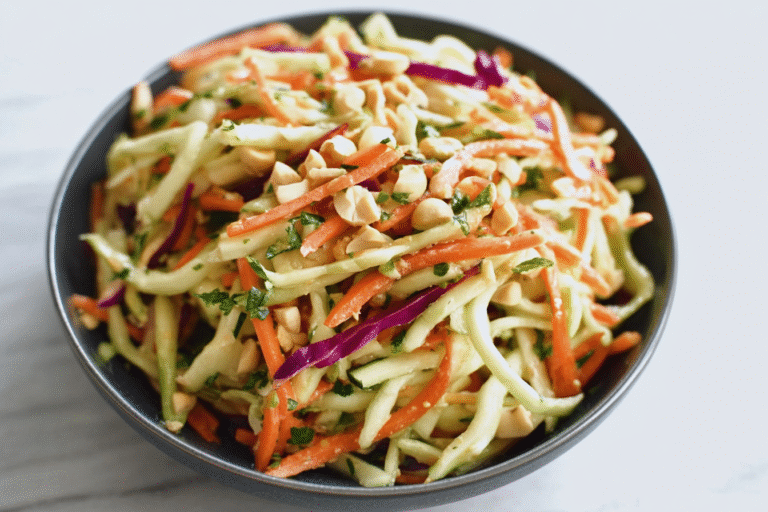
Asian Lime Peanut Slaw
🥬 Crisp shredded cabbage, carrots, and peppers tossed in zesty peanut-lime dressing deliver crunchy texture and addictive umami flavors in vibrant slaw.
🥜 10-minute no-cook side bursts with Asian-inspired freshness—vegan, gluten-free perfect for BBQs, bowls, or wraps!
- Total Time: 45 minutes
- Yield: 6 servings
Ingredients
– 1 small head green cabbage, thinly sliced for crunchy base
– 2 cups purple cabbage, thinly sliced for vibrant color and additional nutrients
– 3 medium carrots, julienned or shredded for natural sweetness and extra crunch
– 1 red bell pepper, thinly sliced for pop of color and mild sweetness
– 1 cup snow peas, trimmed and cut diagonally for crisp texture and Asian flair
– 1/2 cup roasted peanuts, roughly chopped for protein and nutty flavor
– 2 green onions, finely chopped for mild onion flavor and colorful garnish
– 1/4 cup fresh cilantro, chopped for fresh, herbaceous notes
– 1/2 cup natural peanut butter for creamy base of the dressing
– 3 tablespoons lime juice for bright acidity and citrus notes
– 2 tablespoons rice vinegar for subtle tang and depth of flavor
– 1 tablespoon soy sauce or tamari for savory umami flavor
– 1 tablespoon honey or maple syrup for balancing acidity with natural sweetness
– 1 teaspoon fresh ginger, grated for warmth and aromatic flavor
– 2 garlic cloves, minced for pungent depth to the dressing
– 1 teaspoon sesame oil for rich, nutty undertones
– 1-2 tablespoons water for adjusting dressing consistency
Instructions
1-First Step: Prepare Your Vegetables Start by washing all vegetables thoroughly under cool running water. Using a sharp knife or a mandoline slicer, thinly slice both heads of cabbage. For best results, slice the cabbage as thinly as possible to create delicate shreds that will easily absorb the dressing. Next, julienne the carrots using a knife, box grater, or food processor with a julienne attachment. If you’re short on time, pre-shredded carrots work perfectly well in this recipe. Thinly slice the red bell pepper into strips, then trim and cut the snow peas diagonally for an attractive presentation.
2-Second Step: Make the Peanut Lime Dressing In a medium bowl, combine the peanut butter, lime juice, rice vinegar, soy sauce, honey, grated ginger, minced garlic, and sesame oil. Whisk these ingredients together until smooth and well combined. Gradually add water, one tablespoon at a time, whisking continuously until you reach your desired consistency. The dressing should be pourable but thick enough to coat the vegetables nicely. Taste and adjust the seasonings as needed, adding more lime juice for brightness, honey for sweetness, or soy sauce for saltiness.
3-Third Step: Combine the Slaw In a large mixing bowl, combine the sliced green cabbage, purple cabbage, carrots, red bell pepper, and snow peas. Add about half of the dressing and toss well to coat all vegetables evenly. This ensures every bite delivers the perfect balance of flavors. Let the dressed vegetables sit for 5-10 minutes to slightly soften and absorb some of the dressing. This brief marinating time helps the flavors meld together while maintaining the vegetables’ satisfying crunch.
4-Fourth Step: Add Crunch and Freshness After the vegetables have marinated briefly, add the chopped peanuts, green onions, and fresh cilantro. Drizzle with the remaining dressing and toss gently to combine. The peanuts add essential crunch and nutty flavor, while the green onions and cilantro provide fresh, aromatic notes that brighten the entire dish.
5-Final Step: Serve and Enjoy Transfer the Asian Lime Peanut Slaw to a serving bowl or platter. For an attractive presentation, garnish with additional chopped peanuts, cilantro leaves, and perhaps some sesame seeds if desired. This vibrant slaw is best served immediately but can be refrigerated for later use, as described in our storage section.
Last Step:
Please leave a rating and comment letting us know how you liked this recipe! This helps our business to thrive and continue providing free, high-quality recipes for you.Notes
🥬 Shred cabbage thin for maximum crunch—use mandoline or food processor.
🥜 Natural peanut butter works best; stir well if separated.
🌿 Adjust lime and heat to taste—starts mild, builds bold.
- Prep Time: 15 minutes
- Chill Time: 30 minutes
- Category: Side Dish
- Method: No Cook
- Cuisine: Asian
- Diet: Vegan, Gluten Free
Nutrition
- Serving Size: 1 cup
- Calories: 220 kcal
- Sugar: 8g
- Sodium: 420mg
- Fat: 16g
- Saturated Fat: 3g
- Unsaturated Fat: 12g
- Trans Fat: 0g
- Carbohydrates: 18g
- Fiber: 5g
- Protein: 7g
- Cholesterol: 0mg