Why You’ll Love This Banh Canh Cua
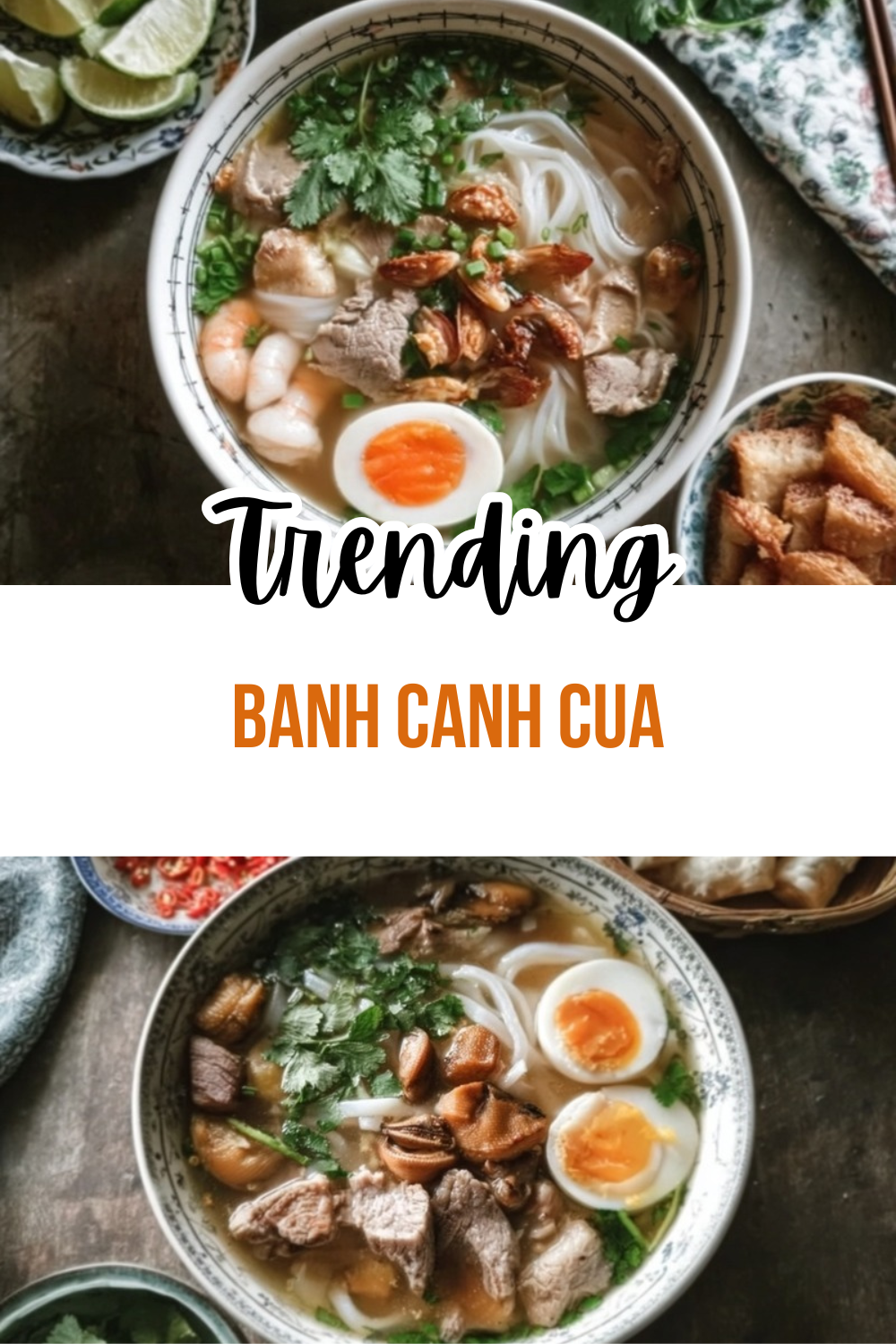
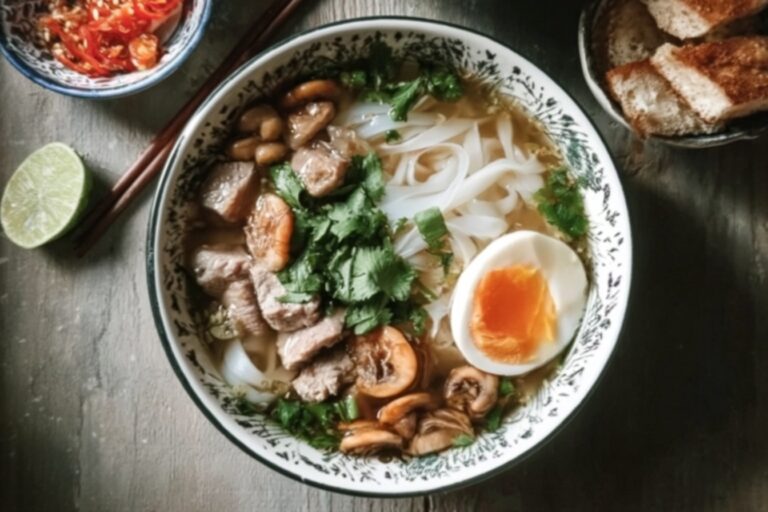
If you love cozy noodle soups with bold flavor, Banh Canh Cua is a bowl worth making at home. This Vietnamese crab tapioca noodle soup brings together rich broth, chewy noodles, sweet crab, and fresh herbs in one satisfying meal. It feels special enough for guests, yet it is still practical for home cooks who want a hearty dinner without fancy steps.
- Easy to make at home: This Banh Canh Cua recipe looks impressive, but the process is straightforward once the broth is simmering. You can prep the toppings while the stock cooks, which makes it a great choice for busy parents and working professionals.
- Comforting and filling: The combination of crab meat, pork hock, prawn balls, and thick tapioca noodles makes every bowl rich and satisfying. It is the kind of crab noodle soup that warms you up fast.
- Flexible for different diets: You can keep it light by using fewer noodles, swap ingredients for what you have, or adjust the salt and fish sauce to fit your needs. That makes Banh Canh a great option for diet-conscious home cooks too.
- Big, memorable flavor: Dried squid, dehydrated scallops, crab, annatto oil, and fresh herbs create a broth that tastes deep, savory, and just a little sweet. Every spoonful of Banh Canh Cua Crab Soup feels layered and special.
Imagine sinking your spoon into a steaming bowl of this soup, where the tender crab meat and chewy noodles soak up every bit of that rich, savory broth for a truly unforgettable taste.
If you enjoy comforting soups, you may also like my creamy tortellini minestrone soup for another cozy bowl-style meal.
Jump to:
- Why You’ll Love This Banh Canh Cua
- Essential Ingredients for Banh Canh Cua
- Broth Ingredients
- Toppings
- Prawn Balls
- Noodles and Garnish
- Helpful notes on the ingredients
- Special dietary options
- How to Prepare the Perfect Banh Canh Cua: Step-by-Step Guide
- First Step: Prep the broth ingredients
- Second Step: Build the broth flavor
- Third Step: Make the slurry and thicken the soup
- Fourth Step: Prepare the prawn balls
- Fifth Step: Cook the noodles
- Sixth Step: Assemble the bowls
- Seventh Step: Taste and adjust
- Dietary Substitutions to Customize Your Banh Canh Cua
- Protein and main component alternatives
- Vegetable, sauce, and seasoning modifications
- Mastering Banh Canh Cua: Advanced Tips and Variations
- Pro cooking techniques
- Flavor variations
- Presentation tips
- Make-ahead options
- How to Store Banh Canh Cua: Best Practices
- Refrigeration
- Freezing
- Reheating
- Meal prep considerations
- FAQs: Frequently Asked Questions About Banh Canh Cua
- What is banh canh cua?
- What is the best crab to use for banh canh cua?
- How do I keep banh canh noodles from sticking together?
- What can I substitute for potato starch in banh canh cua noodles?
- How long does banh canh cua last in the fridge?
- Banh Canh Cua
- Ingredients
- Instructions
- Last Step:
- Notes
- Nutrition
- Did you make this recipe?
Essential Ingredients for Banh Canh Cua
This Banh Canh Cua Recipe uses a mix of seafood, pork, aromatics, and thick noodles to build that classic Vietnamese flavor. Below is a complete ingredient list with exact measurements so you can shop and prep with confidence.
Broth Ingredients
- 10 liters water
- 800 grams peeled daikon
- 400 grams peeled jicama
- 30 grams dried squid
- 70 grams dehydrated scallops
- 500 grams frozen crab meat
- 2 tablespoons annatto seeds
- 1 tablespoon oil
- 70 grams rock sugar
- 6 tablespoons salt
- 1/2 US cup fish sauce
- 1 1/2 tablespoons chicken bouillon powder
- 1/2 US cup potato starch for slurry
- 1/4 US cup water for slurry
Toppings
- 1 pork hock
- 1 crab
- 1 box blood jelly, optional
Prawn Balls
- 20 fresh prawns, peeled and deveined
- 1 red shallot, finely chopped
- 3 cloves garlic, finely chopped
- 1 sprig spring onion, finely chopped
- 1 tablespoon oil for frying aromatics
- 1/4 teaspoon salt
- 1/2 teaspoon sugar
- 1 teaspoon chicken bouillon powder
- 1/2 teaspoon pepper
- 1/2 teaspoon fish sauce
- Cooking oil for frying
Noodles and Garnish
- 2 kilograms Banh Canh tapioca noodles
- Finely chopped coriander
- Finely chopped spring onion
- Fried onions
- Pepper
- Lime juice
Helpful notes on the ingredients
| Ingredient | What it does | Easy swap if needed |
|---|---|---|
| Daikon and jicama | Give the broth natural sweetness | Use more daikon if jicama is hard to find |
| Dried squid and scallops | Add deep seafood flavor | Use extra crab stock or shrimp shells if needed |
| Potato starch slurry | Thickens the broth to that classic silky texture | Cornstarch can work in a pinch |
| Banh Canh tapioca noodles | Create the chewy, bouncy bite | Use store-bought fresh rice noodles if necessary |
For the best flavor, use fresh herbs at the end and keep the broth hot until serving.
Special dietary options
- Vegan: Replace crab, pork hock, dried squid, and scallops with mushrooms, seaweed, and vegetable stock. Use plant-based bouillon and skip fish sauce.
- Gluten-free: The tapioca noodles are naturally gluten-free, but check your bouillon powder and fish sauce labels for hidden gluten.
- Low-calorie: Use more daikon and jicama, less sugar, and a smaller noodle portion. You can also reduce the pork hock and rely more on crab and herbs.
How to Prepare the Perfect Banh Canh Cua: Step-by-Step Guide
First Step: Prep the broth ingredients
Start by washing, peeling, and cutting the daikon and jicama into large chunks. Rinse the dried squid and dehydrated scallops lightly, then set them aside. If your crab is whole, clean it well and break it into pieces so it can give the broth more flavor.
In a large stockpot, add 10 liters of water, the daikon, jicama, dried squid, dehydrated scallops, pork hock, and crab. Bring the pot to a boil over high heat, then lower to a steady simmer. Skim off any foam that rises, because this keeps the broth clear and clean-tasting.
Second Step: Build the broth flavor
Once the pot is simmering, stir in the rock sugar, salt, fish sauce, and chicken bouillon powder. Add the annatto seeds to 1 tablespoon of oil in a small pan and warm them gently until the oil turns a deep orange-red. Pour the annatto oil into the broth for that classic reddish color and rich aroma.
Let the broth simmer for about 1 to 1 1/2 hours. This slow cooking time helps the pork hock become tender and gives the seafood time to release its flavor. If the liquid drops too much, add a little more water so the soup stays generous.
Third Step: Make the slurry and thicken the soup
Mix 1/2 US cup potato starch with 1/4 US cup water until smooth. Stir the slurry into the broth little by little while the soup is gently bubbling. Keep stirring so the broth thickens evenly and does not clump.
You want the texture to be silky and lightly thick, not heavy. If the soup gets too thick, add a splash of hot water. If it still feels thin, add a little more slurry, but go slowly because it thickens as it cooks.
Fourth Step: Prepare the prawn balls
Heat 1 tablespoon oil in a pan and fry the chopped shallot, garlic, and spring onion until fragrant. In a bowl, chop or pulse the peeled prawns until sticky, then mix in the fried aromatics, salt, sugar, chicken bouillon powder, pepper, and fish sauce. Shape the mixture into small balls.
Fry the prawn balls in cooking oil until they are golden and cooked through. If you want a lighter version, you can also poach them in the broth at the end instead of frying. That keeps the soup a bit lighter while still giving you plenty of flavor.
Fifth Step: Cook the noodles
Boil the Banh Canh tapioca noodles according to the package directions or until chewy and tender. Drain them well and rinse only if the package suggests it. If you are serving right away, toss the noodles lightly with a bit of oil so they do not stick together.
For readers who like more noodle tips, my easy veggie fried rice guide includes simple prep habits that also help when you cook fast weeknight meals.
Sixth Step: Assemble the bowls
Place the noodles in each bowl, then top with crab meat, slices of pork hock, prawn balls, and blood jelly if you are using it. Ladle the hot broth over everything so the noodles soften a little more and soak up the broth.
Finish with chopped coriander, spring onion, fried onions, black pepper, and a squeeze of lime juice. Serve the soup hot with extra lime on the side so everyone can adjust the brightness to taste.
Seventh Step: Taste and adjust
Before serving, taste the broth one more time. Add a bit more fish sauce if you want more savoriness, a touch more sugar if you want a softer edge, or more lime juice if you like it brighter. This final check makes the bowl taste balanced and fresh.
A good bowl of Banh Canh Cua should be savory, slightly sweet, and rich without feeling heavy.

Dietary Substitutions to Customize Your Banh Canh Cua
Protein and main component alternatives
If crab is hard to find, you can still make a tasty bowl of Crab Tapioca Noodle Soup with shrimp, fish balls, or even a mix of seafood. Frozen crab meat works well when fresh crab is not available, and it saves time for busy cooks. For a pork-free version, skip the pork hock and use extra crab meat or mushrooms for body.
If you want a vegetarian style, replace the seafood broth with a vegetable broth built from carrots, daikon, onion, and mushrooms. The soup will taste different from traditional Vietnamese Crab Tapioca Noodles, but it can still be deeply comforting. For an egg-free prawn ball option, use tofu cubes or mushroom balls instead.
Vegetable, sauce, and seasoning modifications
To make the dish lighter, reduce the salt and fish sauce a little, then let the herbs and lime do more of the work. You can also add more daikon and jicama for sweetness without adding extra sugar. If you like a stronger seafood taste, simmer the crab shells longer and add a few extra scallops.
For a lower-sodium bowl, use less bouillon powder and season at the table with lime, pepper, and a tiny splash of fish sauce. If you need the soup to be gluten-free, double-check the bouillon powder and choose a certified gluten-free fish sauce. Those small changes let you keep the spirit of Banh Canh Cua while matching your eating goals.
Mastering Banh Canh Cua: Advanced Tips and Variations
Pro cooking techniques
For the cleanest broth, simmer gently instead of boiling hard once the ingredients go in. A hard boil can make the broth cloudy and can break up delicate seafood too much. Skim often, and if you have time, chill the broth briefly before reheating to serve. That gives you a clearer finish and a cleaner flavor.
Another useful trick is to fry the annatto seeds in oil first, then strain them if you want a smooth look. You can also cook the prawn balls separately and add them right before serving so they stay springy. If you are making the soup for a crowd, keep the noodles and broth separate until the last minute so the texture stays just right.
Flavor variations
Some cooks like to add shrimp, squid rings, or fish cake for a bigger seafood mix. Others prefer extra crab and less pork for a sweeter, lighter bowl. You can also add chili oil or sliced fresh chilies on the side for heat.
If you enjoy rich noodle soups, you might also love the flavor profile of slow cooker ham and bean soup for a different kind of comfort food on busy days.
Presentation tips
Use a deep bowl so the noodles, broth, and toppings can stack nicely. Place the crab and prawn balls where they are easy to see, then sprinkle the herbs and fried onions at the very top. A lime wedge on the side adds color and gives each bowl a fresh look.
Make-ahead options
You can make the broth a day ahead and store it in the fridge, which actually helps the flavor settle even more. Prawn balls can be shaped in advance and kept chilled until you are ready to cook them. The noodles are best cooked close to serving time, but all the broth work can be done early, which makes this dish much easier for weekend meal prep.
How to Store Banh Canh Cua: Best Practices
Refrigeration
Store the broth, noodles, and toppings in separate containers. The soup base will keep well in the fridge for 2 to 3 days, while the noodles stay best for about 1 to 2 days. Keeping them apart helps prevent soggy noodles and keeps the bowl tasting fresher.
Freezing
You can freeze the broth and crab meat for longer storage, but the noodles are best made fresh. Freeze the broth in airtight containers or freezer bags for up to 1 month. If possible, leave out the noodles, herbs, and lime until serving day so the texture stays good.
Reheating
Warm the broth over medium heat until steaming, then add the noodles just long enough to heat through. Avoid boiling too hard, because that can make the crab meat tough and the noodles too soft. Add fresh herbs and fried onions after reheating for the best texture.
Meal prep considerations
If you cook in batches, portion the broth into containers and keep the toppings separate. This makes weekday lunches simple and keeps the soup from getting mushy. A little planning goes a long way with Banh Canh Cua, especially when you want a quick homemade meal.
FAQs: Frequently Asked Questions About Banh Canh Cua
What is banh canh cua?
What is the best crab to use for banh canh cua?
How do I keep banh canh noodles from sticking together?
What can I substitute for potato starch in banh canh cua noodles?
How long does banh canh cua last in the fridge?
Banh Canh Cua
🦀 Savor authentic Vietnamese comfort in a bowl with rich crab-infused broth, chewy tapioca noodles, and fresh seafood for ultimate umami satisfaction.
🍜 Hearty, slurpable Banh Canh Cua that’s nourishing, family-sized, and brings restaurant-quality flavors home effortlessly.
- Total Time: 2 hours 45 minutes
- Yield: 10 servings
Ingredients
– 10 liters water
– 800 grams peeled daikon
– 400 grams peeled jicama
– 30 grams dried squid
– 70 grams dehydrated scallops
– 500 grams frozen crab meat
– 2 tablespoons annatto seeds
– 1 tablespoon oil
– 70 grams rock sugar
– 6 tablespoons salt
– 1/2 US cup fish sauce
– 1 1/2 tablespoons chicken bouillon powder
– 1/2 US cup potato starch for slurry
– 1/4 US cup water for slurry
– 1 pork hock
– 1 crab
– 1 box blood jelly, optional
– 20 fresh prawns, peeled and deveined
– 1 red shallot, finely chopped
– 3 cloves garlic, finely chopped
– 1 sprig spring onion, finely chopped
– 1 tablespoon oil for frying aromatics
– 1/4 teaspoon salt
– 1/2 teaspoon sugar
– 1 teaspoon chicken bouillon powder
– 1/2 teaspoon pepper
– 1/2 teaspoon fish sauce
– Cooking oil for frying
– 2 kilograms Banh Canh tapioca noodles
– Finely chopped coriander
– Finely chopped spring onion
– Fried onions
– Pepper
– Lime juice
Instructions
1-First Step: Prep the broth ingredients Start by washing, peeling, and cutting the daikon and jicama into large chunks. Rinse the dried squid and dehydrated scallops lightly, then set them aside. If your crab is whole, clean it well and break it into pieces so it can give the broth more flavor. In a large stockpot, add 10 liters of water, the daikon, jicama, dried squid, dehydrated scallops, pork hock, and crab. Bring the pot to a boil over high heat, then lower to a steady simmer. Skim off any foam that rises, because this keeps the broth clear and clean-tasting.
2-Second Step: Build the broth flavor Once the pot is simmering, stir in the rock sugar, salt, fish sauce, and chicken bouillon powder. Add the annatto seeds to 1 tablespoon of oil in a small pan and warm them gently until the oil turns a deep orange-red. Pour the annatto oil into the broth for that classic reddish color and rich aroma. Let the broth simmer for about 1 to 1 1/2 hours. This slow cooking time helps the pork hock become tender and gives the seafood time to release its flavor. If the liquid drops too much, add a little more water so the soup stays generous.
3-Third Step: Make the slurry and thicken the soup Mix 1/2 US cup potato starch with 1/4 US cup water until smooth. Stir the slurry into the broth little by little while the soup is gently bubbling. Keep stirring so the broth thickens evenly and does not clump. You want the texture to be silky and lightly thick, not heavy. If the soup gets too thick, add a splash of hot water. If it still feels thin, add a little more slurry, but go slowly because it thickens as it cooks.
4-Fourth Step: Prepare the prawn balls Heat 1 tablespoon oil in a pan and fry the chopped shallot, garlic, and spring onion until fragrant. In a bowl, chop or pulse the peeled prawns until sticky, then mix in the fried aromatics, salt, sugar, chicken bouillon powder, pepper, and fish sauce. Shape the mixture into small balls. Fry the prawn balls in cooking oil until they are golden and cooked through. If you want a lighter version, you can also poach them in the broth at the end instead of frying. That keeps the soup a bit lighter while still giving you plenty of flavor.
5-Fifth Step: Cook the noodles Boil the Banh Canh tapioca noodles according to the package directions or until chewy and tender. Drain them well and rinse only if the package suggests it. If you are serving right away, toss the noodles lightly with a bit of oil so they do not stick together.
6-Sixth Step: Assemble the bowls Place the noodles in each bowl, then top with crab meat, slices of pork hock, prawn balls, and blood jelly if you are using it. Ladle the hot broth over everything so the noodles soften a little more and soak up the broth. Finish with chopped coriander, spring onion, fried onions, black pepper, and a squeeze of lime juice. Serve the soup hot with extra lime on the side so everyone can adjust the brightness to taste.
7-Seventh Step: Taste and adjust Before serving, taste the broth one more time. Add a bit more fish sauce if you want more savoriness, a touch more sugar if you want a softer edge, or more lime juice if you like it brighter. This final check makes the bowl taste balanced and fresh.
Last Step:
Please leave a rating and comment letting us know how you liked this recipe! This helps our business to thrive and continue providing free, high-quality recipes for you.Notes
🔥 Soak dried squid and scallops ahead to rehydrate fully and enhance broth umami.
🍤 Fry prawn balls in hot oil for crisp exterior while keeping them juicy inside.
🥄 Adjust fish sauce and salt gradually—taste broth before adding slurry for perfect seasoning.
- Prep Time: 45 minutes
- Cook Time: 2 hours
- Category: Soup
- Method: Stovetop
- Cuisine: Vietnamese
- Diet: Gluten-Free
Nutrition
- Serving Size: 1 large bowl
- Calories: 450 kcal
- Sugar: 5g
- Sodium: 1800mg
- Fat: 12g
- Saturated Fat: 3g
- Unsaturated Fat: 8g
- Trans Fat: 0g
- Carbohydrates: 65g
- Fiber: 3g
- Protein: 28g
- Cholesterol: 100mg