Why You’ll Love These Belgian Croustillons Fried Dough Balls
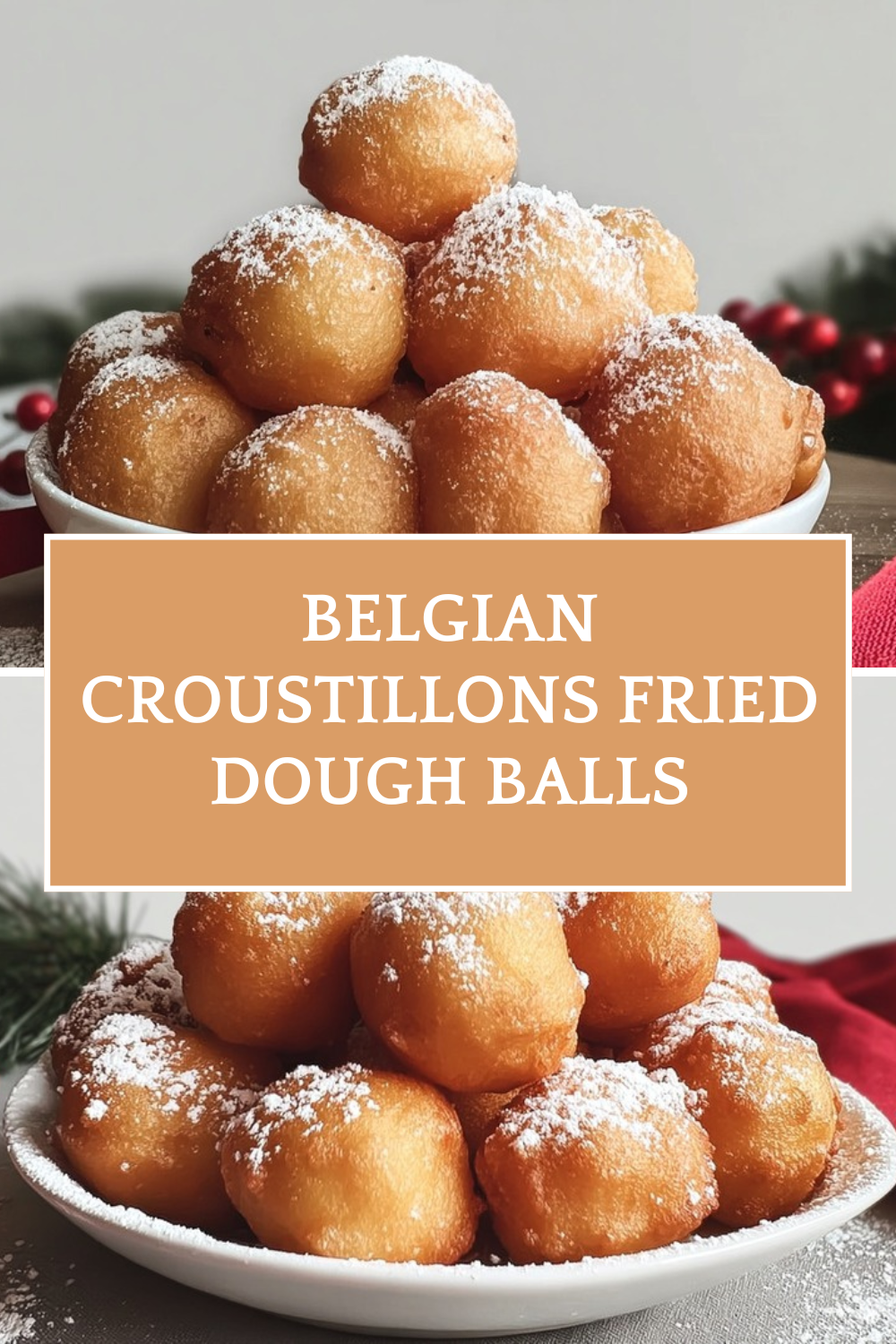
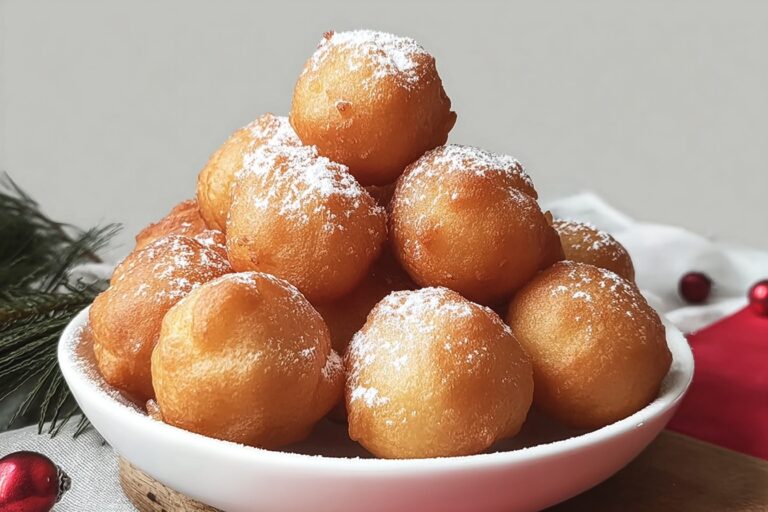
Belgian Croustillons Fried Dough Balls are crispy, golden fried dough balls made from a yeast-based batter and dusted with powdered sugar. They’re a popular Belgian street food, often found at fairs, Christmas markets, and festivals, where the warm aroma pulls people in. At home, you get the same fun, carnival-style treat with simple pantry ingredients and an easy process.
- Ease of preparation: With about 55 minutes prep and simple steps, these Belgian croustillons are approachable for busy parents and students who want something special without complicated baking. The batter comes together quickly, then you rest it while you prep your frying station.
- Distinctive flavor and texture: These fried dough balls are fluffy inside and deeply golden outside, especially when you fry at the right temperature and in small batches. Dust them generously with powdered sugar while warm for that classic Belgian street food sweetness.
- Versatility for different tastes: You can serve Belgian croustillons fried dough balls plain or pair them with chocolate sauce, caramel, whipped cream, fruit preserves, or honey. You can also swap in subtle add-ins like vanilla or citrus zest.
- Comfort-food nutrition profile: Each serving includes 317 kcal with 10g protein and 54g carbohydrates, plus small amounts of calcium and iron. They’re not a “health snack,” but they can fit thoughtfully into a balanced routine when enjoyed in moderation.
Quick note: For best results, follow the yeast activation step and keep your oil temperature steady. That’s what helps these Belgian croustillons stay crisp and puffy instead of greasy.
To compare with another fun breakfast or party bite idea, you can also check out mini muffin pancake bites for a quick, crowd-friendly snack.
External reference: For more background on yeast and bread science, see this review article: yeast fermentation and dough behavior.
Jump to:
- Why You’ll Love These Belgian Croustillons Fried Dough Balls
- Essential Ingredients for Belgian Croustillons Fried Dough Balls
- Main Ingredients (exact measurements)
- Ingredient notes that matter
- How to Prepare the Perfect Belgian Croustillons Fried Dough Balls: Step-by-Step Guide
- Step-by-step directions
- What success looks like
- External recipe inspiration
- Dietary Substitutions to Customize Your Belgian Croustillons Fried Dough Balls
- Protein and main component alternatives
- Vegetable, sauce, and seasoning modifications
- Mastering Belgian Croustillons Fried Dough Balls: Advanced Tips and Variations
- Pro cooking techniques
- Flavor variations
- Presentation tips
- Make-ahead options
- How to Store Belgian Croustillons Fried Dough Balls: Best Practices
- Refrigeration (short-term)
- Freezing (long-term)
- Reheating to restore crispiness
- Meal prep considerations
- FAQs: Frequently Asked Questions About Belgian Croustillons Fried Dough Balls
- What are Belgian croustillons?
- What ingredients go into croustillons batter?
- How hot should the oil be for frying croustillons?
- How do croustillons differ from beignets or oliebollen?
- How should you store and reheat leftover croustillons?
- Belgian Croustillons Fried Dough Balls
- Ingredients
- Instructions
- Last Step:
- Notes
- Nutrition
- Did you make this recipe?
Essential Ingredients for Belgian Croustillons Fried Dough Balls
Below are the exact ingredients and measurements for a classic Belgian croustillons recipe. These ingredients are designed to create a light, yeasted batter that fries into crispy, golden fried dough balls, then finishes with powdered sugar dusting.
Main Ingredients (exact measurements)
- 250 grams (2 cups) all-purpose flour
- 10 grams (2 teaspoons) granulated sugar
- 5 grams (1 teaspoon) salt
- 7 grams (2 ¼ teaspoons) active dry yeast
- 200 ml (¾ cup) lukewarm milk
- 1 egg
- 1 teaspoon vanilla extract
- 1 tablespoon melted butter
- Vegetable oil for frying
- Powdered sugar for dusting
Ingredient notes that matter
- Lukewarm milk: This helps activate the yeast so the batter becomes light and airy. If the milk is too hot, yeast can struggle.
- Butter and vanilla: They add soft richness and a warm aroma that complements the powdered sugar.
- Powdered sugar: Dust while warm so it sticks and dissolves slightly for a sweet, silky coating.
Dietary options: Traditional Belgian croustillons use wheat flour and dairy. In the customization section later, you’ll find practical swaps and how to adapt this Belgian croustillons fried dough balls recipe for different needs.
How to Prepare the Perfect Belgian Croustillons Fried Dough Balls: Step-by-Step Guide
Belgian croustillons are small, round fried dough balls made from a light, yeasted batter. The goal is crisp, golden outside with a soft, airy center. Follow these steps carefully, especially the yeast foaming and oil temperature, and you’ll get that classic street-food result right in your kitchen.
| Stage | Time | Temperature | What to watch for |
|---|---|---|---|
| Yeast activation | About 5 minutes | Lukewarm milk | Yeast becomes foamy |
| Batter rest | 45 minutes | Warm place | Batter rises and looks fluffier |
| Frying | 3 to 4 minutes per batch | 180°C (350°F) | Deep golden brown and puffy |
Step-by-step directions
- First Step: Dissolve the active dry yeast in the lukewarm milk and let it sit until it becomes foamy for about 5 minutes. This is the key to fluffy Belgian croustillons fried dough balls, because activated yeast makes the batter rise.
- Second Step: In a large bowl, combine the all-purpose flour, granulated sugar, and salt. Make a well in the center, then add the yeast mixture, egg, vanilla extract, and melted butter. Mix until smooth and slightly sticky.
- Third Step: Cover the batter and rest it in a warm place for 45 minutes to rise and develop fluffiness. If you’re adapting this Belgian croustillons recipe for flavor, this is also a good moment to consider adding vanilla or a small amount of citrus zest.
- Fourth Step: Heat vegetable oil to 180°C (350°F) in a deep fryer or heavy pot. Keep it at a steady temperature so your fried dough balls cook through without turning greasy.
- Fifth Step: Drop spoonfuls of batter into the hot oil carefully and fry in batches. Frying in small batches prevents the oil temperature from dropping too much, which helps the balls puff up instead of settling.
- Sixth Step: Fry for 3 to 4 minutes, turning occasionally until deep golden brown and puffy. This timing is what gives you crispy, golden Belgian croustillons with a soft inside.
- Seventh Step: Drain on paper towels to remove excess oil. This keeps the outside crisp instead of soggy.
- Eighth Step: Dust generously with powdered sugar while still warm. Warm croustillons hold sugar best, giving you that classic sweet street-food finish.
- Final Step: Serve immediately while warm and crispy. For extra indulgence, pair Belgian croustillons with chocolate sauce, caramel, or whipped cream, or try fruit preserves or honey.
Pro tip: If you want a quick snack pairing idea for a busy week, you can also serve croustillons alongside mango peach strawberry smoothie for a fun sweet contrast.
Why the foam test matters: When the yeast in lukewarm milk turns foamy, it means fermentation is starting. That’s what helps Belgian croustillons become light and airy instead of heavy.
What success looks like
- Color: deep golden brown, not pale
- Shape: round and puffy
- Texture: crisp exterior with a soft, airy interior
- Finish: powdered sugar clings nicely while warm
Serving note: These Belgian croustillons are at their best fresh and warm. If you wait too long, the crisp exterior softens.
External recipe inspiration
If you’d like to compare techniques, you can review another Belgian-style croustillons approach here: Belgian croustillons fried dough balls recipe.

Dietary Substitutions to Customize Your Belgian Croustillons Fried Dough Balls
If you want to customize Belgian croustillons fried dough balls, start by deciding what you need to change: wheat flour, dairy, eggs, or frying approach. The batter works best when it remains slightly sticky and can puff during frying. Below are practical swaps to help you stay close to the classic texture.
Protein and main component alternatives
Traditional recipes for Belgian croustillons rely on a yeasted batter, not a protein-heavy ingredient list. Still, you can adjust the egg and milk components.
- Egg swap: For a simple egg-free option, use a commercial egg replacer (follow the package for 1 egg) or try a flax egg. Expect slightly less lift, so fry a little longer only if the center seems undercooked.
- Milk swap: Use a plant-based milk that is similar in fat content, such as oat milk or soy milk, warmed to lukewarm. The yeast should still foam, which is your main success signal.
- Butter swap: Use melted plant-based butter instead of dairy butter for a slightly different richness while keeping the batter smooth.
Vegetable, sauce, and seasoning modifications
Belgian croustillons are often served plain with powdered sugar, but you can add your favorite sauce without changing the core dough.
- Flavor add-ins: Add vanilla extract as written, or try a small amount of citrus zest for a subtle aroma. For a Belgian beer twist, swap part of the milk aroma by replacing some flavor with Belgian beer (start small and keep the batter consistency similar).
- Sweet pairings: Chocolate sauce, caramel, whipped cream, fruit preserves, or honey all work well with fried dough balls. Choose one at a time so each batch tastes fresh.
- Diet-friendly serving: If you’re mindful about portion size, dust lightly rather than generously and serve with fruit for sweetness balance.
Note: True gluten-free Belgian croustillons recipe testing needs careful flour blend selection. If you go gluten-free, prioritize a flour blend designed for yeast baking and expect a different texture. Start with small test batches first.
Mastering Belgian Croustillons Fried Dough Balls: Advanced Tips and Variations
Once you’ve made Belgian croustillons once or twice, you can refine your technique and add fun variations. These expert tips focus on the two biggest factors: yeast activation and oil temperature.
Pro cooking techniques
- Activate yeast correctly: Use lukewarm milk and wait until the yeast becomes foamy. This helps create light, airy dough.
- Maintain oil temperature: Fry in small batches so the temperature stays near 180°C (350°F). If the oil drops, your fried dough balls can absorb more oil.
- Use the right oil depth: Keep enough oil in the pot for safe frying and consistent cooking.
- Drain well: Paper towels help prevent steam buildup that softens the crisp crust.
Flavor variations
- Vanilla-forward: Stick with vanilla extract for classic sweetness.
- Citrus aroma: Add vanilla plus a small pinch of citrus zest for a fresh twist.
- Belgian beer depth: Incorporate Belgian beer into the batter for added depth, keeping the batter consistency similar.
Presentation tips
- Dust generously with powdered sugar while warm.
- Serve on a plate lined with a clean towel or parchment to reduce surface oil.
- Offer dips in small bowls: chocolate sauce, caramel, or fruit preserves.
Make-ahead options
Belgian croustillons taste best right after frying. Still, you can prep the batter ahead of time: mix and rest it as directed, then fry when you’re ready to serve. If you do plan for later, see the storage section for the best reheating method.
Best timing: If you’re serving at a party, plan to fry the last batch as guests arrive so everything stays warm, crispy, and dusted.
How to Store Belgian Croustillons Fried Dough Balls: Best Practices
Storing Belgian croustillons requires a little care because the crisp exterior can soften. The goal is to protect the texture and reheat them so they taste fresh again.
Refrigeration (short-term)
- Let croustillons cool completely.
- Store in an airtight container at room temperature for up to 1 day, or refrigerate for 2 to 3 days.
- To avoid sogginess, place parchment between layers if stacking.
Freezing (long-term)
- Freeze cooled croustillons in a single layer on a tray.
- Once solid, transfer to a freezer bag for up to 1 month.
Reheating to restore crispiness
- Oven: Reheat in a 350°F oven for about 5 minutes.
- Air fryer: Reheat at 325°F for 3 to 4 minutes.
- Avoid microwaving: Microwaving can make fried dough balls chewy instead of crisp.
Meal prep considerations
If you’re meal-prepping for a busy day, consider frying, cooling, and freezing, then reheating in small batches. For best texture, re-dust with powdered sugar just before serving.
FAQs: Frequently Asked Questions About Belgian Croustillons Fried Dough Balls
What are Belgian croustillons?
What ingredients go into croustillons batter?
How hot should the oil be for frying croustillons?
How do croustillons differ from beignets or oliebollen?
How should you store and reheat leftover croustillons?
Belgian Croustillons Fried Dough Balls
🍩 Crispy golden Belgian fried dough balls, light and airy with powdered sugar – irresistible street food treat for parties or sweet cravings!
🥟 Yeast-risen batter fries up puffy in minutes, versatile with chocolate dip or plain for authentic festival vibes at home!
- Total Time: 1 hour 10 minutes
- Yield: 20 croustillons (4-5 servings)
Ingredients
– 250 grams (2 cups) all-purpose flour
– 10 grams (2 teaspoons) granulated sugar
– 5 grams (1 teaspoon) salt
– 7 grams (2 ¼ teaspoons) active dry yeast
– 200 ml (¾ cup) lukewarm milk
– 1 egg
– 1 teaspoon vanilla extract
– 1 tablespoon melted butter
– Vegetable oil for frying
– Powdered sugar for dusting
Instructions
1-First Step: Dissolve the active dry yeast in the lukewarm milk and let it sit until it becomes foamy for about 5 minutes. This is the key to fluffy Belgian croustillons fried dough balls, because activated yeast makes the batter rise.
2-Second Step: In a large bowl, combine the all-purpose flour, granulated sugar, and salt. Make a well in the center, then add the yeast mixture, egg, vanilla extract, and melted butter. Mix until smooth and slightly sticky.
3-Third Step: Cover the batter and rest it in a warm place for 45 minutes to rise and develop fluffiness. If you’re adapting this Belgian croustillons recipe for flavor, this is also a good moment to consider adding vanilla or a small amount of citrus zest.
4-Fourth Step: Heat vegetable oil to 180°C (350°F) in a deep fryer or heavy pot. Keep it at a steady temperature so your fried dough balls cook through without turning greasy.
5-Fifth Step: Drop spoonfuls of batter into the hot oil carefully and fry in batches. Frying in small batches prevents the oil temperature from dropping too much, which helps the balls puff up instead of settling.
6-Sixth Step: Fry for 3 to 4 minutes, turning occasionally until deep golden brown and puffy. This timing is what gives you crispy, golden Belgian croustillons with a soft inside.
7-Seventh Step: Drain on paper towels to remove excess oil. This keeps the outside crisp instead of soggy.
8-Eighth Step: Dust generously with powdered sugar while still warm. Warm croustillons hold sugar best, giving you that classic sweet street-food finish.
9-Final Step: Serve immediately while warm and crispy. For extra indulgence, pair Belgian croustillons with chocolate sauce, caramel, or whipped cream, or try fruit preserves or honey.
Last Step:
Please leave a rating and comment letting us know how you liked this recipe! This helps our business to thrive and continue providing free, high-quality recipes for you.Notes
🦠 Activate yeast in foamy milk first for maximum rise and fluffiness.
🔥 Fry small batches at 350°F to keep oil hot, avoiding greasy results.
🍬 Dust sugar while warm so it sticks perfectly for that authentic crunch.
- Prep Time: 10 minutes
- Rising: 45 minutes
- Cook Time: 15 minutes
- Category: Desserts
- Method: Deep Fried
- Cuisine: Belgian
- Diet: Vegetarian
Nutrition
- Serving Size: 5 balls
- Calories: 317 kcal
- Sugar: 5g
- Sodium: 60mg
- Fat: 6g
- Saturated Fat: 3g
- Unsaturated Fat: 3g
- Trans Fat: 0.1g
- Carbohydrates: 54g
- Fiber: 2g
- Protein: 10g
- Cholesterol: 55mg