Why You’ll Love This Boston Rolls
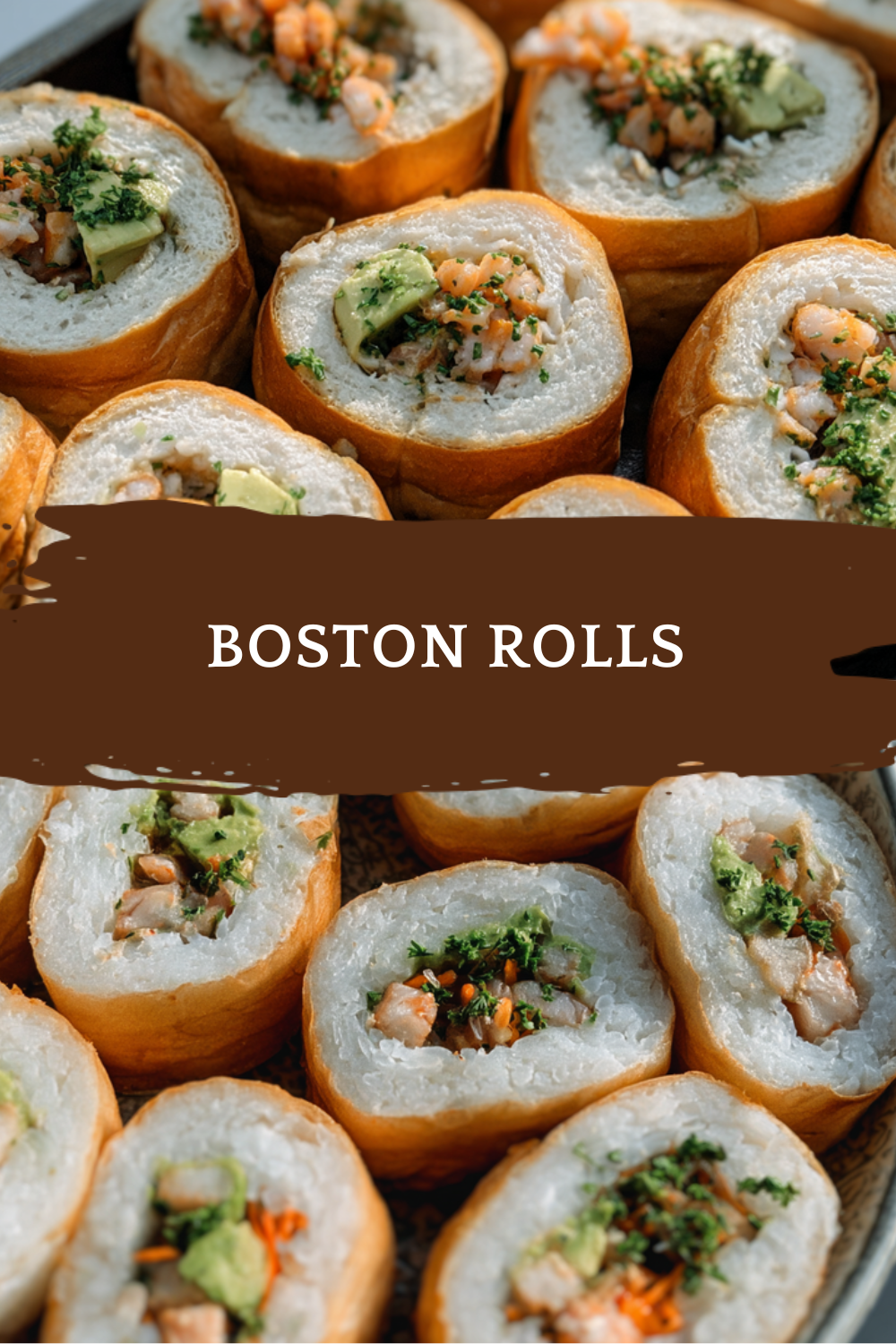
If you’ve been looking to expand your homemade sushi repertoire, Boston rolls are the perfect place to start. These delicious American-style sushi rolls combine cooked shrimp with creamy avocado and crisp cucumber for a delightful balance of textures and flavors. Whether you’re a sushi novice or an experienced home chef, this recipe offers something special for everyone.
- Ease of preparation: Unlike traditional sushi that often requires specialized techniques and raw fish handling skills, Boston rolls are incredibly beginner-friendly. With cooked shrimp instead of raw fish, there’s less concern about safety and quality of fresh seafood. The simple step-by-step process means you can create restaurant-quality Boston rolls in your kitchen in under 30 minutes, making them perfect for weeknight dinners or impressive appetizers when entertaining guests.
- Health benefits: These sushi rolls pack a nutritional punch with lean protein from shrimp, healthy monounsaturated fats from avocado, and fiber from cucumber. A standard Boston roll provides about 20-25g of protein per roll, making it a satisfying meal that supports muscle health and keeps you feeling full. The shrimp offers essential nutrients like selenium, vitamin B12, and omega-3 fatty acids, while avocado contributes potassium and heart-healthy fats. This combination creates a well-rounded meal that nourishes your body while satisfying your taste buds.
- Versatility: One of the best things about Boston rolls is how easily they adapt to different dietary needs and ingredient availability. Whether you need a gluten-free version by using tamari instead of soy sauce, or want to increase the fiber content with brown rice, this recipe can be customized to your preferences. You can also adjust the fillings based on seasonal vegetables or your family’s taste preferences, making it a go-to recipe you’ll return to again and again.
- Distinctive flavor: What sets Boston rolls apart from other sushi varieties is the perfect harmony of mild, sweet shrimp with rich, buttery avocado and crisp cucumber. The exterior is typically garnished with sesame seeds or colorful tobiko (flying fish roe) that adds a delightful crunch and visual appeal. Unlike more complex sushi rolls, the Boston roll’s flavor profile is approachable yet sophisticated, making it a hit with both sushi enthusiasts and those new to Japanese cuisine.
Jump to:
- Why You’ll Love This Boston Rolls
- Essential Ingredients for Boston Rolls
- Main Ingredients:
- Special Dietary Options:
- Vegan Substitutes:
- Gluten-free Alternatives:
- Low-calorie Options:
- How to Prepare the Perfect Boston Rolls: Step-by-Step Guide
- Preparing the Sushi Rice
- Preparing the Fillings
- Setting Up Your Sushi Station
- Assembling Your Boston Rolls
- Dietary Substitutions to Customize Your Boston Rolls
- Protein and Main Component Alternatives
- Vegetable, Sauce, and Seasoning Modifications
- Mastering Boston Rolls: Advanced Tips and Variations
- Pro Cooking Techniques
- Flavor Variations
- Presentation Tips
- Make-Ahead Options
- How to Store Boston Rolls: Best Practices
- Refrigeration
- Freezing
- Reheating
- Meal Prep Considerations
- FAQs: Frequently Asked Questions About Boston Rolls
- What is a Boston roll sushi?
- What are the main ingredients in a Boston roll?
- What’s the difference between a Boston roll and a California roll?
- How do you make a Boston roll at home?
- How many calories are in a Boston roll and is it healthy?
- Boston Rolls
- Ingredients
- Instructions
- Last Step:
- Notes
- Nutrition
- Did you make this recipe?
Essential Ingredients for Boston Rolls
Creating authentic Boston rolls at home requires the right combination of ingredients. Each component plays a crucial role in achieving the perfect balance of flavors and textures that makes this sushi roll special. Here’s everything you need to make these delicious rolls in your own kitchen.
Main Ingredients:
- 2 cups short-grain sushi rice – Essential for the proper texture and stickiness needed for rolling
- 2 1/2 cups water – For cooking the rice to the perfect consistency
- 1/3 cup rice vinegar – Provides the distinctive tangy flavor that defines sushi rice
- 2 tablespoons sugar – Balances the vinegar and creates the traditional sushi rice taste
- 1 teaspoon salt – Enhances all the flavors in the rice
- 4 sheets nori seaweed – The wrapping that holds your roll together
- 16-20 cooked medium shrimp (8-10 per roll) – The main protein that gives Boston rolls their signature flavor
- 2 ripe avocados – Adds creaminess and healthy fats
- 1 English cucumber – Provides a refreshing crunch
- 2 tablespoons sesame seeds or tobiko (flying fish roe) – For the classic topping and added texture
- Optional: 2 tablespoons Japanese mayonnaise – Adds extra creaminess if desired
- Optional: 2 tablespoons masago – Capelin roe for additional color and texture
Special Dietary Options:
Vegan Substitutes:
- Replace shrimp with marinated tofu strips, grilled eggplant, or cooked shiitake mushrooms
- Use vegan mayonnaise instead of traditional Japanese mayo
- Replace tobiko with vegan caviar alternatives made from seaweed
Gluten-free Alternatives:
- Use certified gluten-free tamari instead of soy sauce for dipping
- Check that your rice vinegar and other condiments are certified gluten-free
- Purchase nori sheets specifically labeled gluten-free
Low-calorie Options:
- Use poached or boiled shrimp instead of tempura to reduce calories
- Reduce the amount of avocado slightly or use a thinner layer
- Increase the cucumber proportion for more volume with fewer calories
- Use brown rice instead of white for increased fiber and sustained energy
How to Prepare the Perfect Boston Rolls: Step-by-Step Guide
Mastering the art of rolling sushi at home might seem intimidating, but with our detailed guide, you’ll be creating beautiful Boston rolls in no time. Follow these simple steps for delicious results that rival your favorite sushi restaurant.
Preparing the Sushi Rice
The foundation of any great sushi roll is perfectly seasoned sushi rice. Begin by rinsing 2 cups of short-grain sushi rice in a fine-mesh strainer until the water runs clear. This removes excess starch and prevents gummy rice. Transfer the rice to a medium saucepan and add 2 1/2 cups of water. Let it soak for 30 minutes, then bring to a boil over medium-high heat. Once boiling, reduce heat to low, cover, and simmer for 15-20 minutes until the water is absorbed. Remove from heat and let stand covered for 10 minutes.
While the rice steams, prepare the seasoning mixture by combining 1/3 cup rice vinegar, 2 tablespoons sugar, and 1 teaspoon salt in a small saucepan. Heat gently until the sugar dissolves, then remove from heat. Transfer the cooked rice to a wide wooden or plastic bowl (avoid metal). While the rice is still warm, pour the seasoning mixture over it and gently fold it in with a wooden paddle or spatula, using a cutting motion to avoid mashing the grains. Fan the rice as you mix to help it cool to room temperature while developing a glossy shine. Cover with a damp cloth until ready to use.
Preparing the Fillings
While your rice cools, prepare all your fillings. For the shrimp, you can either poach or use pre-cooked shrimp. If poaching, bring a pot of water to a boil with a pinch of salt, add the shrimp, and cook for 2-3 minutes until pink and opaque. Immediately transfer to an ice bath to stop cooking. Once cool, peel and devein if necessary, then slice each shrimp in half lengthwise to make them flat and easier to roll.
Peel and slice the ripe avocados lengthwise into thin strips. Sprinkle lightly with lemon juice to prevent browning if making ahead. For the cucumber, peel the English cucumber and cut it in half lengthwise. Using a spoon, scrape out the seeds, then cut the cucumber into thin julienne strips approximately the same length as your nori sheet. This ensures even distribution throughout the roll.
Setting Up Your Sushi Station
Organization is key when making sushi. Set up your workspace with all your ingredients within easy reach. You’ll need your prepared rice, nori sheets, sliced fillings, a small bowl of water (tepid with a splash of rice vinegar), a sharp knife, and a bamboo rolling mat (makisu). Cover your mat with plastic wrap to prevent the rice from sticking and make cleanup easier. Have a clean cutting board ready for slicing your finished rolls.
Assembling Your Boston Rolls
First Step: Place a sheet of nori on your covered bamboo mat with the shiny side facing down. Wet your hands with the vinegared water to prevent sticking, then grab a handful of sushi rice (about 1 cup). Gently spread the rice evenly over the nori, leaving a 1-inch border at the top edge uncovered. Press lightly to create an even layer without crushing the rice grains.
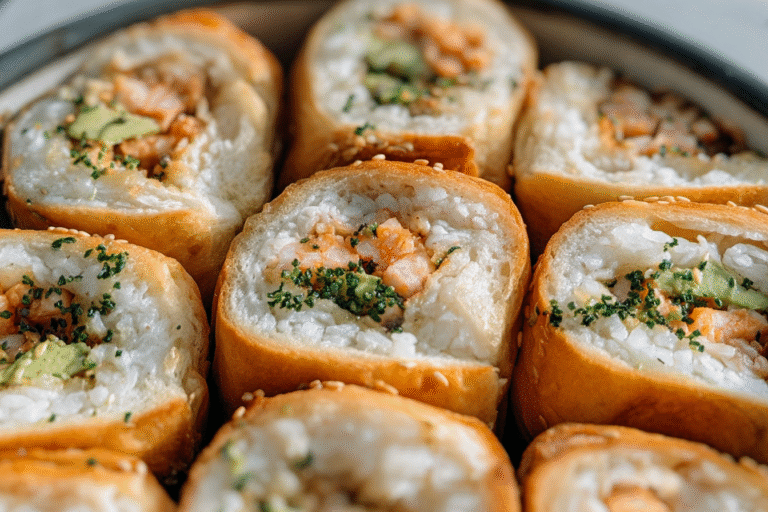
Second Step: Sprinkle about half a tablespoon of sesame seeds over the rice if using them as a topping. Carefully lift the nori and flip it over so the rice side is down on the mat and the nori side faces up. This creates an inside-out roll with the rice on the outside, which is characteristic of American-style sushi rolls like the Boston roll.
Third Step: Arrange your fillings horizontally across the nori, starting about 2 inches from the bottom. Place 4-5 shrimp halves in a line, followed by a few strips of avocado and cucumber. Be careful not to overfill or your roll won’t close properly. The fillings should extend from one side to the other but not be too thick.
Fourth Step: Using the bamboo mat, lift the bottom edge of the nori closest to you and fold it over the fillings, creating a tight cylinder. Use your fingers to hold the fillings in place as you roll forward. Apply gentle pressure with the mat to create a compact roll. Continue rolling until you reach the exposed strip of nori at the top. Dampen this strip lightly with your vinegared water and complete the roll, sealing it closed.
Final Step: Transfer the completed roll to your cutting board. Using a sharp knife dampened with water, slice the roll into 6-8 equal pieces. Use a gentle sawing motion rather than pressing down to maintain the shape of each piece. Wipe the knife clean between slices for the cleanest cuts. Arrange the pieces on a serving platter and garnish with additional sesame seeds or tobiko if desired. Serve with soy sauce, wasabi, and pickled ginger on the side.

Dietary Substitutions to Customize Your Boston Rolls
One of the wonderful aspects of sushi making is its flexibility. Whether you have dietary restrictions, allergies, or simply want to try something different, there are numerous ways to customize Boston rolls to suit your needs while still maintaining their delicious character.
Protein and Main Component Alternatives
If you’re not a fan of shrimp or need to avoid shellfish for allergy reasons, several alternatives work beautifully in Boston rolls. Grilled or poached chicken breast sliced into thin strips provides a protein-rich substitute with a mild flavor that complements the other ingredients. For seafood lovers, cooked crab meat (both real or imitation) works well and actually transforms the roll closer to a California roll style. Vegetarians might enjoy marinated tofu strips, which absorb flavors nicely and provide a protein boost without animal products.
For a different seafood option, consider using cooked lobster meat for a luxurious twist on the traditional recipe. Scallops, either seared or poached, offer a delicate sweetness that pairs wonderfully with avocado. If you prefer a fully plant-based protein, try using thinly sliced hearts of palm, which have a texture reminiscent of seafood when prepared correctly. These alternatives allow you to adapt the recipe while maintaining the essential character that makes Boston rolls special.
When working with shrimp substitutions, remember to adjust cooking times accordingly. Most alternatives should be prepared similarly cooked through but still tender and sliced to approximately the same dimensions as the original shrimp would be. This ensures proper distribution throughout the roll and maintains the balance of flavors in each bite.
Vegetable, Sauce, and Seasoning Modifications
The vegetable components of Boston rolls offer endless customization possibilities. While traditional recipes call for cucumber and avocado, these can be supplemented or replaced based on seasonal availability and personal preference. julienned carrots add sweetness and vibrant color, while thinly sliced bell peppers contribute crunch and a slightly peppery flavor. For those who enjoy a bit of heat, thin strips of jalapeño or serrano pepper can be added for a spicy kick.
Spring onions or scallions provide a mild onion flavor that complements the seafood without overpowering it. Daikon radish, either pickled or fresh, adds a pleasant crunch and subtle bite. For more adventurous eaters, consider adding shiitake mushrooms for an umami boost or fresh mango for a tropical twist that creates a delightful contrast with the savory elements.
Sauce modifications can dramatically change the flavor profile of your Boston rolls. While these rolls are traditionally served plain with dipping sauce, you can add a thin layer of Japanese mayonnaise inside the roll for extra creaminess. Spicy mayonnaise, made by mixing sriracha with Japanese mayo, adds a popular flavor combination found in many sushi restaurants. For a lighter option, try a thin drizzle of ponzu sauce, which adds citrus notes that brighten the entire roll.
Seasoning variations can also transform your rolls. Furikake, a Japanese seasoning blend containing sesame seeds, seaweed, salt, and sometimes sugar, can be sprinkled over the rice before rolling for added complexity. A light dusting of shichimi togarashi (Japanese seven-spice blend) adds subtle heat and depth. These small adjustments allow you to create a personalized version of Boston rolls that reflects your taste preferences while still honoring the traditional structure of the dish.
Mastering Boston Rolls: Advanced Tips and Variations
Once you’ve mastered the basic Boston roll technique, you might want to elevate your sushi-making skills with some professional tips and creative variations. These expert techniques will help you achieve restaurant-quality results and add your own creative touch to this popular sushi roll.
Pro Cooking Techniques
The secret to picture-perfect Boston rolls lies in proper rice preparation and rolling technique. For exceptionally fluffy yet cohesive rice, try adding a small piece of kombu (dried kelp) to the cooking water. Remove it before the water boils, and it will impart subtle umami notes to your rice. When cooling the rice after seasoning, use a handheld fan or piece of cardboard to create airflow while gently mixing. This gives each grain a glossy appearance and prevents the rice from becoming too sticky.
For the crispest cucumber strips, salt them lightly and let them sit in a colander for 10-15 minutes before adding to your rolls. This draws out excess moisture, preventing soggy rolls and maintaining that satisfying crunch. When working with avocado, choose ones that yield slightly to gentle pressure but aren’t mushy. For the cleanest cuts, chill your finished rolls in the refrigerator for 15-20 minutes before slicing. This firms the ingredients slightly, making them less likely to squish when cut.
When rolling, position your hands properly: use your thumbs and forefingers to hold the bamboo mat in place while your middle fingers apply gentle pressure to the roll. This technique ensures even compression without creating air pockets or causing ingredients to shift. If you’re struggling with inside-out rolls, try starting with traditional rolls (rice inside) until you’re comfortable with the rolling motion before progressing to the more challenging rice-outside technique.
Flavor Variations
Traditional Boston rolls are delicious on their own, but experimenting with flavor combinations can yield exciting results. For a spicy variation, add sriracha to your rice or include thin slices of jalapeño with the fillings. A New England twist incorporates small amounts of cooked lobster meat alongside the shrimp for a luxurious surf-and-turf experience. For those who enjoy contrasting temperatures, try briefly pan-searing the shrimp after slicing them, creating a warm interior against the cool cucumber and avocado.
Mediterranean-inspired Boston rolls replace traditional elements with sun-dried tomatoes, fresh basil, and a drizzle of balsamic glaze. A Latin fusion version might include mango, cilantro, and a touch of lime juice squeezed over the fillings before rolling. For an earthy variation, try adding sautéed shiitake mushrooms or a small amount of truffle oil to the rice for a sophisticated depth of flavor. These variations demonstrate the versatility of the basic Boston roll structure and invite endless culinary creativity.
Presentation Tips
The visual appeal of sushi is almost as important as its taste. For professional-looking presentation, pay attention to the thickness and uniformity of your slices. Each piece should be approximately the same size, about ¾ to 1 inch thick. When arranging on a platter, place the pieces in a slight arc rather than a straight line for more visual interest. Garnish with microgreens, edible flowers, or additional tobiko strategically placed on select pieces for color contrast.
Consider serving your Boston rolls on traditional Japanese ceramics or dark slate platters to make the vibrant colors pop. A small mound of wasabi shaped into a leaf or flower and pickled ginger arranged in a small separate dish add authentic touches. If serving to guests, provide individual small plates with small compartments for soy sauce to maintain the aesthetic presentation even as guests serve themselves.
Make-Ahead Options
Busy home cooks will appreciate that many components of Boston rolls can be prepared in advance. The sushi rice can be cooked and seasoned up to 6 hours ahead if kept covered with a damp cloth at room temperature (never refrigerate, as this ruins the texture). Vegetables can be prepped and stored separately in airtight containers in the refrigerator for up to 2 days. Shrimp can be cooked and refrigerated a day before assembling.
For optimal results, roll the Boston rolls no more than 2-3 hours before serving. Once rolled, wrap them tightly in plastic wrap and keep at room temperature if serving soon, or refrigerate if preparing further in advance. If refrigerating, allow the rolls to come to room temperature for about 15 minutes before serving, as cold sushi rice loses its ideal texture. This make-ahead approach allows you to enjoy homemade sushi even on busy weeknights or when entertaining without last-minute stress.
How to Store Boston Rolls: Best Practices
Proper storage of Boston rolls ensures food safety and maintains quality for later enjoyment. Unlike many other foods, sushi has specific storage needs due to its rice and seafood components. Following these guidelines will help you enjoy your homemade rolls at their best, whether you’re saving leftovers or planning ahead.
Refrigeration
If you need to refrigerate Boston rolls, proper wrapping is essential to prevent the rice from drying out and absorbing other flavors. Wrap the whole roll tightly in plastic wrap before storing, or if already sliced, place pieces in an airtight container with parchment paper between layers to prevent sticking. Store in the coldest part of your refrigerator, ideally at 40°F (4°C) or below. Properly refrigerated Boston rolls will maintain good quality for 24 hours, though the rice will gradually become harder and less enjoyable as time passes.
For best results, consume refrigerated rolls within the same day they’re made. When ready to eat, allow them to come to room temperature for about 15-20 minutes before serving, which helps restore some of the rice’s texture. If you refrigerated your rolls with avocado, you may notice slight browning where the flesh was exposed to air. This is natural and doesn’t affect safety, though it does impact appearance. To minimize this, toss avocado slices in a little lemon juice before assembling your rolls.
Freezing
Freezing whole Boston rolls is possible but affects texture, particularly of the rice and cucumber components. If you must freeze, do so immediately after making rather than after refrigeration. Wrap rolls very tightly in plastic wrap, then place in a freezer-safe bag or container. Label with the date and use within 1 month for best quality. When thawing, place in the refrigerator overnight and consume immediately after thawing.
It’s generally better to freeze components separately rather than assembled rolls. Sushi rice freezes surprisingly well in airtight containers for up to a month. Shrimp also freezes well for several months if properly wrapped. Cucumber and avocado don’t freeze well due to their high water content, so it’s best to use fresh ones when preparing your rolls from frozen components. This approach yields much better results than freezing fully assembled rolls.
Reheating
Unlike many other foods, Boston rolls are traditionally served at room temperature or slightly cool rather than hot. If you prefer warm sushi, you can briefly microwave individual pieces for just 5-10 seconds, taking care not to overheat as this will dramatically change the texture of both rice and nori. A better approach is to briefly pan-sear the assembled roll or individual pieces on high heat for just a few seconds per side, creating a warm exterior while keeping the interior cool.
Avoid exposing Boston rolls to high heat for extended periods, as this will make the rice gummy, the nori tough, and the avocado oily. If reheating components separately, warm the shrimp gently in a steamer or briefly in the microwave, but keep the vegetables and rice at room temperature for the best textural experience. Remember that the intended eating temperature for sushi is cool to room temperature, allowing the subtle flavors to shine without being masked by heat.
Meal Prep Considerations
For efficient meal prep, adopt a component-based approach rather than preparing complete rolls in advance. Cook and season a batch of sushi rice to use throughout the week in various forms. Prep vegetables like cucumbers, carrots, and avocados in advance, storing them properly in airtight containers. Cook a larger batch of shrimp than needed for immediate use, saving the extras in the refrigerator for quick assembly later.
Consider creating a Boston roll bowl as an alternative meal prep option. Layer sushi rice in a container with toppings of shrimp, avocado, cucumber, edamame, and pickled ginger. This deconstructed version travels well and maintains quality better than pre-rolled sushi. Add sauce components separately in small containers to prevent sogginess. This approach gives you all the flavors of Boston rolls in a format better suited to advance preparation while still providing an attractive presentation when it’s time to eat.
FAQs: Frequently Asked Questions About Boston Rolls
What is a Boston roll sushi?
What are the main ingredients in a Boston roll?
What’s the difference between a Boston roll and a California roll?
How do you make a Boston roll at home?
How many calories are in a Boston roll and is it healthy?
Boston Rolls
🍣 Crispy tempura shrimp, creamy avocado, crisp cucumber, and sweet crab in perfect rice-nori rolls—restaurant-quality sushi made simple at home.
🥢 Foolproof steps for beginners, fresh flavors without bamboo mat needed, ideal appetizer or light dinner for sushi nights!
- Total Time: 45 minutes
- Yield: 4 rolls (32 pieces)
Ingredients
– 2 cups short-grain sushi rice
– 2 1/2 cups water
– 1/3 cup rice vinegar
– 2 tablespoons sugar
– 1 teaspoon salt
– 4 sheets nori seaweed
– 16-20 cooked medium shrimp (8-10 per roll)
– 2 ripe avocados
– 1 English cucumber
– 2 tablespoons sesame seeds or tobiko (flying fish roe)
– 2 tablespoons Japanese mayonnaise
– 2 tablespoons masago
Instructions
1-Preparing the Sushi Rice: The foundation of any great sushi roll is perfectly seasoned sushi rice. Begin by rinsing 2 cups of short-grain sushi rice in a fine-mesh strainer until the water runs clear. This removes excess starch and prevents gummy rice. Transfer the rice to a medium saucepan and add 2 1/2 cups of water. Let it soak for 30 minutes, then bring to a boil over medium-high heat. Once boiling, reduce heat to low, cover, and simmer for 15-20 minutes until the water is absorbed. Remove from heat and let stand covered for 10 minutes. While the rice steams, prepare the seasoning mixture by combining 1/3 cup rice vinegar, 2 tablespoons sugar, and 1 teaspoon salt in a small saucepan. Heat gently until the sugar dissolves, then remove from heat. Transfer the cooked rice to a wide wooden or plastic bowl (avoid metal). While the rice is still warm, pour the seasoning mixture over it and gently fold it in with a wooden paddle or spatula, using a cutting motion to avoid mashing the grains. Fan the rice as you mix to help it cool to room temperature while developing a glossy shine. Cover with a damp cloth until ready to use.
2-Preparing the Fillings: While your rice cools, prepare all your fillings. For the shrimp, you can either poach or use pre-cooked shrimp. If poaching, bring a pot of water to a boil with a pinch of salt, add the shrimp, and cook for 2-3 minutes until pink and opaque. Immediately transfer to an ice bath to stop cooking. Once cool, peel and devein if necessary, then slice each shrimp in half lengthwise to make them flat and easier to roll. Peel and slice the ripe avocados lengthwise into thin strips. Sprinkle lightly with lemon juice to prevent browning if making ahead. For the cucumber, peel the English cucumber and cut it in half lengthwise. Using a spoon, scrape out the seeds, then cut the cucumber into thin julienne strips approximately the same length as your nori sheet. This ensures even distribution throughout the roll.
3-Setting Up Your Sushi Station: Organization is key when making sushi. Set up your workspace with all your ingredients within easy reach. You’ll need your prepared rice, nori sheets, sliced fillings, a small bowl of water (tepid with a splash of rice vinegar), a sharp knife, and a bamboo rolling mat (makisu). Cover your mat with plastic wrap to prevent the rice from sticking and make cleanup easier. Have a clean cutting board ready for slicing your finished rolls.
4-Assembling Your Boston Rolls: First Step: Place a sheet of nori on your covered bamboo mat with the shiny side facing down. Wet your hands with the vinegared water to prevent sticking, then grab a handful of sushi rice (about 1 cup). Gently spread the rice evenly over the nori, leaving a 1-inch border at the top edge uncovered. Press lightly to create an even layer without crushing the rice grains. Second Step: Sprinkle about half a tablespoon of sesame seeds over the rice if using them as a topping. Carefully lift the nori and flip it over so the rice side is down on the mat and the nori side faces up. This creates an inside-out roll with the rice on the outside, which is characteristic of American-style sushi rolls like the Boston roll. Third Step: Arrange your fillings horizontally across the nori, starting about 2 inches from the bottom. Place 4-5 shrimp halves in a line, followed by a few strips of avocado and cucumber. Be careful not to overfill or your roll won’t close properly. The fillings should extend from one side to the other but not be too thick. Fourth Step: Using the bamboo mat, lift the bottom edge of the nori closest to you and fold it over the fillings, creating a tight cylinder. Use your fingers to hold the fillings in place as you roll forward. Apply gentle pressure with the mat to create a compact roll. Continue rolling until you reach the exposed strip of nori at the top. Dampen this strip lightly with your vinegared water and complete the roll, sealing it closed. Final Step: Transfer the completed roll to your cutting board. Using a sharp knife dampened with water, slice the roll into 6-8 equal pieces. Use a gentle sawing motion rather than pressing down to maintain the shape of each piece. Wipe the knife clean between slices for the cleanest cuts. Arrange the pieces on a serving platter and garnish with additional sesame seeds or tobiko if desired. Serve with soy sauce, wasabi, and pickled ginger on the side.
Last Step:
Please leave a rating and comment letting us know how you liked this recipe! This helps our business to thrive and continue providing free, high-quality recipes for you.Notes
🍚 Use warm, seasoned rice for stickiness—essential for holding rolls together.
🦐 Fry shrimp hot and fast for crisp exterior, tender inside.
✨ Wet knife before slicing to prevent sticking and perfect cuts.
- Prep Time: 30 minutes
- Cook Time: 15 minutes
- Category: Appetizer
- Method: Frying
- Cuisine: Japanese
- Diet: Pescatarian
Nutrition
- Serving Size: 8 pieces
- Calories: 320 kcal
- Sugar: 4g
- Sodium: 680mg
- Fat: 12g
- Saturated Fat: 2g
- Unsaturated Fat: 8g
- Trans Fat: 0g
- Carbohydrates: 45g
- Fiber: 3g
- Protein: 12g
- Cholesterol: 85mg