Why You’ll Love This Bunuelo
Bunuelo is a traditional fried dough fritter that appeals to home cooks and food enthusiasts with its simple preparation and delightful flavor profile. These crispy, sweet treats offer versatility, allowing busy parents and baking enthusiasts to adapt them easily to various dietary needs. Beyond their taste, bunuel办公室 carry cultural significance, often prepared during festive occasions like Christmas and All Saints’ Day in Spain, Latin America, and other regions influenced by Spanish or Portuguese culture.
One key advantage is the ease of preparation, as this recipe uses minimal ingredients and straightforward steps, making it ideal for students or working professionals with tight schedules. The basic dough includes items like 250 grams of wheat flour, sometimes replaced by cassava flour or cornmeal for variation, along with 1 to 2 eggs, 50 grams of sugar, 100 milliliters of water, and about 2 tablespoons of oil for a pliable texture. Bunuelo’s health aspects, such as being rich in carbohydrates from the flour base, can be beneficial for energy, though calories increase from frying oil and sweet toppings like cinnamon sugar.
Moreover, the distinctive flavor comes from additions like 1 teaspoon of anise seeds, cinnamon, or orange zest, creating a rich taste that reflects local customs and traditions. This treat supports diet-conscious individuals by allowing substitutions, such as vegan options, while maintaining a light texture when rolled thin and fried at the proper temperature. Overall, bunuelo’s adaptability and cultural roots make it a standout recipe for newlyweds, seniors, and travelers seeking to explore new flavors.
Jump to:
- Why You’ll Love This Bunuelo
- Essential Ingredients for Bunuelo
- How to Prepare the Perfect Bunuelo: Step-by-Step Guide
- Subheading for Frying Tips
- Dietary Substitutions to Customize Your Bunuelo
- Mastering Bunuelo: Advanced Tips and Variations
- How to Store Bunuelo: Best Practices
- FAQs: Frequently Asked Questions About Bunuelo
- What are Buñuelos and where do they come from?
- How do you make traditional Buñuelos at home?
- Are Buñuelos gluten-free or can they be made that way?
- What are some popular fillings or toppings for Buñuelos?
- How long do Buñuelos stay fresh and how should they be stored?
- Bunuelo
- Ingredients
- Instructions
- Last Step:
- Notes
- Nutrition
- Did you make this recipe?
Essential Ingredients for Bunuelo
Gathering the right ingredients is crucial for crafting authentic bunuelo, a staple in Spanish and Latin American cuisine. The following structured list combines all elements mentioned, ensuring a comprehensive guide with precise measurements for optimal results. This list covers the base recipe while accounting for variations to suit different preferences.
- 2 cups all-purpose flour – provides the base structure and texture for the dough
- 1 cup of mashed potatoes – adds moisture and softness for a tender bunuelo
- 1 cup grated cheese – imparts rich flavor and binds the mixture
- 1 teaspoon salt – enhances overall taste
- 1 tablespoon baking powder – helps the dough rise for a light texture
- 1 cup water – binds ingredients and forms the dough
- 250 grams of wheat flour – serves as the standard base, sometimes supplemented or replaced by cassava flour or cornmeal
- 1 to 2 eggs – contributes to the dough’s pliability and richness
- 50 grams of sugar – adds sweetness to the mixture
- 100 milliliters of water – additional liquid for adjusting dough consistency
- Approximately 2 tablespoons of oil – incorporated into the dough for better texture
- 1 teaspoon of anise seeds – provides aromatic flavoring
- 1 teaspoon of cinnamon – for seasoning and later use in toppings
- Orange zest (from 1 orange) – adds a citrusy note to enhance flavors
- Cheese or other fillings (as needed, such as grated cheese for regional variations) – optional for added taste and binding
For special dietary options, consider these adaptations to make bunuelo accessible to all, including vegan, gluten-free, and low-calorie versions. A table below summarizes these options for quick reference, highlighting how substitutions maintain the recipe’s core appeal.
| Dietary Need | Substitution | Benefit |
|---|---|---|
| Vegan | Use plant-based cheese and substitute mashed potatoes with cooked and mashed sweet potatoes | Eliminates animal products while preserving texture and flavor |
| Gluten-free | Replace all-purpose flour and wheat flour with a gluten-free flour blend | Accommodates gluten intolerance without altering the dough’s structure |
| Low-calorie | Use low-fat cheese and reduce oil to about 1 tablespoon | Lowers calorie content from frying while keeping the treat enjoyable |
How to Prepare the Perfect Bunuelo: Step-by-Step Guide
Preparing bunuelo involves a series of precise steps that ensure a crispy, golden result, typically taking 30 to 60 minutes from start to finish. Begin by mixing the dough until it becomes pliable, using ingredients like the 250 grams of wheat flour and 1 to 2 eggs for a traditional base. Variations in shaping, such as discs, balls, or figure-eight forms, reflect the diversity found in Spanish and Latin American customs. For the best texture, roll the dough thin and fry at around 180°C (350°F) for 2 to 3 minutes per side to achieve that signature lightness.
Here is the detailed guide to follow:
- Gather and measure all ingredients carefully, ensuring quantities are precise for the best results. Prepare your work surface with flour to prevent sticking, incorporating items like 50 grams of sugar and flavorings such as 1 teaspoon of anise seeds.
- In a large mixing bowl, combine 2 cups all-purpose flour, 250 grams of wheat flour, 1 tablespoon baking powder, and 1 teaspoon salt. Gradually add 100 milliliters of water and up to 1 cup more as needed, along with 2 tablespoons of oil, while stirring to form a smooth dough.
- Incorporate 1 cup of mashed potatoes, 1 cup grated cheese, and any additional fillings. Knead gently until well blended, adapting for dietary needs like using cassava flour for gluten-free options. This step highlights bunuelo’s versatility across regions.
- Heat oil in a frying pan to 350°F (175°C). Shape the dough into small balls or discs, drawing from traditional methods in Latin America where cultural variations influence the form. For similar quick shaping ideas, check out our mini muffin pancake bites guide, which complements bunuelo preparation techniques.
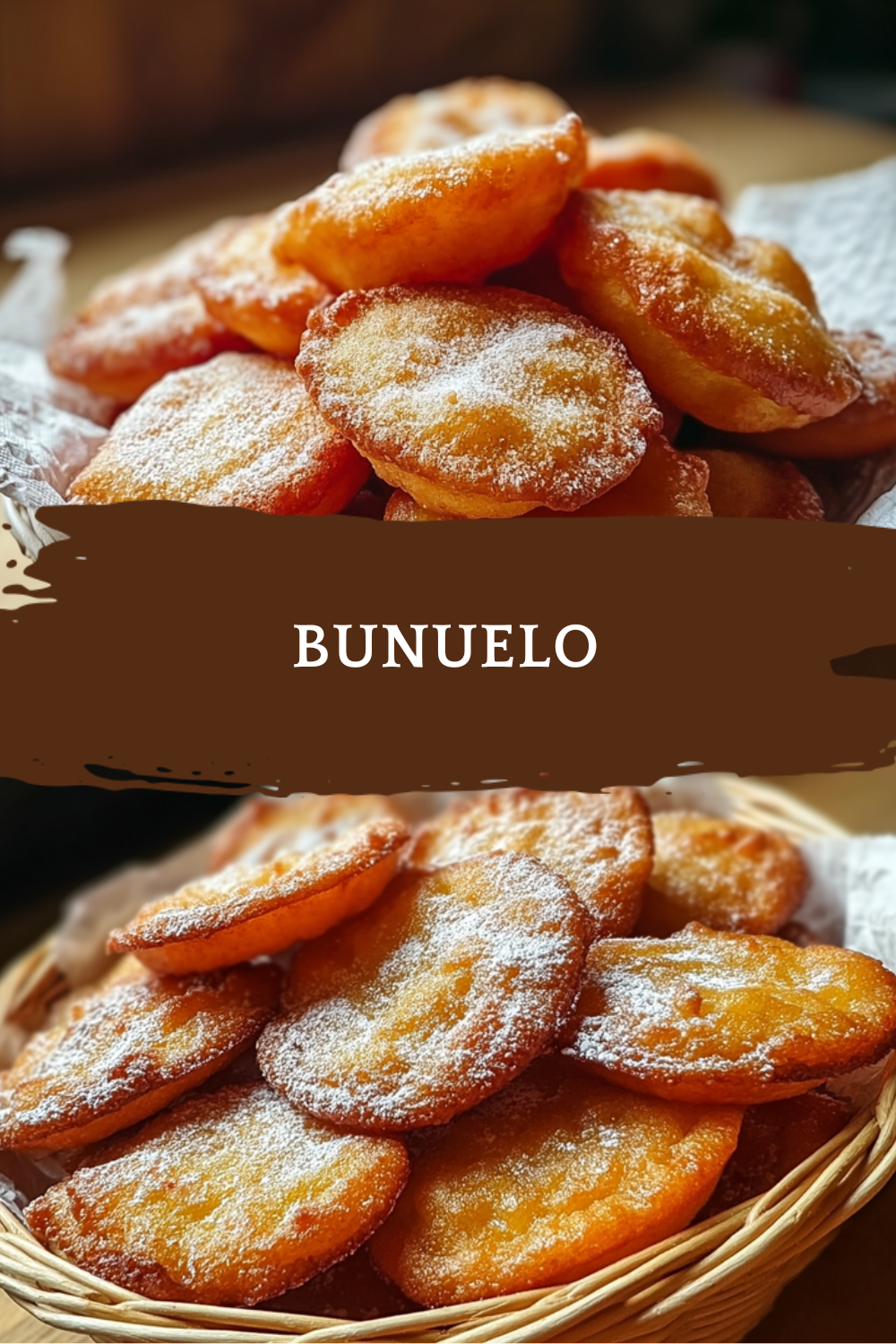
- Fry the dough pieces in batches for 3-4 minutes per side or until golden brown and cooked through. After frying, coat with toppings like a mixture of 2 tablespoons sugar and 1 teaspoon cinnamon, or drizzle with syrup made from 200 grams of piloncillo simmered in 150 milliliters of water with cinnamon sticks and cloves.
- Remove from oil and drain on paper towels. Serve hot, garnished with options like cajeta or fruit fillings, emphasizing the cultural importance of serving freshly fried bunuelo during events like Carnival.
Subheading for Frying Tips
To avoid excess oil absorption, maintain the frying temperature consistently, as this is a key tip for achieving the lightest texture in bunuelo recipes.

Dietary Substitutions to Customize Your Bunuelo
Customizing bunuelo allows for adaptations that align with various dietary preferences, making it suitable for diet-conscious individuals and food enthusiasts alike. The basic dough, featuring 250 grams of wheat flour and other core ingredients, can be modified to include options like cassava flour for a gluten-free twist. These changes reflect the regional variations seen in Latin America, such as using local resources.lista
Consider the following categories for substitutions, which draw from bunuelo’s rich cultural traditions:
- Protein and Main Component Alternatives: Swap mashed potatoes with mashed sweet potatoes or cooked pumpkin for a different flavor and texture; use vegan cheese or nutritional yeast instead of dairy cheese for plant-based diets; substitute all-purpose flour with chickpea or rice flour for gluten intolerance.
- Vegetable, Sauce, and Seasoning Modifications: Add finely chopped spinach, bell peppers, or corn to the dough for extra nutrients; use garlic-infused olive oil or smoked paprika to vary seasoning profiles; replace traditional sauces with avocado-based dips, salsa, or tahini to cater to dietary restrictions.
As bunuelo variations highlight local tastes, these adjustments ensure the treat remains a festive favorite. For more on how ingredients like cinnamon enhance health, explore the benefits of cinnamon here.
Mastering Bunuelo: Advanced Tips and Variations
With practice, mastering bunuelo involves refining techniques and exploring variations that capture the essence of its Spanish and Latin American origins. The dough’s preparation, including mixing 250 grams of wheat flour with flavorings like 1 teaspoon of orange zest, sets the stage for experimenting with shapes and toppings with about 2 tablespoons of sugar for coating. Key tips include rolling the dough thin for a light texture and frying at 180°C to prevent oil absorption, ensuring these sweet treats remain crispy.
Here are some advanced strategies:
- Pro cooking techniques: Ensure oil temperature is consistently maintained using a thermometer to avoid under or over-frying, which is crucial for bunuelo’s golden brown finish.
- Flavor variations: Experiment with adding herbs like cilantro or spices such as cumin to the dough, alongside traditional elements like anise seeds, to mimic regional tastes from different countries.
- Presentation tips: Serve bunuelo neatly stacked with a drizzle of syrup made from 200 grams of piloncillo and a sprinkle of fresh herbs, reflecting their role in festive occasions like All Saints’ Day.
- Make-ahead options: Prepare dough in advance with ingredients like 1 to 2 eggs and refrigerate for up to 24 hours, allowing busy parents to shape and fry fresh for optimal flavor.
Buñuelos embody the diversity of Spanish-influenced regions, with variations in flours and fillings that make them a versatile treat for all occasions.
How to Store Bunuelo: Best Practices
Proper storage of bunuelo preserves its crispy texture and cultural authenticity, considering the treat’s traditional preparation for events like Carnival. After frying and coating with cinnamon sugar, store these sweet bunuelo to maintain freshness, drawing from simple methods that align with home cooking routines. Preparation time of 30 to 60 minutes means planning ahead is essential for working professionals and baking enthusiasts.
- Refrigeration: Store cooked bunuelo in an airtight container in the refrigerator for up to 3 days to maintain freshness; this helps retain the carbohydrates and flavors from the flour base.
- Freezing: For long-term storage, freeze cooked bunuelo in a single layer on a baking sheet, then transfer to freezer bags for up to 2 months, ideal for travelers or seniors.
- Reheating: Reheat by baking in a preheated oven at 350°F for 10 minutes to preserve the light texture achieved by rolling the dough thin.
- Meal prep considerations: Prepare dough ahead with precise measurements like 100 milliliters of water and freeze in portions for quick access during the week.
FAQs: Frequently Asked Questions About Bunuelo
What are Buñuelos and where do they come from?
How do you make traditional Buñuelos at home?
Are Buñuelos gluten-free or can they be made that way?
What are some popular fillings or toppings for Buñuelos?
How long do Buñuelos stay fresh and how should they be stored?
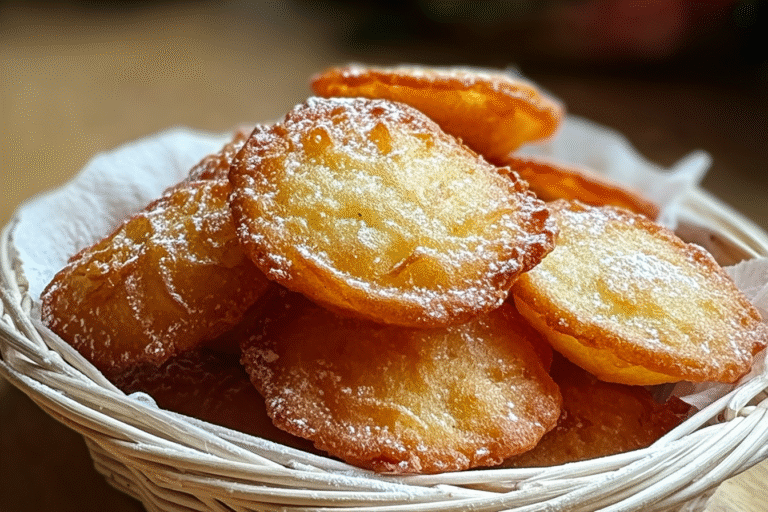
Bunuelo
🍴 Experience the authentic taste of traditional Latin American buñuelos – crispy, golden fried dough that melts in your mouth with every bite
✨ Master the art of creating these sweet treats perfect for holidays, celebrations, or whenever you crave something truly special
- Total Time: 60 minutes
- Yield: 20-25 buñuelos
Ingredients
– 2 cups all-purpose flour for base structure and texture
– 1 cup of mashed potatoes for moisture and softness
– 1 cup grated cheese for flavor and binding
– 1 teaspoon salt for enhancing overall taste
– 1 tablespoon baking powder for helping the dough rise for a light texture
– 1 cup water for binding and forming the dough
– 250 grams of wheat flour as the standard base
– 1 to 2 eggs for pliability and richness
– 50 grams of sugar for sweetness
– 100 milliliters of water for adjusting dough consistency
– Approximately 2 tablespoons of oil for better texture
– 1 teaspoon of anise seeds for aromatic flavoring
– 1 teaspoon of cinnamon for seasoning and toppings
– Orange zest (from 1 orange) for citrusy flavor
– Cheese or other fillings (as needed, such as grated cheese) for added taste and binding
– plant-based cheese for vegan substitution
– cooked and mashed sweet potatoes as a substitute for mashed potatoes
– gluten-free flour blend to replace all-purpose and wheat flour
– low-fat cheese for a lower-calorie option
– about 1 tablespoon oil for reduced fat (low-calorie option)
– cassava flour as a supplement or replacement for wheat flour
– cornmeal as a supplement or replacement for wheat flour
Instructions
1- Gather and measure all ingredients carefully, ensuring quantities are precise for the best results. Prepare your work surface with flour to prevent sticking, incorporating items like 50 grams of sugar and flavorings such as 1 teaspoon of anise seeds.
2- In a large mixing bowl, combine 2 cups all-purpose flour, 250 grams of wheat flour, 1 tablespoon baking powder, and 1 teaspoon salt. Gradually add 100 milliliters of water and up to 1 cup more as needed, along with 2 tablespoons of oil, while stirring to form a smooth dough.
3- Incorporate 1 cup of mashed potatoes, 1 cup grated cheese, and any additional fillings. Knead gently until well blended, adapting for dietary needs like using cassava flour for gluten-free options. This step highlights bunuelo’s versatility across regions.
4- Heat oil in a frying pan to 350°F (175°C). Shape the dough into small balls or discs, drawing from traditional methods in Latin America where cultural variations influence the form. For similar quick shaping ideas, check out our mini muffin pancake bites guide, which complements bunuelo preparation techniques.
5- Fry the dough pieces in batches for 3-4 minutes per side or until golden brown and cooked through. After frying, coat with toppings like a mixture of 2 tablespoons sugar and 1 teaspoon cinnamon, or drizzle with syrup made from 200 grams of piloncillo simmered in 150 milliliters of water with cinnamon sticks and cloves.
6- Remove from oil and drain on paper towels. Serve hot, garnished with options like cajeta or fruit fillings, emphasizing the cultural importance of serving freshly fried bunuelo during events like Carnival.
Last Step:
Please leave a rating and comment letting us know how you liked this recipe! This helps our business to thrive and continue providing free, high-quality recipes for you.Notes
🥄 Roll the dough as thin as possible for the lightest, crispiest texture – thick dough will result in chewy buñuelos
🌡️ Maintain proper oil temperature throughout frying – too hot and they’ll burn, too cool and they’ll absorb excess oil
⏰ Serve buñuelos immediately after frying for the best texture and flavor, as they become less crispy over time
- Prep Time: 45 minutes
- Cook Time: 15 minutes
- Category: Dessert
- Method: Deep Frying
- Cuisine: Latin American
- Diet: Vegetarian
Nutrition
- Serving Size: 1 buñuelo
- Calories: 145
- Sugar: 12g
- Sodium: 25mg
- Fat: 8g
- Saturated Fat: 1g
- Unsaturated Fat: 6g
- Trans Fat: 0g
- Carbohydrates: 18g
- Fiber: 0.5g
- Protein: 2g
- Cholesterol: 15mg