Why You’ll Love This Buttermilk
Buttermilk offers a range of appealing qualities that make it a favorite in kitchens around the world. Its ease of preparation means you can whip up dishes quickly, ideal for those with packed schedules. Plus, the health angle adds to its charm, as it brings probiotics and essential nutrients that support digestion and overall well-being.
Buttermilk’s versatility shines through in its ability to adapt to various dietary needs, from vegan to gluten-free options, ensuring everyone can enjoy its benefits. Its distinctive tangy flavor enhances recipes, providing a creamy texture that elevates everyday meals in baking and cooking. These features make buttermilk a staple worth exploring for home cooks and food enthusiasts alike.
Nutritionally, buttermilk stands out with its low-calorie profile, where per 100 grams of whole buttermilk, you get about 62 calories, 4.9 grams of protein, 3.3 grams of fat, 4.9 grams of sugars, and 88 grams of water. Low-fat versions offer around 43 calories, 3.5 grams of protein, and 1.1 grams of fat per 100 milliliters, making it a smart choice for diet-conscious individuals. To further appreciate its value, consider how health benefits of buttermilk can improve daily nutrition, as supported by reliable sources.
Health and Versatility Details
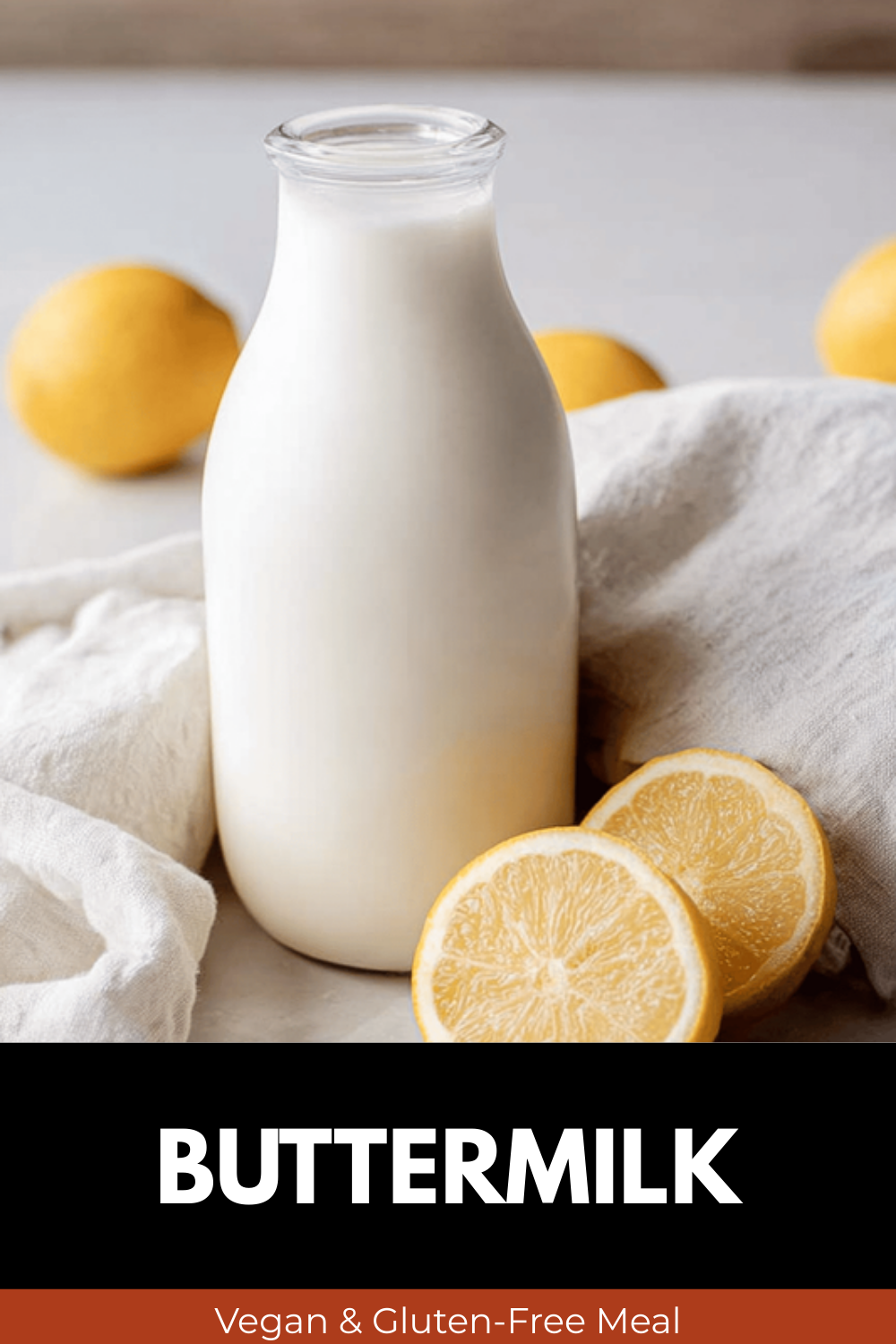
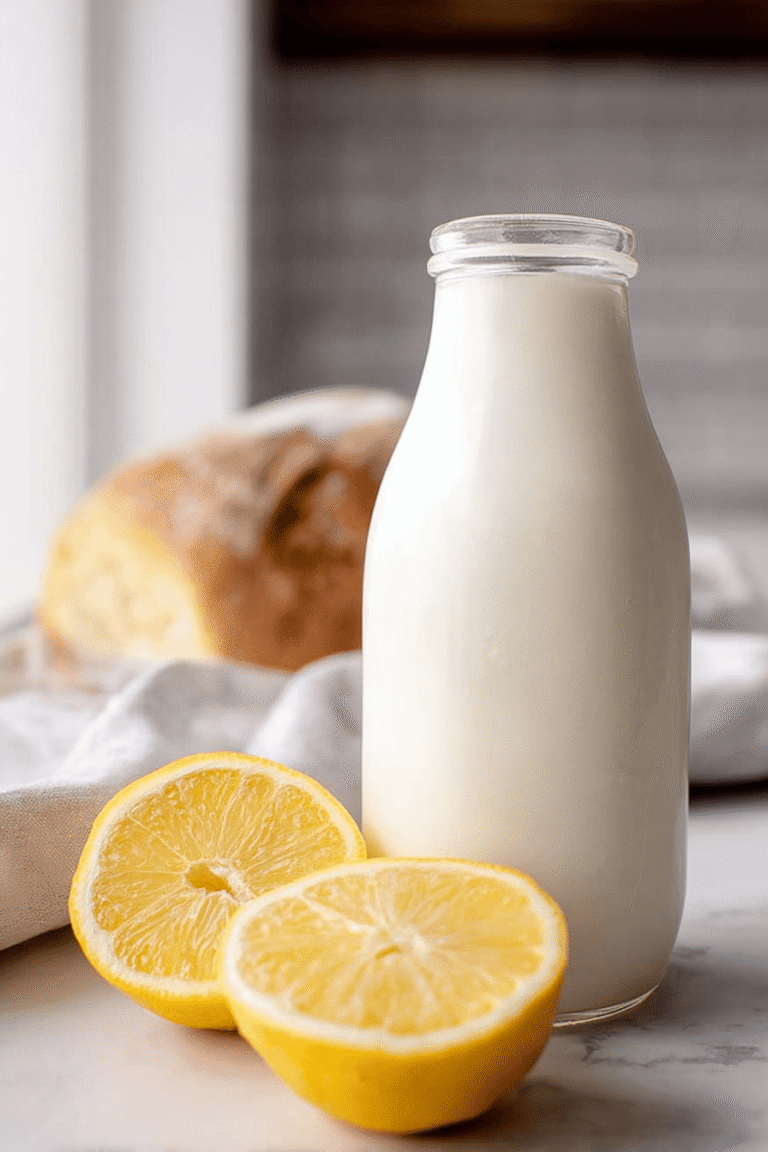
Dive deeper into why buttermilk is so beloved by exploring its traditional and modern forms. Buttermilk can be made using fresh milk, which may be whole, low-fat, or skimmed, providing options for different preferences. Cultured buttermilk involves inoculating pasteurized milk with lactic acid-producing bacteria, allowing it to ferment for several hours, which adds to its probiotic content and tangy taste.
This process not only enhances tenderness in baking recipes like pancakes but also makes it a refreshing beverage in warm climates. For those seeking quick alternatives, acidified buttermilk is a handy option, created by adding 15 milliliters of food-grade acid, such as distilled white vinegar or lemon juice, to 200 to 250 milliliters of milk and letting it sit for about 10 minutes until it curdles.
Jump to:
- Why You’ll Love This Buttermilk
- Health and Versatility Details
- Essential Ingredients for Buttermilk
- Special Dietary Adaptations
- How to Prepare the Perfect Buttermilk: Step-by-Step Guide
- Tips for Adjustments
- Dietary Substitutions to Customize Your Buttermilk
- Exploring Variations
- Mastering Buttermilk: Advanced Tips and Variations
- Nutritional and Storage Insights
- How to Store Buttermilk: Best Practices
- FAQs: Frequently Asked Questions About Buttermilk
- What is buttermilk and how is it made?
- What are the nutritional benefits of drinking buttermilk?
- How can I use buttermilk in recipes?
- Is buttermilk safe to consume for people with lactose intolerance?
- How should I store buttermilk and how long does it last?
- Buttermilk
- Ingredients
- Instructions
- Last Step:
- Notes
- Nutrition
- Did you make this recipe?
Essential Ingredients for Buttermilk
- 2 cups buttermilk – Base ingredient providing the characteristic tang and creaminess.
- 1 cup all-purpose flour – Acts as a thickening agent and structure provider.
- 1 teaspoon baking soda – Helps in leavening for a light texture.
- 1/2 teaspoon salt – Enhances the overall flavor.
These ingredients form the core of many buttermilk-based recipes, ensuring a balanced and flavorful outcome. For special dietary options, you can adapt as follows to meet various needs.
Special Dietary Adaptations
- Vegan: Use plant-based buttermilk made from almond or soy milk, and substitute flour with gluten-free alternatives as needed.
- Gluten-free: Replace all-purpose flour with certified gluten-free flour blends to maintain the recipe’s integrity.
- Low-calorie: Opt for low-fat or reduced-calorie buttermilk and consider whole grain or alternative flours for lighter options.
This structured list covers every item needed, making it simple for readers to gather exactly what is required. Buttermilk’s role here ties back to its traditional preparation, where fresh raw milk is allowed to stand, the cream separates, and it’s churned after fermentation for that authentic taste.
How to Prepare the Perfect Buttermilk: Step-by-Step Guide
Creating the perfect buttermilk dish starts with gathering all your ingredients, ensuring the buttermilk is chilled for the best mixing results. In a large bowl, combine the flour, baking soda, and salt, then slowly whisk in the buttermilk until a smooth batter forms. This step is crucial for achieving the right consistency, especially when considering cultured or acidified versions.
For vegan or gluten-free adaptations, substitute ingredients at this stage to fit your needs. Let the batter rest for 10 minutes to activate the leavening, which helps in producing fluffy results. Heat a lightly oiled skillet over medium heat and pour in batter portions, cooking each side for 2-3 minutes until golden brown.
Tips for Adjustments
Adjust cooking times slightly for vegan or gluten-free versions, as batter consistency may vary due to substitutions. Once cooked, serve warm, perhaps garnished with fresh herbs for added appeal. Remember, acidified buttermilk, made by adding acid to milk, serves as a convenient substitute when cultured buttermilk isn’t on hand, adding that tangy flavor to your dishes.
It is commonly used in baking to enhance tenderness, and you can even try it in related recipes like a creamy soup that uses similar techniques. This method not only simplifies preparation but also highlights buttermilk’s role in everyday cooking.

Dietary Substitutions to Customize Your Buttermilk
Customizing buttermilk recipes allows for greater accessibility, starting with protein and main component alternatives. For instance, replace dairy buttermilk with coconut or almond-based plant milks to cater to vegan preferences, while using chickpea flour or tapioca starch as a gluten-free thickening substitute. These changes help maintain the recipe’s essence without compromising taste or texture.
When it comes to vegetable, sauce, and seasoning modifications, swapping traditional seasonings with options like turmeric or smoked paprika can add new flavors. Incorporate seasonal vegetables such as spinach, zucchini, or bell peppers to boost nutrition and taste, making your dish more vibrant and healthy. Buttermilk’s acidity, whether from cultured or acidified methods, works wonders in marinades to add that tangy flavor, enhancing overall enjoyment.
Exploring Variations
Nutritionally, these substitutions align with buttermilk’s profile, which includes high water content and proteins that support wellness. For those watching calories, low-fat buttermilk fits perfectly, offering fewer calories while retaining key nutrients. This flexibility makes buttermilk ideal for busy parents or working professionals seeking quick, adaptable meals.
Mastering Buttermilk: Advanced Tips and Variations
To elevate your buttermilk skills, focus on pro cooking techniques like using a cast-iron skillet for even heat distribution and a superior crust. Flavor variations can include adding herbs such as rosemary, thyme, or chives to the batter, introducing fresh twists that complement buttermilk’s natural tang. Presentation is key, so garnish with items like a drizzle of honey or a sprinkle of nuts for texture and visual appeal.
Make-ahead options are perfect for students or seniors, allowing you to prepare the batter in advance and store it covered in the refrigerator for up to 24 hours. Cultured buttermilk, created through fermentation of pasteurized milk, adds depth to these variations, while acidified buttermilk provides a quick alternative for urgent needs. In baking, it enhances tenderness in items like pancakes, making it a versatile ingredient for food enthusiasts.
Nutritional and Storage Insights
| Type of Buttermilk | Calories per 100g | Protein (g) | Fat (g) |
|---|---|---|---|
| Whole Buttermilk | 62 | 4.9 | 3.3 |
| Low-Fat Buttermilk | 43 | 3.5 | 1.1 |
This table highlights the nutritional differences, aiding in informed choices. For further reading on nutritional aspects of buttermilk, explore trusted resources that detail its benefits.
How to Store Buttermilk: Best Practices
Proper storage is essential to maintain buttermilk’s freshness and quality. Refrigerate buttermilk in an airtight container, where it keeps fresh for 1-2 weeks, preserving its tangy flavor for use in recipes. Freezing offers another option, allowing it to last up to 3 months, though it may separate upon thawing, so whisk it well before use.
When reheating, warm it gently over low heat to keep its consistency intact, which is useful for meal prep. Buttermilk is often used in marinades or as a beverage in warm climates, and acidified buttermilk serves as a handy substitute when needed. To preserve freshness, always store it at proper temperatures, making it easy for travelers or newlyweds to manage their ingredients effectively.
FAQs: Frequently Asked Questions About Buttermilk
What is buttermilk and how is it made?
What are the nutritional benefits of drinking buttermilk?
How can I use buttermilk in recipes?
Is buttermilk safe to consume for people with lactose intolerance?
How should I store buttermilk and how long does it last?
Buttermilk
🥛 Discover the versatility and nutritional benefits of buttermilk in cooking and baking.
🍰 Buttermilk enhances tenderness in baked goods and adds a delicious tangy flavor to dishes.
- Total Time: Several hours (depending on method)
- Yield: Varies
Ingredients
– 2 cups buttermilk Base ingredient providing the characteristic tang and creaminess.
– 1 cup all-purpose flour Acts as a thickening agent and structure provider.
– 1 teaspoon baking soda Helps in leavening for a light texture.
– 1/2 teaspoon salt Enhances the overall flavor.
Instructions
1-Creating the perfect buttermilk dish starts with gathering all your ingredients, ensuring the buttermilk is chilled for the best mixing results. In a large bowl, combine the flour, baking soda, and salt, then slowly whisk in the buttermilk until a smooth batter forms. This step is crucial for achieving the right consistency, especially when considering cultured or acidified versions.
2-For vegan or gluten-free adaptations, substitute ingredients at this stage to fit your needs. Let the batter rest for 10 minutes to activate the leavening, which helps in producing fluffy results. Heat a lightly oiled skillet over medium heat and pour in batter portions, cooking each side for 2-3 minutes until golden brown.
Last Step:
Please leave a rating and comment letting us know how you liked this recipe! This helps our business to thrive and continue providing free, high-quality recipes for you.Notes
🥄 Use acidified buttermilk as a quick substitute when cultured buttermilk is not available.
❄️ Always refrigerate buttermilk to maintain freshness and prevent spoilage.
🍽️ Incorporate buttermilk in baking to improve texture and flavor of pancakes, cakes, and breads.
- Prep Time: 10 minutes
- Fermentation time: Several hours (for cultured buttermilk)
- Category: Cooking and Baking Ingredient
- Method: Fermentation, acidification
- Cuisine: Universal
- Diet: Vegetarian
Nutrition
- Serving Size: 100 ml
- Calories: 62
- Sugar: 4.9g
- Fat: 3.3g
- Protein: 4.9g