Why You’ll Love This Chicken And Noodles
If you’re searching for the ultimate comfort food that brings warmth to your table, look no further than this homemade chicken and noodles recipe. This classic dish has been cherished in households for generations, and for good reason. Let’s explore why this recipe deserves a permanent spot in your meal rotation.
Benefits of Homemade Chicken And Noodles
- Ease of preparation: Despite its impressive taste, this chicken noodle recipe comes together with minimal effort. With simple ingredients and straightforward techniques, even novice cooks can create a meal that tastes like it came from a grandmother’s kitchen. Most of the cooking time is hands-off, allowing you to attend to other tasks while your homemade chicken noodles simmer to perfection.
- Health benefits: Chicken broth is rich in nutrients and can support immune health, making this dish not just delicious but potentially beneficial during cold season. By controlling the ingredients in your chicken and noodles from scratch, you can reduce sodium and preservatives often found in canned alternatives. The high protein content from chicken provides essential amino acids for muscle repair and overall wellness. health benefits of chicken include lean protein and important vitamins like B6 and niacin.
- Versatility: This recipe adapts beautifully to various dietary preferences and ingredient availability. Whether you need gluten-free options, want to add more vegetables, or prefer a creamy version, the basic framework remains consistent while allowing for endless customization. It’s equally suitable for a weeknight family dinner or serving guests on special occasions. If you’re planning a complete menu for hosting, consider following it with a light dessert like strawberry shortcake trifles for a perfect meal ending.
- Distinctive flavor: The combination of tender chicken, perfectly cooked egg noodles, and aromatic herbs creates a depth of flavor that pre-made versions simply cannot match. The slow simmering process allows flavors to meld together, resulting in a rich, satisfying bowl that nourishes both body and soul. The umami notes from homemade chicken broth develop during cooking, creating a complexity that makes this old fashioned chicken and noodles recipe truly special.
“This chicken and noodles recipe is the perfect example of how simple ingredients, prepared with care, can create something extraordinary. The first time I made it for my family, my children asked for seconds and thirds!”
Jump to:
- Why You’ll Love This Chicken And Noodles
- Benefits of Homemade Chicken And Noodles
- Essential Ingredients for Chicken And Noodles
- Main Ingredients
- Special Dietary Options
- Vegan
- Gluten-Free
- Low-Calorie
- How to Prepare the Perfect Chicken And Noodles: Step-by-Step Guide
- First Step: Preparing Your Ingredients
- Second Step: Creating the Broth Base
- Third Step: Removing and Shredding the Chicken
- Fourth Step: Cooking the Noodles
- Fifth Step: Creating the Velvety Finish
- Final Step: Finishing Touches and Serving
- Dietary Substitutions to Customize Your Chicken And Noodles
- Protein and Main Component Alternatives
- Vegetable, Sauce, and Seasoning Modifications
- Mastering Chicken And Noodles: Advanced Tips and Variations
- Pro Cooking Techniques
- Flavor Variations
- Presentation Tips
- Make-Ahead Options
- How to Store Chicken And Noodles: Best Practices
- Refrigeration
- Freezing
- Reheating
- Meal Prep Considerations
- FAQs: Frequently Asked Questions About Chicken And Noodles
- Chicken And Noodles
- Ingredients
- Instructions
- Last Step:
- Notes
- Nutrition
- Did you make this recipe?
Essential Ingredients for Chicken And Noodles
Creating the perfect batch of chicken and noodles starts with quality ingredients. This list breaks down everything you’ll need, along with why each component matters to the final dish.
Main Ingredients
- 1 whole chicken (about 3-4 pounds) – Provides both the meat for the dish and the base for your homemade broth. A whole chicken yields the most flavorful results, though bone-in, skin-on pieces work well too.
- 12 ounces wide egg noodles – Traditional choice that holds up well in the broth and provides satisfying texture. Fresh or dried noodles both work, though cooking times may vary slightly. noodles come in various types, but wide egg noodles are classic for this dish.
- 2 large onions, diced – Essential aromatic base that builds flavor depth as they cook down in the broth.
- 3 large carrots, peeled and sliced – Adds sweetness and essential nutrients, plus vibrant color to the dish.
- 3 celery stalks, sliced – Provides classic flavor profile and subtle crunch that complements the tender noodles.
- 4 cloves garlic, minced – Adds aromatic depth without overpowering other flavors.
- 6 cups water – Creates the liquid base for cooking the chicken and making the broth.
- 2 bay leaves – Imparts subtle herbal notes during the broth-making process.
- 1 teaspoon dried thyme – Earthy, slightly floral flavor that complements chicken perfectly.
- 1 teaspoon black pepper – Essential seasoning that brings out other flavors.
- 1½ teaspoons salt – Enhances all flavors; adjust to taste at the end.
- 4 tablespoons butter – Adds richness and helps finish the sauce for a velvety texture.
- ¼ cup all-purpose flour – Thickens the broth slightly to create a cohesive sauce that coats the noodles.
- 1 cup frozen peas – Optional addition that provides color and sweetness.
Special Dietary Options
Vegan
- Replace chicken with firm tofu cubes or vegan chicken alternative
- Use vegetable broth instead of water for cooking
- Substitute egg noodles with wide ribbon pasta (check for egg-free varieties)
- Use plant-based butter or olive oil in place of dairy butter
- Replace all-purpose flour with a 1:1 gluten-free flour blend if needed
Gluten-Free
- Choose gluten-free wide noodles made from rice, corn, or quinoa
- Replace all-purpose flour with a 1:1 gluten-free flour blend for thickening
- Ensure all seasonings are certified gluten-free
- Verify your broth contains no gluten additives
Low-Calorie
- Use skinless chicken breasts instead of whole chicken to reduce fat content
- Reduce or omit butter
- Skip the flour thickening step for a lighter broth-based version
- Increase vegetables while maintaining the same amount of noodles and chicken
- Use salt-free seasonings to reduce sodium intake
How to Prepare the Perfect Chicken And Noodles: Step-by-Step Guide
Follow these detailed instructions to create a memorable batch of homemade chicken and noodles that will become a family favorite. This method ensures tender chicken, perfectly cooked noodles, and a flavorful broth that ties everything together.
First Step: Preparing Your Ingredients
Before starting, gather and prepare all ingredients. This “mise en place” approach makes cooking smoother and more enjoyable. Wash and chop your vegetables, ensuring uniform sizes for even cooking. Dice the onions into small, even pieces, slice the carrots and celery into rounds about ¼-inch thick, and mince the garlic finely. Remove giblets from the chicken cavity if present and rinse the chicken under cold water, patting it dry with paper towels.
For the most authentic old fashioned chicken and noodles, using a whole chicken provides the richest flavor and most tender meat. However, you can substitute with bone-in, skin-on chicken pieces if preferred. Just be aware that pieces may cook slightly faster, so adjust timing accordingly.
Second Step: Creating the Broth Base
Place the whole chicken in a large soup pot or Dutch oven. Add the diced onions, sliced carrots, celery, garlic, bay leaves, thyme, black pepper, and salt to the pot. Pour in the 6 cups of water, ensuring the chicken is mostly submerged. Bring the water to a boil over high heat, then reduce to low heat, cover, and let simmer gently for about 60-75 minutes.
During this time, the chicken will cook through, and the vegetables will release their flavors into the water, creating a rich, aromatic broth. Avoid boiling vigorously, as this can toughen the chicken meat. Instead, maintain a gentle simmer with small bubbles occasionally breaking the surface.
Third Step: Removing and Shredding the Chicken
Carefully remove the cooked chicken from the pot using two large spoons or tongs. Place it on a cutting board or large plate to cool slightly. While the chicken cools, strain the broth through a fine-mesh sieve, discarding the cooked vegetables and seasonings. Return the clear broth to the pot and bring it back to a simmer.
Once the chicken is cool enough to handle, remove the skin and discard. Pull the meat from the bones, shredding it into bite-sized pieces. Be thorough in removing any small bones or cartilage. You should have approximately 3-4 cups of shredded chicken meat, depending on the size of your bird.
Fourth Step: Cooking the Noodles
Add the shredded chicken back to the simmering broth. Bring to a gentle boil and add the egg noodles. Cook according to package directions, typically about 8-10 minutes, until the noodles are tender but still slightly firm (al dente). The noodles will continue to soften as they absorb some of the broth, so slightly undercooking them is ideal.
While the noodles cook, you might notice the broth reducing slightly. This is normal and will result in a more flavorful, concentrated dish. If the liquid seems too thick at any point, simply add a little water to reach your desired consistency. For easy homemade chicken noodles, this step requires minimal attention, making it perfect for busy cooks.
Fifth Step: Creating the Velvety Finish
Once the noodles are nearly done, it’s time to create the slightly thickened sauce that gives this dish its characteristic comforting texture. In a small bowl, whisk together the melted butter and flour to form a smooth paste. This is called a beurre manié, and it’s a classic French technique for thickening sauces without creating lumps.
Slowly whisk about ½ cup of the hot broth from your pot into the butter-flour mixture, creating a smooth slurry. Then, pour this mixture back into the main pot, stirring continuously. Let the dish simmer for an additional 2-3 minutes to cook out the raw flour taste and allow the sauce to thicken slightly. If you’re aiming for creamy chicken and noodles, this is the perfect time to stir in ½ cup of heavy cream or half-and-half for extra richness.
Final Step: Finishing Touches and Serving
Add the frozen peas (if using) in the last 2 minutes of cooking to brighten the dish with color and add a touch of sweetness. Taste your chicken and noodles and adjust seasoning as needed, adding more salt, pepper, or thyme according to your preference. Remove the bay leaves before serving.
For presentation, ladle the chicken and noodles into individual bowls and garnish with fresh parsley or chives. A crusty piece of bread on the side makes for the perfect meal. This dish is traditionally served hot but can also be enjoyed at room temperature. For a complete meal experience, consider pairing this with a light salad or roasted vegetables to balance the heartiness of the main dish. If you’re looking for a sweet treat to enjoy after dinner, banana oat chocolate chip cookies make a wonderful homemade dessert that won’t overpower your savory meal.
The beauty of this chicken and noodles from scratch approach is the ability to adjust each element to your taste. The homemade broth provides depth that store-bought versions simply cannot match, making this recipe well worth the effort.

Dietary Substitutions to Customize Your Chicken And Noodles
This versatile recipe easily adapts to various dietary needs and ingredient preferences. Below are some creative substitutions that allow everyone to enjoy this comforting dish regardless of restrictions or tastes.
Protein and Main Component Alternatives
While traditional chicken and noodles rely on poultry, you can easily modify the protein component based on availability or dietary preferences. For a heartier version, substitute turkey pieces for chicken, particularly during the holiday season when you might have leftovers. The cooking method remains identical, though turkey may require slightly longer simmering time to achieve tenderness.
For those seeking red meat options, beef short ribs or chuck roast can create a rich variation with deeper, beefier flavors. Simply replace the chicken with cubed beef and extend the simmering time to 2-2½ hours to tenderize the meat. Consider adding red wine or Worcestershire sauce to complement the beef flavors.
Seafood lovers might enjoy a light variation using salmon or white fish fillets. Since fish cooks much faster than chicken, add it in the final 5-7 minutes of cooking to prevent overcooking. The delicate nature of seafood pairs wonderfully with dill and lemon, so consider adjusting your seasonings accordingly.
For vegetarian options, replace chicken with firm tofu cubes, tempeh, or meat alternatives designed to mimic poultry texture. These plant-based proteins absorb the flavors of the broth beautifully and provide satisfying substance. Increase the variety of vegetables to add texture and color to compensate for the absence of meat.
Vegetable, Sauce, and Seasoning Modifications
The vegetable component of this dish offers endless possibilities for customization based on seasonal availability or personal preference. Consider adding hearty vegetables like parsnips, turnips, or potatoes during the winter months for extra substance. These root vegetables can be cooked along with the initial broth-making step.
For spring and summer variations, incorporate lighter vegetables like zucchini, green beans, or fresh corn. Add these during the final 10 minutes of cooking to preserve their texture and vibrant color. Spinach or kale can be stirred in at the very end, wilting slightly from the residual heat while adding nutrition and color.
If you prefer a tomato-based sauce rather than the traditional broth, simply substitute 2-3 cups of your homemade chicken broth with crushed tomatoes or tomato sauce. This creates a completely different flavor profile reminiscent of Italian cuisine, especially when complemented with basil, oregano, and a touch of red pepper flakes.
For an Asian-inspired variation, season the broth with soy sauce, ginger, and sesame oil in place of the traditional herbs. Consider swapping egg noodles for udon or rice noodles to complete the transformation. A splash of rice vinegar and some sliced green onions just before serving add authentic finishing touches.
Creamy variations can be achieved by stirring in heavy cream, cream cheese, or a roux made with additional butter and flour. For a lighter creaminess, evaporated milk or coconut milk (for a dairy-free option) work beautifully. Some cooks enjoy adding a small amount of Dijon mustard to the creamy base for added depth and tanginess.
The seasoning blend can also be customized to your taste. Fresh herbs like rosemary, sage, or parsley add brightness when added at the end. For a smoky element, consider adding a small amount of smoked paprika or even a drop of liquid smoke. Citrus zest, particularly lemon or orange, brightens the overall flavor profile and cuts through the richness of the dish.
Mastering Chicken And Noodles: Advanced Tips and Variations
Take your homemade chicken noodles to the next level with these professional techniques and creative variations. Whether you’re looking to perfect the texture, expand the flavor profile, or streamline your preparation process, these tips will help you create restaurant-quality results in your own kitchen.
Pro Cooking Techniques
The secret to exceptionally rich flavor lies in the broth-making process. For the most robust base, brown the chicken pieces in butter or oil before adding water. This Maillard reaction creates deep, savory compounds that transform the final dish. Similarly, sautéing the vegetables in the same fat before adding liquid releases their natural sugars and intensifies their flavor.
For the silkiest sauce consistency, create a slurry with cornstarch and cold liquid rather than flour. This method produces a clearer, glossier finish that showcases the noodles and chicken beautifully. Simply whisk 2 tablespoons of cornstarch with 3 tablespoons of cold water or broth until smooth, then stir into the simmering liquid during the final minutes of cooking.
Temperature control is crucial when cooking noodles in the broth. Too vigorous a boil will break down the noodles and make the broth cloudy and starchy. Maintain a gentle simmer, where bubbles occasionally break the surface, to preserve the integrity of both broth and noodles. This approach ensures distinct components that come together harmoniously rather than becoming a uniform, mushy mixture.
Flavor Variations
Transform your basic chicken and noodles recipe with these creative seasoning combinations:
| Variation | Additional Seasonings | Special Ingredients |
|---|---|---|
| Herb Garden Fresh | Dill, parsley, tarragon | Lemon juice, zest |
| Southwestern Style | Cumin, chili powder, oregano | Corn, black beans, cilantro |
| French Country | Herbes de Provence, shallots | White wine, cream |
| Mediterranean | Oregano, basil, rosemary | Olives, sun-dried tomatoes |
For a smoky, rich version, add a piece of smoked meat like ham hock or bacon to the pot while making the broth. This technique, common in Southern cooking, adds incredible depth without overpowering the chicken flavor. Simply remove the meat before adding the noodles, chop it into bite-sized pieces, and return it to the pot.
Umami lovers can enhance the savory notes with a small amount of soy sauce, fish sauce, or miso paste. These ingredients work in small quantities a teaspoon or two and add complex savory notes without being identifiable in the final dish.
Presentation Tips
Transform this humble comfort food into an elegant dish with thoughtful plating. Use wide, shallow bowls rather than deep soup bowls to showcase the components. Before ladling, place a fresh sprig of thyme or parsley in the center of each bowl. As you pour the chicken and noodles, the herb will remain visible, adding a pop of color and signaling freshness.
For special occasions, consider serving the components separately. Present shredded chicken and noodles in one bowl and pour the broth from a separate tureen tableside. This interactive presentation allows guests to control the ratio of broth to solids and makes the meal feel more sophisticated.
Garnishes elevate both appearance and flavor. A sprinkle of freshly ground black pepper, a few red pepper flakes for heat, or a dollop of sour cream can completely transform the dish. Fresh bread or homemade crackers served alongside make for a complete, satisfying meal.
Make-Ahead Options
Despite being relatively quick to prepare, this recipe lends itself well to advance preparation. The broth and chicken can be made up to three days ahead and stored separately. Simply refrigerate the broth after straining and store the shredded chicken in an airtight container. When ready to complete the dish, reheat the broth, add the noodles, and proceed with the final steps.
For those who enjoy meal prep, consider making a double batch and portioning it into individual containers for the week. The flavors actually improve after a day or two in the refrigerator as they continue to meld. If freezing, keep in mind that noodles may absorb more liquid and become slightly softer when reheated, so you might want to add a splash of water or broth when warming.
How to Store Chicken And Noodles: Best Practices
Proper storage ensures your delicious homemade chicken noodles remains safe to eat and maintains its quality for future meals. These guidelines will help you get the most out of your cooking efforts while reducing food waste.
Refrigeration
Allow your chicken and noodles to cool to room temperature within two hours of cooking before refrigerating. Place in an airtight container and refrigerate promptly. Properly stored, it will maintain quality for 3-4 days in the refrigerator. The broth may thicken considerably when cold, but will return to its original consistency when reheated.
For the best results, store the broth with noodles and chicken together, as the noodles continue to absorb flavor while refrigerated. If you prefer to keep components separate, store the broth in one container and the noodles and chicken in another. This approach prevents noodles from becoming overly soft.
Freezing
This recipe freezes beautifully for up to 3 months when prepared properly. Allow the dish to cool completely before transferring to freezer-safe containers or heavy-duty freezer bags. Leave about an inch of space at the top of containers to allow for expansion during freezing. If using bags, lay them flat initially for easier stacking once frozen.
Label each container with the date and contents for easy identification. While frozen chicken noodles remain safe indefinitely, quality is best maintained within the first three months. For optimal texture, consider undercooking the noodles slightly if you plan to freeze the dish, as they will continue to soften when reheated.
Reheating
When ready to enjoy your stored chicken noodles, thaw frozen portions in the refrigerator overnight before reheating. Reheat gently over medium-low heat, stirring occasionally to prevent sticking. If the dish seems too thick, add a splash of water, broth, or milk to reach the desired consistency.
Microwave reheating works well for individual portions. Place in a microwave-safe container and cover loosely to prevent splatters. Heat in 90-second intervals, stirring between each, until heated through. This prevents overheating in spots while other areas remain cold.
Meal Prep Considerations
For efficient meal planning, consider batching your chicken noodle preparation. Make a large pot over the weekend and portion into individual containers for lunches throughout the week. The flavors develop beautifully over a few days, making it an ideal make-ahead meal.
When prepping for the week, consider adding fresh garnishes like herbs or a squeeze of lemon just before serving. These small touches brighten the flavors and make each meal feel freshly prepared despite being made in advance.
Remember that while this dish reheats well, the noodles will continue to absorb liquid over time. If you notice your meal prep containers have become very thick by mid-week, simply add a splash of broth or water when reheating to restore the perfect consistency.
FAQs: Frequently Asked Questions About Chicken And Noodles
Print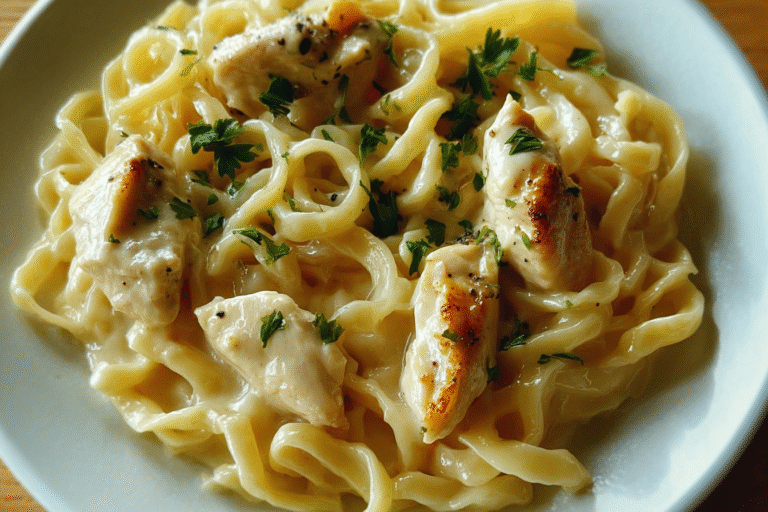
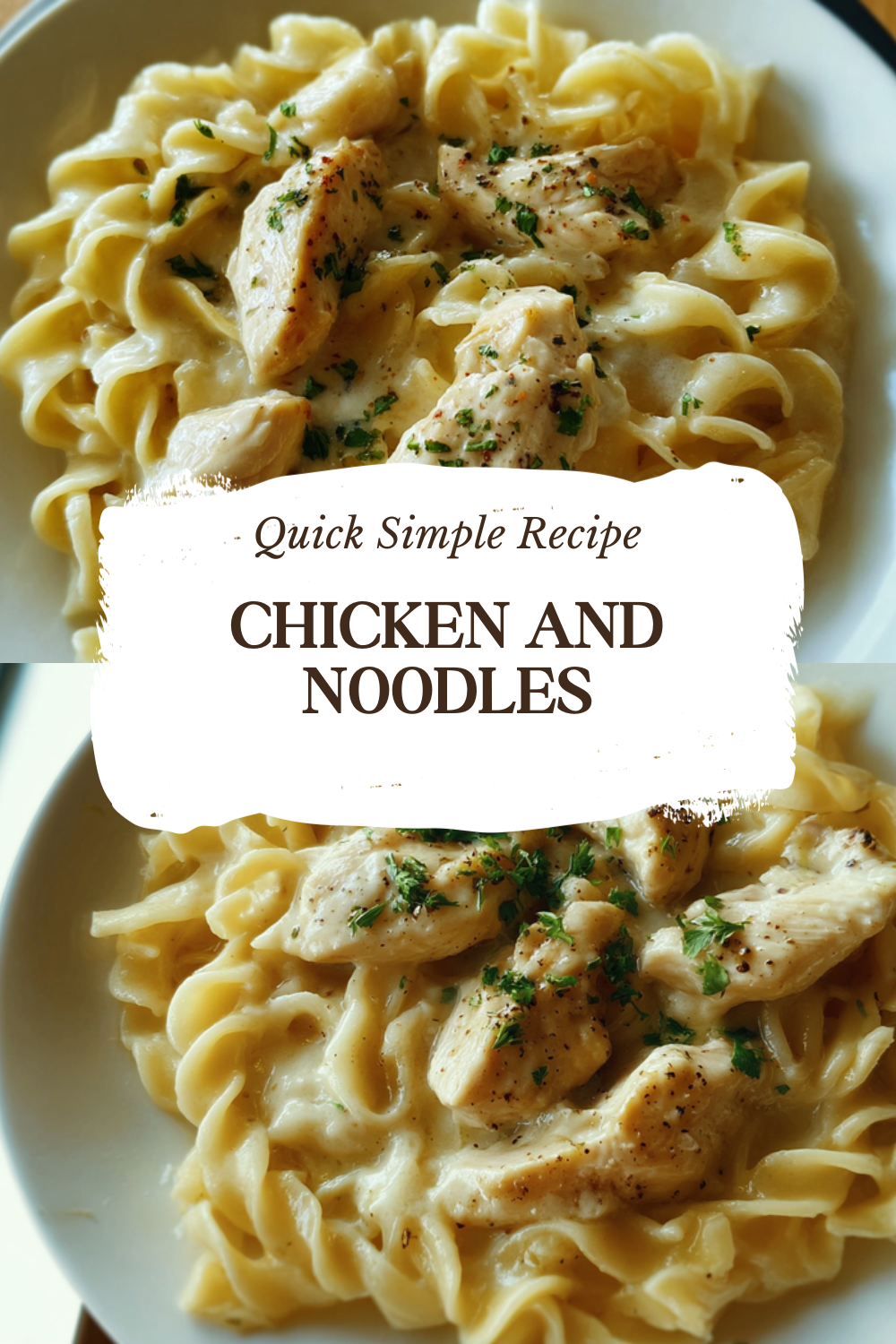
Chicken And Noodles
🍜 Velvety homemade broth envelopes tender shredded chicken and chewy egg noodles in a comforting classic that warms from the inside out.
🐔 Superior to canned versions with fresh flavors, simple stovetop simmer yields family-sized pot of cozy goodness in about an hour!
- Total Time: 1 hour 5 minutes
- Yield: 6 servings
Ingredients
– 1 whole chicken (about 3-4 pounds)
– 12 ounces wide egg noodles
– 2 large onions, diced
– 3 large carrots, peeled and sliced
– 3 celery stalks, sliced
– 4 cloves garlic, minced
– 6 cups water
– 2 bay leaves
– 1 teaspoon dried thyme
– 1 teaspoon black pepper
– 1½ teaspoons salt
– 4 tablespoons butter
– ¼ cup all-purpose flour
– 1 cup frozen peas
Instructions
1-First Step: Preparing Your Ingredients Before starting, gather and prepare all ingredients. This “mise en place” approach makes cooking smoother and more enjoyable. Wash and chop your vegetables, ensuring uniform sizes for even cooking. Dice the onions into small, even pieces, slice the carrots and celery into rounds about ¼-inch thick, and mince the garlic finely. Remove giblets from the chicken cavity if present and rinse the chicken under cold water, patting it dry with paper towels. For the most authentic old fashioned chicken and noodles, using a whole chicken provides the richest flavor and most tender meat. However, you can substitute with bone-in, skin-on chicken pieces if preferred. Just be aware that pieces may cook slightly faster, so adjust timing accordingly.
2-Second Step: Creating the Broth Base Place the whole chicken in a large soup pot or Dutch oven. Add the diced onions, sliced carrots, celery, garlic, bay leaves, thyme, black pepper, and salt to the pot. Pour in the 6 cups of water, ensuring the chicken is mostly submerged. Bring the water to a boil over high heat, then reduce to low heat, cover, and let simmer gently for about 60-75 minutes. During this time, the chicken will cook through, and the vegetables will release their flavors into the water, creating a rich, aromatic broth. Avoid boiling vigorously, as this can toughen the chicken meat. Instead, maintain a gentle simmer with small bubbles occasionally breaking the surface.
3-Third Step: Removing and Shredding the Chicken Carefully remove the cooked chicken from the pot using two large spoons or tongs. Place it on a cutting board or large plate to cool slightly. While the chicken cools, strain the broth through a fine-mesh sieve, discarding the cooked vegetables and seasonings. Return the clear broth to the pot and bring it back to a simmer. Once the chicken is cool enough to handle, remove the skin and discard. Pull the meat from the bones, shredding it into bite-sized pieces. Be thorough in removing any small bones or cartilage. You should have approximately 3-4 cups of shredded chicken meat, depending on the size of your bird.
4-Fourth Step: Cooking the Noodles Add the shredded chicken back to the simmering broth. Bring to a gentle boil and add the egg noodles. Cook according to package directions, typically about 8-10 minutes, until the noodles are tender but still slightly firm (al dente). The noodles will continue to soften as they absorb some of the broth, so slightly undercooking them is ideal. While the noodles cook, you might notice the broth reducing slightly. This is normal and will result in a more flavorful, concentrated dish. If the liquid seems too thick at any point, simply add a little water to reach your desired consistency. For easy homemade chicken noodles, this step requires minimal attention, making it perfect for busy cooks.
5-Fifth Step: Creating the Velvety Finish Once the noodles are nearly done, it’s time to create the slightly thickened sauce that gives this dish its characteristic comforting texture. In a small bowl, whisk together the melted butter and flour to form a smooth paste. This is called a beurre manié, and it’s a classic French technique for thickening sauces without creating lumps. Slowly whisk about ½ cup of the hot broth from your pot into the butter-flour mixture, creating a smooth slurry. Then, pour this mixture back into the main pot, stirring continuously. Let the dish simmer for an additional 2-3 minutes to cook out the raw flour taste and allow the sauce to thicken slightly. If you’re aiming for creamy chicken and noodles, this is the perfect time to stir in ½ cup of heavy cream or half-and-half for extra richness.
6-Final Step: Finishing Touches and Serving Add the frozen peas (if using) in the last 2 minutes of cooking to brighten the dish with color and add a touch of sweetness. Taste your chicken and noodles and adjust seasoning as needed, adding more salt, pepper, or thyme according to your preference. Remove the bay leaves before serving. For presentation, ladle the chicken and noodles into individual bowls and garnish with fresh parsley or chives. A crusty piece of bread on the side makes for the perfect meal. This dish is traditionally served hot but can also be enjoyed at room temperature. For a complete meal experience, consider pairing this with a light salad or roasted vegetables to balance the heartiness of the main dish. If you’re looking for a sweet treat to enjoy after dinner, banana oat chocolate chip cookies make a wonderful homemade dessert that won’t overpower your savory meal. The beauty of this chicken and noodles from scratch approach is the ability to adjust each element to your taste. The homemade broth provides depth that store-bought versions simply cannot match, making this recipe well worth the effort.
Last Step:
Please leave a rating and comment letting us know how you liked this recipe! This helps our business to thrive and continue providing free, high-quality recipes for you.Notes
🐔 Bone-in chicken yields richest broth; rotisserie works for shortcut.
🍜 Add noodles last to prevent mushiness in leftovers.
🥄 Slurry thickens perfectly—whisk well to avoid lumps.
- Prep Time: 15 minutes
- Cook Time: 50 minutes
- Category: Main Course
- Method: Stovetop
- Cuisine: American
- Diet: Omnivore
Nutrition
- Serving Size: 1.5 cups
- Calories: 380 kcal
- Sugar: 5g
- Sodium: 900mg
- Fat: 15g
- Saturated Fat: 4g
- Unsaturated Fat: 9g
- Trans Fat: 0g
- Carbohydrates: 38g
- Fiber: 3g
- Protein: 30g
- Cholesterol: 120mg