
Why You’ll Love This Chicken Stock
This chicken stock recipe stands out because it’s simple and rewarding for anyone in the kitchen. You’ll appreciate how straightforward it is to blend basic ingredients into something that boosts your meals with rich, homemade flavor. Plus, it’s packed with benefits that make it a go-to option for busy days or special dinners.
First, think about how easy it is to put together. This recipe uses leftovers like chicken bones to create a base that’s perfect for soups and sauces without much fuss. It’s a great way to stretch your ingredients and reduce waste, appealing to home cooks and busy parents alike. What makes it even better is the health angle full of nutrients that support your body in simple ways.
From boosting immunity to aiding digestion, chicken stock adds value beyond taste. It’s versatile too, fitting into all kinds of diets from gluten-free to low-sodium. Whether you’re a student whipping up a quick meal or a food enthusiast experimenting with flavors, this stock brings everything together nicely.
- Ease of preparation: This chicken stock recipe is incredibly simple and quick to make, allowing even beginners to prepare a flavorful base without spending hours in the kitchen. Its straightforward steps ensure minimal effort and maximum taste.
- Health benefits: Rich in essential nutrients, this homemade chicken stock supports joint health, boosts immunity, and aids digestion. Packed with collagen and minerals, it’s a nourishing addition to your diet.
- Versatility: Adaptable to a wide range of dietary preferences, this stock can be tailored for low-sodium, gluten-free, or paleo diets. Use it as a base for soups, stews, or sauces to enhance any meal.
- Distinctive flavor: The slow simmering of fresh chicken bones with aromatic vegetables creates a deep, rich flavor that stands out from store-bought options, giving your dishes an authentic homemade touch.
To get you started, chicken stock works wonders in recipes like a classic baked chicken dish. For more ideas, check out our guide on baked chicken breast to see how it elevates everyday meals.
Jump to:
- Why You’ll Love This Chicken Stock
- Essential Ingredients for Chicken Stock
- Special Dietary Options
- How to Prepare the Perfect Chicken Stock: Step-by-Step Guide
- Dietary Substitutions to Customize Your Chicken Stock
- Mastering Chicken Stock: Advanced Tips and Variations
- Pro Cooking Techniques
- Flavor Variations
- How to Store Chicken Stock: Best Practices
- FAQs: Frequently Asked Questions About Chicken Stock
- What is chicken stock and how is it different from chicken broth?
- How do I make homemade chicken stock from scratch?
- How long can homemade chicken stock be stored safely?
- What are the health benefits of using chicken stock in cooking?
- Can I use chicken stock as a substitute for water in recipes?
- Chicken Stock
- Ingredients
- Instructions
- Last Step:
- Notes
- Nutrition
- Did you make this recipe?
Essential Ingredients for Chicken Stock
Building a great chicken stock starts with the right mix of ingredients, and getting the measurements just right makes all the difference. This section covers everything you need to gather before you begin, ensuring your stock turns out flavorful and nutritious. By using precise quantities, you’ll create a base that’s both reliable and easy to customize.
Here’s a structured list of all the ingredients required for this recipe. Each one is listed with its exact measurement to help you shop and prepare without any guesswork:
- 1 rotisserie chicken with meat removed (only bones and skin remain)
- 2 ribs celery with leaves, cut into chunks
- 2 medium carrots cut into chunks
- 2 medium onions cut into chunks
- 2 bay leaves
- 10 whole peppercorns
- 1/2 teaspoon rosemary
- 1/2 teaspoon thyme
- 8 cups cold water
- 2 tablespoons chicken bouillon or 6 chicken bouillon cubes
These ingredients work together to build layers of taste, with vegetables adding sweetness and herbs bringing in subtle notes. If you’re watching your diet, remember that this list fits gluten-free needs naturally, and you can tweak it for other preferences. Always measure carefully to avoid overpowering flavors and keep things balanced.
Special Dietary Options
For those with specific needs, here are some quick swaps. A vegan version swaps chicken bones for veggies like mushrooms, while keeping it low-calorie means sticking to just bones and herbs. This keeps the stock accessible for everyone from diet-conscious folks to baking enthusiasts.
How to Prepare the Perfect Chicken Stock: Step-by-Step Guide
Making chicken stock at home is a hands-on process that’s fun and straightforward, perfect for beginners and pros alike. Follow these steps to turn simple ingredients into a rich base for your favorite dishes. We’ll cover everything from start to finish so you can enjoy the results with minimal hassle.
First, gather your ingredients and place the chicken bones and skin, vegetables, spices, and water in a large pot. This sets the stage for flavors to blend seamlessly. Next, bring everything to a boil over medium heat and skim off any foam that forms to keep your stock clear and clean.
- Gather all ingredients and rinse the chicken bones under cold water to remove impurities.
- Place bones in a large stockpot and cover with cold water, about 8 cups as specified.
- Slowly bring to a gentle simmer over medium heat while skimming off any foam or scum.
- Add chopped vegetables, bay leaves, peppercorns, rosemary, and thyme then reduce heat to low and cover.
- Simmer for at least 2 hours, occasionally checking and skimming for the best results.
- Remove from heat and let cool before straining through a fine sieve, discarding solids, and seasoning with chicken bouillon to taste.
Once done, your stock is ready to store and use. For a shortcut, try using a pressure cooker to cut down cooking time to about 30 minutes on high pressure, which is a tip that works great for working professionals. If you want to explore more chicken-based meals, our recipe for chicken enchiladas shows how this stock can add depth to Mexican-inspired dishes.

Dietary Substitutions to Customize Your Chicken Stock
Tailoring chicken stock to your needs is easy and fun, letting you adapt recipes for different tastes or restrictions. Whether you’re avoiding certain ingredients or experimenting with flavors, these swaps keep things simple yet effective. This way, everyone from newlyweds to seniors can enjoy a personalized version.
Protein and Main Component Alternatives: You can substitute chicken bones with turkey or beef bones for a different twist. For vegan diets, swap everything with mushrooms, seaweed, and root vegetables to capture that umami without animal products.
Vegetable, Sauce, and Seasoning Modifications: Try leeks or parsnips instead of carrots and celery for variety. Swap seasonings with fresh herbs like thyme or rosemary, and for lower sodium options, skip the salt and add a splash of lemon juice at the end.
Mastering Chicken Stock: Advanced Tips and Variations
Once you have the basics down, it’s time to level up your chicken stock game with some expert advice. These tips help you refine flavors and make the process even more efficient, ideal for food enthusiasts who love to innovate. By trying new techniques, you’ll discover how versatile this staple can be.
Pro Cooking Techniques
Roast the chicken bones before simmering to add a deeper, richer color and taste to your stock. This method works wonders for creating a more robust base that stands out in any recipe.
Flavor Variations
Experiment by adding ginger and star anise for an Asian flair or tomatoes and basil for a Mediterranean vibe. These changes keep things exciting and match different global cuisines you might enjoy.
Presentation tips: Add fresh herbs as a garnish when using the stock in soups. Make-ahead options: Freeze in ice cube trays for easy portions, and remember our earlier tip about simmering longer for deeper flavor, up to 24 hours if you have time.
| Nutrient | Amount per Serving |
|---|---|
| Calories | 22 |
| Carbohydrates | 5g |
| Protein | 1g |
| Fat | 0.1g |
| Vitamin A | 2604 IU |
As you can see from the nutritional breakdown, this stock is a healthy choice. For more on nutrition, check out nutritional guidelines from health experts.
How to Store Chicken Stock: Best Practices
Proper storage keeps your chicken stock fresh and safe, extending its usability for future meals. Follow these steps to maintain quality whether you’re refrigerating or freezing. It’s a simple way to make meal prep easier for busy parents and working pros.
Refrigeration: Keep stock in airtight containers in the fridge for up to 4 days, and remember to skim off any fat that rises after cooling. Freezing: Portion into 2-cup batches and store in sealed containers for up to 3 months. Reheating: Warm gently over low heat to keep flavors intact, and always label with dates for quick reference.
FAQs: Frequently Asked Questions About Chicken Stock
What is chicken stock and how is it different from chicken broth?
How do I make homemade chicken stock from scratch?
How long can homemade chicken stock be stored safely?
What are the health benefits of using chicken stock in cooking?
Can I use chicken stock as a substitute for water in recipes?
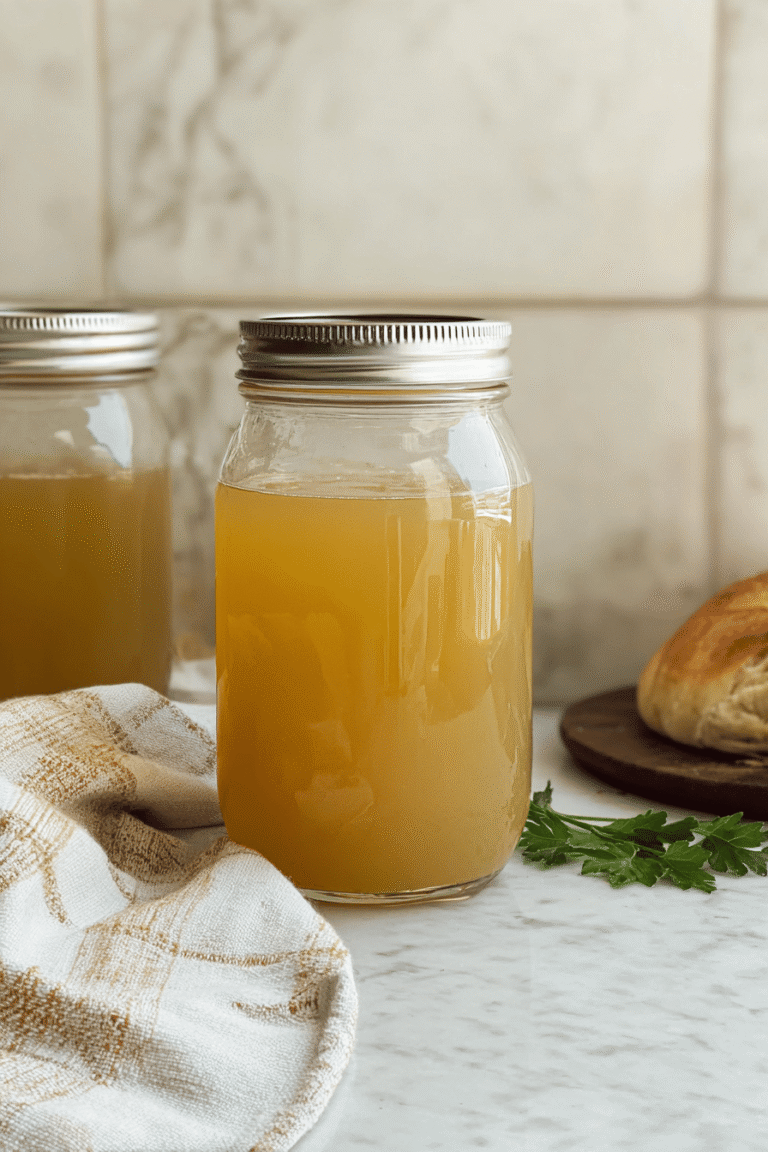
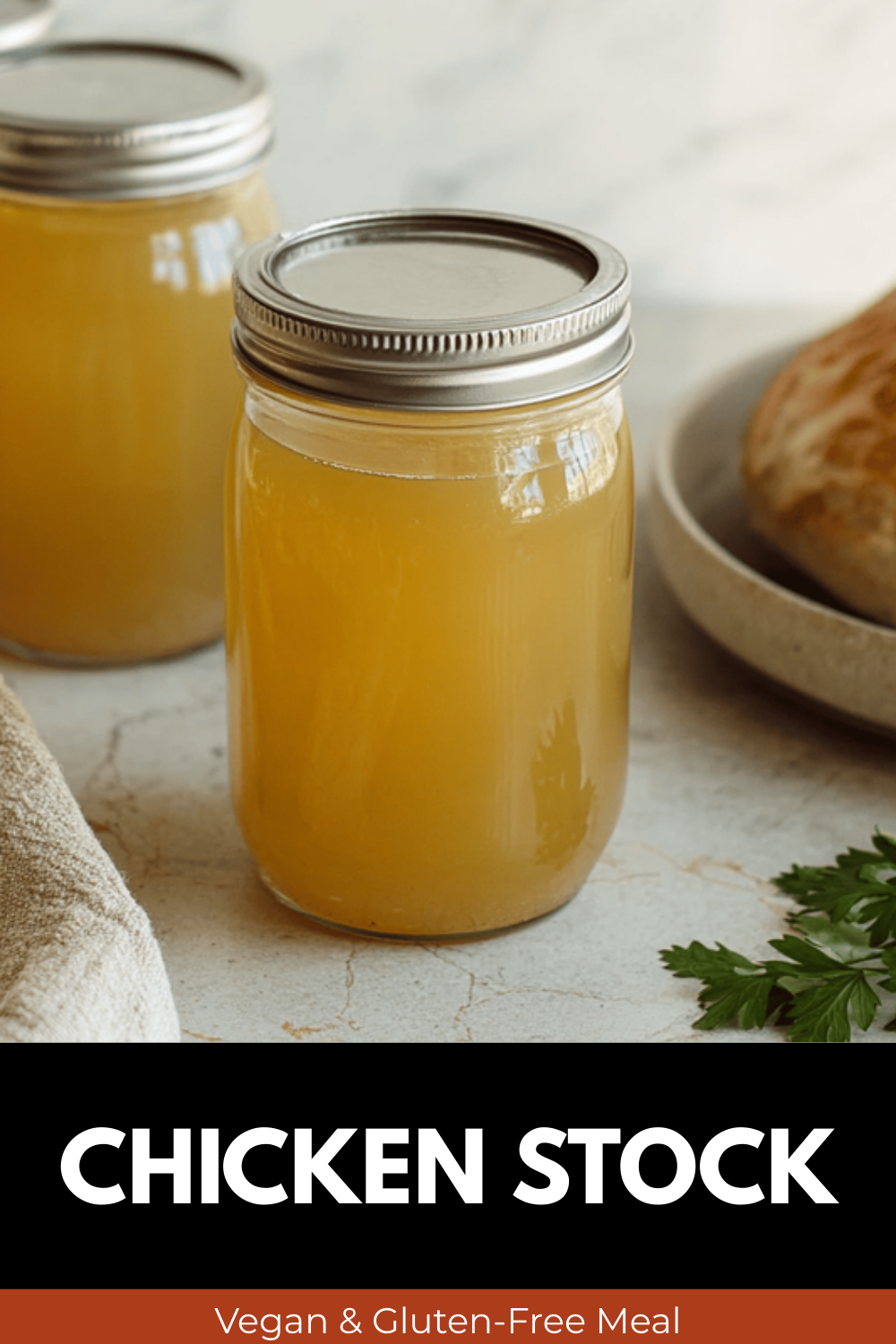
Chicken Stock
🍲 Discover how to make rich, flavorful chicken stock using simple ingredients and easy preparation steps.
🥄 This homemade stock is perfect for enhancing soups, sauces, and many recipes with natural depth and nutrition.
- Total Time: 2 hours 10 minutes
- Yield: About 8 cups
Ingredients
– 1 rotisserie chicken with meat removed (only bones and skin remain)
– 2 ribs celery with leaves, cut into chunks
– 2 medium carrots cut into chunks
– 2 medium onions cut into chunks
– 2 bay leaves
– 10 whole peppercorns
– 1/2 teaspoon rosemary
– 1/2 teaspoon thyme
– 8 cups cold water
– 2 tablespoons chicken bouillon or 6 chicken bouillon cubes
Instructions
1-Gather all ingredients: Gather all ingredients and rinse the chicken bones under cold water to remove impurities.
2-Place bones in a large stockpot: Place bones in a large stockpot and cover with cold water, about 8 cups as specified.
3-Slowly bring to a gentle simmer: Slowly bring to a gentle simmer over medium heat while skimming off any foam or scum.
4-Add chopped vegetables: Add chopped vegetables, bay leaves, peppercorns, rosemary, and thyme then reduce heat to low and cover.
5-Simmer for at least 2 hours: Simmer for at least 2 hours, occasionally checking and skimming for the best results.
6-Remove from heat and let cool: Remove from heat and let cool before straining through a fine sieve, discarding solids, and seasoning with chicken bouillon to taste.
Last Step:
Please leave a rating and comment letting us know how you liked this recipe! This helps our business to thrive and continue providing free, high-quality recipes for you.Notes
⏳ Simmer longer, up to 24 hours, for a deeper, richer flavor.
🧄 Adding garlic during cooking can enhance the taste.
❄️ After refrigerating, skim off any fat that rises to the surface for a cleaner stock.
- Prep Time: 10 minutes
- Simmering Time: 2+ hours
- Cook Time: 2 hours
- Category: Stock/Broth
- Method: Simmering
- Cuisine: Universal
- Diet: Gluten-Free, Low-Fat
Nutrition
- Serving Size: 1 cup
- Calories: 22 kcal
- Sugar: 2g
- Sodium: 32mg
- Fat: 0.1g
- Saturated Fat: 0.04g
- Unsaturated Fat: 0.06g
- Trans Fat: 0g
- Carbohydrates: 5g
- Fiber: 1g
- Protein: 1g
- Cholesterol: 0mg