Why You’ll Love This Chocolate Croissants
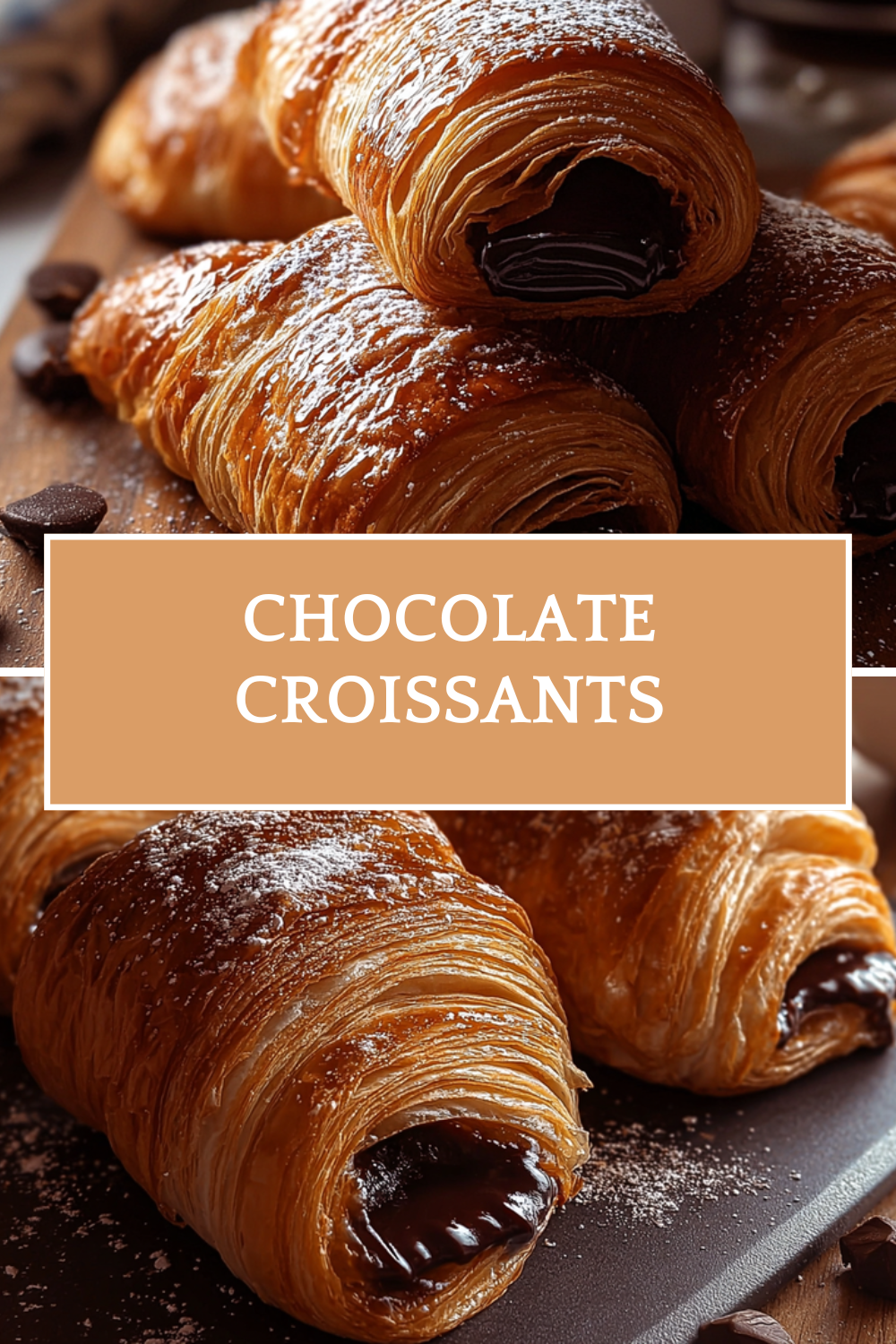
If you’ve ever dreamed of waking up to the smell of freshly baked pastries, this chocolate croissants recipe is your ticket to bakery-style goodness right at home. There’s something truly magical about the combination of flaky, buttery layers and rich, melting chocolate that makes pain au chocolat irresistible. Here’s why this recipe deserves a spot in your baking repertoire:
- Ease of preparation: While making croissants from scratch might seem intimidating, this recipe breaks down the process into manageable steps. With just a little patience and our clear instructions, you’ll be creating professional-quality chocolate croissants without the stress. The active prep time is surprisingly reasonable, and the hands-off periods allow you to multitask while the dough rests.
- Health benefits: Unlike store-bought versions that often contain artificial preservatives and excessive sugar, these homemade chocolate croissants let you control the ingredients. Using high-quality dark chocolate not only provides a more sophisticated flavor but also offers antioxidants and potential health benefits when enjoyed in moderation. You can also adjust the sugar content to suit your preferences.
- Versatility: This recipe easily adapts to various dietary needs and flavor preferences. Whether you need a gluten-free version for guests, a plant-based option for vegans, or simply want to experiment with different fillings like almond paste or fruit preserves, these chocolate croissants serve as an excellent base for culinary creativity.
- Distinctive flavor: The difference between store-bought and homemade chocolate croissants is undeniable. The rich, buttery layers created through the lamination process result in an exceptional texture that melts in your mouth, while high-quality chocolate batons provide the perfect balance of sweetness. The caramelized exterior from proper baking adds a depth of flavor that you simply can’t achieve with pre-made dough.
“The only thing better than the smell of fresh croissants baking is biting into one with warm, melting chocolate inside. This recipe brings that French bakery experience to your kitchen.”
Jump to:
- Why You’ll Love This Chocolate Croissants
- Essential Ingredients for Chocolate Croissants
- Main Ingredients
- Special Dietary Options
- How to Prepare the Perfect Chocolate Croissants: Step-by-Step Guide
- First Step: Prepare the Dough (Levain)
- Second Step: Create the Butter Block
- Third Step: First Turn (Lamination)
- Fourth Step: Letter Fold and Rest
- Fifth Step: Shape the Croissants
- Sixth Step: Proofing
- Final Step: Baking and Serving
- Dietary Substitutions to Customize Your Chocolate Croissants
- Protein and Main Component Alternatives
- Vegetable, Sauce, and Seasoning Modifications
- Mastering Chocolate Croissants: Advanced Tips and Variations
- Pro Cooking Techniques
- Flavor Variations
- Presentation Tips
- Make-Ahead Options
- How to Store Chocolate Croissants: Best Practices
- Reheating Guidelines
- Meal Prep Considerations
- FAQs: Frequently Asked Questions About Chocolate Croissants
- Chocolate Croissants
- Ingredients
- Instructions
- Last Step:
- Notes
- Nutrition
- Did you make this recipe?
Essential Ingredients for Chocolate Croissants
Creating the perfect pain au chocolat starts with quality ingredients. Each component plays a crucial role in achieving those signature flaky layers and rich flavor. Here’s everything you’ll need:
Main Ingredients
- 1 cup (240ml) warm whole milk – Activates the yeast and provides richness to the dough
- 2¼ teaspoons (1 packet) active dry yeast – Leavens the dough for that light, airy texture
- ⅓ cup (75g) granulated sugar – Adds subtle sweetness and helps with browning
- 3½ cups (440g) all-purpose flour – Forms the structure of the croissant
- 1½ teaspoons salt – Balances flavors and strengthens the gluten structure
- 1½ cups (340g) high-quality European-style butter, cold – Creates the flaky layers through lamination
- 1 large egg, beaten – Provides the egg wash for a beautiful golden finish
- 8-12 chocolate batons or high-quality dark chocolate bars – The decadent filling that melts beautifully
- 1 tablespoon water – Mixed with egg for the egg wash
Special Dietary Options
Vegan: Replace dairy milk with unsweetened almond or oat milk, use plant-based butter sticks (must be firm, not tub margarine), substitute the egg wash with maple syrup or plant-based milk mixed with a little corn syrup.
Gluten-free: Use a high-quality gluten-free flour blend designed for yeast baking, add xanthan gum if not included in the blend, and ensure all other ingredients are certified gluten-free.
Low-calorie: Substitute part of the butter with a light butter alternative, reduce the sugar by half, use dark chocolate with higher cocoa content (70% or more), and make smaller croissants to control portion sizes.
How to Prepare the Perfect Chocolate Croissants: Step-by-Step Guide
Mastering the art of croissant making requires attention to detail and patience, but the results are absolutely worth the effort. Follow these steps to create bakery-quality chocolate croissants that will impress everyone who tastes them.
First Step: Prepare the Dough (Levain)
Begin by combining the warm milk (105-115°F) and a tablespoon of sugar in a large mixing bowl. Sprinkle the yeast over the milk and let it stand for 5-10 minutes until it becomes frothy, indicating the yeast is active. In a separate bowl, whisk together the flour, remaining sugar, and salt. Pour the yeast mixture into the flour mixture and stir until a shaggy dough forms. Transfer to a lightly floured surface and knead for about 5 minutes until smooth.
Second Step: Create the Butter Block
While the dough rests, prepare the butter block. Place the cold butter between two sheets of parchment paper and pound it with a rolling pin until it’s pliable but still cold. Shape it into a 6-inch square, about ½ inch thick. This technique, known as “beurrage,” is crucial for achieving those characteristic flaky layers in your chocolate croissants.
Third Step: First Turn (Lamination)
Roll the rested dough into a 9-inch square on a lightly floured surface. Place the butter block in the center of the dough at a 45-degree angle (diamond shape). Fold the four corners of the dough over the butter to completely encase it, sealing the edges by pressing with your hands. Gently roll the dough into an 8×16 inch rectangle.
Fourth Step: Letter Fold and Rest
Fold the rectangle into thirds like a business letter (fold one third over, then fold the remaining third on top). This is your first “turn.” Wrap the dough in plastic wrap and refrigerate for at least 30 minutes. Remove from the refrigerator and repeat the rolling and folding process two more times, with a 30-minute rest between each turn. After the final turn, refrigerate the dough for at least 2 hours or overnight.
Fifth Step: Shape the Croissants
Roll the chilled dough into a large rectangle, about ¼ inch thick. Cut the dough into triangles that are about 5 inches wide at the base and 8-10 inches tall. Place a chocolate baton or two squares of chocolate at the wide end of each triangle. Roll the dough toward the point, tucking the chocolate inside as you go. Curve the ends slightly to create the classic crescent shape.
Sixth Step: Proofing
Place the shaped chocolate croissants on baking sheets lined with parchment paper, leaving about 2 inches of space between each one. Cover loosely with plastic wrap and let them rise in a warm, draft-free place for 1-2 hours, or until nearly doubled in size. They should feel puffy and jiggle slightly when gently shaken.
Final Step: Baking and Serving
Preheat your oven to 400°F (200°C). Mix the beaten egg with water to create an egg wash. Brush each croissant gently with the mixture, being careful not to deflate them. For an extra shine, you can apply a second coat after 5 minutes of proofing. Bake for 15-20 minutes until deep golden brown. The smell of baking chocolate croissants will fill your kitchen, signaling they’re nearly ready. Let them cool on the baking sheet for 5 minutes before transferring to a wire rack. For the best experience, serve them warm while the chocolate is still melty and indulgent.
“The secret to perfect croissants is patience. Respect the resting periods, keep your butter cold, and don’t rush the lamination process. The results will speak for themselves.”

Dietary Substitutions to Customize Your Chocolate Croissants
Protein and Main Component Alternatives
The traditional butter in chocolate croissants provides that unmistakable rich flavor and flaky texture, but several alternatives can accommodate different dietary needs or preferences. For those avoiding dairy, high-quality plant-based butter sticks work well, though they should contain at least 80% fat for proper lamination. Coconut butter can also create interesting flavor variations, especially when paired with dark chocolate. For a protein boost, consider replacing a portion of the all-purpose flour with almond flour, though this will slightly change the texture. Those watching their saturated fat intake might experiment with olive oil in the dough and a lighter butter for the lamination layer, though the technique requires modification.
Vegetable, Sauce, and Seasoning Modifications
While classic chocolate croissants focus on the simple combination of dough and chocolate, creative variations abound. For seasonal twists, consider adding orange zest to the dough for a chocolate-orange flavor profile, or cinnamon for a spiced variation. The chocolate filling can be enhanced with extracts like almond, hazelnut, or peppermint. For those who enjoy texture, chopped nuts (pecans, hazelnuts, or almonds) can be added alongside the chocolate. Savory variations exist too, though they stray from the traditional concept. These might include replacing the chocolate with gruyère and herbs for a breakfast option, or adapting the concept to create miniature spinach and feta versions. When adding extra ingredients to the filling, be mindful not to overfill, as this can cause the croissants to burst during baking.
Mastering Chocolate Croissants: Advanced Tips and Variations
Once you’ve mastered the basic technique, there are several ways to refine your chocolate croissants and create variations that will impress even the most discerning palates.
Pro Cooking Techniques
For exceptionally flaky croissants, professional bakers recommend a fourth turn (three letter folds), creating even more layers. Always work quickly during lamination to prevent the butter from melting into the dough, which destroys the layer separation. Use a ruler to ensure your dough rectangle has even dimensions before folding, as precision leads to consistent lamination. When rolling, apply even pressure and roll from the center outward to maintain a uniform thickness. A digital thermometer can be invaluable aim for a dough temperature around 75°F (24°C) for optimal handling and final rise.
Flavor Variations
Beyond the classic chocolate filling, consider experimenting with different chocolate varieties for nuanced flavor profiles. Milk chocolate creates a sweeter, more approachable croissant, while white chocolate pairs beautifully with dried cranberries or lemon zest. For adults, adding a splash of coffee extract to the chocolate filling creates a mocha-inspired treat. Hazelnut spread (quality brands with minimal additives) makes for an indulgent alternative to plain chocolate. For textural contrast, chopped pistachios or toasted almonds add a pleasant crunch that complements the flaky pastry.
Presentation Tips
For an elegant finish, dust your cooled chocolate croissants with powdered sugar through a fine sieve just before serving. A light drizzle of melted chocolate creates an impressive presentation for special occasions. When plating, arrange them in a linen-lined basket for a rustic French bistro feel, or on a marble board with fresh berries for a modern presentation. Individual plates can be enhanced with a dollop of crème fraîche or a drizzle of raspberry coulis for a sophisticated dessert presentation.
Make-Ahead Options
Chocolate croissants are perfect for advance preparation, allowing you to enjoy fresh-baked pastries with minimal morning effort. The dough can be prepared through the lamination process up to 24 hours before baking, refrigerated overnight, then shaped and proofed the next morning. Alternatively, shape the croissants, place them on baking sheets, and freeze immediately before the final proof. Transfer frozen unbaked croissants to the refrigerator the night before, then let them proof at room temperature for 2-3 hours before baking. This method ensures freshly baked pain au chocolat even on busy weekdays. For batch cooking, prepare a full recipe and freeze half of the shaped, unproofed croissants for future baking sessions.
How to Store Chocolate Croissants: Best Practices
Proper storage ensures your homemade chocolate croissants maintain their quality and flavor, whether you’re saving leftovers or planning ahead for busy mornings.
| Storage Method | Duration | Best Practices |
|---|---|---|
| Room Temperature | 1-2 days | Store in a paper bag at room temperature, loosely wrapped to maintain crispness while preventing drying out. Avoid plastic bags, which create moisture and make the exterior soggy. |
| Refrigeration | 3-5 days | Wrap individually in plastic wrap, then place in a sealed container. Reheat in a 350°F oven for 5-7 minutes to restore crispness. Note that refrigeration may affect texture. |
| Freezing (Baked) | 1-2 months | Wrap each croissant tightly in plastic wrap, then place in a freezer-safe bag. Remove air to prevent freezer burn. Thaw at room temperature, then reheat at 350°F for 8-10 minutes. |
| Freezing (Unbaked) | 2-3 months | Flash freeze shaped, unproofed croissants on a baking sheet, then transfer to freezer bags. Thaw overnight in refrigerator before proofing and baking as directed. |
Reheating Guidelines
To restore that fresh-baked quality, reheat chocolate croissants in a preheated 350°F (175°C) oven for 5-8 minutes until warmed through. Avoid microwaving, which creates uneven heating and makes the pastry tough. For extra crispness, place directly on the oven rack for the last minute of reheating. If frozen, extend the reheating time to 10-12 minutes, covering loosely with foil if they brown too quickly.
Meal Prep Considerations
For busy schedules, dedicate a weekend to preparing multiple batches of chocolate croissants. Prepare the dough through lamination, then portion it according to your needs. Shape and bake some for immediate enjoyment, freeze some unbaked for future baking, and perhaps refrigerate a portion of dough to shape and bake mid-week. This approach maximizes your effort while ensuring you can enjoy fresh-baked pastries throughout the week. Consider pairing your chocolate croissants with other make-ahead breakfast items like savory veggie fried rice for a complete breakfast experience that balances sweet and savory elements.
FAQs: Frequently Asked Questions About Chocolate Croissants
Print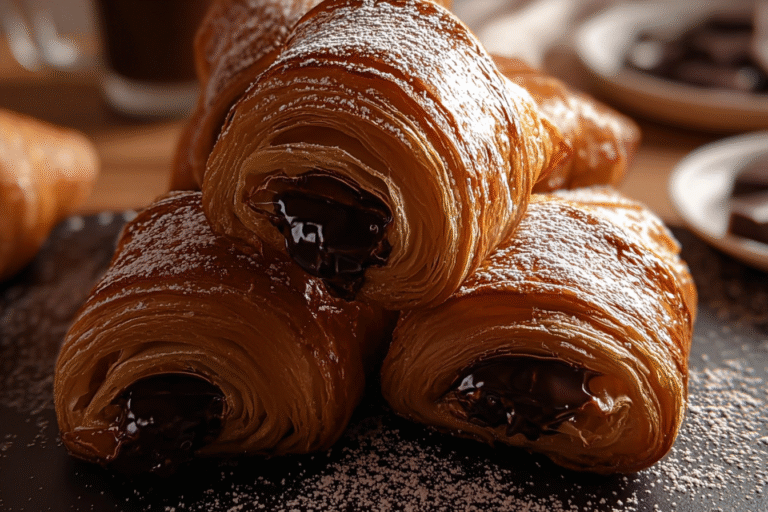
Chocolate Croissants
🥐🍫 Flaky multilayered bliss encases gooey chocolate rods—butter explosion rivals Parisian bakeries at home.
🏠 Impressive weekend bake freezes perfectly; authentic pain au chocolat mastery without pro equipment!
- Total Time: 6 hours
- Yield: 12 croissants
Ingredients
– 1 cup (240ml) warm whole milk – Activates the yeast and provides richness to the dough
– 2¼ teaspoons (1 packet) active dry yeast – Leavens the dough for that light, airy texture
– ⅓ cup (75g) granulated sugar – Adds subtle sweetness and helps with browning
– 3½ cups (440g) all-purpose flour – Forms the structure of the croissant
– 1½ teaspoons salt – Balances flavors and strengthens the gluten structure
– 1½ cups (340g) high-quality European-style butter, cold – Creates the flaky layers through lamination
– 1 large egg, beaten – Provides the egg wash for a beautiful golden finish
– 8-12 chocolate batons or high-quality dark chocolate bars – The decadent filling that melts beautifully
– 1 tablespoon water – Mixed with egg for the egg wash
Instructions
1- First Step: Prepare the Dough (Levain) Begin by combining the warm milk (105-115°F) and a tablespoon of sugar in a large mixing bowl. Sprinkle the yeast over the milk and let it stand for 5-10 minutes until it becomes frothy, indicating the yeast is active. In a separate bowl, whisk together the flour, remaining sugar, and salt. Pour the yeast mixture into the flour mixture and stir until a shaggy dough forms. Transfer to a lightly floured surface and knead for about 5 minutes until smooth.
2- Second Step: Create the Butter Block While the dough rests, prepare the butter block. Place the cold butter between two sheets of parchment paper and pound it with a rolling pin until it’s pliable but still cold. Shape it into a 6-inch square, about ½ inch thick. This technique, known as “beurrage,” is crucial for achieving those characteristic flaky layers in your chocolate croissants.
3- Third Step: First Turn (Lamination) Roll the rested dough into a 9-inch square on a lightly floured surface. Place the butter block in the center of the dough at a 45-degree angle (diamond shape). Fold the four corners of the dough over the butter to completely encase it, sealing the edges by pressing with your hands. Gently roll the dough into an 8×16 inch rectangle.
4- Fourth Step: Letter Fold and Rest Fold the rectangle into thirds like a business letter (fold one third over, then fold the remaining third on top). This is your first “turn.” Wrap the dough in plastic wrap and refrigerate for at least 30 minutes. Remove from the refrigerator and repeat the rolling and folding process two more times, with a 30-minute rest between each turn. After the final turn, refrigerate the dough for at least 2 hours or overnight.
5- Fifth Step: Shape the Croissants Roll the chilled dough into a large rectangle, about ¼ inch thick. Cut the dough into triangles that are about 5 inches wide at the base and 8-10 inches tall. Place a chocolate baton or two squares of chocolate at the wide end of each triangle. Roll the dough toward the point, tucking the chocolate inside as you go. Curve the ends slightly to create the classic crescent shape.
6- Sixth Step: Proofing Place the shaped chocolate croissants on baking sheets lined with parchment paper, leaving about 2 inches of space between each one. Cover loosely with plastic wrap and let them rise in a warm, draft-free place for 1-2 hours, or until nearly doubled in size. They should feel puffy and jiggle slightly when gently shaken.
7- Final Step: Baking and Serving Preheat your oven to 400°F (200°C). Mix the beaten egg with water to create an egg wash. Brush each croissant gently with the mixture, being careful not to deflate them. For an extra shine, you can apply a second coat after 5 minutes of proofing. Bake for 15-20 minutes until deep golden brown. The smell of baking chocolate croissants will fill your kitchen, signaling they’re nearly ready. Let them cool on the baking sheet for 5 minutes before transferring to a wire rack. For the best experience, serve them warm while the chocolate is still melty and indulgent.
Last Step:
Please leave a rating and comment letting us know how you liked this recipe! This helps our business to thrive and continue providing free, high-quality recipes for you.Notes
🥐 Keep dough/butter fridge-cold between turns for max flaky layers.
❄️ Overnight final chill develops flavor, perfect rise.
🍫 Quality 60%+ dark chocolate yields ideal melty centers.
- Prep Time: 45 minutes active
- Chill & Proof: 5 hours
- Cook Time: 20 minutes
- Category: Breakfast
- Method: Baking
- Cuisine: French
- Diet: Vegetarian
Nutrition
- Serving Size: 1 croissant
- Calories: 450 kcal
- Sugar: 12g
- Sodium: 300mg
- Fat: 28g
- Saturated Fat: 17g
- Unsaturated Fat: 9g
- Trans Fat: 0g
- Carbohydrates: 42g
- Fiber: 2g
- Protein: 8g
- Cholesterol: 65mg