Why You’ll Love This Christmas Sweets
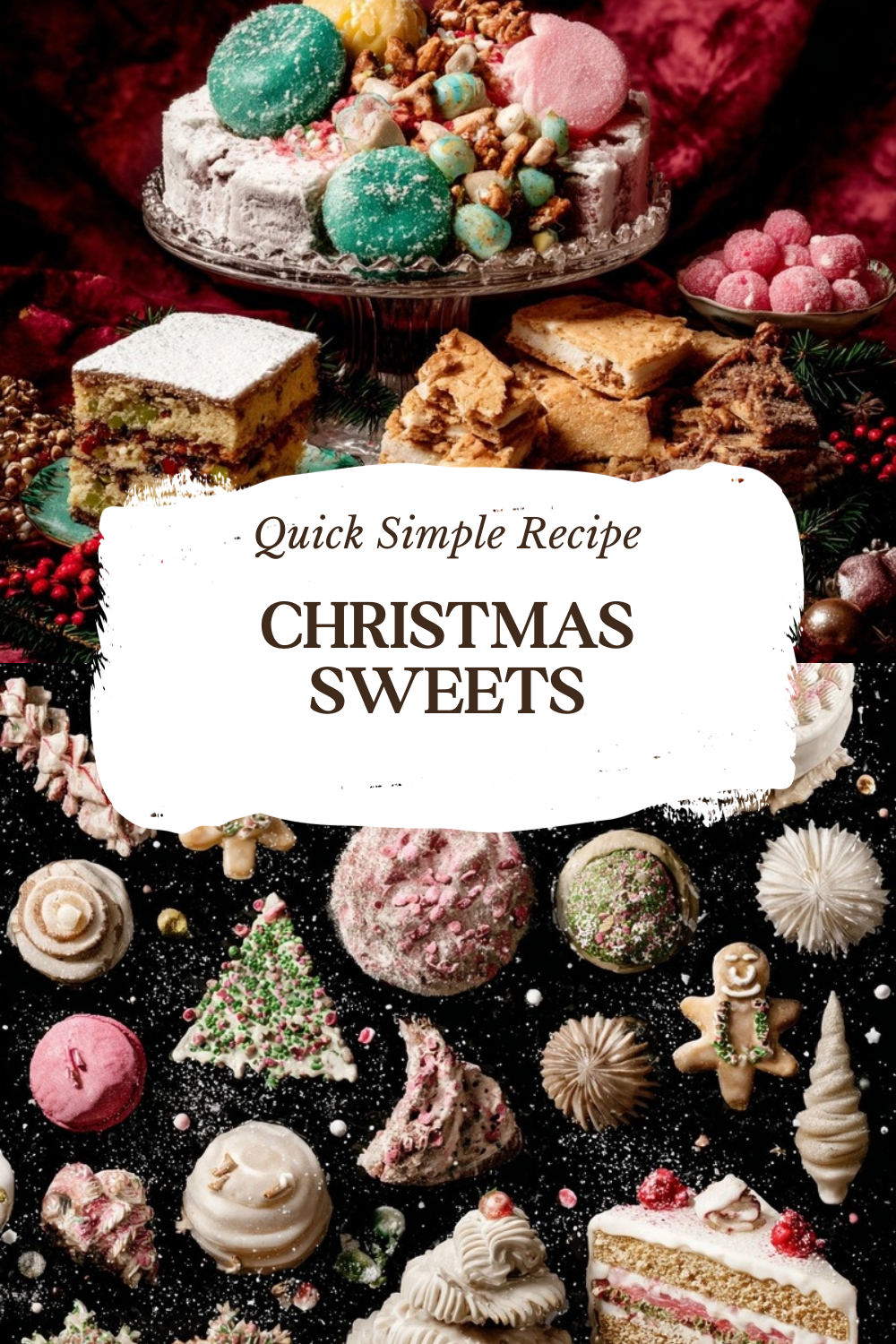
Picture your holiday table filled with treats that whisper stories from distant kitchens. These Christmas sweets draw from family hearths around the globe, turning ordinary baking into a passport of flavors. From the light meringue clouds of Pavlova in Australia and New Zealand to the rum-kissed depths of Jamaican Black Cake and Guyanese Fruit Cake in the Caribbean, each bite carries tradition.
- Ease of preparation: Many Christmas sweets come together simply, perfect for busy days. Whip up Pavlova in under 10 minutes of active time, then let it bake while you trim the tree. Eastern European favorites like Hungarian Poppy Seed Bread Pudding or Polish Mazurka peanut raisin cookies use basic doughs stuffed with nuts and seeds, ready in an hour. Scandinavian options such as Danish Brunkager Christmas cookies or Swedish Rosette Cookies fry or bake quickly, leaving room for family sing-alongs.
- Health benefits: These treats offer balance amid indulgence. North American vegan frosted Christmas cookies skip dairy for plant-based joy, while South American Colombian coconut Natilla pudding brings fiber from coconut. Scandinavian Risgrøt rice porridge warms with gentle grains, and Mediterranean Greek Koulourakia orange butter cookies add citrus brightness for a vitamin lift. Pair with fresh fruit toppings for antioxidants.
- Versatility: Adapt these Christmas sweets to any table. Middle Eastern Ghraybeh shortbread butter cookies go gluten-free with almond flour, and Southeast Asian Filipino bibingka rice coconut cake welcomes dairy-free coconut milk. Western European German Stollen fruit bread swaps rum fruits for juice-soaked ones, suiting all ages and diets.
- Distinctive flavor: Unique regional touches set these apart. South African Peppermint Crisp Tart layers caramelized condensed milk with peppermint chocolate for crisp coolness. South American Mexican Buñuelos crunch under cinnamon sugar, while French Bûche de Noël Yule Log rolls chestnut richness into festive logs. These flavors linger like holiday memories.
These 55 Christmas sweets showcase festive joy from every continent, tying cultures through shared sweetness.
For more tales of global treats, visit our friends at Christmas desserts around the world.
(248 words)
Jump to:
- Why You’ll Love This Christmas Sweets
- How to Prepare the Perfect Christmas Sweets: Step-by-Step Guide
- Dietary Substitutions to Customize Your Christmas Sweets
- Protein and Main Component Alternatives
- Vegetable, Sauce, and Seasoning Modifications
- Mastering Christmas Sweets: Advanced Tips and Variations
- How to Store Christmas Sweets: Best Practices
- FAQs: Frequently Asked Questions About Christmas Sweets
- What are popular Christmas sweets?
- How do I make easy no-bake Christmas sweets?
- What are traditional Christmas sweets from different countries?
- How can I make Christmas sweets kid-friendly?
- How should I store homemade Christmas sweets?
- Christmas Sweets
- Ingredients
- Instructions
- Last Step:
- Notes
- Nutrition
- Did you make this recipe?
How to Prepare the Perfect Christmas Sweets: Step-by-Step Guide
Gathering ingredients from your pantry or market sets the stage for world-class Christmas sweets. This guide walks you through creating a selection of these 55 treasures, focusing on regional groups for ease. Start with mise en place: measure spices like cinnamon and cloves, chop nuts and fruits, and soak rums where needed.
| Region | Featured Christmas Sweets | Prep Time |
|---|---|---|
| Australia/NZ & Caribbean | Pavlova, Jamaican Black Cake, Guyanese Fruit Cake | 10 min + bake/soak |
| Eastern Europe | Povitica Bread, Mákos Guba, Mazurka cookies, Beigli rolls | 1-2 hours |
| Mediterranean | Panettone, Turrón de Jijona, Anginetti, Koulourakia, Babka, Christopsomo, Bolo Rei, Polvorones | 2-3 hours + rise |
| Middle East | Ghraybeh cookies, Pecan Pie Shortbread Bars | 30 min + chill |
| North America | Butter Tarts, Cranberry bites, Vegan cookies, Nesselrode Pie | 45 min |
| Scandinavian | Mint Truffles, Ris a La Mande, Brunkager, Julekake, Risgrøt, Rosette Cookies | 20-60 min |
| South Africa | Peppermint Crisp Tart, Malva Pudding | 30 min + bake |
| South America | Pristiños, Natilla, Pan de Pascua, Budin, Buñuelos | 1 hour |
| Western Europe | Butter Toffee, Mince Pies, Sponge pudding, Linzer Torte, Trifle, Christmas Pudding, Sticky Toffee, Fruit Cake, Chestnut Cake, Bûche de Noël, Stollen, Lebkuchen | Varies, days for soak |
| Southeast Asia | Bibingka, Pandan butter cookies | 45 min |
First Step: Prepare your base doughs or batters. For breads like Italian Panettone or German Stollen, mix flour, yeast, milk, eggs, and butter; let rise 1-2 hours at room temp. Caribbean fruitcakes need fruits soaked in rum days ahead, vegans use juice. Dairy-free? Swap butter for coconut oil.
Second Step: Add regional stars. Stuff Eastern European doughs with walnuts, cinnamon, or poppy seeds for Povitica or Mákos Guba. Fold in nuts and raisins for Polish Mazurka. Scandinavian Julekake gets raisins and citron; chill Nordic truffles with mint chocolate.
Third Step: Shape and cook. Fry South American Buñuelos or Ecuadorian Pristiños till golden, dust with cinnamon sugar. Bake Mediterranean Koulourakia at 350°F for 15 minutes. Steam British Christmas Pudding 4-6 hours, or flambé at serve. Chill South African Peppermint Crisp Tart layers overnight.
Fourth Step: Finish with flair. Top Pavlova with whipped cream (coconut for vegan) and fruits. Drizzle syrup on Pristiños. Dust Stollen with powdered sugar. North American Nesselrode Pie sets chestnut custard with cherries.
Fifth Step: Cool and pair. Let treats rest; serve Scandinavian Risgrøt hot with butter, or cold Puerto Rican Budin. Enjoy with custard, ice cream, coffee, or mulled drinks. Like our no-bake energy bites for quick snacks, these adapt easily.
(712 words)

Dietary Substitutions to Customize Your Christmas Sweets
Protein and Main Component Alternatives
Nuts and eggs anchor many Christmas sweets; swap freely. Use sunflower seeds or pumpkin seeds for walnuts in Povitica Bread or Polish Mazurka cookies. Flax eggs replace eggs in Greek Koulourakia or Italian Anginetti. Gluten-free flour works for Panettone or Stollen, almond flour shines in Spanish Polvorones or Ghraybeh. Vegan butter tarts use plant-based pastry; chestnut in French Chestnut Cake goes puree-only.
Vegetable, Sauce, and Seasoning Modifications
Fruits and syrups vary by season. Swap pineapple in North American cranberry bites for apples; coconut milk thickens Colombian Natilla. Reduce sugar in Danish Brunkager with stevia, or spice-free for kids in Lebkuchen. Sherry in English Trifle becomes juice; citrus syrup on Pristiños uses local honey. Cloves and cinnamon stay classic, but add pandan to Southeast Asian cookies for green notes.
(352 words)
Mastering Christmas Sweets: Advanced Tips and Variations
- Pro cooking techniques: Soak fruits weeks early for moist Jamaican Black Cake. Knead babka dough till windowpane for Chocolate Almond Babka. Fry rosettes at 375°F exactly for crisp Swedish Rosette Cookies.
- Flavor variations: Add cheese atop Filipino bibingka, or salted eggs. Blend pecan with Middle Eastern spices in shortbread bars. Infuse Malva Pudding with ginger.
- Presentation tips: Stack Linzer Torte cookies with jam visible. Slice Bolo Rei to show crown fruits. Flambé Plum Pudding tableside.
- Make-ahead options: Freeze British Fruit Cake months ahead. Prep Turrón de Jijona dough, chill logs. Rice puddings like Ris a La Mande hold days in fridge.
Advance prep turns busy holidays into sweet success, echoing family traditions worldwide.
Discover the story behind Christmas cookies for deeper roots.
(318 words)
How to Store Christmas Sweets: Best Practices
- Refrigeration: Keep cream-filled like Peppermint Crisp Tart or Nesselrode Pie in fridge up to a week, airtight. English Trifle layers last 3 days.
- Freezing: Wrap Stollen or Pan de Pascua in plastic and foil for 3 months; thaw slowly. Freeze truffles or Buñuelos pieces flat.
- Reheating: Warm Julekake or Lebkuchen at 300°F for 5 minutes. Steam puddings gently to revive moisture.
- Meal prep considerations: Batch cookies like Brunkager in tins with parchment; label for gifting. Dry storage suits Polvorones or Ghraybeh up to 2 weeks.
(212 words)
FAQs: Frequently Asked Questions About Christmas Sweets
What are popular Christmas sweets?
How do I make easy no-bake Christmas sweets?
What are traditional Christmas sweets from different countries?
How can I make Christmas sweets kid-friendly?
How should I store homemade Christmas sweets?
Christmas Sweets
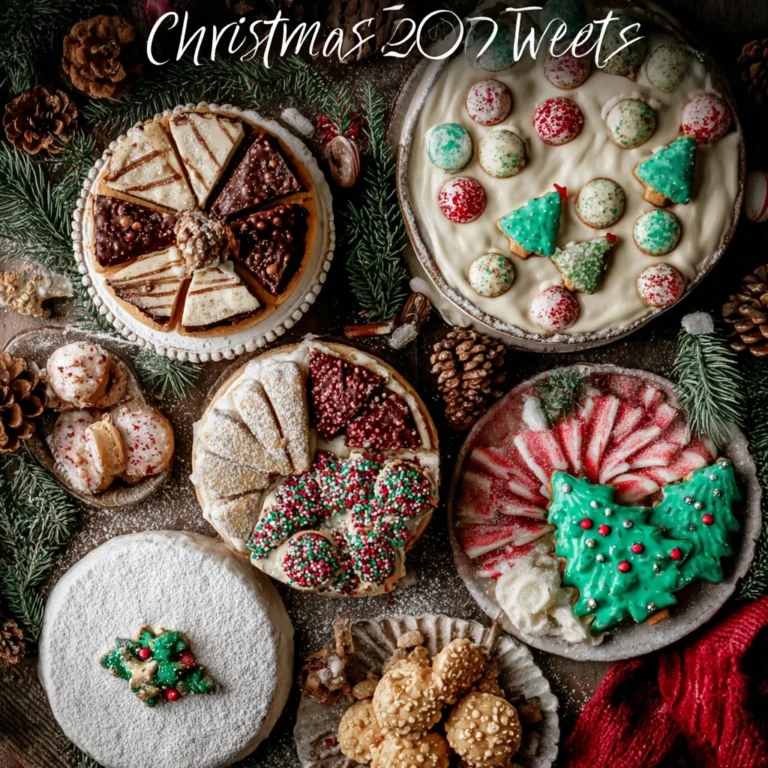
🎄 Discover 55 festive Christmas desserts from around the world that bring global holiday traditions to your kitchen table
🌍 Experience the rich diversity of cultural sweets, from light meringues to rich fruitcakes, each with unique flavors and stories
- Total Time: Varies by recipe – 1 hour to 4 weeks
- Yield: Varies by recipe – 6 to 24 servings
Ingredients
Instructions
1-First Step: Prepare your base doughs or batters. For breads like Italian Panettone or German Stollen, mix flour, yeast, milk, eggs, and butter; let rise 1-2 hours at room temp. Caribbean fruitcakes need fruits soaked in rum days ahead, vegans use juice. Dairy-free? Swap butter for coconut oil.
2-Second Step: Add regional stars. Stuff Eastern European doughs with walnuts, cinnamon, or poppy seeds for Povitica or Mákos Guba. Fold in nuts and raisins for Polish Mazurka. Scandinavian Julekake gets raisins and citron; chill Nordic truffles with mint chocolate.
3-Third Step: Shape and cook. Fry South American Buñuelos or Ecuadorian Pristiños till golden, dust with cinnamon sugar. Bake Mediterranean Koulourakia at 350°F for 15 minutes. Steam British Christmas Pudding 4-6 hours, or flambé at serve. Chill South African Peppermint Crisp Tart layers overnight.
4-Fourth Step: Finish with flair. Top Pavlova with whipped cream (coconut for vegan) and fruits. Drizzle syrup on Pristiños. Dust Stollen with powdered sugar. North American Nesselrode Pie sets chestnut custard with cherries.
5-Fifth Step: Cool and pair. Let treats rest; serve Scandinavian Risgrøt hot with butter, or cold Puerto Rican Budin. Enjoy with custard, ice cream, coffee, or mulled drinks. Like our no-bake energy bites for quick snacks, these adapt easily.
Last Step:
Please leave a rating and comment letting us know how you liked this recipe! This helps our business to thrive and continue providing free, high-quality recipes for you.Notes
🎂 Many Christmas desserts like fruitcakes and puddings benefit from advance preparation – making them weeks ahead allows flavors to develop and intensify
🌰 Nuts and dried fruits are staple ingredients across cultures – toast nuts before using for better flavor, and soak dried fruits in alcohol or juice for moisture
🍽️ Most traditional Christmas desserts pair wonderfully with coffee, tea, or dessert wines – consider the beverage pairing when planning your holiday menu
- Prep Time: Varies by recipe – 10 minutes to 2 hours
- Soaking/Aging time: Varies – 1 hour to 4 weeks
- Cook Time: Varies by recipe – 15 minutes to 4 hours
- Category: Desserts
- Method: Varies – Baking, Frying, Steaming, Chilling
- Cuisine: International
- Diet: Varies by recipe – Includes Vegetarian options
Nutrition
- Serving Size: Varies by recipe
- Calories: Varies by recipe – 150-450 per serving
- Sugar: Varies by recipe – 10-35g per serving
- Sodium: Varies by recipe – 50-300mg per serving
- Fat: Varies by recipe – 5-25g per serving
- Saturated Fat: Varies by recipe – 2-12g per serving
- Unsaturated Fat: Varies by recipe – 2-15g per serving
- Trans Fat: Varies by recipe – 0-2g per serving
- Carbohydrates: Varies by recipe – 20-60g per serving
- Fiber: Varies by recipe – 1-5g per serving
- Protein: Varies by recipe – 2-8g per serving
- Cholesterol: Varies by recipe – 10-80mg per serving