Why You’ll Love This Dried Strawberries
Dried strawberries stand out as a simple yet nutritious choice for anyone seeking an easy snack. They pack a punch with health benefits like high levels of antioxidants and Vitamin C that support heart health and boost the immune system. Their fiber content aids digestion, making them a go-to option for diets ranging from vegan to low-calorie plans.
Beyond nutrition, dried strawberries are incredibly versatile, fitting into many meals without much effort. You can toss them into morning cereals or use them as a topping for salads and desserts to add a natural sweetness. This makes dried strawberries a favorite among home cooks, busy parents, and even baking enthusiasts who appreciate quick, flavorful additions to their recipes.
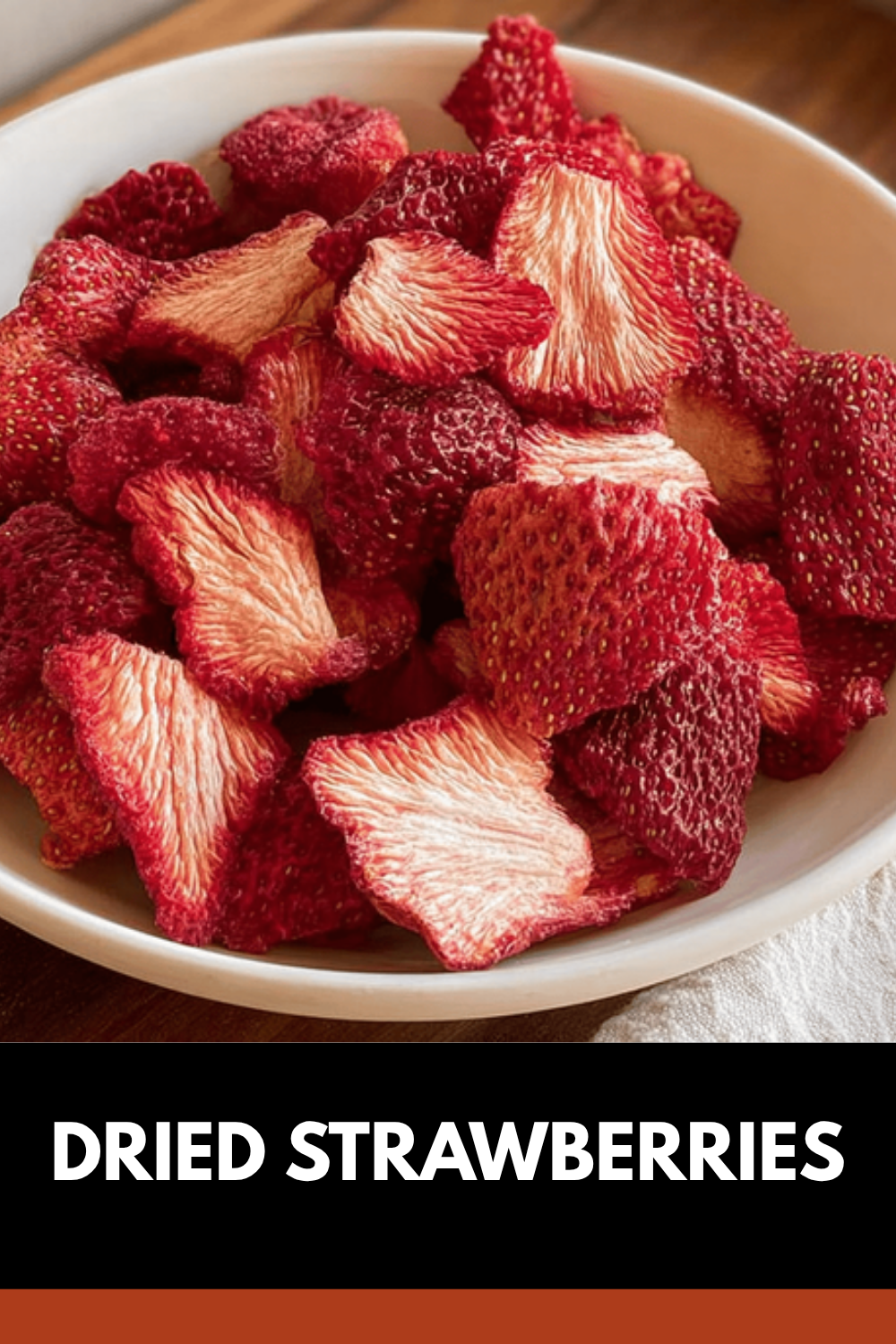
Their naturally sweet and tangy flavor comes from fresh strawberries processed through dehydration or freeze-drying, which concentrates the nutrients while extending shelf life. Organic versions are sourced from crops grown without synthetic fertilizers or pesticides, offering better environmental and health benefits. This combination of taste, ease, and nutrition makes dried strawberries a staple for those looking to enjoy a healthy snack anytime.
Health and Ease Benefits
One key reason to love dried strawberries is their nutritional profile, which includes concentrated antioxidants from fresh strawberries that help improve digestion and overall wellness. For busy parents and working professionals, the minimal preparation time means they’re ready to eat straight from the package. This snack supports various diets, such as gluten-free or vegan, making it adaptable for diet-conscious individuals.
Incorporating dried strawberries into daily routines can enhance meals without adding complexity. For example, they provide a sweet burst in smoothies or energy bites, as seen in this no-bake energy bites recipe on our site. Their use in recipes like these shows how dried strawberries add texture and flavor while keeping things simple and accessible.
To expand on their uses, dried strawberries serve as a convenient ingredient for travelers and seniors who need portable, nutrient-rich options. Whether you’re a student grabbing a quick bite or a newlywed experimenting in the kitchen, these dried fruits bring joy to cooking. By choosing USDA Organic certified options, you avoid artificial colors, flavors, and preservatives, supporting sustainable farming practices.
Jump to:
- Why You’ll Love This Dried Strawberries
- Health and Ease Benefits
- Essential Ingredients for Dried Strawberries
- How to Prepare the Perfect Dried Strawberries: Step-by-Step Guide
- Processing and Drying Methods
- Dietary Substitutions to Customize Your Dried Strawberries
- Mastering Dried Strawberries: Advanced Tips and Variations
- How to Store Dried Strawberries: Best Practices
- FAQs: Frequently Asked Questions About Dried Strawberries
- What are dried strawberries and how are they made?
- Are dried strawberries healthy compared to fresh strawberries?
- How can I use dried strawberries in recipes?
- How should dried strawberries be stored to keep them fresh longer?
- Are there any common concerns about eating dried strawberries?
- Dried Strawberries
- Ingredients
- Instructions
- Last Step:
- Notes
- Nutrition
- Did you make this recipe?
Essential Ingredients for Dried Strawberries
Gathering the right ingredients is key to making dried strawberries. Below is a structured list of all items mentioned, ensuring you have exact measurements for a successful recipe.
- 500g fresh strawberries – The base ingredient that provides natural sweetness and juiciness essential for drying.
- 2 tablespoons lemon juice – Helps preserve color and adds a slight tang to enhance flavor.
- 2 tablespoons granulated sugar (optional) – Used to intensify sweetness and balance tartness if desired.
Organic options for dried strawberries are made primarily from strawberries sourced from crops grown without synthetic fertilizers, pesticides, or genetic engineering. USDA Organic certified versions ensure no artificial colors, flavors, or preservatives are added, making them ideal for health-focused diets.
For special dietary needs, consider these adaptations. The recipe is naturally vegan and gluten-free, perfect for those restrictions. To keep it low-calorie, simply reduce or omit the sugar while still using fresh strawberries as the main component.
| Ingredient | Quantity | Dietary Notes |
|---|---|---|
| Fresh strawberries | 500g | Use organic for GMO-free options |
| Lemon juice | 2 tablespoons | Naturally preservative |
| Granulated sugar | 2 tablespoons (optional) | Adjust for low-calorie needs |
This structured list covers every item needed, helping home cooks measure accurately and prepare with ease.
How to Prepare the Perfect Dried Strawberries: Step-by-Step Guide
Creating dried strawberries at home is straightforward and rewarding. Start by selecting fresh, ripe strawberries as the main ingredient, which you can source organically for the best results. The process involves slicing and drying them to concentrate their natural flavor and nutrients.
First step: Wash the strawberries thoroughly under cold water and pat dry with a clean towel to remove excess moisture. This ensures the fruit dries evenly and avoids any potential spoilage. Second step: Hull the strawberries by removing the green tops and slice them evenly into 1/4-inch thick pieces for uniform drying.
Third step: Pre-treat the slices by dipping them in lemon juice for 2 minutes to prevent browning and enhance preservation. Fourth step: Arrange the slices in a single layer on a baking sheet lined with parchment paper, making sure pieces do not overlap. Fifth step: Preheat your oven or dehydrator to 135°F (57°C) and dry the strawberries for 6-8 hours, flipping slices halfway through for even results.
Processing and Drying Methods
Sixth step: Check for dryness by testing for a leathery texture without moisture, adjusting drying time based on thickness and humidity. Strawberries are preserved through dehydration or freeze-drying methods, which extend shelf life while keeping nutrients like Vitamin C intact. Final step: Let the strawberries cool completely before storing in airtight containers, a practice that maintains their freshness for later use.
Adaptations for dietary preferences include adjusting sugar amounts or drying times to suit vegan, gluten-free, or low-calorie needs. For more ideas on incorporating dried strawberries, check out our mango peach strawberry smoothie recipe, which uses them for added flavor. This guide highlights how dried strawberries can be a ready-to-use snack in various dishes.
Organic production uses sustainable farming practices, avoiding synthetic materials, which enhances the final product’s quality. By following these steps, food enthusiasts can create a versatile ingredient that adds natural sweetness to cereals, salads, desserts, and baking recipes.

Dietary Substitutions to Customize Your Dried Strawberries
Customizing dried strawberries allows for personal tweaks based on dietary needs. For the main component, substitute fresh strawberries with freeze-dried or air-dried versions if fresh ones are unavailable, keeping measurements consistent.
Protein and main component alternatives include sprinkling with plant-based protein powders or nuts during storage to add nutrition. For vegetable and seasoning modifications, incorporate natural enhancers like cinnamon or vanilla extract to vary the flavor profile without altering the core 500g of fresh strawberries.
Use natural sweeteners such as agave nectar or maple syrup instead of the optional 2 tablespoons of granulated sugar for a healthier twist. Seasonal fruits like blueberries can be dried similarly, expanding your options while maintaining the recipe’s gluten-free and vegan status. These changes ensure dried strawberries fit into low-calorie plans effortlessly.
Mastering Dried Strawberries: Advanced Tips and Variations
Taking dried strawberries to the next level involves pro techniques like using a food dehydrator for controlled temperature, which preserves texture and flavor better than an oven. This method aligns with freeze-drying processes that concentrate nutrients from fresh strawberries.
Flavor variations include adding herbs like mint or basil before drying for a fresh twist, or dusting with chili powder for spice. Presentation tips suggest serving them as garnishes on desserts or mixing into granola for added color and texture, making them ideal for baking enthusiasts.
Make-ahead options involve preparing large batches and storing in vacuum-sealed bags to keep them fresh longer. Organic dried strawberries, free from GMOs and artificial additives, offer health benefits that enhance their use in recipes. These tips help home cooks experiment while focusing on sustainable practices.
How to Store Dried Strawberries: Best Practices
Proper storage keeps dried strawberries fresh and nutritious. Store them in airtight containers in a cool, dark place to prevent moisture absorption and maintain their concentrated antioxidants and Vitamin C.
Refrigeration works for up to 2 weeks, while freezing in bags can last up to 6 months for long-term needs. Reheating gently in a low oven revives texture, and portioning into servings aids meal prep for busy lifestyles. Choosing USDA Organic options reduces environmental impact and ensures no preservatives are needed.
Supporting small businesses for sustainably packaged products enhances these practices, aligning with health benefits for diet-conscious individuals. By following these steps, dried strawberries remain a convenient snack ready for various uses.
FAQs: Frequently Asked Questions About Dried Strawberries
What are dried strawberries and how are they made?
Are dried strawberries healthy compared to fresh strawberries?
How can I use dried strawberries in recipes?
How should dried strawberries be stored to keep them fresh longer?
Are there any common concerns about eating dried strawberries?
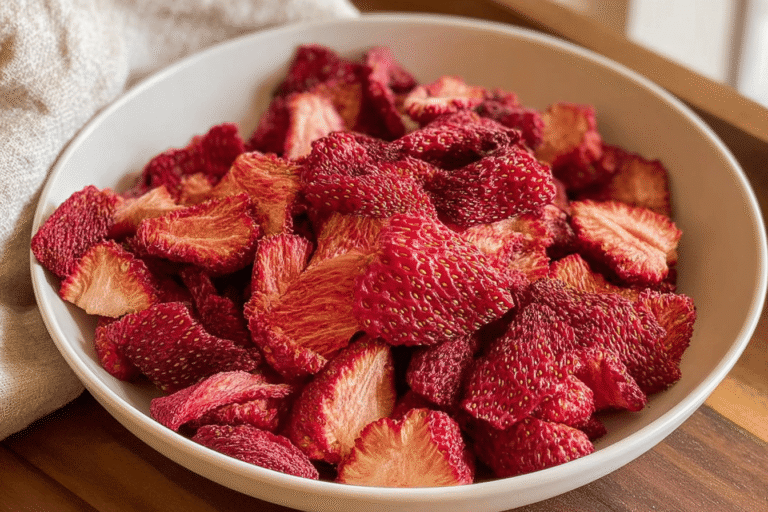
Dried Strawberries
🍓 Discover the natural sweetness and concentrated nutrients of dried strawberries, a convenient and healthy snack option loaded with antioxidants and Vitamin C.
🌿 These versatile dried strawberries are perfect for enhancing your cereals, salads, desserts, and baked goods while offering easy storage and long shelf life.
- Total Time: None
- Yield: Varies by usage
Ingredients
– 500g fresh strawberries The base ingredient that provides natural sweetness and juiciness essential for drying
– 2 tablespoons lemon juice Helps preserve color and adds a slight tang to enhance flavor
– 2 tablespoons granulated sugar (optional) Used to intensify sweetness and balance tartness if desired
Instructions
First step: Wash the strawberries thoroughly under cold water and pat dry with a clean towel to remove excess moisture. This ensures the fruit dries evenly and avoids any potential spoilage.
Second step: Hull the strawberries by removing the green tops and slice them evenly into 1/4-inch thick pieces for uniform drying.
Third step: Pre-treat the slices by dipping them in lemon juice for 2 minutes to prevent browning and enhance preservation.
Fourth step: Arrange the slices in a single layer on a baking sheet lined with parchment paper, making sure pieces do not overlap.
Fifth step: Preheat your oven or dehydrator to 135°F (57°C) and dry the strawberries for 6-8 hours, flipping slices halfway through for even results.
Sixth step: Check for dryness by testing for a leathery texture without moisture, adjusting drying time based on thickness and humidity.
Final step: Let the strawberries cool completely before storing in airtight containers, a practice that maintains their freshness for later use.
Last Step:
Please leave a rating and comment letting us know how you liked this recipe! This helps our business to thrive and continue providing free, high-quality recipes for you.Notes
🍓 Choose USDA Organic certified dried strawberries to avoid GMOs, artificial colors, flavors, and preservatives.
🌬 Store dried strawberries in airtight containers to maintain freshness and prevent moisture.
🌍 Support eco-friendly packaging and small businesses to reduce environmental impact.
- Prep Time: None required – ready to eat or use upon purchase
- Category: Snack / Ingredient
- Method: Dehydration or freeze-drying
- Cuisine: Universal
- Diet: Vegan, Gluten-Free, Dairy-Free, Vegetarian
Nutrition
- Serving Size: Varies