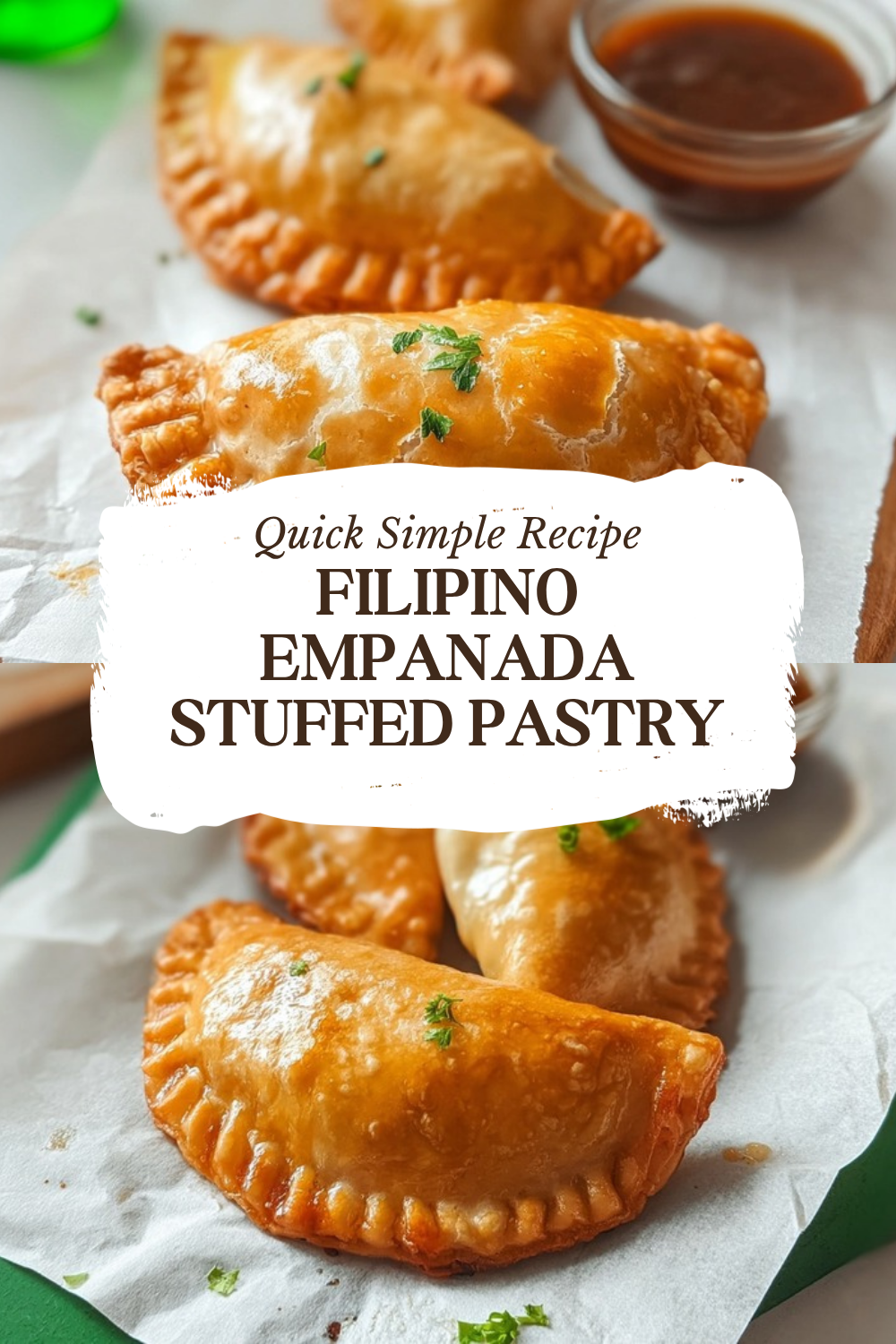
Why You’ll Love This Filipino Empanada Stuffed Pastry
- Ease of preparation: This Filipino Empanada Stuffed Pastry comes together with simple pantry staples, and the cooking time stays friendly for busy days. From sautéing the filling to frying the empanadas, you’ll feel in control every step.
- Health-minded balance: With a lean pork filling and veggies like carrot and peas, these empanadas can fit real-life eating goals. Nutrition per piece is about 215 kcal with 8 g protein, plus about 1 g fiber for a small boost.
- Versatile comfort food: You can tweak this Filipino Empanada Stuffed Pastry to match your preferences, whether you want a different protein or you’re watching certain ingredients. It’s flexible enough for many home cooks, from students to seniors.
- Distinctive savory flavor: The filling uses soy sauce, oyster sauce, sultanas, and sugar for that sweet-savory Filipino balance. When you bite into a Filipino Empanada, the flaky crust and rich filling taste like a complete meal.
If you’re cooking a second dish for the same table, you might also like this teriyaki-sweet-savory idea for dinner to round out your menu.
Jump to:
- Why You’ll Love This Filipino Empanada Stuffed Pastry
- Essential Ingredients for Filipino Empanada Stuffed Pastry
- Filling ingredients
- Pastry ingredients
- Special dietary options
- How to Prepare the Perfect Filipino Empanada Stuffed Pastry: Step-by-Step Guide
- Filling steps
- Pastry steps
- Assembly and cooking
- Simple adaptation ideas while you cook
- Dietary Substitutions to Customize Your Filipino Empanada Stuffed Pastry
- Protein and Main Component Alternatives
- Vegetable, Sauce, and Seasoning Modifications
- Mastering Filipino Empanada Stuffed Pastry: Advanced Tips and Variations
- Pro cooking techniques
- Flavor variations
- Presentation and make-ahead ideas
- How to Store Filipino Empanada Stuffed Pastry: Best Practices
- Refrigeration
- Freezing
- Reheating
- Meal prep considerations
- FAQs: Frequently Asked Questions About Filipino Empanada Stuffed Pastry
- Can I bake Filipino empanadas instead of frying them?
- Can I freeze cooked Filipino empanadas?
- How long can I store Filipino empanada dough in the fridge or freezer?
- Can I use butter instead of lard in Filipino empanada pastry dough?
- What does vinegar do in Filipino empanada dough?
- Filipino Empanada Stuffed Pastry
- Ingredients
- Instructions
- Last Step:
- Notes
- Nutrition
- Did you make this recipe?
Essential Ingredients for Filipino Empanada Stuffed Pastry
Below are the exact ingredients for this Filipino Empanada Stuffed Pastry recipe, split into filling and pastry. Every measurement is listed so you can cook confidently, even if it’s your first time making Filipino empanada at home.
Filling ingredients
- 1 tablespoon oil – For sautéing the onion and garlic and building a flavorful base.
- 1 white onion, finely chopped – Adds sweetness and aroma.
- 2 cloves garlic, minced – Brings a savory, fragrant depth.
- 500 grams lean pork mince – The main filling protein.
- 1 carrot, finely diced – Adds color and subtle sweetness.
- 1 small potato, finely diced – Helps thicken the filling and adds soft texture.
- 1/4 cup sultanas (45 grams) – Adds little bursts of sweetness for the classic Filipino taste.
- 1/2 cup frozen baby peas (75 grams) – Adds sweetness and pops of green.
- 2 tablespoons soy sauce (40 mls) – For salty umami flavor.
- 2 tablespoons oyster sauce (40 mls) – For richer, rounded savoriness.
- 2 teaspoons sugar – Balances the saltiness and supports the sweet-savory profile.
- 1/2 teaspoon white pepper – Adds gentle heat and complexity.
- 1/4 cup water (65 mls) – Helps the filling cook through and lets the liquid evaporate into a cohesive mix.
Pastry ingredients
- 3 cups flour (450 grams) – The structure of the dough.
- 2 tablespoons sugar – Adds a slight sweetness to complement the savory filling.
- 1/2 teaspoon baking powder – Helps the pastry stay tender and lightly lift.
- 1/2 teaspoon salt – Seasons the dough for better overall flavor.
- 1/4 cup cold lard, chopped (50 grams) – Creates flaky, light texture in this stuffed pastry crust.
- 1/2 cup cold water (125 mls) – Helps bring the dough together while keeping it workable.
- 1 egg – Adds richness and helps bind the dough.
- 1 teaspoon white vinegar – Helps prevent overworking, supports flaky texture, and keeps dough stable.
- Vegetable oil for frying – For deep-frying to golden brown.
Special dietary options
- Vegan: Swap pork mince for a plant-based mince (soy or pea-based). Use vegan soy sauce and a vegan oyster-style sauce if available, then thicken with a little extra reduction. Keep the rest of the recipe the same unless you’re also changing the pastry fat.
- Gluten-free: Use a gluten-free all-purpose baking flour blend. Note that texture may differ, so aim for a dough that rolls smoothly without cracks.
- Low-calorie: Use leaner proteins and consider reducing frying oil absorption by frying at a steady temperature and draining well on paper towels.
Tip: For the best results, keep the pastry ingredients cold. That’s the secret behind a flaky stuffed pastry crust that holds up during frying.
How to Prepare the Perfect Filipino Empanada Stuffed Pastry: Step-by-Step Guide
This step-by-step guide walks you through making Filipino Empanada Stuffed Pastry with a flavorful filling and a flaky dough. The total time is about 1 hour 35 minutes: 35 minutes prep, 40 minutes cooking, and 20 minutes dough resting. Even if you’re making Filipino empanada for the first time, these steps are designed to be practical and repeatable.
Goal: a filling that cools completely before assembly, plus dough that stays cold so it fries flaky, not tough.
Filling steps
First Step: Heat 1 tablespoon oil in a large non-stick pan over medium heat. Sauté the finely chopped onion and minced garlic until soft and fragrant, usually about 2 to 3 minutes.
Second Step: Add 500 grams lean pork mince. Cook until it begins to brown, stirring to break up larger clumps. Browning is important because it builds deeper flavor for your Filipino Empanada Stuffed Pastry.
Third Step: Stir in diced carrot and diced potato. Cook for a few more minutes until the vegetables start to soften. If you need a little extra moisture, add a tiny splash of water (not the full amount yet).
Fourth Step: Add baby peas, sultanas, soy sauce, oyster sauce, sugar, white pepper, and water. Stir well so everything coats evenly.
Fifth Step: Lower the heat to low and cook, stirring occasionally, until the liquid evaporates. The filling should be moist but not watery. Watery filling makes sealing harder and can cause oil splatter during frying.
Final Step: Cover and let the filling cool completely before assembling. While it cools, it thickens further, which makes your stuffed pastry easier to shape and safer to fry.
Pastry steps
First Step: In a large bowl, combine flour, sugar, baking powder, and salt. Mix until evenly distributed.
Second Step: Add cold chopped lard. Rub it into the flour using your fingertips, not your palms, so the mixture stays cool and resembles fine breadcrumbs. This cooling step is what helps create flaky layers in Filipino empanada pastry.
Third Step: Whisk cold water, egg, and white vinegar. Pour into the flour mixture and mix until combined.
Fourth Step: Knead on a floured surface until you get a smooth dough. If it feels sticky, dust with a little more flour. If it feels too dry, add a teaspoon of cold water at a time.
Final Step: Shape the dough into a flat ball, wrap it in plastic, and refrigerate for 20 minutes. This rest helps the dough relax so it rolls without springing back.
Assembly and cooking
First Step: Divide the dough into 18 balls. Keep them covered with plastic wrap so they don’t dry out while you work.
Second Step: Roll each ball into about 1/2 cm thickness on a floured surface. If you want even results, use a small bowl or cutter to guide circles.
Third Step: Place 2 tablespoons of filling in the center of each dough round. Keep the filling centered and avoid overfilling so the edges seal easily.
Fourth Step: Fold dough over filling and seal the edges by pleating and crimping, or press with a fork. For best results, seal firmly all around.
Fifth Step: Heat vegetable oil in a wok or deep pan to 180°C (350°F). Fry in batches without crowding. Crowding lowers oil temperature and can lead to greasy empanadas.
Final Step: Fry until golden brown, then drain on paper towels. Serve immediately for the crispiest Filipino empanada experience. If you’re making a crowd, keep cooked empanadas warm in a low oven while you finish frying.
Simple adaptation ideas while you cook
These tips help you adjust without losing the spirit of this Filipino Empanada Stuffed Pastry recipe:
- Different filling consistency: If the filling seems too wet, cook a few extra minutes on low heat until the liquid evaporates.
- Sealing troubleshooting: If dough edges won’t stick, lightly moisten fingertips with water and press firmly.
- Frying safety: Make sure filling is cool and well drained. Hot liquid inside can cause splattering.
- Diet-friendly planning: For portion control, make smaller empanadas or serve with a veggie side salad.
Want a different savory bite for the same snack session? Try pairing these empanadas with a shrimp boil skillet for a fun, family-style spread.

Dietary Substitutions to Customize Your Filipino Empanada Stuffed Pastry
Protein and Main Component Alternatives
If you want to customize Filipino Empanada Stuffed Pastry, start with the filling protein. Pork mince is classic and flavorful, but you can swap it depending on your pantry and preferences.
- Chicken mince: Use lean ground chicken. Cook until it browns and follow the same simmering steps with peas, sultanas, and sauces.
- Turkey mince: Similar cooking time, slightly leaner. Keep an eye on moisture so the filling still thickens after adding water.
- Plant-based mince: Choose a mince that browns well. Reduce simmer time slightly to prevent it from breaking down too much.
- Seafood variation: If you prefer fish, use a finely chopped or flaked cooked fish with a thicker binder, then fold in peas and sultanas.
Vegetable, Sauce, and Seasoning Modifications
Next, you can tailor the Filipino empanada flavor by adjusting vegetables and seasoning intensity. The core sweet-savory balance comes from soy sauce, oyster sauce, and a little sugar.
- Veg swaps: Replace carrot and potato with diced sweet potato or chopped bell pepper (reduce simmer time).
- Peas swaps: Use edamame or corn. Frozen is fine; just cook until the filling is not watery.
- Sweet note: Sultanas can be replaced with raisins, but chop larger dried fruit for better filling texture.
- Salt and umami: If you’re watching sodium, consider low-sodium soy sauce and reduce the oyster sauce slightly, then balance with a touch more sugar if needed.
- Pepper: White pepper is traditional. If you only have black pepper, use it, and start with a slightly smaller amount.
Reminder: whichever substitutions you choose, keep the filling thick. Thick filling is the friend of easy sealing.
Mastering Filipino Empanada Stuffed Pastry: Advanced Tips and Variations
Once you nail the basics, it’s fun to make this Filipino Empanada Stuffed Pastry your own. These advanced tips and variations help you get consistently crispy results and explore different flavor directions.
Pro cooking techniques
- Cold fat for flakiness: Rub the cold lard into the flour with fingertips and avoid using palms. Keeping it cold helps create tender, flaky layers.
- Control dough feel: Dough can be crumbly or sticky depending on flour brand and humidity. Adjust with a little flour or a teaspoon of cold water at a time.
- Rest dough properly: Refrigerate for 20 minutes. Longer fridge storage is not recommended for texture, but freezing works better for longer storage.
- Seal like you mean it: Pleat edges or press with fork prongs. A strong seal prevents filling leaks during frying.
- Fry temperature matters: Fry at 180°C (350°F) and don’t crowd the pan. This helps the crust turn golden without soaking up extra oil.
Flavor variations
- More sweet-savory: Add a small extra pinch of sugar to boost the classic Filipino balance with the sultanas.
- Garlic-forward filling: Increase garlic slightly or sauté garlic until fragrant but not browned.
- Spice kick: If you like heat, add a pinch of chili flakes (use sparingly so it doesn’t overpower the classic taste).
- Extra richness: Add a bit more oyster sauce, but keep the filling thick so it doesn’t make dough soggy.
Presentation and make-ahead ideas
- Serve fresh: Empanadas taste best right after frying, while the crust is crisp.
- Make-ahead: Cook, cool, then freeze. Reheat in the oven from frozen so they regain crispness.
- How to reheat: Bake until hot and golden on the edges.
If you love crispy, oven-friendly snacks, you may enjoy how other recipes balance texture too. This spinach and sun-dried tomatoes spaghetti is a great contrast to fried foods when you want a lighter option on the side.
How to Store Filipino Empanada Stuffed Pastry: Best Practices
Storing Filipino empanada the right way helps you keep the crust crisp and the filling tasty. Here are the best practices for refrigeration, freezing, and reheating.
Refrigeration
- Cool empanadas fully before storing.
- Place in an airtight container and refrigerate for short-term freshness (best eaten within a couple of days).
- To reheat, use an oven or air fryer for crispness instead of microwaving only.
Freezing
- Empanadas can be frozen after cooking and cooling.
- For best results, freeze in a single layer first so they don’t stick together.
- When ready to eat, reheat from frozen in the oven.
Reheating
- Oven: Reheat until hot inside and crisp outside.
- Microwave: Faster, but may soften the crust.
Fried pastries stay best when you reheat with dry heat, like the oven, because it re-crisps the crust.
Meal prep considerations
- Make a full batch and freeze extras for school lunches, quick dinners, or party snacks.
- Label bags with dates so your Filipino Empanada Stuffed Pastry is easy to rotate and enjoy at peak quality.
FAQs: Frequently Asked Questions About Filipino Empanada Stuffed Pastry
Can I bake Filipino empanadas instead of frying them?
Can I freeze cooked Filipino empanadas?
How long can I store Filipino empanada dough in the fridge or freezer?
Can I use butter instead of lard in Filipino empanada pastry dough?
What does vinegar do in Filipino empanada dough?
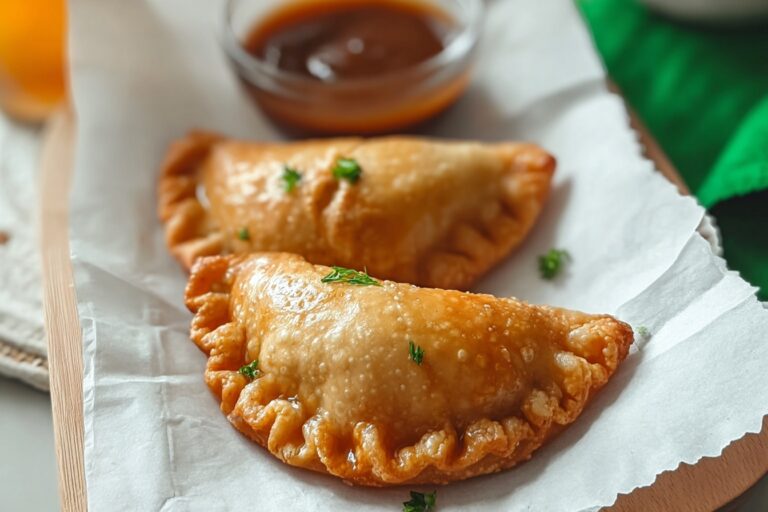
Filipino Empanada Stuffed Pastry
🥟 Crispy golden Filipino empanadas filled with savory pork mince, tender veggies, sweet sultanas, and peas for an explosion of Filipino flavors in every bite.
🍲 Perfect as a snack, appetizer, or party food – flaky pastry, easy frying, and freezer-friendly for effortless delight anytime!
- Total Time: 1 hour 35 minutes
- Yield: 18 empanadas
Ingredients
– 1 tablespoon oil
– 1 white onion, finely chopped
– 2 cloves garlic, minced
– 500 grams lean pork mince
– 1 carrot, finely diced
– 1 small potato, finely diced
– 1/4 cup sultanas (45 grams)
– 1/2 cup frozen baby peas (75 grams)
– 2 tablespoons soy sauce (40 mls)
– 2 tablespoons oyster sauce (40 mls)
– 2 teaspoons sugar
– 1/2 teaspoon white pepper
– 1/4 cup water (65 mls)
– 3 cups flour (450 grams)
– 2 tablespoons sugar
– 1/2 teaspoon baking powder
– 1/2 teaspoon salt
– 1/4 cup cold lard, chopped (50 grams)
– 1/2 cup cold water (125 mls)
– 1 egg
– 1 teaspoon white vinegar
– Vegetable oil for frying
Instructions
1-First Step: Heat 1 tablespoon oil in a large non-stick pan over medium heat. Sauté the finely chopped onion and minced garlic until soft and fragrant, usually about 2 to 3 minutes.
2-Second Step: Add 500 grams lean pork mince. Cook until it begins to brown, stirring to break up larger clumps. Browning is important because it builds deeper flavor for your Filipino Empanada Stuffed Pastry.
3-Third Step: Stir in diced carrot and diced potato. Cook for a few more minutes until the vegetables start to soften. If you need a little extra moisture, add a tiny splash of water (not the full amount yet).
4-Fourth Step: Add baby peas, sultanas, soy sauce, oyster sauce, sugar, white pepper, and water. Stir well so everything coats evenly.
5-Fifth Step: Lower the heat to low and cook, stirring occasionally, until the liquid evaporates. The filling should be moist but not watery. Watery filling makes sealing harder and can cause oil splatter during frying.
6-Final Step: Cover and let the filling cool completely before assembling. While it cools, it thickens further, which makes your stuffed pastry easier to shape and safer to fry.
7-First Step: In a large bowl, combine flour, sugar, baking powder, and salt. Mix until evenly distributed.
8-Second Step: Add cold chopped lard. Rub it into the flour using your fingertips, not your palms, so the mixture stays cool and resembles fine breadcrumbs. This cooling step is what helps create flaky layers in Filipino empanada pastry.
9-Third Step: Whisk cold water, egg, and white vinegar. Pour into the flour mixture and mix until combined.
10-Fourth Step: Knead on a floured surface until you get a smooth dough. If it feels sticky, dust with a little more flour. If it feels too dry, add a teaspoon of cold water at a time.
11-Final Step: Shape the dough into a flat ball, wrap it in plastic, and refrigerate for 20 minutes. This rest helps the dough relax so it rolls without springing back.
12-First Step: Divide the dough into 18 balls. Keep them covered with plastic wrap so they don’t dry out while you work.
13-Second Step: Roll each ball into about 1/2 cm thickness on a floured surface. If you want even results, use a small bowl or cutter to guide circles.
14-Third Step: Place 2 tablespoons of filling in the center of each dough round. Keep the filling centered and avoid overfilling so the edges seal easily.
15-Fourth Step: Fold dough over filling and seal the edges by pleating and crimping, or press with a fork. For best results, seal firmly all around.
16-Fifth Step: Heat vegetable oil in a wok or deep pan to 180°C (350°F). Fry in batches without crowding. Crowding lowers oil temperature and can lead to greasy empanadas.
17-Final Step: Fry until golden brown, then drain on paper towels. Serve immediately for the crispiest Filipino empanada experience. If you’re making a crowd, keep cooked empanadas warm in a low oven while you finish frying.
Last Step:
Please leave a rating and comment letting us know how you liked this recipe! This helps our business to thrive and continue providing free, high-quality recipes for you.Notes
🥟 Use lard in the pastry for a flaky, light texture that makes these empanadas irresistible.
❄️ Rub lard into flour with fingertips only to keep it cold for perfect crumbliness.
🧊 Freeze cooked empanadas after cooling and reheat in the oven for quick snacks later.
- Prep Time: 35 minutes
- Dough Resting Time: 20 minutes
- Cook Time: 40 minutes
- Category: Appetizers
- Method: Frying
- Cuisine: Filipino
Nutrition
- Serving Size: 1 empanada
- Calories: 215 kcal
- Sugar: 4 g
- Sodium: 255 mg
- Fat: 10 g
- Saturated Fat: 5 g
- Carbohydrates: 23 g
- Fiber: 1 g
- Protein: 8 g
- Cholesterol: 29 mg