
Why You’ll Love Filipino Sapin Sapin
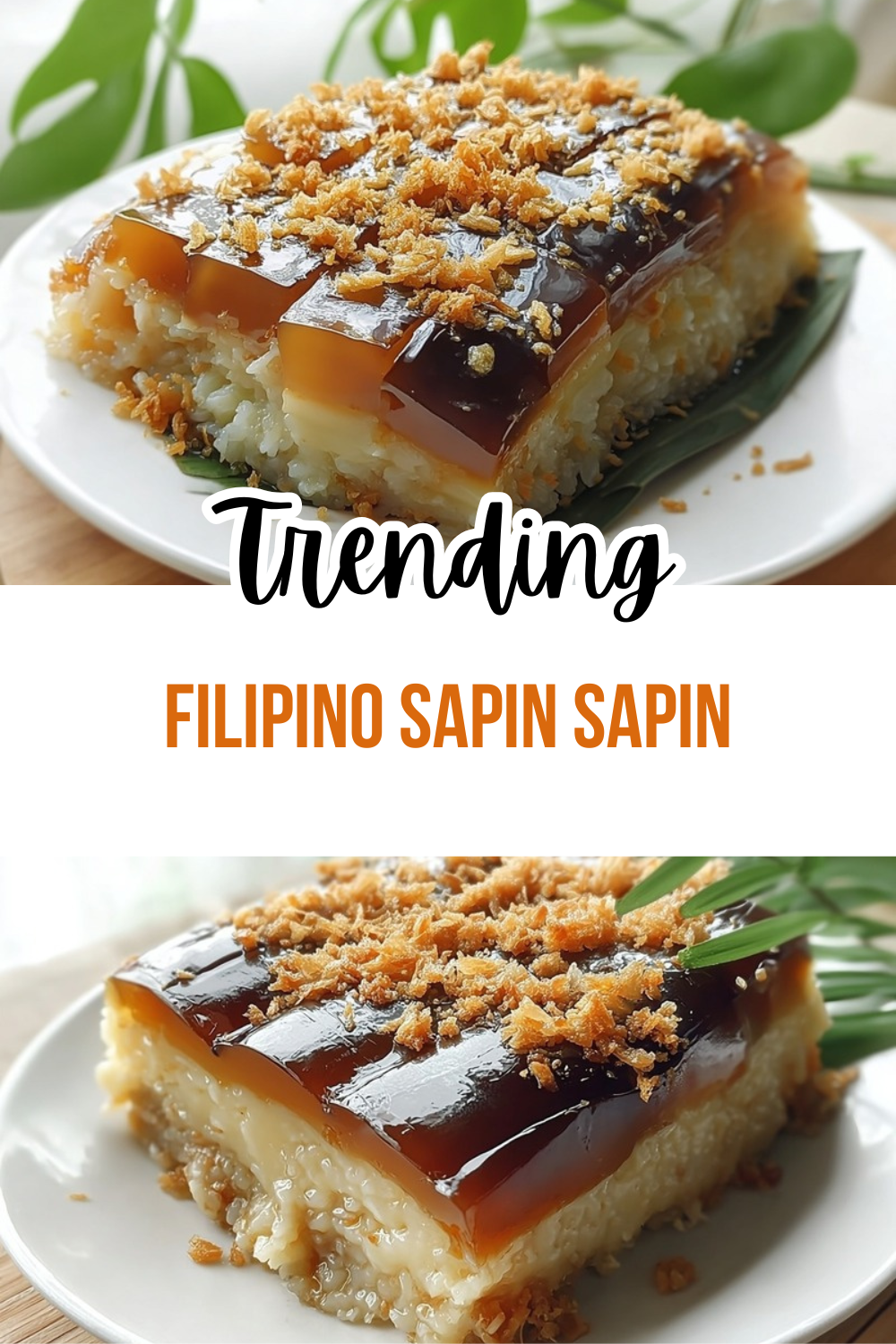
Filipino Sapin Sapin is one of those desserts that looks fancy but is actually simple enough for home cooks to make. It is a colorful Sapin Sapin recipe that brings together soft, chewy layers, sweet coconut flavor, and a cheerful finish of latik on top. If you have been wanting a dish that feels special without taking all day, this one fits beautifully into a busy kitchen.
- Easy to prepare: This easy Sapin Sapin recipe uses pantry staples like glutinous rice flour, coconut milk, and sugar. The batter comes together fast, and each layer steams in about 10 minutes, so the hands-on work stays very manageable.
- Comforting and filling: Like many Filipino kakanin, this sticky rice cake offers a chewy texture and satisfying sweetness. It works well for merienda, holiday trays, or a simple treat after dinner.
- Flexible for different needs: You can keep the layers plain, add mashed cooked ube to the purple batter, or mix in chopped jackfruit for a brighter flavor. That makes this layered rice cake easy to adjust for family tastes.
- Distinctive flavor and look: The mix of coconut, ube, and langka gives this traditional Filipino Sapin Sapin a flavor that feels both familiar and unique. The colors get even richer after steaming, which makes every slice feel festive.
Sweet, chewy, colorful, and comforting, Filipino Sapin Sapin is the kind of dessert that gets people smiling before the first bite.
If you enjoy Filipino desserts, you may also like our quick no-bake snack ideas for another easy treat that fits a busy schedule.
Jump to:
- Why You’ll Love Filipino Sapin Sapin
- Essential Ingredients for Filipino Sapin Sapin
- Main Ingredients
- What Each Ingredient Does
- Special Dietary Options
- How to Prepare the Perfect Filipino Sapin Sapin: Step-by-Step Guide
- First Step: Make the latik topping
- Second Step: Prepare the pan and batter base
- Third Step: Divide and flavor the layers
- Fourth Step: Steam the first layer
- Fifth Step: Add the second and third layers
- Sixth Step: Cool, invert, and finish
- Helpful timing guide
- Dietary Substitutions to Customize Your Filipino Sapin Sapin
- Protein and Main Component Alternatives
- Vegetable, Sauce, and Seasoning Modifications
- Mastering Filipino Sapin Sapin: Advanced Tips and Variations
- Pro cooking techniques
- Flavor variations
- Presentation tips
- Make-ahead options
- How to Store Filipino Sapin Sapin: Best Practices
- FAQs: Frequently Asked Questions About Filipino Sapin Sapin
- What is sapin sapin Filipino dessert?
- Where did sapin sapin originate?
- How do you make sapin sapin at home?
- Does sapin sapin need to be refrigerated?
- What are common sapin sapin variations and serving tips?
- Filipino Sapin Sapin
- Ingredients
- Instructions
- Last Step:
- Notes
- Nutrition
- Did you make this recipe?
Essential Ingredients for Filipino Sapin Sapin
To make a reliable Filipino Sapin Sapin recipe, it helps to measure everything before you begin. The ingredients below create the classic layers, the smooth batter, and the crisp latik topping that makes this dessert so memorable.
Main Ingredients
- 1 cup coconut cream, for latik
- 3 1/2 cups glutinous rice flour
- 2 cans coconut milk, 13.5 ounces each
- 1 can condensed milk, 14 ounces
- 1 cup sugar
- 3 drops ube flavor extract
- 3 drops langka flavor extract
What Each Ingredient Does
| Ingredient | Purpose |
|---|---|
| Coconut cream | Simmered until it separates into latik, giving the cake its rich topping and toasted coconut flavor. |
| Glutinous rice flour | Gives the sticky rice cake its chewy texture and helps the layers hold together. |
| Coconut milk | Builds the creamy base and adds the signature coconut taste found in Filipino kakanin. |
| Condensed milk | Sweetens the batter and adds a smooth, milky richness. |
| Sugar | Adds extra sweetness and helps balance the coconut flavor. |
| Ube flavor extract | Gives the purple layer its classic color and aroma. |
| Langka flavor extract | Creates the yellow layer with a sweet jackfruit note. |
Special Dietary Options
- Vegan: Use plant-based condensed milk and a dairy-free sweetener if needed. Keep the coconut milk base, since it already fits many plant-based diets.
- Gluten-free: This recipe is naturally gluten-free because glutinous rice flour does not contain wheat gluten.
- Low-calorie: Reduce the sugar slightly, serve smaller slices, or use a lighter sweetener that works well in steamed desserts.
If you want a similar coconut-rich dessert reference, you can also read this classic sapin sapin version from Kawaling Pinoy for more background on this beloved Filipino dessert. For another texture reference, this glutinous rice cake nutrition guide can be helpful when planning portions.
How to Prepare the Perfect Filipino Sapin Sapin: Step-by-Step Guide
First Step: Make the latik topping
Start by placing 1 cup coconut cream in a pan over medium heat. Let it boil gently until it thickens, then stir often as the curds begin to form. Keep cooking until the curds turn golden and the oil separates from the solids. Drain the mixture and set the latik aside so it can cool while you prepare the cake.
Second Step: Prepare the pan and batter base
Grease an 8-inch round baking pan with oil. You can also use an 8-inch square pan with an 8-cup capacity if that is what you have at home. In a large bowl, combine the glutinous rice flour, coconut milk, condensed milk, and sugar. Stir until the batter looks smooth and lump-free. If you like a cleaner texture in your Filipino Sapin Sapin, strain the batter before dividing it.
Third Step: Divide and flavor the layers
Split the batter into three equal parts. Leave one part plain for the white layer. Add 3 drops ube flavor extract to the second part and mix well until the color spreads evenly. Add 3 drops langka flavor extract to the third part and stir until the yellow color looks even. If you want a stronger flavor, you can also add mashed cooked ube to the purple batter or chopped jackfruit to the yellow one, as long as the batter still stays smooth.
Fourth Step: Steam the first layer
Pour the plain batter into the prepared pan and steam it for about 10 minutes. Keep the heat on medium so the layer cooks gently and stays soft. The layer is ready when the top looks set and a toothpick inserted in the center comes out clean. This first layer gives the layered rice cake its steady base.
Fifth Step: Add the second and third layers
Pour the ube batter over the first layer and steam again for about 10 minutes. Then add the langka batter and steam for another 10 minutes. If you are making this as a family dessert, try to pour the batter carefully so the layers stay neat. The colors often look brighter after steaming, so do not worry if they seem a little muted before cooking.
Sixth Step: Cool, invert, and finish
Once the last layer is cooked, let the cake cool completely. This matters because covering it too soon can trap steam and create condensation on top. When fully cooled, invert the cake onto a platter, brush the surface with coconut oil, and spoon the latik over the top. Slice only after it has set fully so you get clean, pretty squares or wedges.
Helpful timing guide
| Task | Time |
|---|---|
| Prep time | 10 minutes |
| Cook time | 50 minutes |
| Total time | 1 hour |
For the best results, keep the steaming gentle and steady. A slow, even steam gives you a soft, chewy kakanin without cracks.

Dietary Substitutions to Customize Your Filipino Sapin Sapin
Protein and Main Component Alternatives
This recipe is already meat-free, which makes it easy to fit many eating styles. If you want a lighter version of this sticky rice cake, reduce the condensed milk slightly and add a bit more coconut milk for a softer sweetness. For a vegan-friendly batch, use a plant-based condensed milk alternative and keep the coconut cream latik, or replace latik with toasted coconut flakes if you prefer.
Vegetable, Sauce, and Seasoning Modifications
Even though Filipino Sapin Sapin is a dessert, you can still make small changes to suit your tastes. Add mashed cooked ube for a deeper purple layer, or mix chopped jackfruit into the yellow batter for a more natural langka note. If you want a different aroma, a tiny drop of pandan flavor can work well in one layer, though the classic version keeps the focus on coconut, ube, and langka. For serving, coconut jam can be spooned over the top if you want a sweeter finish, and banana leaves can be used under the cake for a more traditional look.
Mastering Filipino Sapin Sapin: Advanced Tips and Variations
Pro cooking techniques
To get the best Filipino Sapin Sapin, always strain the batter before steaming. This small step helps remove lumps and gives you smoother slices. Grease the pan well, or line it with banana leaves or parchment paper if you want easier release. If your steamer runs hot, lower the heat a little so the layers do not crack or become rubbery.
Flavor variations
You can keep the traditional three-layer version or make small changes based on what your family likes. Some cooks make an all-ube version for a richer purple dessert, while others add more jackfruit for a sweeter yellow layer. Because this is a flexible Filipino kakanin, it welcomes simple changes without losing its charm. The classic layered rice cake flavor still comes through even when you adjust the fillings.
Presentation tips
For a lovely finish, slice the cake into diamonds or squares and arrange it on a platter lined with banana leaves. Add extra latik on top right before serving so it stays crisp. If you are serving guests, a light brush of coconut oil helps the surface shine and keeps the slices from sticking together. This makes the dessert look neat for birthdays, potlucks, and holiday tables.
Make-ahead options
This easy Sapin Sapin recipe works well for busy schedules because it holds up nicely in the refrigerator. You can steam it the day before, let it cool, and chill it overnight. Just remember to cover it only after it is fully cool. That way, the top stays smooth and the layers remain firm. If you are planning for a gathering, making it ahead can save a lot of time on the day of the event.
How to Store Filipino Sapin Sapin: Best Practices
Because this dessert is made with coconut milk, it should be stored the right way so it stays fresh and safe to eat. After it cools completely, place it in an airtight container and refrigerate it for up to 3 days. For the best texture, let slices come to room temperature for a few minutes before serving, or warm them briefly in the microwave.
- Refrigeration: Cool fully first, then cover tightly and chill. This helps keep the layers soft and prevents spoilage.
- Freezing: Wrap portions well and freeze for up to 1 month. Thaw overnight in the refrigerator before reheating.
- Reheating: Microwave slices for 10 to 20 seconds, or steam them briefly to bring back the chewy texture.
- Meal prep: Cut into portions before storing so you can grab a slice quickly for snacks or dessert boxes.
Tip: Colors often stay brighter after chilling, so the cake still looks lovely when served later.
FAQs: Frequently Asked Questions About Filipino Sapin Sapin
What is sapin sapin Filipino dessert?
Where did sapin sapin originate?
How do you make sapin sapin at home?
Does sapin sapin need to be refrigerated?
What are common sapin sapin variations and serving tips?
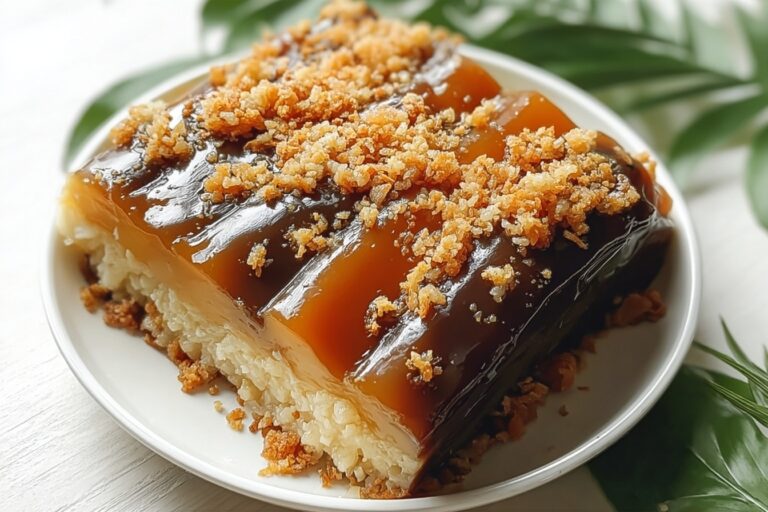
Filipino Sapin Sapin
🍚 Indulge in vibrant, layered Filipino sticky rice cake that’s creamy, sweet, and full of tropical coconut flavor – ideal for celebrations!
🌈 Simple to make at home, this Sapin Sapin brings authentic Pinoy dessert joy with easy steaming and stunning colors.
- Total Time: 1 hour 30 minutes
- Yield: 12 servings
Ingredients
– 1 cup coconut cream for latik
– 3 1/2 cups glutinous rice flour
– 2 cans coconut milk, 13.5 ounces each
– 1 can condensed milk, 14 ounces
– 1 cup sugar
– 3 drops ube flavor extract
– 3 drops langka flavor extract
Instructions
1-First Step: Make the latik topping Start by placing 1 cup coconut cream in a pan over medium heat. Let it boil gently until it thickens, then stir often as the curds begin to form. Keep cooking until the curds turn golden and the oil separates from the solids. Drain the mixture and set the latik aside so it can cool while you prepare the cake.
2-Second Step: Prepare the pan and batter base Grease an 8-inch round baking pan with oil. You can also use an 8-inch square pan with an 8-cup capacity if that is what you have at home. In a large bowl, combine the glutinous rice flour, coconut milk, condensed milk, and sugar. Stir until the batter looks smooth and lump-free. If you like a cleaner texture in your Filipino Sapin Sapin, strain the batter before dividing it.
3-Third Step: Divide and flavor the layers Split the batter into three equal parts. Leave one part plain for the white layer. Add 3 drops ube flavor extract to the second part and mix well until the color spreads evenly. Add 3 drops langka flavor extract to the third part and stir until the yellow color looks even. If you want a stronger flavor, you can also add mashed cooked ube to the purple batter or chopped jackfruit to the yellow one, as long as the batter still stays smooth.
4-Fourth Step: Steam the first layer Pour the plain batter into the prepared pan and steam it for about 10 minutes. Keep the heat on medium so the layer cooks gently and stays soft. The layer is ready when the top looks set and a toothpick inserted in the center comes out clean. This first layer gives the layered rice cake its steady base.
5-Fifth Step: Add the second and third layers Pour the ube batter over the first layer and steam again for about 10 minutes. Then add the langka batter and steam for another 10 minutes. If you are making this as a family dessert, try to pour the batter carefully so the layers stay neat. The colors often look brighter after steaming, so do not worry if they seem a little muted before cooking.
6-Sixth Step: Cool, invert, and finish Once the last layer is cooked, let the cake cool completely. This matters because covering it too soon can trap steam and create condensation on top. When fully cooled, invert the cake onto a platter, brush the surface with coconut oil, and spoon the latik over the top. Slice only after it has set fully so you get clean, pretty squares or wedges.
Last Step:
Please leave a rating and comment letting us know how you liked this recipe! This helps our business to thrive and continue providing free, high-quality recipes for you.Notes
🥘 Use an 8-inch round or square pan; grease well or line with banana leaves for easy release.
🍌 Enhance flavors by adding mashed ube to purple batter and chopped jackfruit to yellow layer.
❄️ Cool the cake fully before covering to avoid condensation and soggy top.
- Prep Time: 10 minutes
- Cooling: 30 minutes
- Cook Time: 50 minutes
- Category: Dessert
- Method: Steaming
- Cuisine: Filipino
- Diet: Vegetarian
Nutrition
- Serving Size: 1 slice
- Calories: 557 calories
- Sugar: 35 grams
- Sodium: 51 milligrams
- Fat: 24 grams
- Saturated Fat: 20 grams
- Unsaturated Fat: 4 grams
- Trans Fat: 0 grams
- Carbohydrates: 80 grams
- Fiber: 2 grams
- Protein: 8 grams
- Cholesterol: 11 milligrams