
Why You’ll Love This Filipino Sapin Sapin
- Ease of preparation: This Filipino Sapin Sapin recipe focuses on simple mixing and steaming. You steam the layers one by one, about 10 minutes per layer, so you are not stuck with complicated baking steps.
- Health-minded comfort: It is a sweet Filipino rice cake that still packs satisfying nutrition from coconut and key ingredients. Per serving, it provides 557 calories with 8g protein and 24g fat, plus 2g fiber and minerals like iron (2.8mg) and calcium (113mg).
- Versatile for different needs: You can adapt this layered rice cake for picky eaters and varying preferences. For example, you can add extra ube or swap in different fillings while keeping the classic steamed texture.
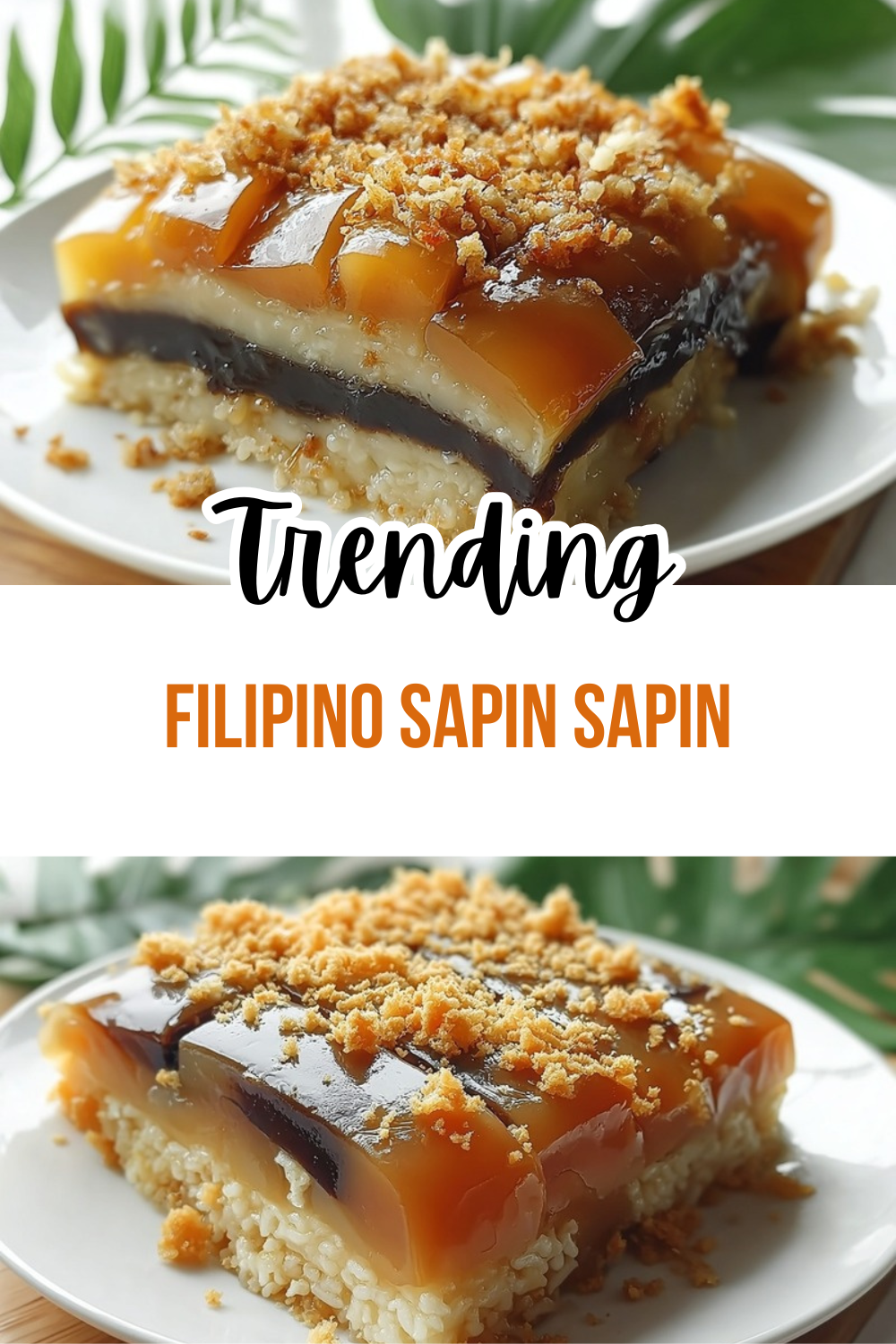
- Distinctive flavor and texture: Filipino Sapin-Sapin is a vibrant, layered steamed glutinous rice cake featuring ube and langka flavors, topped with crispy golden latik, and served as a delightful snack or dessert. The contrast of soft layers and crunchy latik makes every bite memorable.
If you love traditional Filipino desserts, you might also enjoy this merienda-style idea from no-bake energy bites for an easy snack pairing.
Jump to:
- Why You’ll Love This Filipino Sapin Sapin
- Essential Ingredients for Filipino Sapin Sapin
- Ingredients List (Precise Measurements)
- Optional Texture Boosters (For Variation)
- Special Dietary Options (Quick Notes)
- How to Prepare the Perfect Filipino Sapin Sapin: Step-by-Step Guide
- Before You Start
- Step-by-Step Instructions
- Quick Timing Guide for Layer Steaming
- Dietary Substitutions to Customize Your Filipino Sapin Sapin
- Protein and Main Component Alternatives
- Vegetable, Sauce, and Seasoning Modifications
- Mastering Filipino Sapin Sapin: Advanced Tips and Variations
- Pro Cooking Techniques
- Flavor Variations That Still Feel Traditional
- Presentation Tips for a “Fiesta” Look
- Make-Ahead Options for Busy Schedules
- How to Store Filipino Sapin Sapin: Best Practices
- Refrigeration
- Freezing
- Reheating
- FAQs: Frequently Asked Questions About Filipino Sapin Sapin
- What is sapin-sapin?
- What ingredients do I need for sapin-sapin?
- How do you make sapin-sapin at home?
- Does sapin-sapin need to be refrigerated?
- Where did sapin-sapin originate and what’s its history?
- Filipino Sapin Sapin
- Ingredients
- Instructions
- Last Step:
- Notes
- Nutrition
- Did you make this recipe?
Essential Ingredients for Filipino Sapin Sapin
Filipino Sapin Sapin is all about balanced layers: creamy coconut base, sweet flavored extracts, and a golden latik topping. Below are the exact ingredients you need for this classic Sapin Sapin sticky rice cake with ube, langka, and plain white layers.
- Glutinous rice flour gives that signature chewy, sticky texture typical of kakanin.
- Coconut milk and condensed milk create a rich sweetness and creamy mouthfeel.
- Ube and langka flavor extracts provide the colorful, aromatic layers without heavy extra work.
- Latik adds the crispy golden finish everyone reaches for first.
Ingredients List (Precise Measurements)
For the Latik
- 1 cup coconut cream (kakang gata) – Simmered until it reduces, thickens, and forms golden brown curds, then drained to top the cake.
For the Cake Batter
- 3 ½ cups glutinous rice flour – The base for the soft, sticky layered Filipino rice cake.
- 2 cans (13.5 ounces each) coconut milk – Adds creaminess and coconut flavor to each layer.
- 1 can (14 ounces) condensed milk – Sweetens and helps the batter turn smooth and cohesive.
- 1 cup sugar – Provides balanced sweetness and helps dissolve fully for a silky texture.
- 3 drops ube flavor extract – Colors and flavors the purple ube layer.
- 3 drops langka flavor extract – Colors and flavors the yellow langka layer.
Optional Texture Boosters (For Variation)
These extras are not required for the core easy Sapin Sapin recipe, but they help you create a richer, more textured result:
- ½ cup mashed cooked ube – Mix into the purple batter for a chunkier, stronger ube taste.
- ¼ cup chopped jackfruit (langka) – Mix into the yellow batter for real fruit texture.
- ¼ cup chopped macapuno strips – Mix into the white batter for chewy, sweet ribbons.
Special Dietary Options (Quick Notes)
Traditional Filipino Sapin Sapin uses glutinous rice flour and coconut products. If you are adjusting for dietary preferences, keep in mind that changing ingredients can slightly alter texture.
- Vegan: Usually friendly if your condensed milk and coconut products are vegan. Check labels carefully and use a plant-based condensed milk substitute if needed.
- Gluten-free: Glutinous rice flour is naturally gluten-free, but confirm brand processing and packaging to avoid cross-contact.
- Low-calorie: This is naturally richer due to coconut and condensed milk. If you want lighter portions, serve smaller slices and pair with fresh fruit.
Tip: If you want a traditional steaming approach and flavor background, you can also read this guide on Kawaling Pinoy’s sapin-sapin for extra context.
How to Prepare the Perfect Filipino Sapin Sapin: Step-by-Step Guide
This Filipino Sapin Sapin recipe makes a vibrant layered steamed rice cake with ube and langka flavors, finished with crispy golden latik. Filipino Sapin-Sapin is a delightful snack or dessert that feels special for fiestas but is doable for busy home cooks.
Before You Start
- Prep Time: 10 minutes
- Cook Time: 50 minutes
- Total Time: 1 hour
Set up your steamer, prepare an 8 x 2-inch round pan, and get ready to steam in layers. The key to success is smooth batter and patient cooling before slicing.
Step-by-Step Instructions
First Step: Prepare the latik. Simmer 1 cup coconut cream (kakang gata) until it reduces, thickens, and forms golden brown curds. Stir occasionally so it reduces evenly, then drain the curds and reserve the coconut oil separately.
Second Step: Prepare your pan. Grease an 8 x 2-inch round baking pan with the reserved latik oil. If you prefer easier release, line with banana leaves or parchment paper.
Third Step: Mix the batter base. In a large bowl, mix 3 ½ cups glutinous rice flour, 2 cans (13.5 ounces each) coconut milk, 1 can (14 ounces) condensed milk, and 1 cup sugar until smooth and the sugar dissolves fully. Take your time with this step so your Sapin Sapin sticky rice cake does not turn out gritty.
Fourth Step: Strain and divide. Strain the batter through a fine-mesh sieve for extra smoothness. Then divide it equally into three bowls, so each color layer has the same base consistency.
Fifth Step: Flavor each layer. Flavor one bowl with 3 drops ube flavor extract, another bowl with 3 drops langka flavor extract, and leave the third bowl plain (white layer).
Sixth Step: Steam the layers separately. Steam the first batter layer in the prepared pan for about 10 minutes per layer, or until a toothpick inserted comes out clean. Stack them sequentially from bottom to top, steaming each layer separately so the layers hold their definition.
Seventh Step: Cool completely. Let the cake cool fully before you loosen it from the pan. This helps prevent condensation and keeps the texture tender and not watery.
Final Step: Finish and serve. Loosen the cake from the pan and invert it onto a platter. Brush the top and sides with the reserved coconut oil, sprinkle generously with latik, slice into portions, and serve.
Quick Timing Guide for Layer Steaming
| Layer | Flavor | Steam Time | Doneness Tip |
|---|---|---|---|
| Bottom | White (plain) | About 10 minutes | Toothpick comes out clean |
| Middle | Langka (yellow) | About 10 minutes | Layer looks set and springy |
| Top | Ube (purple) | About 10 minutes | No wet batter on toothpick |
Friendly reminder: If you rush the steaming, the layers can blend. If you cool too fast without letting it set, you may get a messy inversion.
For flavor planning across your merienda menu, you may also like mini muffin pancake bites when you need quick, kid-friendly pairings.

Dietary Substitutions to Customize Your Filipino Sapin Sapin
One of the best parts of making a traditional Filipino Sapin Sapin is tailoring it to what you have at home. The main goal is preserving the creamy coconut base and the steamed sticky texture.
Protein and Main Component Alternatives
Sapin sapin is not protein-forward like meat-based dishes, but its “main components” are the coconut-rich base and rice flour structure. Consider these adjustments:
- Condensed milk swap: Use a plant-based condensed milk alternative if you want a vegan version. It will affect sweetness level, so adjust slowly.
- Coconut milk swap: If you cannot find canned coconut milk, choose an unsweetened coconut milk product with similar thickness. Thinner liquids may need a slightly longer steam.
- Glutinous rice flour: For gluten-free needs, keep to certified gluten-free glutinous rice flour. Avoid wheat flour swaps, since they change texture.
Vegetable, Sauce, and Seasoning Modifications
For Filipino layered sticky rice cake flavor, the “vegetables” here are fruit and yam profiles: ube and langka. Flavoring choices matter most:
- Ube profile: Instead of only extract, mix in ½ cup mashed cooked ube into the purple batter for stronger, more natural flavor.
- Langka profile: Add ¼ cup chopped jackfruit (langka) into the yellow layer for a fruity bite.
- Macapuno: Stir ¼ cup chopped macapuno strips into the white layer to create a sweet, chewy twist.
- Extract intensity: If your extracts are strong, start with fewer drops and taste the batter aroma. Keep the batter smooth after mixing.
Want to learn more about ube nutrition? You can reference this overview of purple yam benefits from Healthline’s nutrition guide.
Mastering Filipino Sapin Sapin: Advanced Tips and Variations
Once you have the basics down, you can make your Filipino Sapin Sapin look bakery-level while staying beginner-friendly. Below are pro tips plus variation ideas that keep the classic steamed layered identity.
Pro Cooking Techniques
- Use coconut cream for faster latik: Opt for coconut cream in latik for superior flavor and faster cooking.
- Grease generously for clean release: Liberally grease the pan or use banana leaves/parchment to release the sticky cake easily.
- Strain for a smoother bite: Strain the batter through a fine-mesh sieve to avoid tiny lumps.
- Cool fully before covering: Cool fully before covering to avoid condensation, which can make the top sticky in an unappealing way.
Flavor Variations That Still Feel Traditional
Filipino Sapin Sapin is known for its ube and langka layers plus crispy latik. Here are safe variations that keep the dish familiar:
- More intense ube: Mix ½ cup mashed cooked ube into the purple batter for extra aroma.
- More fruit texture: Add ¼ cup chopped jackfruit (langka) to the yellow layer.
- Extra sweetness in the white layer: Fold in ¼ cup chopped macapuno strips for chewy ribbons.
Presentation Tips for a “Fiesta” Look
- Brush top and sides with reserved coconut oil before sprinkling latik.
- Slice into neat portions after fully cooling.
- Serve at room temperature or slightly warmed for the best chewy texture.
Texture goal: Your layers should look distinct when you cut. If they blend, steam time and cooling were likely rushed.
Make-Ahead Options for Busy Schedules
You can prep this Filipino rice cake ahead of time. Make the cake earlier in the day, cool completely, and store in the fridge until you are ready to serve. Gently warm before serving to restore softness.
How to Store Filipino Sapin Sapin: Best Practices
Proper storage keeps Filipino Sapin Sapin tender and prevents it from drying out. Since the cake is made with coconut milk and sticky rice flour, it is best handled with care after cooling.
Refrigeration
- Refrigerate: Store in the refrigerator up to 3 days.
- How to cover: Cool completely first, then cover to avoid condensation puddles.
- Before serving: Gently warm to restore softness.
Freezing
- Freezing: If you want longer storage, freeze portions after the cake is fully cooled.
- Wrap well: Wrap slices individually to prevent freezer burn.
Reheating
- Best method: Gently warm (microwave briefly or steam lightly) so the layers stay chewy.
- Avoid over-heating: Too much heat can make coconut oil separate and change texture.
Meal prep tip: Slice into portions first, then store. That makes it easier for busy parents and working professionals to grab a serving anytime.
FAQs: Frequently Asked Questions About Filipino Sapin Sapin
What is sapin-sapin?
What ingredients do I need for sapin-sapin?
How do you make sapin-sapin at home?
Does sapin-sapin need to be refrigerated?
Where did sapin-sapin originate and what’s its history?
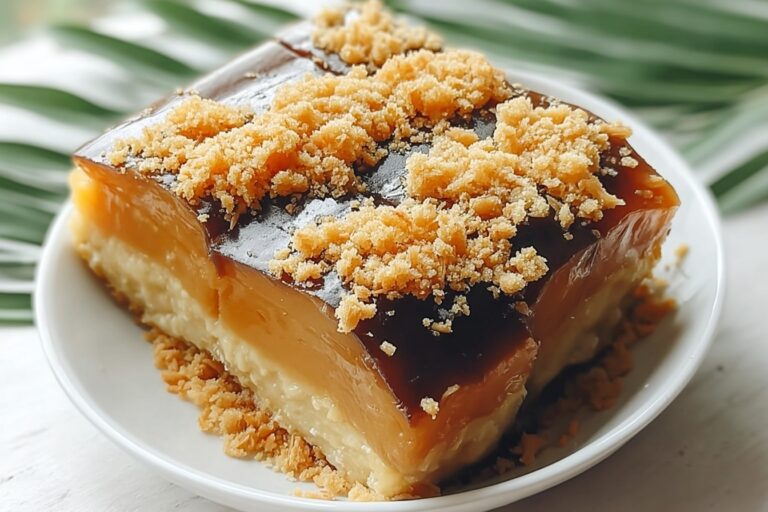
Filipino Sapin Sapin
🍚 Delight in vibrant, chewy layers of ube, langka, and plain sticky rice cake, steamed to perfection and crowned with crunchy latik – an easy Filipino dessert full of tropical sweetness!
🥥 Gluten-free, festive treat ready in just 1 hour, perfect for parties or snacks, bringing authentic kakanin joy with minimal effort and maximum flavor!
- Total Time: 1 hour 20 minutes
- Yield: 12 servings
Ingredients
– 1 cup coconut cream (kakang gata) for latik topping
– 3 ½ cups glutinous rice flour for the cake base
– 2 cans (13.5 ounces each) coconut milk for creaminess and coconut flavor
– 1 can (14 ounces) condensed milk for sweetness and smooth batter
– 1 cup sugar for sweetness
– 3 drops ube flavor extract for the purple ube layer
– 3 drops langka flavor extract for the yellow langka layer
– ½ cup mashed cooked ube for purple batter
– ¼ cup chopped jackfruit (langka) for yellow batter
– ¼ cup chopped macapuno strips for white batter
Instructions
1-First Step: Prepare the latik. Simmer 1 cup coconut cream (kakang gata) until it reduces, thickens, and forms golden brown curds. Stir occasionally so it reduces evenly, then drain the curds and reserve the coconut oil separately.
2-Second Step: Prepare your pan. Grease an 8 x 2-inch round baking pan with the reserved latik oil. If you prefer easier release, line with banana leaves or parchment paper.
3-Third Step: Mix the batter base. In a large bowl, mix 3 ½ cups glutinous rice flour, 2 cans (13.5 ounces each) coconut milk, 1 can (14 ounces) condensed milk, and 1 cup sugar until smooth and the sugar dissolves fully. Take your time with this step so your Sapin Sapin sticky rice cake does not turn out gritty.
4-Fourth Step: Strain and divide. Strain the batter through a fine-mesh sieve for extra smoothness. Then divide it equally into three bowls, so each color layer has the same base consistency.
5-Fifth Step: Flavor each layer. Flavor one bowl with 3 drops ube flavor extract, another bowl with 3 drops langka flavor extract, and leave the third bowl plain (white layer).
6-Sixth Step: Steam the layers separately. Steam the first batter layer in the prepared pan for about 10 minutes per layer, or until a toothpick inserted comes out clean. Stack them sequentially from bottom to top, steaming each layer separately so the layers hold their definition.
7-Seventh Step: Cool completely. Let the cake cool fully before you loosen it from the pan. This helps prevent condensation and keeps the texture tender and not watery.
8-Final Step: Finish and serve. Loosen the cake from the pan and invert it onto a platter. Brush the top and sides with the reserved coconut oil, sprinkle generously with latik, slice into portions, and serve.
Last Step:
Please leave a rating and comment letting us know how you liked this recipe! This helps our business to thrive and continue providing free, high-quality recipes for you.Notes
🥥 Use thick coconut cream (kakang gata) for latik to achieve crispy, flavorful curds faster.
🍌 Line pan with banana leaves or grease liberally to easily unmold the sticky cake.
❄️ Cool fully at room temp before covering or slicing to avoid sticky condensation.
- Prep Time: 10 minutes
- Cooling: 20 minutes
- Cook Time: 50 minutes
- Category: Desserts
- Method: Steamed
- Cuisine: Filipino
- Diet: Vegetarian
Nutrition
- Serving Size: 1 slice
- Calories: 557 kcal
- Sugar: 35g
- Sodium: 51mg
- Fat: 24g
- Saturated Fat: 20g
- Unsaturated Fat: 4g
- Trans Fat: 0g
- Carbohydrates: 80g
- Fiber: 2g
- Protein: 8g
- Cholesterol: 11mg