Why You’ll Love This Fluffy Japanese Souffle Pancakes
Have you ever wondered what makes those pillowy pancakes at trendy Japanese cafes so incredibly light and airy? These Fluffy Japanese Souffle Pancakes bring that restaurant-quality experience right to your kitchen. Once you master this simple technique, you’ll understand why this breakfast sensation has taken the food world by storm. * **Ease of preparation**: Despite their impressive appearance, these souffle pancakes require just a few basic ingredients and about 30 minutes from start to finish. The process is straightforward enough for beginners yet satisfying for experienced cooks. * **Health benefits**: Made primarily with eggs and milk, these pancakes offer a good protein source to start your day. Eggs provide essential amino acids and nutrients that support muscle health and brain function. By controlling the sugar amount, you can make these pancakes a relatively healthy breakfast option. * **Versatility**: The basic recipe adapts beautifully to various dietary preferences and flavor combinations. Whether you’re serving them for a special weekend brunch, a birthday celebration, or a simple Tuesday morning treat, they work wonderfully for any occasion. * **Distinctive flavor**: Unlike regular pancakes that can be dense and heavy, these Japanese souffle pancakes offer a melt-in-your-mouth texture with a delicate sweetness. Their cloud-like consistency makes them feel indulgent without being overly rich.Jump to:
- Why You’ll Love This Fluffy Japanese Souffle Pancakes
- Essential Ingredients for Fluffy Japanese Souffle Pancakes
- Main Ingredients
- Special Dietary Options
- How to Prepare the Perfect Fluffy Japanese Souffle Pancakes: Step-by-Step Guide
- Preparation Phase
- Creating the Meringue
- Cooking Technique
- Dietary Substitutions to Customize Your Fluffy Japanese Souffle Pancakes
- Protein and Main Component Alternatives
- Vegetable, Sauce, and Seasoning Modifications
- Mastering Fluffy Japanese Souffle Pancakes: Advanced Tips and Variations
- Pro Cooking Techniques
- Flavor Variations
- Presentation Tips
- Make-Ahead Options
- How to Store Fluffy Japanese Souffle Pancakes: Best Practices
- Refrigeration
- Freezing
- Reheating
- Meal Prep Considerations
- FAQs: Frequently Asked Questions About Fluffy Japanese Souffle Pancakes
- Fluffy Japanese Souffle Pancakes
- Ingredients
- Instructions
- Last Step:
- Notes
- Nutrition
- Did you make this recipe?
Essential Ingredients for Fluffy Japanese Souffle Pancakes
Creating the perfect Fluffy Japanese Souffle Pancakes requires specific ingredients that work together to achieve that signature airy texture. Each component plays a crucial role in the chemistry of this beloved Japanese dish.Main Ingredients
2 large egg yolks – Rich in fats and emulsifiers that help create a tender crumb 2 large egg whites – Provide the structure when whipped to stiff peaks, creating the airy texture 1/4 cup granulated sugar – Sweetens the batter while stabilizing the whipped egg whites 1/2 cup milk – Adds moisture and helps dissolve the sugar 1/2 teaspoon vanilla extract – Imparts a warm, aromatic flavor that complements the subtle sweetness 1/2 cup all-purpose flour – Provides structure to the batter while maintaining lightness 1 teaspoon baking powder – Helps the pancakes rise and maintain their fluffiness Pinch of salt – Enhances the overall flavor profile Butter or oil for cooking – Prevents sticking and adds a subtle richness to the exteriorSpecial Dietary Options
Vegan substitutions: Replace eggs with aquafaba (chickpea brine), using 3 tablespoons per egg. Use plant-based milk and a vegan butter substitute. While the texture may vary slightly, these adjustments still yield delightful results. Gluten-free alternatives: Substitute all-purpose flour with a 1-to-1 gluten-free flour blend containing xanthan gum. This maintains the structure without compromising the fluffy texture that makes these pancakes special. Low-calorie options: Reduce sugar to 2 tablespoons or use a natural sweetener like stevia. Use cooking spray instead of butter to minimize added calories while preserving the essence of the dish.How to Prepare the Perfect Fluffy Japanese Souffle Pancakes: Step-by-Step Guide
Making these cloud-like pancakes at home is easier than you might think. Follow this detailed guide to create restaurant-quality Fluffy Japanese Souffle Pancakes that will impress everyone at your breakfast table.Preparation Phase
First Step: Begin by gathering all your ingredients and equipment. Separate the eggs while cold, placing yolks in one bowl and whites in another completely clean, grease-free bowl. It’s crucial that no yolk gets into the whites, as even a tiny amount of fat can prevent proper whipping. Bring all ingredients to room temperature before starting, which helps them incorporate more easily. Second Step: In a medium bowl, whisk together the egg yolks, milk, and vanilla extract until well combined. In a separate bowl, sift together the flour, baking powder, and salt. Gradually add the dry ingredients to the yolk mixture, whisking until you have a smooth, lump-free batter. Set this aside while you prepare the egg whites.Creating the Meringue
Third Step: Using a handheld mixer or stand mixer with the whisk attachment, beat the egg whites on medium-low speed until they become frothy. Add the sugar gradually, one tablespoon at a time, while continuing to beat. Increase the speed to medium-high and whip until stiff, glossy peaks form. You should be able to turn the bowl upside down without the egg whites moving. This meringue is what gives the pancakes their signature height and light texture. Fourth Step: Gently fold one-third of the meringue into the yolk batter to lighten it. Use a rubber spatula and fold with care, cutting through the center and bringing batter from the bottom over the top. This step requires patience and a gentle touch to preserve the air bubbles. Once incorporated, fold in the remaining meringue until just combined, being careful not to overmix which would deflate the batter.Cooking Technique
Fifth Step: Heat a non-stick pan or griddle over the lowest possible heat setting. Lightly grease with butter or cooking spray, using a paper towel to remove any excess. You want a thin, even coating, not a pooling of fat. The low heat is essential as these pancakes need time to cook through without burning before they’re ready to flip. Sixth Step: Using a large spoon or ice cream scoop, carefully place 2-3 mounds of batter onto the pan, leaving plenty of space between them as they will spread significantly. Gently shape them into tall, round piles using the back of your spoon. Add a teaspoon of water to the empty spaces in the pan (not directly on the pancakes) and immediately cover with a lid. The steam created helps cook the pancakes from the top as they cook from the bottom. Seventh Step: Cook for approximately 3-4 minutes until the bottoms are golden brown and the surface appears set with bubbles beginning to form. Carefully flip the pancakes using a wide spatula, taking your time to maintain their shape. Cover again and cook for another 3-4 minutes until golden and cooked through. They should feel springy when gently pressed. Final Step: Transfer the pancakes to serving plates using the spatula, handling them gently as they are delicate. Serve immediately with your favorite toppings such as fresh berries, maple syrup, whipped cream, or a dusting of powdered sugar. These pancakes are best enjoyed fresh while they maintain their height and airy texture. For a complete breakfast experience, consider pairing them with a side of fresh Caesar salad for a delightful balance of sweet and savory flavors.
Dietary Substitutions to Customize Your Fluffy Japanese Souffle Pancakes
One of the wonderful aspects of this recipe is its adaptability to various dietary needs and flavor preferences. With just a few thoughtful substitutions, you can create personalized versions of these classic Japanese pancakes while maintaining their signature fluffy texture.Protein and Main Component Alternatives
For those looking to modify the protein content or work with ingredient restrictions, several effective alternatives exist. If you’re allergic to eggs, aquafaba (the liquid from canned chickpeas) serves as an excellent replacement. Use 3 tablespoons of aquafaba per egg white and 1 tablespoon per yolk, whipping it just as you would egg whites. For those who cannot consume dairy, simply replace regular milk with almond, soy, oat, or coconut milk. Each plant-based option will impart a slightly different flavor profile, with coconut adding a subtle tropical note that pairs beautifully with fruit toppings. If you’re looking to increase protein content, consider adding a scoop of unflavored protein powder to the dry ingredients, though this may slightly affect the texture. Another option is mixing ground flaxseed or chia seeds into the batter for added protein and omega-3 fatty acids. These additions will create a slightly denser pancake while still maintaining a pleasant fluffiness.Vegetable, Sauce, and Seasoning Modifications
While traditional Fluffy Japanese Souffle Pancakes are typically sweet, you can create savory variations by incorporating vegetables and seasonings. For a savory twist, reduce or eliminate the sugar and add finely diced green onions, fresh herbs like chives or dill, and perhaps some grated cheese to the batter before cooking. These savory versions make excellent brunch options or light dinner meals, especially when paired with a comforting bowl of creamy tortellini minestrone soup. For sauce alternatives beyond traditional maple syrup, consider creating a fruit compote using seasonal berries simmered with a touch of sweetener. Lemon curd adds a bright, tangy contrast to the sweet pancakes, while chocolate sauce appeals to those with a sweeter tooth. Experiment with flavorings in the batter itself by adding citrus zest, matcha powder, or cocoa powder for color and taste variety. Just remember that any additions with weight (like cocoa powder) should replace an equal amount of flour to maintain the proper consistency.Mastering Fluffy Japanese Souffle Pancakes: Advanced Tips and Variations
Once you’ve mastered the basic technique for Fluffy Japanese Souffle Pancakes, you might want to refine your skills and experiment with creative variations. These expert tips will help you achieve consistent results and inspire you to create unique versions that reflect your personal taste preferences.Pro Cooking Techniques
Temperature control is the secret to perfect souffle pancakes. Too high heat will cause them to brown before cooking through, while too low heat may result in collapsed pancakes. Using a kitchen thermometer, aim for a pan temperature between 300-325°F (150-165°C). If your pancakes are spreading too much instead of rising tall, your batter might be too thin or your heat too high. Conversely, if they’re browning too quickly before the center sets, lower the heat and be patient. For those struggling with the flipping technique, try using two thin, wide spatulas to sandwich the pancakes before turning. This method provides more stability and helps maintain their shape. Another professional tip is to warm your serving plates before plating, which helps keep the pancakes fluffy longer after they leave the pan.Flavor Variations
Once comfortable with the basic recipe, experiment with these delicious flavor combinations. For chocolate lovers, sift 2 tablespoons of cocoa powder with the flour and reduce sugar slightly. Matcha enthusiasts can add 1-2 teaspoons of ceremonial grade matcha powder for beautiful green pancakes with a subtle earthy flavor. Fruit variations work wonderfully too fold in fresh blueberries, diced strawberries, or banana slices just before cooking for bursts of natural sweetness.Presentation Tips
Transform these pancakes from simple breakfast to Instagram-worthy creations with thoughtful presentation. Stack three pancakes for height, then drizzle sauces in an artistic zigzag pattern. Add texture contrasts with crunchy elements like toasted nuts, seeds, or crumbled cookies. Fresh flowers or mint sprigs add a professional touch. For an elegant finish, use a fine-mesh sieve to dust powdered sugar over the entire plate just before serving.Make-Ahead Options
While these pancakes are best enjoyed fresh, you can prepare components in advance to save time. Measure and combine dry ingredients the night before, keeping them in an airtight container. Separate your eggs and store whites and yolks in covered containers in the refrigerator. When ready to cook, bring everything to room temperature before proceeding with the recipe. This prep-ahead approach significantly reduces active cooking time, making these pancakes more feasible for busy weekday mornings.How to Store Fluffy Japanese Souffle Pancakes: Best Practices
Proper storage ensures your Fluffy Japanese Souffle Pancakes remain delicious and safe to eat even after the initial cooking. Since these delicate treats lose their characteristic height quickly, follow these guidelines to maintain the best possible quality when storing leftovers.Refrigeration
For short-term storage, place cooled pancakes in an airtight container with parchment paper between each layer to prevent sticking. They will remain fresh in the refrigerator for up to 2 days. While they won’t retain their original loftiness, refrigerated pancakes still offer a delightful flavor and texture when reheated properly. To minimize moisture loss, avoid cutting the pancakes before storing if possible, as exposed surfaces become dry more quickly.Freezing
For longer storage, freezing offers an excellent solution. Arrange the cooled pancakes in a single layer on a baking sheet and freeze until firm (about 1 hour). Transfer the frozen pancakes to a freezer-safe bag or container, placing parchment paper between each to prevent them from sticking together. Properly frozen, they will maintain quality for up to 1 month. Label the container with the date to ensure you use them within the optimal timeframe.Reheating
The best method for reheating depends on your equipment and time constraints. For the crispest exterior, place frozen pancakes in a toaster or toaster oven on medium-low heat until heated through (about 2-3 minutes). Alternatively, microwave individual pancakes for 15-20 seconds, checking frequently to avoid overheating. For a compromise between methods, warm them in a 300°F (150°C) oven for 5-7 minutes. Avoid reheating in the pan as this tends to dry them out.Meal Prep Considerations
When cooking specifically for meal prep, slightly undercook the pancakes by 30 seconds to 1 minute on each side. This allows for additional cooking during reheating without becoming dry or tough. Prepare a larger batch over the weekend and portion into individual servings for quick weekday breakfasts. To restore some fluffiness after refrigeration, let the pancakes come to room temperature before reheating rather than going directly from cold to heat.
FAQs: Frequently Asked Questions About Fluffy Japanese Souffle Pancakes
Print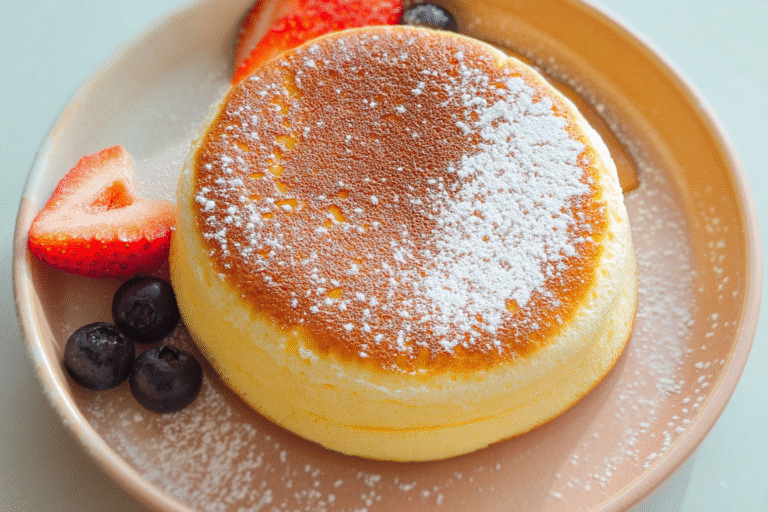
Fluffy Japanese Souffle Pancakes
🥞 Ethereal jiggly pancakes quadruple in height from whipped meringue magic—light-as-cloud texture far beyond regular flapjacks.
🍳 Foolproof home method yields cafe-perfect fluff for brunch showstopper, naturally gluten-light delight!
- Total Time: 31 minutes
- Yield: 4 pancakes (2 servings)
Ingredients
– 2 large egg yolks – Rich in fats and emulsifiers that help create a tender crumb
– 2 large egg whites – Provide the structure when whipped to stiff peaks, creating the airy texture
– 1/4 cup granulated sugar – Sweetens the batter while stabilizing the whipped egg whites
– 1/2 cup milk – Adds moisture and helps dissolve the sugar
– 1/2 teaspoon vanilla extract – Imparts a warm, aromatic flavor that complements the subtle sweetness
– 1/2 cup all-purpose flour – Provides structure to the batter while maintaining lightness
– 1 teaspoon baking powder – Helps the pancakes rise and maintain their fluffiness
– Pinch of salt – Enhances the overall flavor profile
– Butter or oil for cooking – Prevents sticking and adds a subtle richness to the exterior
Instructions
1-First Step: Begin by gathering all your ingredients and equipment. Separate the eggs while cold, placing yolks in one bowl and whites in another completely clean, grease-free bowl. It’s crucial that no yolk gets into the whites, as even a tiny amount of fat can prevent proper whipping. Bring all ingredients to room temperature before starting, which helps them incorporate more easily.
2-Second Step: In a medium bowl, whisk together the egg yolks, milk, and vanilla extract until well combined. In a separate bowl, sift together the flour, baking powder, and salt. Gradually add the dry ingredients to the yolk mixture, whisking until you have a smooth, lump-free batter. Set this aside while you prepare the egg whites.
3-Third Step: Using a handheld mixer or stand mixer with the whisk attachment, beat the egg whites on medium-low speed until they become frothy. Add the sugar gradually, one tablespoon at a time, while continuing to beat. Increase the speed to medium-high and whip until stiff, glossy peaks form. You should be able to turn the bowl upside down without the egg whites moving. This meringue is what gives the pancakes their signature height and light texture.
4-Fourth Step: Gently fold one-third of the meringue into the yolk batter to lighten it. Use a rubber spatula and fold with care, cutting through the center and bringing batter from the bottom over the top. This step requires patience and a gentle touch to preserve the air bubbles. Once incorporated, fold in the remaining meringue until just combined, being careful not to overmix which would deflate the batter.
5-Fifth Step: Heat a non-stick pan or griddle over the lowest possible heat setting. Lightly grease with butter or cooking spray, using a paper towel to remove any excess. You want a thin, even coating, not a pooling of fat. The low heat is essential as these pancakes need time to cook through without burning before they’re ready to flip.
6-Sixth Step: Using a large spoon or ice cream scoop, carefully place 2-3 mounds of batter onto the pan, leaving plenty of space between them as they will spread significantly. Gently shape them into tall, round piles using the back of your spoon. Add a teaspoon of water to the empty spaces in the pan (not directly on the pancakes) and immediately cover with a lid. The steam created helps cook the pancakes from the top as they cook from the bottom.
7-Seventh Step: Cook for approximately 3-4 minutes until the bottoms are golden brown and the surface appears set with bubbles beginning to form. Carefully flip the pancakes using a wide spatula, taking your time to maintain their shape. Cover again and cook for another 3-4 minutes until golden and cooked through. They should feel springy when gently pressed.
8-Final Step: Transfer the pancakes to serving plates using the spatula, handling them gently as they are delicate. Serve immediately with your favorite toppings such as fresh berries, maple syrup, whipped cream, or a dusting of powdered sugar. These pancakes are best enjoyed fresh while they maintain their height and airy texture. For a complete breakfast experience, consider pairing them with a side of fresh Caesar salad for a delightful balance of sweet and savory flavors.
Last Step:
Please leave a rating and comment letting us know how you liked this recipe! This helps our business to thrive and continue providing free, high-quality recipes for you.Notes
🥚 Room-temp eggs whip highest volume for max fluff.
🔥 Low heat + steam cover = gentle rise without collapse.
✨ Pipe batter from bag for perfect tall rounds.
- Prep Time: 15 minutes
- Cook Time: 16 minutes
- Category: Breakfast
- Method: Stovetop
- Cuisine: Japanese
- Diet: Vegetarian
Nutrition
- Serving Size: 2 pancakes
- Calories: 320 kcal
- Sugar: 18g
- Sodium: 140mg
- Fat: 12g
- Saturated Fat: 6g
- Unsaturated Fat: 5g
- Trans Fat: 0g
- Carbohydrates: 42g
- Fiber: 1g
- Protein: 10g
- Cholesterol: 200mg