Why You’ll Love This French Macarons
This recipe for French Macarons is perfect for anyone new to baking. It’s simple to follow, using everyday ingredients that you might already have in your kitchen. You’ll enjoy the process and the tasty results that make these treats a hit at any gathering.
One of the best parts is how easy it is to prepare. This French Macarons recipe requires just a few basic steps and items, making it quick even if you’re a beginner in the kitchen. Plus, the treats come out light and delicious every time with a little practice.
French Macarons offer some health benefits too. They use almond flour, which is full of nutrients and gluten-free, so they can fit into various diets without losing their charm. You can tweak the recipe to make it healthier or suit different needs.
The recipe is also versatile for all kinds of eaters. You can adjust it for vegan options or reduce calories while keeping the flavor strong. This makes French Macarons a fun choice for home cooks, busy parents, and everyone in between.
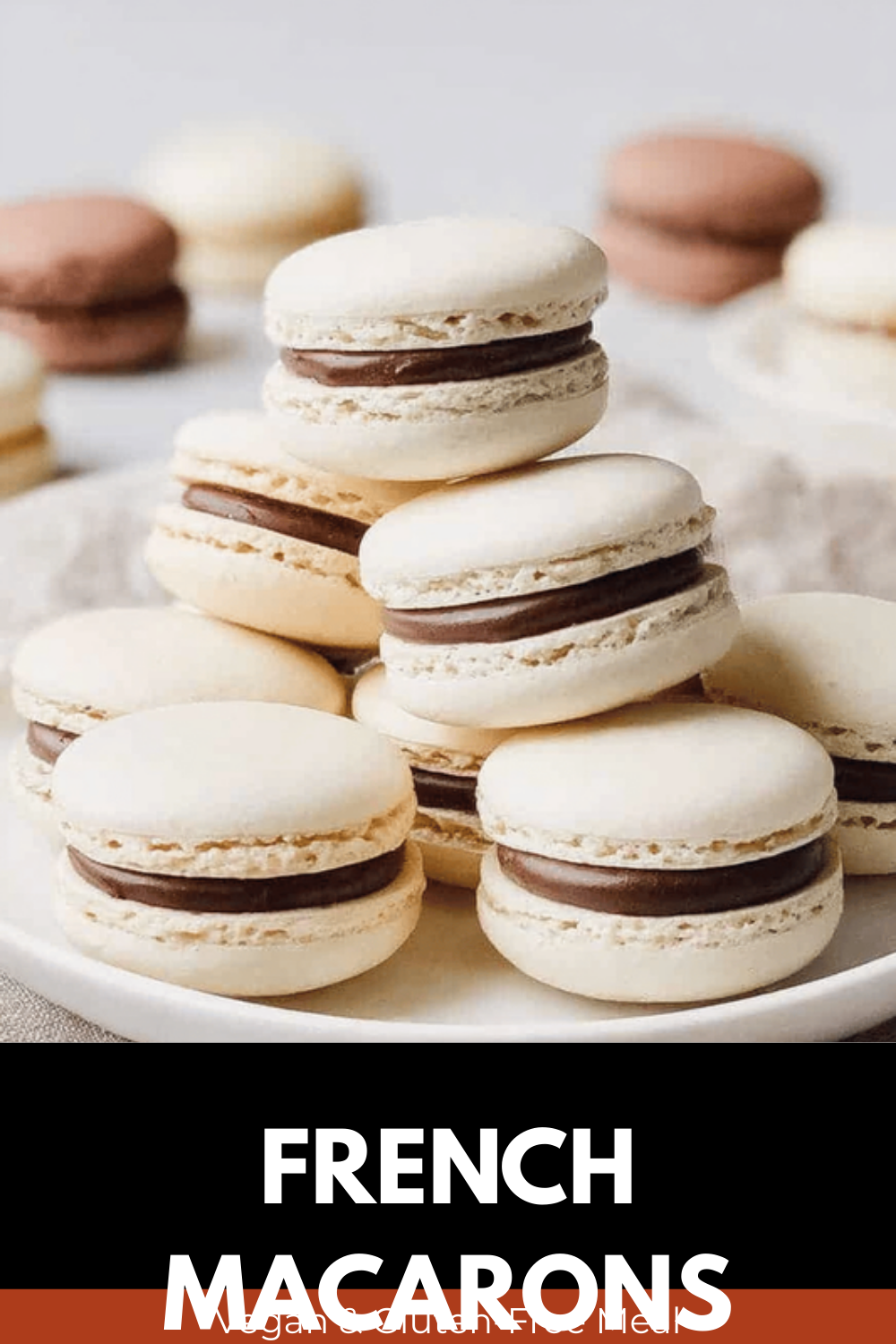
What really sets French Macarons apart is their taste. The mix of almond essence and creamy filling creates a special delight that feels fancy but is simple to make at home. As a baking enthusiast, I love how they bring people together over a sweet treat.
Key Highlights of the Recipe
- Crafted with nutrient-rich almond flour for a gluten-free option.
- Adaptable to add vegan substitutes while maintaining great taste.
- Offers a unique flavor profile that stands out from regular cookies.
In my own kitchen, I’ve made these for family events, and they always impress. It’s rewarding to see beginners succeed with something as elegant as French Macarons.
Jump to:
- Why You’ll Love This French Macarons
- Key Highlights of the Recipe
- Essential Ingredients for French Macarons
- Full Ingredient List
- Special Dietary Options
- How to Prepare the Perfect French Macarons: Step-by-Step Guide
- Mixing and Piping the Batter
- Baking and Finishing
- Dietary Substitutions to Customize Your French Macarons
- Protein and Main Component Alternatives
- Vegetable, Sauce, and Seasoning Modifications
- Mastering French Macarons: Advanced Tips and Variations
- How to Store French Macarons: Best Practices
- FAQs: Frequently Asked Questions About French Macarons
- Why do my French macarons come out hollow inside?
- How can I get the perfect feet on my French macarons?
- What causes cracks on the top of macarons, and how do I fix them?
- Why is my macaron batter too runny and how does this affect baking?
- How can I improve the shape consistency of my piped macarons?
- French Macarons
- Ingredients
- Instructions
- Last Step:
- Notes
- Nutrition
- Did you make this recipe?
Essential Ingredients for French Macarons
Gathering the right ingredients is key to making perfect French Macarons. This recipe focuses on precise measurements to ensure your treats turn out just right. Below is a complete list of everything you’ll need, pulled straight from proven steps for the best results.
Full Ingredient List
- 100g egg whites (from 3 to 4 large eggs)
- 1/4 teaspoon cream of tartar
- 1/2 teaspoon extract such as vanilla, almond, or coconut (optional)
- 80g superfine (caster) sugar
- 1 to 2 drops gel food coloring (optional)
- 125g almond flour
- 125g confectioners’ sugar
- A filling of your choice like buttercream, chocolate ganache, or fruit jam
This list covers all items needed for about 40 shells or 20 filled macarons. Using a food scale helps get these measurements exact, which is important for success. Preparation time is around 1 hour plus 24 hours for aging the egg whites, with just 13 minutes of baking.
Special Dietary Options
You can make French Macarons fit different diets with ease. For instance, swap egg whites with aquafaba for a vegan version. If you’re watching calories, try a natural low-calorie sweetener instead of sugar.
| Ingredient | Standard Use | Dietary Swap |
|---|---|---|
| Egg whites | Provides structure for airy shells | Aquafaba for vegan option |
| Superfine sugar | Stabilizes the meringue | Powdered erythritol for low-calorie |
For more ideas on simple swaps, check out our page on easy no-bake treats that use similar techniques.
How to Prepare the Perfect French Macarons: Step-by-Step Guide
Making French Macarons at home is easier than you think with this clear guide. Start by preparing your ingredients and tools to set yourself up for success. Remember, taking your time with each step helps avoid common mistakes and leads to those perfect, chewy centers.
First, wipe a glass or metal bowl with lemon juice or vinegar to remove any grease. This keeps your egg whites from breaking down. Add the egg whites, cover them, and refrigerate for 24 hours before bringing them back to room temperature.
Next, line your baking sheets with silicone mats or parchment paper. Beat the egg whites with cream of tartar and optional extract until soft peaks form, then add the superfine sugar gradually in three parts until you get stiff, glossy peaks. Fold in food coloring if you want a fun color.
Mixing and Piping the Batter
Now, sift together the almond flour and confectioners’ sugar to mix them well. Gently fold the dry ingredients into the egg whites in three additions. Aim for a honey-like consistency that passes the figure-8 test, where the batter flows slowly and the shape fades after about 10 seconds.
Pipe the batter into rounds about 1.5 to 2 inches in diameter on your prepared sheets. Tap the sheets to release air bubbles and let the shells dry for 30 to 60 minutes until a skin forms. This rest is crucial for that signature foot on your French Macarons.
Baking and Finishing
Preheat your oven to 325°F (163°C) and bake the shells for 13 minutes until they are set. Let them cool on the sheets for 15 minutes before moving to a rack. Once cool, sandwich the shells with your chosen filling and refrigerate if needed for the flavors to meld.
This process yields great results with practice. For more baking inspiration, visit Sally’s Baking Addiction French Macarons Recipe for additional tips from experienced bakers.

Dietary Substitutions to Customize Your French Macarons
French Macarons can be adjusted to fit various dietary needs, making them accessible for everyone. Whether you’re vegan or cutting calories, small changes keep the magic intact. Let’s look at some simple swaps to make this recipe your own.
Protein and Main Component Alternatives
- Replace egg whites with aquafaba for a plant-based meringue that works just as well.
- Use powdered erythritol or stevia as sugar substitutes to keep things low-calorie without losing sweetness.
Vegetable, Sauce, and Seasoning Modifications
You can add natural flavor extracts like vanilla or lemon to mix things up. For dairy-free options, swap butter-based fillings with coconut cream. Try natural colorings from beetroot or turmeric to avoid chemicals and keep it healthy.
As someone who bakes for a crowd, I appreciate how these tweaks let me serve French Macarons to friends with different preferences. It’s all about enjoying the process and sharing the joy.
Mastering French Macarons: Advanced Tips and Variations
Once you’re comfortable with the basics, you can take your French Macarons to the next level. Focus on pro techniques like using an electric mixer for even meringue and perfecting the macaronage to get that smooth batter. These small details make a big difference in the final product.
Explore flavor variations by adding items like matcha powder or espresso to the batter. This creates unique tastes that surprise and delight. For presentation, pipe uniform shells and use colorful fillings, then top with edible glitter for a fancy touch.
- Use fresh egg whites aged for 24 hours for the best structure.
- Ensure all bowls and tools are grease-free to avoid flat results.
- Fold the batter carefully to prevent over- or under-mixing.
- Bake in dry conditions and pop air bubbles before oven time.
Make-ahead options are handy for busy days. Prepare shells in advance, store them, and fill them later to keep things fresh. For more quick baking ideas, check out our easy mini muffin recipes that pair well with macarons.
I always tell my readers that the key to great baking is patience and practice just like with these French Macarons, the more you try, the better they get!
How to Store French Macarons: Best Practices
Proper storage keeps your French Macarons tasting fresh and maintains their texture. Once assembled, put them in an airtight container and refrigerate for up to 5 days. This simple step helps preserve that crisp outside and soft inside.
For longer storage, freeze the shells separately on parchment before bagging them. Thaw them when you’re ready to fill and serve. Avoid microwaving to keep the delicate structure intact, and let them reach room temperature naturally.
- Refrigerate assembled macarons to lock in flavor.
- Freeze components for easy meal prep.
- Always use airtight containers to avoid moisture.
Meal prep in batches makes it convenient for working professionals or busy parents. This way, you can enjoy homemade treats without the rush. With these tips, your French Macarons will stay delicious for days.
FAQs: Frequently Asked Questions About French Macarons
Why do my French macarons come out hollow inside?
How can I get the perfect feet on my French macarons?
What causes cracks on the top of macarons, and how do I fix them?
Why is my macaron batter too runny and how does this affect baking?
How can I improve the shape consistency of my piped macarons?
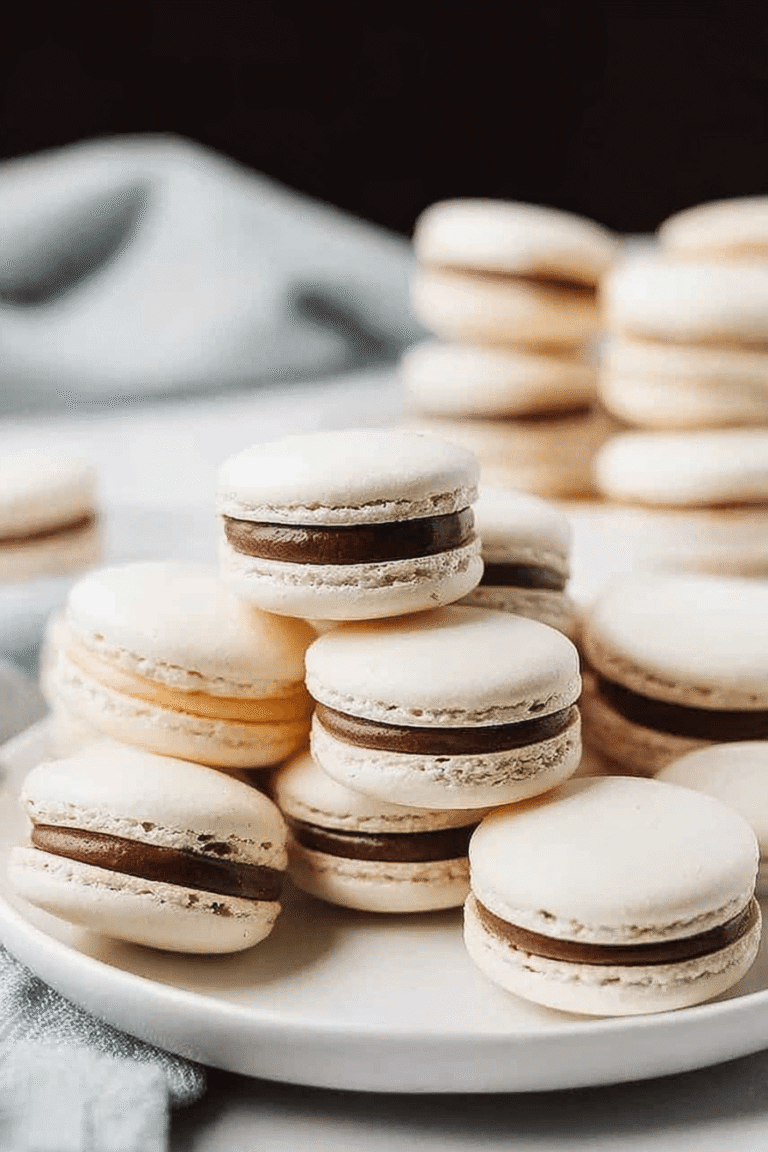
French Macarons
🍪 French Macarons are a delicate treat that beginners can master with this easy step-by-step guide.
🎨 Customize colors and flavors easily to impress with these elegant and delicious cookies.
- Total Time: 25 hours 13 minutes
- Yield: About 40 shells or 20 filled macarons 1x
Ingredients
100g egg whites (from 3 to 4 large eggs)
1/4 teaspoon cream of tartar
1/2 teaspoon extract such as vanilla, almond, or coconut (optional)
80g superfine (caster) sugar
1 to 2 drops gel food coloring (optional)
125g almond flour
125g confectioners’ sugar
A filling of your choice like buttercream, chocolate ganache, or fruit jam
Egg whites Provides structure for airy shells
Superfine sugar Stabilizes the meringue
Instructions
1-First, wipe a glass or metal bowl with lemon juice or vinegar to remove any grease. This keeps your egg whites from breaking down. Add the egg whites, cover them, and refrigerate for 24 hours before bringing them back to room temperature.
2-Next, line your baking sheets with silicone mats or parchment paper. Beat the egg whites with cream of tartar and optional extract until soft peaks form, then add the superfine sugar gradually in three parts until you get stiff, glossy peaks. Fold in food coloring if you want a fun color.
3-Mixing and Piping the Batter: Now, sift together the almond flour and confectioners’ sugar to mix them well. Gently fold the dry ingredients into the egg whites in three additions. Aim for a honey-like consistency that passes the figure-8 test, where the batter flows slowly and the shape fades after about 10 seconds.
Pipe the batter into rounds about 1.5 to 2 inches in diameter on your prepared sheets. Tap the sheets to release air bubbles and let the shells dry for 30 to 60 minutes until a skin forms. This rest is crucial for that signature foot on your French Macarons.
4-Baking and Finishing: Preheat your oven to 325°F (163°C) and bake the shells for 13 minutes until they are set. Let them cool on the sheets for 15 minutes before moving to a rack. Once cool, sandwich the shells with your chosen filling and refrigerate if needed for the flavors to meld.
Last Step:
Please leave a rating and comment letting us know how you liked this recipe! This helps our business to thrive and continue providing free, high-quality recipes for you.Notes
🧮 Use a food scale for precise ingredient measurements.
🧼 Ensure all bowls and utensils are completely grease-free for stable meringue.
🍂 Bake in dry conditions and allow shells to dry until skins form for best texture.
- Prep Time: 1 hour (plus 24 hours aging time)
- Egg White Aging Time: 24 hours
- Cook Time: 13 minutes
- Category: Dessert
- Method: Whisking and Folding
- Cuisine: French
- Diet: Vegetarian
Nutrition
- Serving Size: 2 macarons
- Calories: 70 kcal
- Sugar: 7 g
- Sodium: 0 mg
- Fat: 4 g
- Saturated Fat: 0.3 g
- Unsaturated Fat: 3.5 g
- Trans Fat: 0 g
- Carbohydrates: 7 g
- Fiber: 1 g
- Protein: 2 g
- Cholesterol: 0 mg