Why You’ll Love This Hainanese Chicken Rice
If you’ve been craving restaurant-style comfort at home, this Hainanese Chicken Rice recipe makes it achievable, even on busy days. The steps focus on one goal: tender chicken paired with fragrant, chicken-fat rice and three classic sauces.
- Ease of preparation: Poaching is hands-off once the pot is simmering, and the rice cooks alongside simple stovetop or rice cooker steps.
- Health benefits: Protein-forward, naturally portionable, and focused on whole ingredients. You also get more control over sodium by measuring salt carefully.
- Versatility: It adapts well if you want to use different rice types, tweak spice levels, or adjust sauces for dietary preferences.
- Distinctive flavor: The rice gets its signature aroma from chicken fat and garlic, while the chicken skin becomes silky thanks to the ice bath.
Small technique details make a big difference. In this recipe, gentle poaching and an ice bath are the “secret sauce” for perfect texture.
Jump to:
- Why You’ll Love This Hainanese Chicken Rice
- Essential Ingredients for Hainanese Chicken Rice
- Ingredients (Structured List with Precise Measurements)
- Special Dietary Options
- Gluten-free
- Lower-sodium approach
- Note on vegetarian or vegan versions
- How to Prepare the Perfect Hainanese Chicken Rice: Step-by-Step Guide
- Step-by-Step Instructions
- First Step: Prep the chicken
- Second Step: Start the poaching liquid
- Third Step: Poach carefully
- Fourth Step: Simmer gently, then check doneness
- Fifth Step: Ice bath for silky skin
- Sixth Step: Render chicken fat and start the rice
- Seventh Step: Cook the rice
- Eighth Step: Make the ginger-garlic sauce
- Ninth Step: Make the sweet dark soy sauce
- Tenth Step: Make the chili sauce
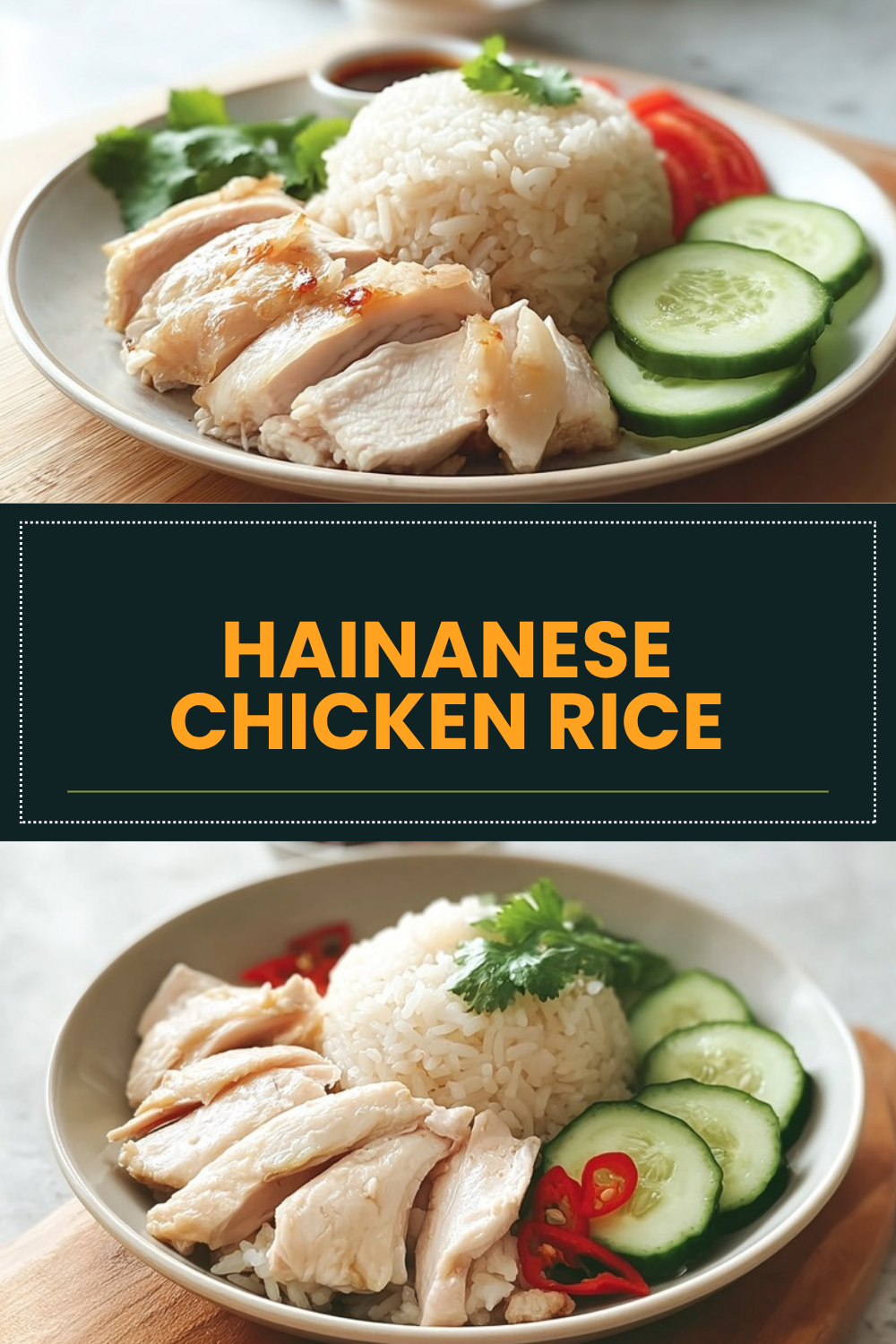
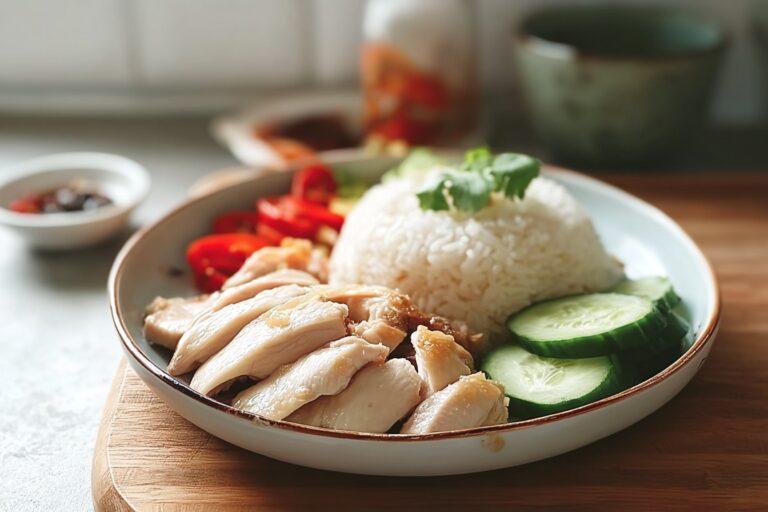
- Final Step: Carve, serve, and finish
- Quick Flavor Table: What Each Component Does
- Dietary Substitutions to Customize Your Hainanese Chicken Rice
- Protein and Main Component Alternatives
- Vegetable, Sauce, and Seasoning Modifications
- Mastering Hainanese Chicken Rice: Advanced Tips and Variations
- Pro cooking techniques
- Flavor variations
- Presentation tips
- Make-ahead options
- How to Store Hainanese Chicken Rice: Best Practices
- Refrigeration
- Freezing
- Reheating
- Meal prep considerations
- FAQs: Frequently Asked Questions About Hainanese Chicken Rice
- What is the best chicken to use for Hainanese chicken rice?
- How do you cook the chicken for Hainanese chicken rice?
- How do you make the rice for Hainanese chicken rice?
- How do you know when Hainanese chicken rice chicken is done cooking?
- What sauces go with Hainanese chicken rice and how do you make them?
- Hainanese Chicken Rice
- Ingredients
- Instructions
- Last Step:
- Notes
- Nutrition
- Did you make this recipe?
Essential Ingredients for Hainanese Chicken Rice
Below is the complete Hainanese Chicken Rice recipe summary with exact measurements, grouped by component. Use the measurements as written for best results.
- For the Chicken: A whole chicken gives the best texture and broth base.
- For the Rice: Chicken fat and stock are what make the rice taste like the real deal.
- For the Sauces: Ginger-garlic, sweet dark soy, and chili create the classic sweet, savory, and spicy balance.
Ingredients (Structured List with Precise Measurements)
- 1 small chicken (3-3½ pounds, preferably buddhist-style with head and feet on, or organic)
- 1 tablespoon salt
- 12-14 cups water
- 4-5 slices ginger
- 2 whole scallions
- ice
- 2 ounces chicken fat (taken from the cavity of the chicken)
- 1 teaspoon neutral oil (such as vegetable, canola, or avocado oil)
- 4 cloves garlic (minced)
- 3 cups uncooked white rice (preferably jasmine rice, washed and drained)
- chicken stock from cooking the chicken
- 2 teaspoons salt
- 4-inch piece ginger (roughly chopped)
- 2 cloves garlic
- 3 tablespoons neutral oil
- 1 pinch salt
- 1/4 cup water
- 1.25 ounces rock sugar (or substitute 2.5 tablespoons granulated sugar)
- 1/4 cup dark soy sauce
- 3 fresh red chilies (medium spice level)
- 1.5-inch piece ginger
- 1/4 teaspoon salt
- 1/2 teaspoon sugar
- 1/4 teaspoon sugar
- 1 tablespoon fresh lime juice
- 1/2 teaspoon rice vinegar or white vinegar
- 2 tablespoons broth from boiling the chicken
Special Dietary Options
Gluten-free
Use gluten-free dark soy sauce for the sweet dark soy sauce. Check chili sauce ingredients too if your soy-based condiments contain wheat.
Lower-sodium approach
Still follow the recipe’s technique, but reduce added salt slightly and taste the sauces. Since broth and soy can be salty, adjust at the end.
Note on vegetarian or vegan versions
This dish is tightly linked to chicken fat and poaching broth, so a true vegetarian swap needs a different broth and fat strategy. If you want that style, consider pairing the rice technique with a hearty vegetable broth and a chicken-fat substitute, then build sauces around ginger, soy alternatives, and chili.
For other chicken recipes that also focus on strong flavor layers, you may enjoy this baked chicken breast recipe.
How to Prepare the Perfect Hainanese Chicken Rice: Step-by-Step Guide
This guide breaks down the process into clear phases: poach the chicken, cool it properly, turn the broth into rice flavor, then make the three sauces. Total time is about 2 hours 35 minutes (with around 30 minutes prep and about 2 hours 30 minutes cook).
Step-by-Step Instructions
First Step: Prep the chicken
Wash the chicken and reserve the chicken fat from the cavity. Pat the chicken dry, then rub the skin with 1 tablespoon salt for a better skin sheen. If your chicken has extra excess moisture, give it a second pat-down so the salt adheres well.
Second Step: Start the poaching liquid
In a large stockpot, bring 12-14 cups water to a boil with 4-5 slices ginger and 2 whole scallions. Keep the heat steady so the water returns to a boil quickly when you add the chicken.
Third Step: Poach carefully
Lower the chicken breast-side up. Adjust the water level so the breast slightly pokes out, then wait for the boil to resume. When it resumes, lift the chicken to release cold water from the cavity, then lower it back in.
Fourth Step: Simmer gently, then check doneness
Boil again, then reduce to a bare simmer, cover the pot, and cook for 30-35 minutes. If you prefer sizing guidance, plan for 10-11 minutes per pound. Cook until thigh juices run clear.
Fifth Step: Ice bath for silky skin
Prepare an ice bath while the chicken poaches. Remove the chicken, drain the cavity, then submerge the chicken in ice for 15 minutes to halt cooking and enhance texture. After that, drain and cover until serving.
The ice bath is what keeps chicken skin smooth and prevents overcooking, which is a common Hainanese chicken rice mistake.
Sixth Step: Render chicken fat and start the rice
While the chicken cools, heat a skillet over medium heat. Add 2 ounces chicken fat and 1 teaspoon neutral oil, then render until about 1 tablespoon fat remains.
Add 4 minced garlic cloves and fry briefly until fragrant. Then stir in 3 cups uncooked rice for 2 minutes so the rice toasts lightly and absorbs the fat.
Seventh Step: Cook the rice
Transfer the rice to a rice cooker with chicken stock. Fill to the 4-cup line and stir in 2 teaspoons salt, then cook.
Stovetop alternative: Soak the rice in stock and salt for 20 minutes, then simmer covered for 15 minutes until tender.
Eighth Step: Make the ginger-garlic sauce
Finely mince the 4-inch piece ginger and 2 garlic cloves. Gently fry in 3 tablespoons neutral oil until aromatic and lightly caramelized, then season with 1 pinch salt.
Ninth Step: Make the sweet dark soy sauce
Heat 1/4 cup water with 1.25 ounces rock sugar until dissolved and syrupy. Stir in 1/4 cup dark soy sauce, then set aside to cool slightly so it thickens.
Tenth Step: Make the chili sauce
Finely grind 3 red chilies, 1.5-inch piece ginger, and 2 cloves garlic. Mix with 1/4 teaspoon salt, 1/2 teaspoon sugar, 1/4 teaspoon sugar, 1 tablespoon fresh lime juice, and 1/2 teaspoon rice vinegar or white vinegar.
Finally, stir in 2 tablespoons broth from boiling the chicken and adjust consistency to your liking.
Final Step: Carve, serve, and finish
Carve the chicken and serve it with the rice and all three sauces. If you want, season and serve the chicken broth on the side.
Quick Flavor Table: What Each Component Does
| Component | Key Flavor Source | What It Adds |
|---|---|---|
| Chicken | Poaching with ginger and scallions | Moist, tender texture |
| Rice | Chicken fat plus garlic | Aromas and savory depth |
| Ginger-garlic | Gently fried ginger and garlic | Punchy warmth |
| Sweet dark soy | Rock sugar and dark soy | Glossy sweetness and umami |
| Chili sauce | Chilies plus lime juice and vinegar | Spicy brightness |

Dietary Substitutions to Customize Your Hainanese Chicken Rice
You can keep the core method the same while making smart swaps based on what you have at home. The main thing to protect is the pairing of tender chicken with flavorful rice and balanced sauces.
Protein and Main Component Alternatives
If you cannot use chicken, consider whether you want a similar technique or a completely new style. For the closest feel, try chicken-like options such as skin-on turkey or cornish game hens, keeping poaching times proportional to size.
For rice, if you need to avoid animal products, you’ll need a plan for fat and broth flavor. Chicken fat and chicken stock are essential to the signature taste, so true substitution changes the dish more than it might seem.
Vegetable, Sauce, and Seasoning Modifications
- Reduce chili heat: Keep the chili sauce’s lime and vinegar, but use fewer chilies or remove some seeds.
- Swap rice type: Jasmine rice is preferred for fragrance, but you can use other white rice varieties if you adjust cook time and liquid.
- Adjust sweetness: For the sweet dark soy sauce, reduce rock sugar slightly if you prefer less sweetness.
- Ginger-garlic texture: If you want a smoother sauce, blend the fried ginger and garlic before serving.
You can also pair this meal with other weeknight-friendly recipes from the blog, like teriyaki salmon, when you want a different protein and sauce profile.
Mastering Hainanese Chicken Rice: Advanced Tips and Variations
Once you nail poaching and the ice bath, the rest gets easier. These advanced tips focus on texture, flavor depth, and making the dish fit your schedule.
Pro cooking techniques
- Poach at gentle simmer: Tender chicken comes from small bubbles only, not a hard boil.
- Use the ice bath: It improves skin texture and stops overcooking.
- Intensify rice flavor: If your broth is too mild, reduce the poaching liquid uncovered and then use that richer liquid for the rice.
- Thin thick sauces: If your ginger sauce feels too thick, loosen it with hot chicken water.
Flavor variations
- Garlic depth: Fry garlic just until aromatic. Over-browning can turn bitter.
- Chili consistency: Grind with a mortar and pestle for a chunkier bite, or use a food processor for smoother sauce.
- Portion awareness: Because the rice is very flavorful, you may want slightly less per person than usual.
Presentation tips
- Slice chicken neatly and fan it slightly on the plate.
- Serve sauces in small bowls so diners mix to taste.
- Add extra ginger-garlic sauce for those who love bold flavor.
Make-ahead options
- Cook ahead: Poach the chicken and make sauces earlier in the day, then assemble when ready to eat.
- Store and reheat rice carefully: Warm rice gently with a splash of broth to bring back aroma.
If you’ve ever tasted bland chicken rice at home, it was probably missing the combination of chicken fat, broth, and careful poaching. This recipe keeps those non-negotiables front and center.
For a helpful food science perspective on this style of dish, you can read Serious Eats Hainanese chicken rice set recipe.
How to Store Hainanese Chicken Rice: Best Practices
Storing well keeps your chicken juicy and your rice fragrant. Cool everything quickly, cover tightly, and reheat gently.
Refrigeration
- Store chicken and rice in separate airtight containers.
- Refrigerate within 2 hours of cooking.
- Use within 3-4 days for best texture.
Freezing
- Freeze chicken slices for up to 2-3 months.
- Freeze rice separately. Rice can dry out, so add a splash of broth before reheating.
- Cool completely before freezing to prevent ice crystals.
Reheating
- Chicken: Reheat gently in a covered pan with a little broth, or warm slices in the microwave with a damp paper towel.
- Rice: Warm with a splash of chicken stock to restore moisture and aroma.
- Sauces: Reheat only if needed, otherwise serve cold or room temperature.
Meal prep considerations
Portion rice and chicken into meal-size containers. Keep sauces separate so the rice stays light and doesn’t get over-sauced.
FAQs: Frequently Asked Questions About Hainanese Chicken Rice
What is the best chicken to use for Hainanese chicken rice?
How do you cook the chicken for Hainanese chicken rice?
How do you make the rice for Hainanese chicken rice?
How do you know when Hainanese chicken rice chicken is done cooking?
What sauces go with Hainanese chicken rice and how do you make them?
Hainanese Chicken Rice
🐔 Savor silky poached chicken paired with aromatic jasmine rice infused with chicken fat for restaurant-quality Hainanese flavors made simple at home.
🍚 Healthy, complete meal with three zesty sauces – tender, juicy results every time, ideal for family dinners or impressing with easy steps!
- Total Time: 2 hours 35 minutes
- Yield: 6 servings
Ingredients
– 1 small chicken (3-3½ pounds, preferably buddhist-style with head and feet on, or organic)
– 1 tablespoon salt
– 12-14 cups water
– 4-5 slices ginger
– 2 whole scallions
– ice
– 2 ounces chicken fat (taken from the cavity of the chicken)
– 1 teaspoon neutral oil (such as vegetable, canola, or avocado oil)
– 4 cloves garlic (minced)
– 3 cups uncooked white rice (preferably jasmine rice, washed and drained)
– chicken stock from cooking the chicken
– 2 teaspoons salt
– 4-inch piece ginger (roughly chopped)
– 2 cloves garlic
– 3 tablespoons neutral oil
– 1 pinch salt
– 1/4 cup water
– 1.25 ounces rock sugar (or substitute 2.5 tablespoons granulated sugar)
– 1/4 cup dark soy sauce
– 3 fresh red chilies (medium spice level)
– 1.5-inch piece ginger
– 1/4 teaspoon salt
– 1/2 teaspoon sugar
– 1/4 teaspoon sugar
– 1 tablespoon fresh lime juice
– 1/2 teaspoon rice vinegar or white vinegar
– 2 tablespoons broth from boiling the chicken
Instructions
1-First Step: Prep the chicken Wash the chicken and reserve the chicken fat from the cavity. Pat the chicken dry, then rub the skin with 1 tablespoon salt for a better skin sheen. If your chicken has extra excess moisture, give it a second pat-down so the salt adheres well.
2-Second Step: Start the poaching liquid In a large stockpot, bring 12-14 cups water to a boil with 4-5 slices ginger and 2 whole scallions. Keep the heat steady so the water returns to a boil quickly when you add the chicken.
3-Third Step: Poach carefully Lower the chicken breast-side up. Adjust the water level so the breast slightly pokes out, then wait for the boil to resume. When it resumes, lift the chicken to release cold water from the cavity, then lower it back in.
4-Fourth Step: Simmer gently, then check doneness Boil again, then reduce to a bare simmer, cover the pot, and cook for 30-35 minutes. If you prefer sizing guidance, plan for 10-11 minutes per pound. Cook until thigh juices run clear.
5-Fifth Step: Ice bath for silky skin Prepare an ice bath while the chicken poaches. Remove the chicken, drain the cavity, then submerge the chicken in ice for 15 minutes to halt cooking and enhance texture. After that, drain and cover until serving.
6-Sixth Step: Render chicken fat and start the rice While the chicken cools, heat a skillet over medium heat. Add 2 ounces chicken fat and 1 teaspoon neutral oil, then render until about 1 tablespoon fat remains. Add 4 minced garlic cloves and fry briefly until fragrant. Then stir in 3 cups uncooked rice for 2 minutes so the rice toasts lightly and absorbs the fat.
7-Seventh Step: Cook the rice Transfer the rice to a rice cooker with chicken stock. Fill to the 4-cup line and stir in 2 teaspoons salt, then cook. Stovetop alternative: Soak the rice in stock and salt for 20 minutes, then simmer covered for 15 minutes until tender.
8-Eighth Step: Make the ginger-garlic sauce Finely mince the 4-inch piece ginger and 2 garlic cloves. Gently fry in 3 tablespoons neutral oil until aromatic and lightly caramelized, then season with 1 pinch salt.
9-Ninth Step: Make the sweet dark soy sauce Heat 1/4 cup water with 1.25 ounces rock sugar until dissolved and syrupy. Stir in 1/4 cup dark soy sauce, then set aside to cool slightly so it thickens.
10-Tenth Step: Make the chili sauce Finely grind 3 red chilies, 1.5-inch piece ginger, and 2 cloves garlic. Mix with 1/4 teaspoon salt, 1/2 teaspoon sugar, 1/4 teaspoon sugar, 1 tablespoon fresh lime juice, and 1/2 teaspoon rice vinegar or white vinegar. Finally, stir in 2 tablespoons broth from boiling the chicken and adjust consistency to your liking.
11-Final Step: Carve, serve, and finish Carve the chicken and serve it with the rice and all three sauces. If you want, season and serve the chicken broth on the side.
Last Step:
Please leave a rating and comment letting us know how you liked this recipe! This helps our business to thrive and continue providing free, high-quality recipes for you.Notes
🐔 Use high-quality chicken like organic or buddhist-style for superior tender texture and flavor.
🧊 Ice bath after poaching stops cooking and gives silky skin – don’t skip it!
🍚 Chicken fat is key to flavorful rice; render it properly for authentic taste.
- Prep Time: 30 minutes
- Ice Bath Time: 15 minutes
- Cook Time: 2 hours 30 minutes
- Category: Main Dishes
- Method: Poaching
- Cuisine: Singaporean
Nutrition
- Serving Size: 1/6 recipe
- Calories: 746 kcal
- Sugar: 8 g
- Sodium: 2779 mg
- Fat: 32 g
- Saturated Fat: 8 g
- Unsaturated Fat: 22 g
- Trans Fat: 0.1 g
- Carbohydrates: 86 g
- Fiber: 2 g
- Protein: 26 g
- Cholesterol: 81 mg