Why You’ll Love This Homemade Biscuits
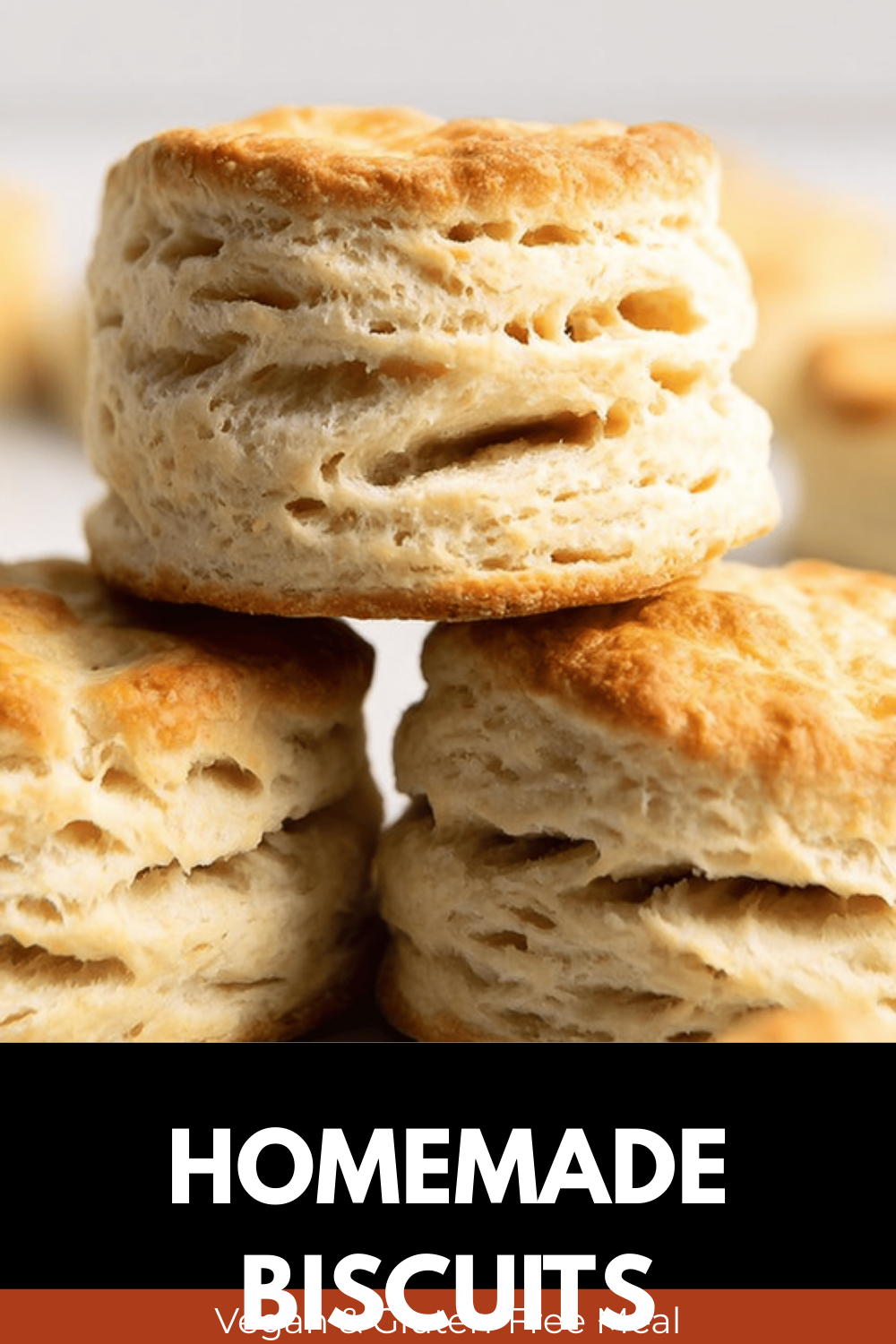
Imagine pulling warm, fluffy homemade biscuits straight from the oven, ready to brighten your morning or complement your favorite meal. This recipe is super simple, making it a go-to for anyone new to baking or short on time. You’ll appreciate how these biscuits deliver that perfect soft texture every single time, turning ordinary moments into something truly enjoyable.
What makes these homemade biscuits stand out is their ease of preparation, ideal for busy folks like parents juggling school runs or students whipping up a quick snack. They offer subtle health benefits too, with wholesome ingredients that provide steady energy without overwhelming your daily routine. Plus, they’re versatile enough to tweak for different tastes, ensuring everyone at the table feels included.
Here’s a quick breakdown of what sets these biscuits apart:
- Quick and simple steps: Perfect for beginners, with tools you likely already have at home.
- Nutritious twist: Use everyday ingredients for a boost of energy while keeping things light.
- Adaptable options: Easily adjust for dietary needs, like vegan or gluten-free versions.
- Irresistible taste: Each bite brings a delightful, fresh flavor that feels homemade and comforting.
To pair this with other easy recipes, check out our Classic Caesar Salad for a fresh side that complements your biscuits beautifully. Each homemade biscuits recipe yields treats with about 280 calories each, and the total preparation time is around 27 minutes, making it a breeze for any day.
Jump to:
- Why You’ll Love This Homemade Biscuits
- Essential Ingredients for Homemade Biscuits
- How to Prepare the Perfect Homemade Biscuits: Step-by-Step Guide
- Shaping and Baking the Biscuits
- Dietary Substitutions to Customize Your Homemade Biscuits
- Mastering Homemade Biscuits: Advanced Tips and Variations
- Flavor Ideas and Presentation
- How to Store Homemade Biscuits: Best Practices
- FAQs: Frequently Asked Questions About Homemade Biscuits
- How do I make homemade biscuits soft and flaky?
- Can I make homemade biscuits without buttermilk?
- What is the best way to store homemade biscuits?
- How do I prevent homemade biscuits from becoming dry?
- Can I make homemade biscuits ahead of time and bake later?
- Homemade Biscuits
- Ingredients
- Instructions
- Last Step:
- Notes
- Nutrition
- Did you make this recipe?
Essential Ingredients for Homemade Biscuits
Gathering the right ingredients is key to making perfect homemade biscuits that are fluffy and soft. Start with basic pantry staples that create that wonderful texture and flavor we all love. This section lists everything you need, based on a reliable recipe that ensures great results every time.
Below is a complete, structured list of the ingredients required. I’ve included precise measurements to make it straightforward for you to measure out and mix up your dough without any guesswork:
- 2 cups (250g) all-purpose flour
- 1 tablespoon baking powder
- 1 tablespoon granulated sugar
- 1 teaspoon salt
- 6 tablespoons (85g) unsalted butter (very cold)
- 3/4 cup (177ml) whole milk or buttermilk
For those with special dietary needs, you can adapt these ingredients easily. For a vegan option, swap the butter for a plant-based alternative and use almond milk mixed with lemon juice in place of buttermilk. If you’re going gluten-free, substitute the all-purpose flour with a gluten-free blend designed for baking. These changes keep the biscuits just as delicious while fitting your lifestyle.
How to Prepare the Perfect Homemade Biscuits: Step-by-Step Guide
Getting ready to bake homemade biscuits is exciting and straightforward let’s walk through it together. First, preheat your oven to 425°F (220°C) and line a baking sheet with parchment paper to prevent sticking and ensure even baking. This step sets the stage for those golden, fluffy results you’re aiming for.
Next, in a large bowl, mix together the 2 cups (250g) all-purpose flour, 1 tablespoon baking powder, 1 tablespoon granulated sugar, and 1 teaspoon salt until everything is well combined. This helps distribute the leavening agents evenly for a nice rise. Then, cut the very cold 6 tablespoons (85g) unsalted butter into the flour mixture using a pastry cutter or by grating it, working until it looks like coarse crumbs this is what creates those flaky layers.
After that, pour in the 3/4 cup (177ml) whole milk or buttermilk and stir gently just until the dough comes together, being careful not to overmix. Transfer the dough to a floured surface and gently fold it over itself 5-6 times, flattening and rotating it 90 degrees each time to build those irresistible layers without making the dough tough. Once done, flatten the dough to about 1-inch thickness with your hands for uniform biscuits.
Shaping and Baking the Biscuits
Now, use a lightly floured 2 3/4-inch round cutter to cut out your biscuits, placing them less than 1/2 inch apart on the prepared baking sheet this closeness helps them rise taller. If you have extra dough from scraps, rework it gently to cut more biscuits, but don’t overhandle it to keep them tender.
Bake the biscuits for 12 minutes or until their tops are lightly golden, filling your kitchen with that wonderful aroma. For an extra touch, brush the warm biscuits with melted salted butter right after they come out of the oven. Remember, tips like using very cold butter and milk, avoiding overmixing, and even freezing uncooked biscuits for later (with a bit more baking time) can make all the difference in achieving that perfect texture.

Dietary Substitutions to Customize Your Homemade Biscuits
One of the best parts about this homemade biscuits recipe is how flexible it can be for different diets. Whether you’re looking to go plant-based or cut down on gluten, small swaps keep the biscuits just as tasty. Let’s look at some easy ways to adjust the ingredients while maintaining that fluffy goodness.
For protein and main component alternatives, you might replace traditional butter with coconut oil or vegan margarine to make it dairy-free. Another option is to swap buttermilk with almond milk mixed with a bit of vinegar for that tangy lift. On the vegetable, sauce, and seasoning side, try adding herbs like rosemary or thyme for a fresh twist, or mix in garlic powder for extra flavor without changing the base.
These modifications let you get creative. For instance, if you’re watching calories, a light butter substitute can help, as each biscuit is around 280 calories. Here’s a simple table to guide your choices:
| Original Ingredient | Substitution | Why It Works |
|---|---|---|
| Unsalted butter | Coconut oil | Keeps flakiness while making it vegan-friendly |
| Buttermilk | Almond milk with vinegar | Provides acidity for rising without dairy |
| All-purpose flour | Gluten-free flour blend | Maintains structure for those avoiding gluten |
Mastering Homemade Biscuits: Advanced Tips and Variations
Once you’re comfortable with the basics, taking your homemade biscuits to the next level is fun and rewarding. Start by chilling your baking sheet before adding the dough rounds; this little trick boosts the rise and flakiness for even better results. Experimenting with flavors, like mixing in cheddar cheese or chives, can turn your biscuits into a savory delight.
Flavor Ideas and Presentation
For a sweet variation, add a touch of honey to the dough before baking. When it comes to presentation, brushing the tops with melted butter and garnishing with fresh herbs makes them look as good as they taste. If you’re prepping ahead, shape the dough into rounds, freeze them, and bake straight from the freezer just add a few extra minutes to the baking time.
These expert tips, such as using very cold ingredients and avoiding overmixing, help keep the integrity of your homemade biscuits while allowing for delicious tweaks. To explore more recipe ideas that pair well, visit our Cheddar Bacon Ranch Potato Salad for a hearty side dish.
How to Store Homemade Biscuits: Best Practices
Keeping your homemade biscuits fresh is easy with the right storage methods. At room temperature, store them in an airtight container for up to 3 days to maintain that soft texture. If you refrigerate, they might dry out a bit, so use that option only if needed for longer storage.
For freezing, wrap the biscuits individually in plastic wrap and pop them into a freezer bag; they’ll stay good for up to 3 months. When you’re ready to enjoy them, thaw overnight and reheat in the oven at 350°F (175°C) for 5-10 minutes, or use the microwave with a damp paper towel to keep them moist. Meal prep like this means you can have fresh-tasting biscuits even on your busiest days, and remember, the total prep time is just about 27 minutes initially.
FAQs: Frequently Asked Questions About Homemade Biscuits
How do I make homemade biscuits soft and flaky?
Can I make homemade biscuits without buttermilk?
What is the best way to store homemade biscuits?
How do I prevent homemade biscuits from becoming dry?
Can I make homemade biscuits ahead of time and bake later?
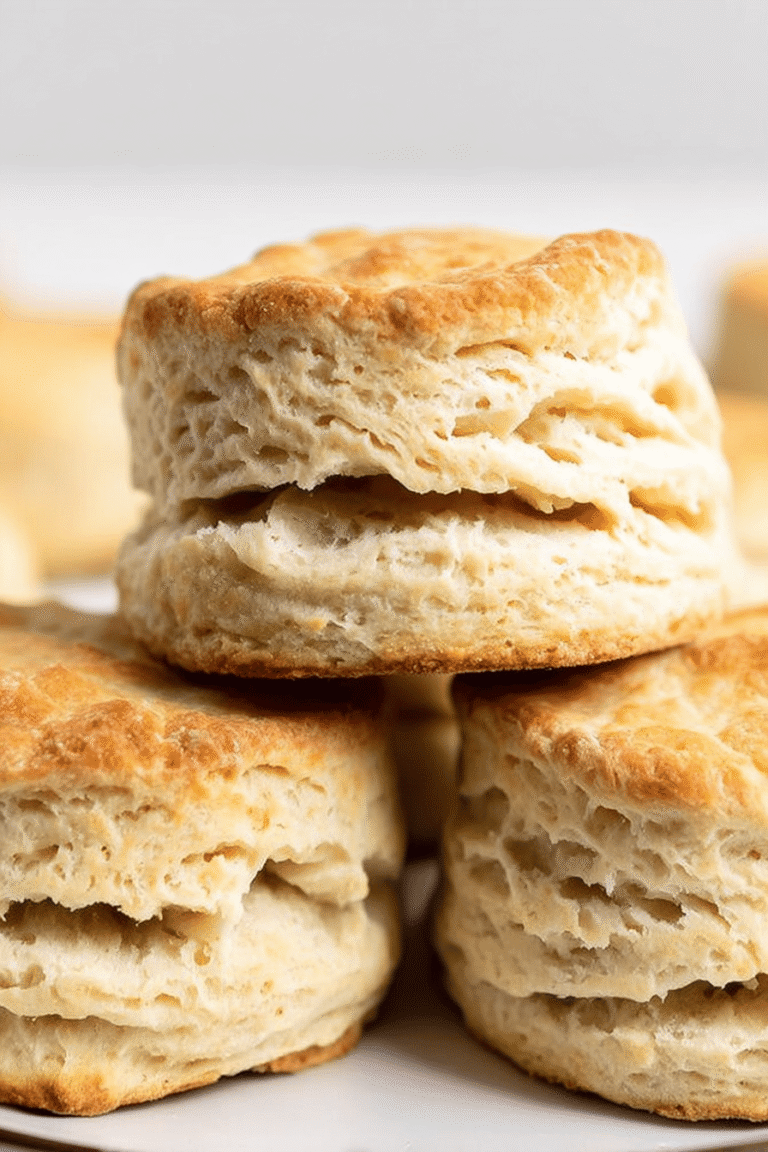
Homemade Biscuits
🍪 Homemade Biscuits are easy to make and deliver a fluffy, soft texture every time you bake.
🧈 Perfect for breakfast or dinner, these biscuits offer comforting flaky layers made with simple ingredients.
- Total Time: 27 minutes
- Yield: 8 to 10 biscuits 1x
Ingredients
2 cups (250g) all-purpose flour
1 tablespoon baking powder
1 tablespoon granulated sugar
1 teaspoon salt
6 tablespoons (85g) unsalted butter (very cold)
3/4 cup (177ml) whole milk or buttermilk
Instructions
1-How to Prepare the Perfect Homemade Biscuits: Step-by-Step Guide: Getting ready to bake homemade biscuits is exciting and straightforward let’s walk through it together. First, preheat your oven to 425°F (220°C) and line a baking sheet with parchment paper to prevent sticking and ensure even baking. This step sets the stage for those golden, fluffy results you’re aiming for.
2- Next, in a large bowl, mix together the 2 cups (250g) all-purpose flour, 1 tablespoon baking powder, 1 tablespoon granulated sugar, and 1 teaspoon salt until everything is well combined. This helps distribute the leavening agents evenly for a nice rise. Then, cut the very cold 6 tablespoons (85g) unsalted butter into the flour mixture using a pastry cutter or by grating it, working until it looks like coarse crumbs this is what creates those flaky layers.
3- After that, pour in the 3/4 cup (177ml) whole milk or buttermilk and stir gently just until the dough comes together, being careful not to overmix. Transfer the dough to a floured surface and gently fold it over itself 5-6 times, flattening and rotating it 90 degrees each time to build those irresistible layers without making the dough tough. Once done, flatten the dough to about 1-inch thickness with your hands for uniform biscuits.
4-Shaping and Baking the Biscuits: Now, use a lightly floured 2 3/4-inch round cutter to cut out your biscuits, placing them less than 1/2 inch apart on the prepared baking sheet this closeness helps them rise taller. If you have extra dough from scraps, rework it gently to cut more biscuits, but don’t overhandle it to keep them tender.
5- Bake the biscuits for 12 minutes or until their tops are lightly golden, filling your kitchen with that wonderful aroma. For an extra touch, brush the warm biscuits with melted salted butter right after they come out of the oven. Remember, tips like using very cold butter and milk, avoiding overmixing, and even freezing uncooked biscuits for later (with a bit more baking time) can make all the difference in achieving that perfect texture.
Last Step:
Please leave a rating and comment letting us know how you liked this recipe! This helps our business to thrive and continue providing free, high-quality recipes for you.Notes
❄️ Use very cold butter and cold milk to help create flaky layers.
✋ Avoid overmixing the dough to keep biscuits soft and tender.
🥶 Freeze uncooked biscuits for later baking; increase baking time slightly when baking frozen biscuits.
- Prep Time: 15 minutes
- Cook Time: 12 minutes
- Category: Breakfast, Side
- Method: Baking
- Cuisine: American
- Diet: Vegetarian
Nutrition
- Serving Size: 1 biscuit
- Calories: 280 kcal
- Sugar: 4 g
- Sodium: 350 mg
- Fat: 14 g
- Saturated Fat: 9 g
- Trans Fat: 0 g
- Carbohydrates: 30 g
- Fiber: 1 g
- Protein: 4 g
- Cholesterol: 40 mg