
Why You’ll Love This Homemade English Muffins
Imagine waking up to the warm, toasty scent of freshly made bread that you whipped up in your own kitchen. Homemade English muffins bring that joy, offering a simple way to enjoy soft, fluffy bread without the store-bought additives. This recipe is perfect for anyone from busy parents to baking enthusiasts, making it a go-to choice for quick breakfasts or snacks.
One of the best parts about this homemade English muffins recipe is how easy it is to prepare. You’ll appreciate the straightforward steps that let you create fresh muffins in no time, ideal for beginners or those with packed schedules. Plus, these muffins pack in health benefits like fiber from the flour, helping you feel good about what you’re eating.
They also shine in versatility, adapting to various tastes and needs. Whether you’re a student tweaking it for a quick meal or a diet-conscious individual swapping ingredients, this recipe fits right in. That unique texture and flavor, with its crisp outside and tender inside, will have you coming back for more every time.
Jump to:
- Why You’ll Love This Homemade English Muffins
- Essential Ingredients for Homemade English Muffins
- How to Prepare the Perfect Homemade English Muffins: Step-by-Step Guide
- Adapting for Dietary Needs
- Dietary Substitutions to Customize Your Homemade English Muffins
- Mastering Homemade English Muffins: Advanced Tips and Variations
- How to Store Homemade English Muffins: Best Practices
- FAQs: Frequently Asked Questions About Homemade English Muffins
- Why is my English muffin dough so sticky?
- Can I make English muffins ahead of time?
- What is the best way to cook English muffins for a traditional texture?
- How should I store homemade English muffins and how long do they last?
- What are some tasty ways to serve homemade English muffins?
- Homemade English Muffins
- Ingredients
- Instructions
- Last Step:
- Notes
- Nutrition
- Did you make this recipe?
Essential Ingredients for Homemade English Muffins
Gathering the right ingredients is the first step to success in baking, and for these homemade English muffins, you’ll want to focus on quality and precision. This recipe yields about 14 muffins, so it’s perfect for sharing with family or storing for the week ahead. Let’s break down what you’ll need to get started.
- 2 3/4 cups (330g) of all-purpose flour – This forms the base and gives the muffins their structure.
- 2 1/4 teaspoons of instant or fast-acting yeast – It helps the dough rise and creates that airy texture.
- 1 teaspoon of salt – Brings out the flavors and balances the dough.
- 2 tablespoons of sugar – Feeds the yeast and adds a touch of sweetness.
- 3/4 cup (180ml) of milk – Adds moisture and richness to the mix.
- 1/2 cup (120ml) of water – Combines with the milk to activate the yeast properly.
- 3 tablespoons (42g) of butter – Provides tenderness and a buttery taste.
- 1 large room-temperature egg – Helps bind the ingredients and adds extra fluffiness.
- Cornmeal or semolina for dusting – Keeps the muffins from sticking and adds a nice crunch.
For those with special dietary needs, you can easily customize this list. If you’re going vegan, swap the butter for coconut oil and use a plant-based milk like almond milk. For gluten-free options, replace the all-purpose flour with a gluten-free blend. Low-calorie versions might involve using light butter substitutes and low-fat milk to keep things light while maintaining that fluffy bread goodness.
How to Prepare the Perfect Homemade English Muffins: Step-by-Step Guide
Ready to dive into making your own homemade English muffins? This process is straightforward and fun, even if you’re new to baking. Start by warming the milk, water, and sugar to about 110°F, then stir in the yeast and let it foam up for 5-7 minutes. This step wakes up the yeast and sets the stage for those signature nooks and crannies.
Next, in a separate bowl, mix the flour and salt together. Add the room-temperature egg and melted butter to the yeast mixture, then combine it all with the flour. Use a mixer on low speed at first, then crank it up to medium-high and knead for around 7 minutes until the dough is smooth and elastic. For a personal touch, I remember my first try it was messy but turned out great with a little patience!
Once the dough is ready, transfer it to an oiled bowl, cover it, and let it rise until it doubles in size, which takes about an hour or even overnight in the fridge for deeper flavor. After rising, roll or pat the dough on a floured surface to just under 1 inch thick. Cut out 3-inch rounds and place them on baking sheets dusted with cornmeal or semolina, then cover and let them rise for another 30 minutes.
Finally, cook the muffins on a low-heat skillet or griddle for 5-6 minutes per side until they’re golden brown. If they seem undercooked, pop them in the oven at 350°F for 3 more minutes. For variations, check out our soup recipes that pair wonderfully with these muffins for a hearty meal.
Adapting for Dietary Needs
When following the steps, remember to adjust for your preferences. For instance, if you’re making a vegan batch, use that coconut oil substitute as mentioned earlier. The kneading part can vary; if you’re using gluten-free flour, the dough might be stickier, so handle it gently.

Dietary Substitutions to Customize Your Homemade English Muffins
One of the joys of baking at home is making recipes your own, and this homemade English muffins recipe is no exception. Whether you’re boosting protein or adding veggies, these swaps can turn a simple bread into something special for busy parents or food enthusiasts.
For protein-packed options, try mixing in plant-based protein powders or mashed beans into the dough. If you’re avoiding gluten, nut flours or chickpea flour can replace part of the all-purpose flour for a different texture. Don’t forget egg substitutes like ground flaxseed or chia seeds if needed they keep things binding nicely.
On the flavor side, jazz things up with fresh herbs like rosemary or thyme. You could sneak in seasonal veggies such as grated zucchini or carrots for extra moisture and nutrients, which is great for diet-conscious folks. Swap the butter for olive oil or flavored spreads, and add seasonings like garlic powder for a kick that suits working professionals looking for quick, tasty meals.
| Substitution Type | Option | Benefit |
|---|---|---|
| Protein Boost | Mashed beans | Increases fiber and makes muffins more filling |
| Gluten-Free | Chickpea flour | Provides a nutty flavor and dietary flexibility |
| Flavor Add-in | Fresh herbs | Enhances taste for a more exciting breakfast |
Mastering Homemade English Muffins: Advanced Tips and Variations
Once you’ve nailed the basics, it’s time to level up your homemade English muffins game. Proof the dough in a warm spot, not too hot, to get that perfect rise it’s a simple tip that makes a big difference. Using bread flour instead of all-purpose can give you a chewier texture, which I love for a heartier bite.
For flavor twists, try adding cinnamon and raisins for a sweet version or cheddar and chives for something savory. Pro techniques like fermenting the dough overnight in the fridge really boost the taste, and using a cast-iron skillet ensures even cooking. Serve them up with a pat of butter and a sprinkle of herbs for a presentation that impresses newlyweds or seniors enjoying a quiet meal.
Make-ahead ideas are a lifesaver for travelers or working professionals. Prepare the dough ahead and store it in the fridge, then shape and cook when you’re ready. For more inspiration on easy meals, visit our fried rice recipe that complements these muffins beautifully. Remember, freezing baked muffins individually lets you enjoy them for up to 3 months just thaw and toast for that fresh feel.
How to Store Homemade English Muffins: Best Practices
After all your hard work, keeping your homemade English muffins fresh is key. Pop them in an airtight container or bag in the fridge, where they’ll stay good for up to 5 days. This method helps maintain that soft, fluffy bread texture you worked so hard for.
If you want them to last longer, wrap each muffin individually and freeze them in a freezer-safe bag for up to 3 months. When it’s time to eat, reheat by toasting them directly or warming in the oven at 350°F for 5-7 minutes. For meal prep, baking in batches and freezing portions makes mornings easier for busy parents and students alike.
I always keep a batch ready in the freezer it’s like having a warm hug waiting for me on rushed days!
FAQs: Frequently Asked Questions About Homemade English Muffins
Why is my English muffin dough so sticky?
Can I make English muffins ahead of time?
What is the best way to cook English muffins for a traditional texture?
How should I store homemade English muffins and how long do they last?
What are some tasty ways to serve homemade English muffins?
Homemade English Muffins
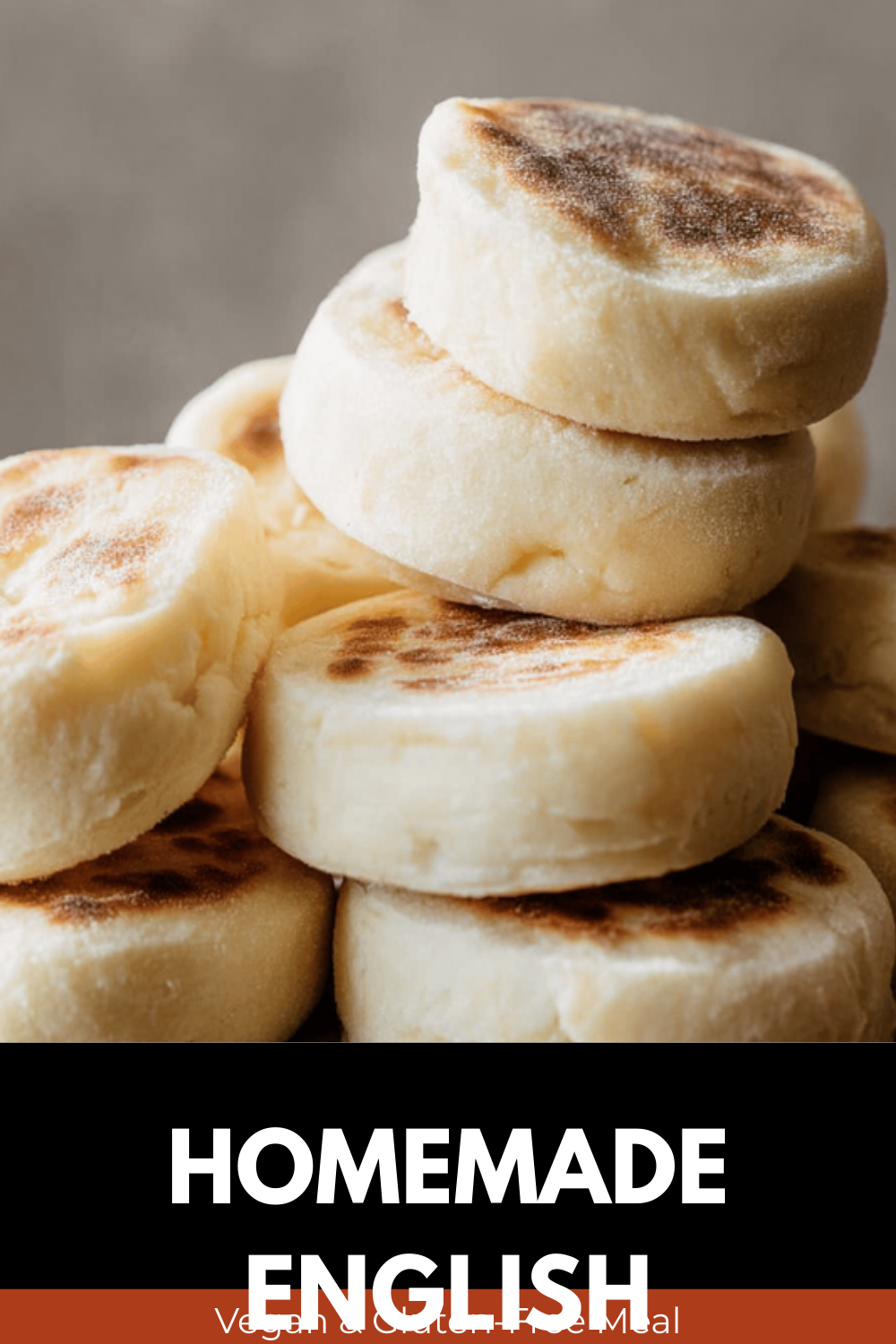
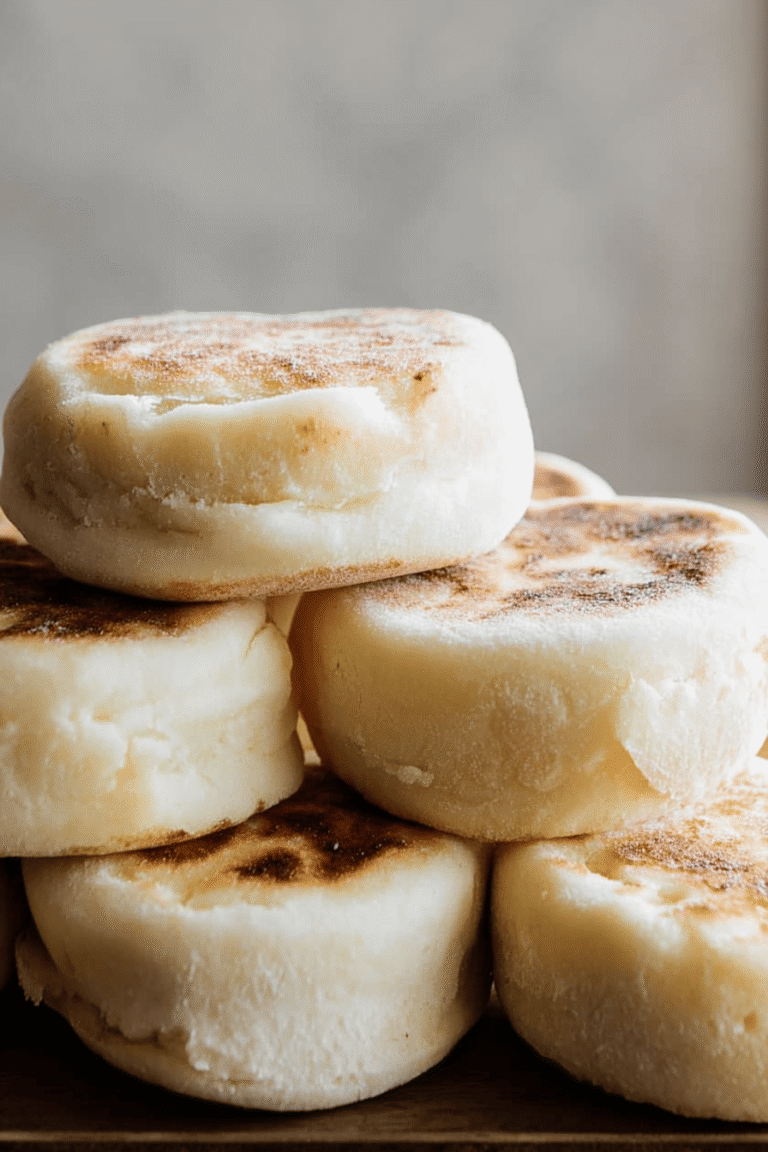
🥯 Enjoy the soft, fluffy texture of homemade English muffins with this easy-to-follow recipe.
🔥 Perfectly golden and tender muffins that bring a warm, fresh-baked touch to your breakfast table.
- Total Time: 2 hours 2 minutes
- Yield: Approximately 14 muffins
Ingredients
– 2 3/4 cups (330g) all-purpose flour This forms the base and gives the muffins their structure
– 2 1/4 teaspoons instant or fast-acting yeast It helps the dough rise and creates that airy texture
– 1 teaspoon salt Brings out the flavors and balances the dough
– 2 tablespoons sugar Feeds the yeast and adds a touch of sweetness
– 3/4 cup (180ml) milk Adds moisture and richness to the mix
– 1/2 cup (120ml) water Combines with the milk to activate the yeast properly
– 3 tablespoons (42g) butter Provides tenderness and a buttery taste
– 1 large room-temperature egg Helps bind the ingredients and adds extra fluffiness
– Cornmeal or semolina for dusting Keeps the muffins from sticking and adds a nice crunch
Instructions
1- Ready to dive into making your own homemade English muffins? This process is straightforward and fun, even if you’re new to baking. Start by warming the milk, water, and sugar to about 110°F, then stir in the yeast and let it foam up for 5-7 minutes. This step wakes up the yeast and sets the stage for those signature nooks and crannies.
2- Next, in a separate bowl, mix the flour and salt together. Add the room-temperature egg and melted butter to the yeast mixture, then combine it all with the flour. Use a mixer on low speed at first, then crank it up to medium-high and knead for around 7 minutes until the dough is smooth and elastic. For a personal touch, I remember my first try it was messy but turned out great with a little patience!
3- Once the dough is ready, transfer it to an oiled bowl, cover it, and let it rise until it doubles in size, which takes about an hour or even overnight in the fridge for deeper flavor. After rising, roll or pat the dough on a floured surface to just under 1 inch thick. Cut out 3-inch rounds and place them on baking sheets dusted with cornmeal or semolina, then cover and let them rise for another 30 minutes.
4- Finally, cook the muffins on a low-heat skillet or griddle for 5-6 minutes per side until they’re golden brown. If they seem undercooked, pop them in the oven at 350°F for 3 more minutes. For variations, check out our soup recipes that pair wonderfully with these muffins for a hearty meal.
Last Step:
Please leave a rating and comment letting us know how you liked this recipe! This helps our business to thrive and continue providing free, high-quality recipes for you.Notes
🌡️ Proof the dough in a warm, not hot, place for best yeast activation.
🍞 Use bread flour for a chewier, more traditional English muffin texture.
❄️ Store finished muffins in an airtight container for 3-5 days or freeze for up to 3 months for freshness.
- Prep Time: 20 minutes
- Rising time: 1 hour 30 minutes
- Cook Time: 12 minutes
- Category: Breakfast, Snack
- Method: Mixing, kneading, cooking on skillet
- Cuisine: American
- Diet: Vegetarian
Nutrition
- Serving Size: 1 muffin
- Calories: 150 kcal
- Sugar: 4 g
- Sodium: 250 mg
- Fat: 4 g
- Saturated Fat: 2.5 g
- Unsaturated Fat: 1 g
- Trans Fat: 0 g
- Carbohydrates: 25 g
- Fiber: 1 g
- Protein: 5 g
- Cholesterol: 35 mg