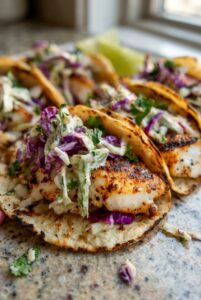
Why You’ll Love This Korean Beef Tacos Bulgogi
Korean Beef Tacos Bulgogi brings together the best of both worlds: the savory, umami-rich flavors of traditional Korean bulgogi and the convenient, handheld appeal of tacos. This fusion recipe has become increasingly popular for good reason, offering a unique dining experience that satisfies cravings for both comfort food and exciting new flavors.
What Makes This Recipe Special
- Ease of preparation: This recipe comes together in under 30 minutes, making it perfect for busy weeknights. With minimal prep work and simple cooking techniques, even beginner cooks can create restaurant-quality Korean Beef Tacos Bulgogi at home. The quick marinating time and fast cooking process mean you can have a satisfying meal on the table without spending hours in the kitchen.
- Health benefits: This dish offers a well-rounded nutritional profile. The beef provides high-quality protein and essential nutrients like iron and zinc. The fresh vegetables add fiber, vitamins, and antioxidants, while the Korean marinade incorporates ingredients like ginger and garlic, which have been used for centuries in traditional medicine for their potential health benefits. According to research on the nutritional benefits of beef, lean cuts can be part of a healthy diet when consumed in moderation. When made with lean beef and plenty of vegetables, these tacos can be part of a balanced diet.
- Versatility: Korean Beef Tacos Bulgogi adapts easily to different dietary needs and preferences. You can make it gluten-free with tamari, lighter with leaner cuts of beef, or vegetarian with plant-based protein alternatives. The toppings can be customized based on what you have on hand or personal preference, making it a flexible recipe that works for various eating styles and ingredient availability.
- Distinctive flavor: What truly sets this dish apart is the complex flavor profile. The combination of savory soy sauce, nutty sesame oil, sweet fruit (from the pear in the marinade), pungent garlic and ginger, plus the slight heat from gochujang creates an explosion of flavors in every bite. The caramelized beef paired with fresh, crunchy vegetables and tangy kimchi offers a perfect balance of textures and tastes that will keep you coming back for more. For those interested in learning more about traditional Korean bulgogi techniques, this recipe provides a delicious introduction to the cuisine.
“Food brings people together, and Korean Beef Tacos Bulgogi is the perfect conversation starter at any dinner table.”
Jump to:
- Why You’ll Love This Korean Beef Tacos Bulgogi
- What Makes This Recipe Special
- Essential Ingredients for Korean Beef Tacos Bulgogi
- For the Bulgogi Marinade
- For the Tacos Assembly
- For the Spicy Sauce
- Special Dietary Options
- Vegan Substitutions
- Gluten-Free Adaptations
- Low-Calorie Modifications
- How to Prepare the Perfect Korean Beef Tacos Bulgogi: Step-by-Step Guide
- First Step: Preparation and Marinating
- Second Step: Preparing the Toppings and Sauce
- Third Step: Cooking the Bulgogi Beef
- Fourth Step: Warming the Tortillas
- Final Step: Assembly and Serving
- Dietary Substitutions to Customize Your Korean Beef Tacos Bulgogi
- Protein and Main Component Alternatives
- Vegetable, Sauce, and Seasoning Modifications
- Mastering Korean Beef Tacos Bulgogi: Advanced Tips and Variations
- Pro Cooking Techniques
- Flavor Variations
- Presentation Tips
- Make-Ahead Options
- How to Store Korean Beef Tacos Bulgogi: Best Practices
- Refrigeration Guidelines
- Freezing Techniques
- Reheating Methods
- Meal Prep Considerations
- FAQs: Frequently Asked Questions About Korean Beef Tacos Bulgogi
- What are Korean beef bulgogi tacos?
- What ingredients do I need for Korean beef bulgogi tacos?
- How do I make Korean beef bulgogi tacos at home?
- Can I substitute ingredients in bulgogi tacos?
- How do I store leftover Korean beef bulgogi tacos?
- Korean Beef Tacos Bulgogi
- Ingredients
- Instructions
- Last Step:
- Notes
- Nutrition
- Did you make this recipe?
Essential Ingredients for Korean Beef Tacos Bulgogi
Creating the perfect Korean Beef Tacos Bulgogi starts with gathering the right ingredients. Each component plays a crucial role in building layers of flavor and texture that make this dish so satisfying. Below is a comprehensive list with precise measurements to ensure your recipe turns out delicious every time.
For the Bulgogi Marinade
- 1 lb thinly sliced flank steak or ribeye – The foundation of the dish, providing rich, beefy flavor and tender texture when properly prepared
- 1/4 cup soy sauce – Adds saltiness and umami depth to the marinade
- 2 tbsp sesame oil – Imparts a distinctive nutty flavor and helps the meat brown beautifully
- 2 tbsp brown sugar – Balances the savory elements with sweetness and aids in caramelization
- 3 minced garlic cloves – Provides aromatic pungency and classic Korean flavor notes
- 1 tbsp grated ginger – Adds warmth, zing, and digestive benefits
- 1 grated Asian pear (or apple) – Natural enzymes tenderize the meat while adding subtle sweetness
- 1/4 tsp black pepper – Adds just enough heat to complement other flavors without overpowering
For the Tacos Assembly
- 8 small tortillas – The vessel that holds everything together, providing a soft texture that contrasts with the crispy toppings
- 1 cup shredded cabbage – Adds essential crunch and fresh flavor to balance the rich beef
- 1/2 cup kimchi (chopped) – Contributes tangy, fermented flavor and beneficial probiotics
- 1/4 cup cilantro – Brings fresh, herbal brightness to cut through the rich elements
- 2 green onions (sliced) – Adds mild onion flavor and pop of color
- Sesame seeds – Provides nutty flavor and attractive garnish
- Lime wedges – Offers acidity that brightens all the flavors
For the Spicy Sauce
- 1/4 cup mayo – Creates a creamy base that balances the spicy components
- 1 tbsp gochujang or sriracha – Adds authentic Korean heat and depth of flavor
Special Dietary Options
Vegan Substitutions
- Replace beef with pressed firm tofu, tempeh, or meaty mushrooms like portobello or king oyster
- Use maple syrup instead of brown sugar
- Swap regular mayo for vegan mayonnaise
Gluten-Free Adaptations
- Use tamari or coconut aminos instead of soy sauce
- Choose corn tortillas instead of flour ones
- Verify that your gochujang is gluten-free or use a certified brand
Low-Calorie Modifications
- Opt for leaner cuts of beef like flank steak trimmed of excess fat
- Reduce the amount of oil in the marinade or cooking process
- Use Greek yogurt or light mayo for the sauce component
- Increase the vegetable-to-meat ratio in your tacos
How to Prepare the Perfect Korean Beef Tacos Bulgogi: Step-by-Step Guide
Making delicious Korean Beef Tacos Bulgogi at home is easier than you might think. Following these step-by-step instructions will help you create a restaurant-quality meal that will impress family and friends. The key is proper preparation and attention to detail during each stage of the process.
First Step: Preparation and Marinating
Start by preparing your ingredients for maximum efficiency. If you haven’t purchased pre-sliced beef, place your flank steak or ribeye in the freezer for about 20 minutes. This will make it firmer and easier to slice thinly. Remove from the freezer and slice the meat against the grain into strips about 1/4 inch thick. This ensures tenderness in the final dish.
In a medium bowl, combine the soy sauce, sesame oil, brown sugar, minced garlic, grated ginger, grated Asian pear, and black pepper. Whisk until the sugar is completely dissolved. Add the sliced beef to the marinade, making sure each piece is well-coated. Cover the bowl and refrigerate for at least 30 minutes, though overnight marinating will develop even deeper flavors. The fruit enzymes in the pear will work to tenderize the meat during this time.
Second Step: Preparing the Toppings and Sauce
While the beef marinates, prepare your toppings and sauce. For the spicy crema, whisk together the mayonnaise and gochujang in a small bowl until smooth. Adjust the ratio based on your heat preference. This sauce can be made ahead and stored in the refrigerator until serving time.
Shred your cabbage and chop the kimchi into bite-sized pieces if it comes in large chunks. Slice the green onions into thin rounds, and roughly chop the cilantro leaves. Arrange all toppings in separate bowls for easy assembly later. This prep-ahead approach makes the final assembly quick and convenient, especially helpful if you’re serving guests.
| Task | Time Required |
|---|---|
| Slicing beef | 10 minutes |
| Making marinade | 5 minutes |
| Marinating | 30 minutes minimum |
| Preparing toppings | 10 minutes |
| Cooking beef | 5-7 minutes |
| Assembly | 5 minutes |
Third Step: Cooking the Bulgogi Beef
Heat a large skillet or wok over high heat. Add 1 tablespoon of oil and swirl to coat the surface. Remove the beef from the marinade, allowing excess liquid to drip off. Place the beef in the hot pan in a single layer, working in batches if necessary to avoid overcrowding. Overcrowding the pan will cause the meat to steam rather than sear, resulting in less flavor development.
Cook the beef for 2-3 minutes per side until browned and caramelized. The high heat creates a delicious crust while keeping the interior tender. Remove the beef from the pan and set aside. If you have marinade remaining, you can add it to the pan and boil for 2-3 minutes to reduce it into a sauce, though most of the flavor will have already infused into the meat.
Fourth Step: Warming the Tortillas
While the beef is cooking, prepare your tortillas. Warm them directly over a gas flame for about 10-15 seconds per side until slightly charred and pliable. If you don’t have a gas stove, you can warm them in a dry skillet over medium heat for about 30 seconds per side. Alternatively, wrap the tortillas in damp paper towels and microwave for 30-45 seconds.
Keep the warmed tortillas wrapped in a clean kitchen towel or foil to maintain their temperature and flexibility while you finish preparing the other components. This step might seem minor, but a cold, stiff tortilla can significantly diminish the overall eating experience.
Final Step: Assembly and Serving
Now comes the fun part assembling your Korean Beef Tacos Bulgogi. Lay out all your components so they’re easily accessible: warm tortillas, cooked beef, shredded cabbage, chopped kimchi, sliced green onions, cilantro, sesame seeds, lime wedges, and the spicy mayo sauce.
To assemble each taco, start with a warm tortilla. Add a generous portion of the bulgogi beef, followed by a layer of shredded cabbage for crunch and kimchi for tang. Top with green onions, cilantro, and a sprinkle of sesame seeds. Drizzle with the spicy mayo sauce and finish with a squeeze of fresh lime juice. Serve immediately while everything is still warm and the textures are at their best.
For a more casual dining experience, set all the components on the table and let everyone build their own tacos to their preference. This interactive approach is perfect for family meals or gatherings, allowing each person to customize their perfect bite. If you’re looking for a sweet ending to this meal, consider serving some banana bundt cake for dessert.

Dietary Substitutions to Customize Your Korean Beef Tacos Bulgogi
One of the beautiful aspects of Korean Beef Tacos Bulgogi is its adaptability to various dietary needs and personal preferences. With a few simple substitutions, you can enjoy this delicious fusion meal while adhering to your specific dietary requirements or utilizing ingredients you have on hand.
Protein and Main Component Alternatives
While thinly sliced beef is traditional for bulgogi, you can easily substitute other proteins to suit different tastes or dietary restrictions. Chicken thighs make an excellent alternative when sliced thinly against the grain. They require slightly longer cooking time, about 4-5 minutes per side, but absorb the marinade beautifully and remain juicy.
Pork shoulder or loin, also sliced thinly, works well as a bulgogi protein. For a leaner option, try using pork tenderloin. The cooking time and method remain similar to beef, with the goal of achieving a nice caramelized exterior while keeping the interior tender.
For plant-based eaters, mushrooms offer a meaty texture and umami flavor. King oyster, shiitake, or portobello mushrooms work best when sliced into strips. Pressed firm tofu, cut into cubes or slices, also absorbs the marinade well. Tempeh, fermented soybean cakes, provide additional protein and a nutty flavor that complements the Korean seasonings perfectly. When using plant-based proteins, consider marinating for a longer period to maximize flavor absorption.
For those who enjoy seafood, thinly sliced swordfish or firm white fish can be prepared bulgogi-style, though cooking times will be shorter to prevent the fish from becoming dry. Scallops or shrimp also pair wonderfully with Korean flavors, though they’re typically cooked whole rather than sliced.
Vegetable, Sauce, and Seasoning Modifications
The vegetables in your tacos can be adapted based on seasonal availability and personal preference. Instead of cabbage, try using shredded carrots, radishes, or a colorful coleslaw mix. For additional crunch and nutrition, consider adding sliced cucumbers, bell peppers, or even thinly sliced jicama.
If kimchi isn’t available or you prefer a milder flavor, quick-pickled vegetables make an excellent substitute. Thinly sliced cucumber, carrots, and radishes tossed with rice vinegar, sugar, and salt create a refreshing tang that complements the rich meat. Sauerkraut can also provide fermented flavor with a different cultural twist.
For the sauce component, if gochujang isn’t available, a mixture of sriracha and a touch of honey can approximate both the heat and the sweet notes of the Korean chili paste. Alternatively, sriracha mayo with a splash of rice vinegar creates a similarly creamy, spicy condiment. For those who cannot eat spicy food, a simple mixture of mayonnaise with a dash of sesame oil and rice vinegar provides flavor without the heat.
Seasoning modifications can also cater to different flavor profiles. If you prefer less sweetness, reduce or omit the brown sugar in the marinade. For more heat, add Korean red pepper flakes (gochugaru) to the marinade or sprinkle on the finished tacos. Additional garlic or ginger can be added for those who love these aromatic flavors.
Gluten-free adaptations are straightforward: simply substitute tamari or coconut aminos for the soy sauce, and ensure your tortillas are made from 100% corn. For those watching their sodium intake, low-sodium soy sauce or tamari can be used without sacrificing flavor significantly.
Mastering Korean Beef Tacos Bulgogi: Advanced Tips and Variations
Once you’ve mastered the basic Korean Beef Tacos Bulgogi recipe, you can explore advanced techniques and creative variations that will take this dish to the next level. These tips from experienced cooks will help you achieve professional-quality results and inspire new ways to enjoy this delicious fusion meal.
Pro Cooking Techniques
For the most authentic flavor and texture, consider using a cast iron skillet or a Korean BBQ grill pan. These tools retain heat exceptionally well, creating superior caramelization on the meat. When cooking, avoid overcrowding the pan as this causes the meat to steam rather than sear. Instead, cook in batches for the best results.
Professional chefs often use the technique of “double-slicing” the beef for extra tenderness. After slicing the meat against the grain, make diagonal cuts across each strip to create smaller, bite-sized pieces that cook more evenly and feel more tender in the mouth.
For an even richer flavor, try adding a small amount of rice wine or mirin to your marinade. This subtle addition adds depth and complexity to the overall flavor profile. Similarly, incorporating a small amount of grated onion along with the pear can enhance the sweetness and umami notes in the final dish.
When preparing the marinade, consider making a larger batch and portioning it for future use. The marinade can be frozen in ice cube trays for convenient portioning. This prep-ahead approach saves time on busy nights and ensures consistent flavor every time you make the recipe.
Flavor Variations
Experimenting with different flavor profiles can keep this recipe exciting and new. For a smoky twist, add a small amount of liquid smoke to your marinade or cook the beef over charcoal if possible. Spicy lovers might incorporate Korean red pepper flakes (gochugaru) into the marinade for a more pronounced heat and authentic Korean flavor.
For a citrusy variation, try adding some yuzu juice or lime zest to the marinade. This bright, acidic note cuts through the richness of the meat and adds a refreshing dimension to the overall flavor profile. A splash of sesame oil added just before serving (rather than cooking it) provides a more pronounced nutty aroma.
Regional Korean variations offer additional inspiration. Gwangju-style bulgogi incorporates more garlic and ginger, while Jeju-style might include local citrus fruits. These regional differences can inspire your own unique take on the recipe.
Presentation Tips
Plating your Korean Beef Tacos Bulgogi thoughtfully can elevate the dining experience. Consider serving the components separately on a large platter, allowing guests to assemble their own tacos. Arrange the beef in the center with bowls of toppings arranged around it like a colorful constellation.
For individual servings, place two tacos on each plate with the fillings slightly spilling out attractively. Garnish with additional sesame seeds and fresh cilantro leaves. A side of extra sauce in a small dipping bowl adds both flavor and visual appeal. Lime wedges placed on the side add a pop of bright color and allow diners to adjust acidity to their preference.
Photography-friendly touches include ensuring a variety of colors in each shot. The rich brown of the beef, bright green of the cilantro, red of the gochujang sauce, and white of the cabbage create an appealing palette that makes the dish as beautiful as it is delicious.
Make-Ahead Options
Korean Beef Tacos Bulgogi is an excellent candidate for meal prep. The beef can be marinated and frozen in portion-sized bags for up to 3 months. When ready to cook, simply thaw overnight in the refrigerator and proceed with the recipe as usual.
The toppings can also be prepared in advance. Shredded cabbage and chopped kimchi will stay fresh in airtight containers for 3-5 days in the refrigerator. The spicy mayo sauce can be made up to a week ahead and stored in the refrigerator.
For entertaining, consider setting up a taco bar with all the components prepped and ready. This allows you to enjoy your party instead of being stuck in the kitchen. Everything except the beef can be prepared a day ahead, leaving only the quick cooking step to do just before serving.
If you’re planning to serve these tacos at a gathering, consider making both beef and vegetarian options to accommodate all your guests. The marinade works equally well on plant-based proteins, and having both options ensures everyone can enjoy this delicious fusion meal. For a light dessert option to serve after your tacos, try making some refreshing cheesecake lemon bars that complement the rich flavors of the main course.
How to Store Korean Beef Tacos Bulgogi: Best Practices
Proper storage of your Korean Beef Tacos Bulgogi ensures you can enjoy leftovers safely and maintains the quality of the dish for later consumption. Following these best practices for refrigeration, freezing, and reheating will help you maximize the enjoyment of this delicious meal while maintaining food safety standards.
Refrigeration Guidelines
For optimal results, store the components of your Korean Beef Tacos Bulgogi separately rather than assembled. The cooked beef will maintain its quality for 3-4 days when stored in an airtight container in the refrigerator. Allow the beef to cool completely before refrigerating to prevent condensation that could make the meat soggy.
The vegetable toppings, including shredded cabbage and chopped kimchi, can be stored in separate airtight containers for 5-7 days in the refrigerator. Keep the spicy mayo sauce in its own container, where it will remain fresh for up to a week. Tortillas should be kept in their original packaging or a resealable plastic bag to prevent them from drying out.
When storing the components separately, label each container with the date it was prepared. This practice helps you track freshness and ensures you use the oldest items first. The beef should be consumed within 3-4 days for the best quality and food safety.
Freezing Techniques
Cooked bulgogi beef freezes exceptionally well, making it perfect for meal prep. Allow the cooked beef to cool completely before transferring to freezer-safe bags or containers. Remove as much air as possible from the bags to prevent freezer burn. Label each container with the contents and date for easy identification later.
Properly stored, the cooked beef will maintain its quality for 2-3 months in the freezer. For the best results, portion the beef into meal-sized amounts before freezing. This prevents the need to thaw more than you’ll use at one time, which can affect quality with repeated freezing and thawing cycles.
Uncooked, marinated beef can also be frozen for up to 3 months. Place the beef and marinade together in a freezer bag, remove excess air, and freeze flat for efficient storage. When ready to cook, thaw overnight in the refrigerator and proceed with the recipe as normal.
While the beef freezes well, it’s best not to freeze assembled tacos as the tortillas and toppings do not maintain their texture after freezing. Store these components separately if you plan to freeze the beef.
Reheating Methods
When reheating your Korean Beef Tacos Bulgogi beef, the goal is to warm it through while restoring moisture without overcooking. The stovetop method often yields the best results. Place the beef in a skillet over medium heat and add a splash of water or beef broth. Cover and heat for 3-5 minutes, stirring occasionally, until heated through. The added liquid helps restore moisture that may have been lost during refrigeration.
For a quicker option, the microwave works well for small portions. Place the beef in a microwave-safe container, add a tablespoon of water, cover loosely, and heat on high for 1-2 minutes, stirring halfway through. Check the temperature and continue heating in 30-second intervals until warmed through.
Regardless of the reheating method you choose, avoid overheating the beef, as this can make it tough and dry. The goal is to bring it just to serving temperature, not to cook it further. Freshly warmed tortillas will significantly improve the quality of reheated leftovers, so take the time to warm them just before serving.
Meal Prep Considerations
Korean Beef Tacos Bulgogi is an excellent option for meal prep, offering variety and flavor throughout the week. When prepping this dish for meals, consider cooking a larger batch of beef to use in multiple ways throughout the week. Beyond tacos, the bulgogi beef can be used in rice bowls, on top of salads, or in stir-fries.
For efficient meal prep, organize your components in clear containers with the oldest items in front. This system helps you use ingredients before they spoil and reduces food waste. Pre-portioning the beef into single-serving containers makes it easy to grab exactly what you need for a quick lunch or dinner.
When packing lunches, consider keeping the tortillas separate from the warm components to prevent them from becoming soggy. Pack the beef and toppings in one container, with the tortillas and sauce in separate containers. This keeps everything fresh until mealtime and allows you to assemble your tacos just before eating.
If you’re planning to reheat your Korean Beef Tacos Bulgogi at work or school, consider investing in a good quality insulated food container that will keep the beef warm until lunchtime. This eliminates the need for reheating and often results in better texture than microwave reheating.
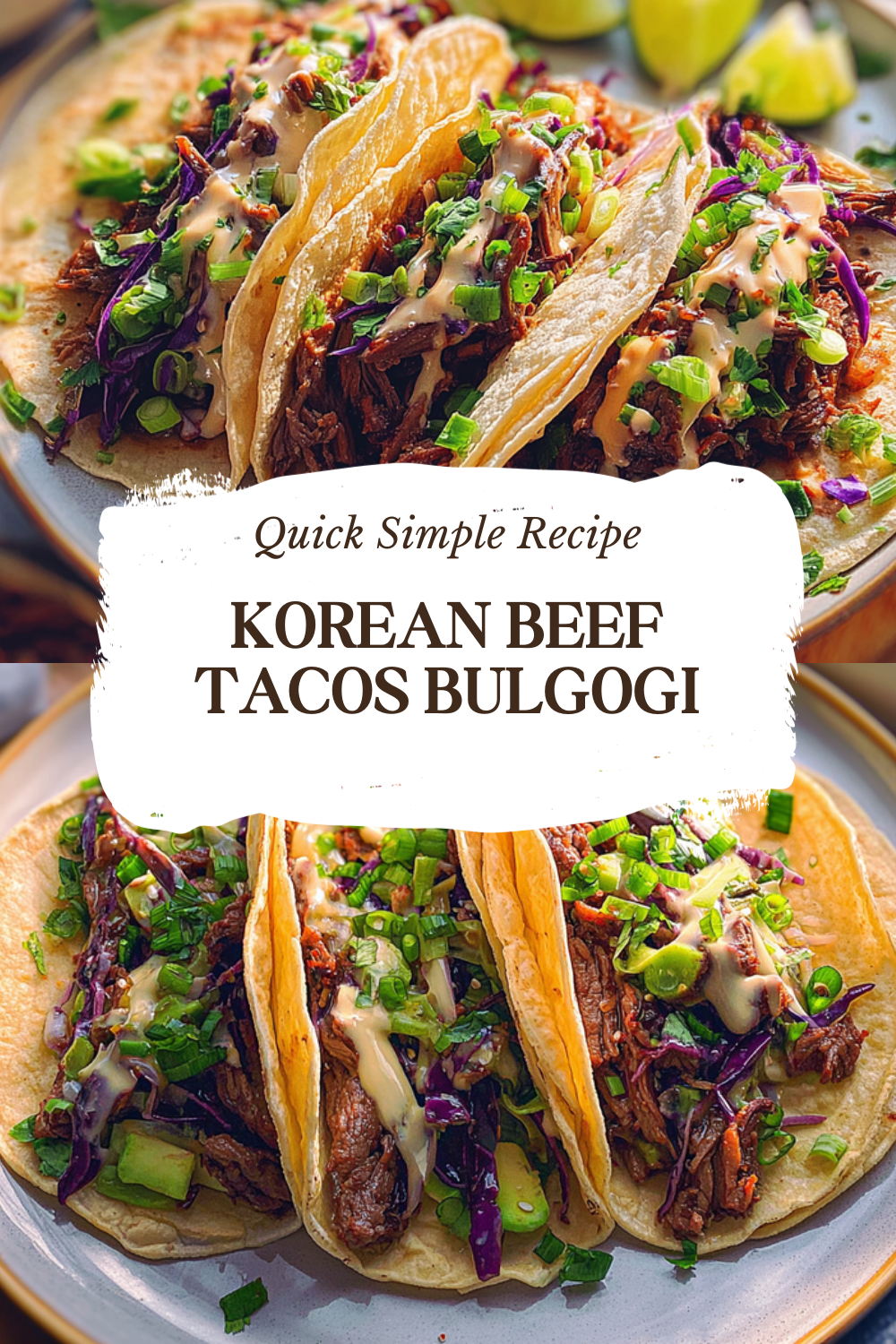
FAQs: Frequently Asked Questions About Korean Beef Tacos Bulgogi
What are Korean beef bulgogi tacos?
What ingredients do I need for Korean beef bulgogi tacos?
How do I make Korean beef bulgogi tacos at home?
Can I substitute ingredients in bulgogi tacos?
How do I store leftover Korean beef bulgogi tacos?
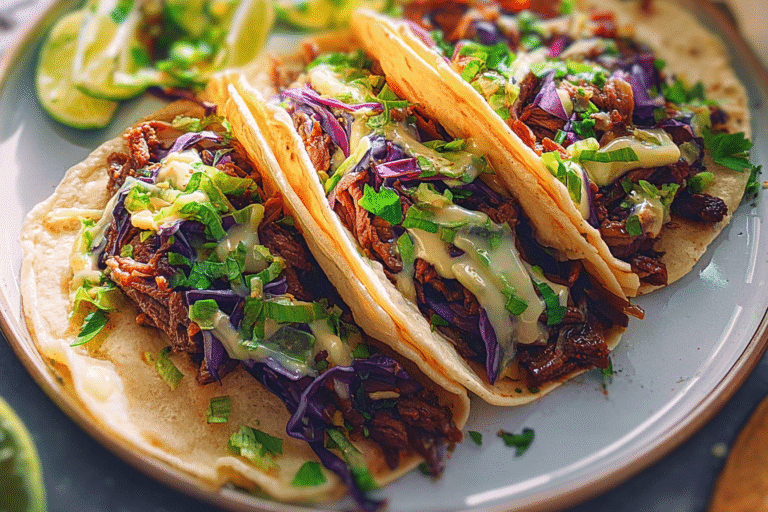
Korean Beef Tacos Bulgogi
🥢 Tender marinated bulgogi beef bursts with sweet-savory Korean flavors, packed with protein for a satisfying fusion meal.
🌮 Wrapped in warm tortillas with fresh slaw, these tacos offer bold taste and crunch, perfect for weeknight dinners or parties!
- Total Time: 1 hour
- Yield: 6 servings
Ingredients
– 1 lb thinly sliced flank steak or ribeye
– 1/4 cup soy sauce
– 2 tbsp sesame oil
– 2 tbsp brown sugar
– 3 minced garlic cloves
– 1 tbsp grated ginger
– 1 grated Asian pear (or apple)
– 1/4 tsp black pepper
– 8 small tortillas
– 1 cup shredded cabbage
– 1/2 cup kimchi (chopped)
– 1/4 cup cilantro
– 2 green onions (sliced)
– Sesame seeds
– Lime wedges
– 1/4 cup mayo
– 1 tbsp gochujang or sriracha
Instructions
1-First Step: Preparation and Marinating Start by preparing your ingredients for maximum efficiency. If you haven’t purchased pre-sliced beef, place your flank steak or ribeye in the freezer for about 20 minutes. This will make it firmer and easier to slice thinly. Remove from the freezer and slice the meat against the grain into strips about 1/4 inch thick. This ensures tenderness in the final dish. In a medium bowl, combine the soy sauce, sesame oil, brown sugar, minced garlic, grated ginger, grated Asian pear, and black pepper. Whisk until the sugar is completely dissolved. Add the sliced beef to the marinade, making sure each piece is well-coated. Cover the bowl and refrigerate for at least 30 minutes, though overnight marinating will develop even deeper flavors. The fruit enzymes in the pear will work to tenderize the meat during this time.
2-Second Step: Preparing the Toppings and Sauce While the beef marinates, prepare your toppings and sauce. For the spicy crema, whisk together the mayonnaise and gochujang in a small bowl until smooth. Adjust the ratio based on your heat preference. This sauce can be made ahead and stored in the refrigerator until serving time. Shred your cabbage and chop the kimchi into bite-sized pieces if it comes in large chunks. Slice the green onions into thin rounds, and roughly chop the cilantro leaves. Arrange all toppings in separate bowls for easy assembly later. This prep-ahead approach makes the final assembly quick and convenient, especially helpful if you’re serving guests.
3-Third Step: Cooking the Bulgogi Beef Heat a large skillet or wok over high heat. Add 1 tablespoon of oil and swirl to coat the surface. Remove the beef from the marinade, allowing excess liquid to drip off. Place the beef in the hot pan in a single layer, working in batches if necessary to avoid overcrowding. Overcrowding the pan will cause the meat to steam rather than sear, resulting in less flavor development. Cook the beef for 2-3 minutes per side until browned and caramelized. The high heat creates a delicious crust while keeping the interior tender. Remove the beef from the pan and set aside. If you have marinade remaining, you can add it to the pan and boil for 2-3 minutes to reduce it into a sauce, though most of the flavor will have already infused into the meat.
4-Fourth Step: Warming the Tortillas While the beef is cooking, prepare your tortillas. Warm them directly over a gas flame for about 10-15 seconds per side until slightly charred and pliable. If you don’t have a gas stove, you can warm them in a dry skillet over medium heat for about 30 seconds per side. Alternatively, wrap the tortillas in damp paper towels and microwave for 30-45 seconds. Keep the warmed tortillas wrapped in a clean kitchen towel or foil to maintain their temperature and flexibility while you finish preparing the other components. This step might seem minor, but a cold, stiff tortilla can significantly diminish the overall eating experience.
5-Final Step: Assembly and Serving Now comes the fun part assembling your Korean Beef Tacos Bulgogi. Lay out all your components so they’re easily accessible: warm tortillas, cooked beef, shredded cabbage, chopped kimchi, sliced green onions, cilantro, sesame seeds, lime wedges, and the spicy mayo sauce. To assemble each taco, start with a warm tortilla. Add a generous portion of the bulgogi beef, followed by a layer of shredded cabbage for crunch and kimchi for tang. Top with green onions, cilantro, and a sprinkle of sesame seeds. Drizzle with the spicy mayo sauce and finish with a squeeze of fresh lime juice. Serve immediately while everything is still warm and the textures are at their best. For a more casual dining experience, set all the components on the table and let everyone build their own tacos to their preference. This interactive approach is perfect for family meals or gatherings, allowing each person to customize their perfect bite. If you’re looking for a sweet ending to this meal, consider serving some banana bundt cake for dessert.
Last Step:
Please leave a rating and comment letting us know how you liked this recipe! This helps our business to thrive and continue providing free, high-quality recipes for you.Notes
🥩 Freeze beef for 30 minutes before slicing for easier thin cuts.
🔥 High heat sears the beef quickly for authentic bulgogi char.
🥬 Quick-pickle cabbage with rice vinegar for extra tang.
- Prep Time: 20 minutes
- Marinate Time: 30 minutes
- Cook Time: 10 minutes
- Category: Tacos
- Method: Stovetop
- Cuisine: Korean Fusion
- Diet: High-Protein, Dairy-Free
Nutrition
- Serving Size: 2 tacos
- Calories: 520 kcal
- Sugar: 12g
- Sodium: 980mg
- Fat: 28g
- Saturated Fat: 9g
- Unsaturated Fat: 17g
- Trans Fat: 0g
- Carbohydrates: 38g
- Fiber: 4g
- Protein: 32g
- Cholesterol: 85mg