Why You’ll Love This Lamb Shanks
Ever tried a dish that’s hearty, delicious, and not too hard to make? Lamb shanks fit perfectly, offering tender meat that falls off the bone. This recipe keeps things simple yet delivers big on flavor, making it a go-to for home cooks looking to impress without much fuss. Plus, with its rich sauce and adaptable ingredients, it’s a meal you’ll want to whip up again and again.
When it comes to ease of preparation, this lamb shanks recipe shines brightly. Just follow a few straightforward steps for results that feel special but don’t require fancy skills. You’ll appreciate how it fits into busy routines, like those of working professionals or students needing a quick yet tasty dinner. And let’s not forget the health perks, such as the protein boost that helps with energy and muscle recovery.
One thing that makes these lamb shanks stand out is their versatility. You can tweak the recipe for various dietary needs, from adding more veggies for diet-conscious folks to swapping ingredients for seniors who prefer milder flavors. It’s not just food; it’s a way to bring people together, sharing stories over a warm plate. Whether you’re a food enthusiast exploring new tastes or a busy parent juggling schedules, this dish will quickly become a favorite in your kitchen.
Jump to:
- Why You’ll Love This Lamb Shanks
- Essential Ingredients for Lamb Shanks
- How to Prepare the Perfect Lamb Shanks: Step-by-Step Guide
- Dietary Substitutions to Customize Your Lamb Shanks
- Mastering Lamb Shanks: Advanced Tips and Variations
- Tips for Better Results
- Fun Variations to Try
- How to Store Lamb Shanks: Best Practices
- FAQs: Frequently Asked Questions About Lamb Shanks
- What are lamb shanks and how do you cook them?
- Can I cook lamb shanks without wine, and what are good substitutes?
- How do I make a thick and glossy sauce from lamb shank cooking juices?
- Is it necessary to brown lamb shanks before slow cooking?
- What size lamb shanks are best for home cooking?
- Lamb Shanks
- Ingredients
- Instructions
- Last Step:
- Notes
- Nutrition
- Did you make this recipe?
Essential Ingredients for Lamb Shanks
Gathering your ingredients is the fun first step in creating these flavorful lamb shanks. Let’s break down what you’ll need to make this recipe come to life. I’ll list everything clearly so you can shop smart and get cooking without any confusion.
- 4 lamb shanks, about 13 oz (400g) each
- 1 teaspoon salt
- 1 teaspoon pepper
- 2 to 3 tablespoons olive oil, separated
- 1 onion, finely diced (brown, yellow, or white)
- 3 garlic cloves, minced
- 1 cup carrot, peeled and finely diced
- 1 cup celery, finely diced
- 2 1/2 cups full-bodied red wine (such as Cabernet Sauvignon, Merlot, or Shiraz)
- 28 oz (800g) can crushed tomatoes
- 2 tablespoons tomato paste
- 2 cups low sodium chicken stock or water
- 5 sprigs thyme (tied together) or 2 teaspoons dried thyme
- 2 dried bay leaves or 4 fresh bay leaves
- To serve: mashed potatoes, polenta, or creamy mashed potatoes, with fresh thyme leaves for garnish (optional)
These ingredients come together to create a dish that’s rich and full of depth. Remember, fresh is best when you can, as it really brings out the flavors in every bite.
How to Prepare the Perfect Lamb Shanks: Step-by-Step Guide
Ready to dive into making this mouthwatering dish? Let’s walk through it one step at a time. You’ll start by getting your oven warm and prepping the meat, which sets the stage for that amazing flavor. For a simple side dessert idea after your meal, check out our banana bundt cake recipe.
First, preheat your oven to 350°F (180°C). Pat the lamb shanks dry and season them with salt and pepper for a good base of flavor. Heat 2 tablespoons of olive oil in a large heavy-based pot over high heat, then brown the shanks in batches for about 5 minutes until they’re evenly browned on all sides.
Once browned, remove the shanks and drain any excess fat from the pot. Reduce the heat to medium-low and add the remaining olive oil. Sauté the onion and garlic for 2 minutes, then toss in the carrot and celery and cook for another 5 minutes until the onion turns translucent and sweet.
Next, add the red wine, chicken stock, crushed tomatoes, tomato paste, thyme, and bay leaves, stirring everything together. Return the lamb shanks to the pot, making sure most of the meaty parts are submerged in the liquid. Bring it to a simmer on the stovetop, cover the pot, and pop it in the oven for 2 hours.
After that, remove the lid and cook uncovered for another 30 minutes until the lamb is tender but still attached to the bone. If it needs more time, cover it again and keep cooking. Once done, take out the lamb and keep it warm while you handle the sauce. For the sauce, strain it into a bowl, pressing to get all the liquid from the vegetables, then return it to the pot and simmer gently if you want it thicker. Taste and adjust the salt and pepper as needed before serving.
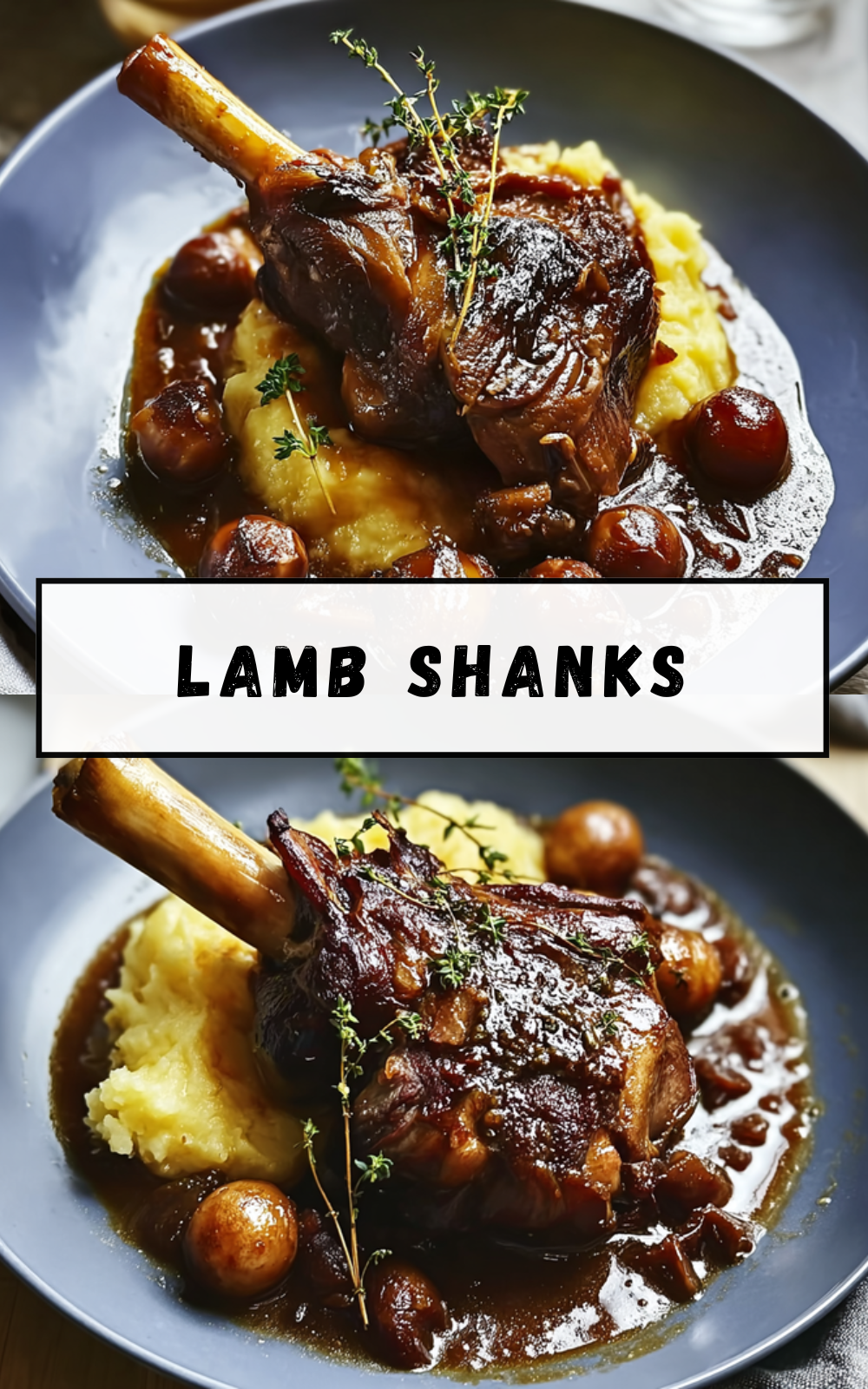
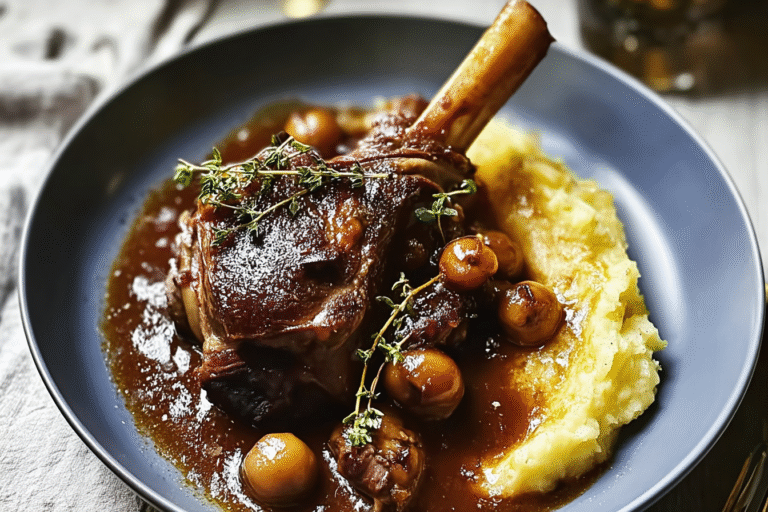
Finally, serve the lamb shanks with mashed potatoes, polenta, or creamy mashed potatoes, spooning lots of that rich sauce over the top. Don’t forget a sprinkle of fresh thyme leaves for a nice touch. This whole process, from prep to plate, takes about 20 minutes to prepare and 3 hours 30 minutes to cook, totaling around 3 hours 50 minutes.

Dietary Substitutions to Customize Your Lamb Shanks
One of the best things about this recipe is how easy it is to tweak for different needs. Whether you’re watching what you eat or cooking for friends with preferences, a few swaps can make all the difference. Let’s look at some simple changes to keep the dish just as tasty.
For protein and main component alternatives, if lamb isn’t your thing, try braised beef shanks or pork hocks for a similar feel. Those who eat plant-based can swap in large portobello mushrooms or seitan to keep that hearty texture without the meat.
When it comes to vegetable, sauce, and seasoning modifications, feel free to add seasonal veggies like carrots, parsnips, or turnips for extra color and nutrition. For a gluten-free version, make sure your broth and wine are certified gluten-free, and use cornstarch instead of any flour thickeners. If you’re aiming for lower sodium, go with homemade broth and ease up on the added salt to keep things balanced.
Mastering Lamb Shanks: Advanced Tips and Variations
Tips for Better Results
Taking your lamb shanks to the next level doesn’t have to be tricky. Start with browning the shanks well, as this builds a deep flavor that carries through the whole dish. Slow cooking is key here; it makes the meat incredibly tender without any risk of drying it out, and most of the alcohol from the wine evaporates, leaving just a rich taste behind.
Don’t stress about using an expensive red wine an affordable one works great. If you’re skipping the wine, mix 1 1/2 cups low sodium beef broth, 1 cup water, and 1 tablespoon Worcestershire sauce instead to avoid a salty sauce. And if your sauce ends up too thin, just strain and simmer it down until it’s just right.
Remember, cooking the shanks a day ahead lets the flavors mingle and get even better, perfect for busy days.
Fun Variations to Try
Pro cooking techniques like searing the shanks twice can give you a nicer crust and more caramelization. For flavor twists, add spices like cinnamon and cumin for a Moroccan vibe, or toss in balsamic vinegar for a bit of tang. When it comes to serving, plating the shanks on creamy mashed potatoes with a drizzle of sauce makes for a beautiful meal. Plus, you can make this in a slow cooker on low for 8 hours or a pressure cooker for 40 minutes on high just always brown them first on the stove.
This recipe is flexible enough for all kinds of kitchens. Leftover veggies from the sauce? Blend them up and use in pasta or lasagna for zero waste. For a sweet treat to follow your savory meal, our strawberry shortcake trifles are a great option.
How to Store Lamb Shanks: Best Practices
Storing your lamb shanks properly keeps them tasty for later. After cooking, let them cool a bit before putting them away. Here’s a quick guide in table form to make it simple:
| Storage Method | Details | Tips |
|---|---|---|
| Refrigeration | Store in airtight containers within 2 hours; lasts 3-4 days. | Keep it covered to avoid drying out. |
| Freezing | Cool completely, wrap in foil and plastic or vacuum seal; freezes up to 3 months. | Portion sauce and meat separately for easy use. |
| Reheating | Thaw overnight in fridge; reheat in oven at 300°F (150°C) covered with foil. | Go slow to keep it moist and flavorful. |
Meal prep is a breeze with these steps. Label your containers with the date so you know what’s fresh, and you’ll have delicious meals ready anytime.
FAQs: Frequently Asked Questions About Lamb Shanks
What are lamb shanks and how do you cook them?
Can I cook lamb shanks without wine, and what are good substitutes?
How do I make a thick and glossy sauce from lamb shank cooking juices?
Is it necessary to brown lamb shanks before slow cooking?
What size lamb shanks are best for home cooking?
Lamb Shanks
🍖 This Lamb Shanks Braised in Rich Red Wine Sauce offers tender, flavorful meat perfect for a comforting and elegant meal.
🍷 Slow braising infuses the lamb with deep, rich flavors, making it an ideal dish for special occasions or cozy dinners.
- Total Time: 3 hours 50 minutes
- Yield: 4 servings 1x
Ingredients
4 lamb shanks, about 13 oz (400g) each
1 teaspoon salt
1 teaspoon pepper
2 to 3 tablespoons olive oil, separated
1 onion, finely diced (brown, yellow, or white)
3 garlic cloves, minced
1 cup carrot, peeled and finely diced
1 cup celery, finely diced
2 1/2 cups full-bodied red wine (such as Cabernet Sauvignon, Merlot, or Shiraz)
28 oz (800g) can crushed tomatoes
2 tablespoons tomato paste
2 cups low sodium chicken stock or water
5 sprigs thyme (tied together) or 2 teaspoons dried thyme
2 dried bay leaves or 4 fresh bay leaves
Instructions
1-First, preheat your oven to 350°F (180°C). Pat the lamb shanks dry and season them with salt and pepper for a good base of flavor. Heat 2 tablespoons of olive oil in a large heavy-based pot over high heat, then brown the shanks in batches for about 5 minutes until they’re evenly browned on all sides.
2-Once browned, remove the shanks and drain any excess fat from the pot. Reduce the heat to medium-low and add the remaining olive oil. Sauté the onion and garlic for 2 minutes, then toss in the carrot and celery and cook for another 5 minutes until the onion turns translucent and sweet.
3-Next, add the red wine, chicken stock, crushed tomatoes, tomato paste, thyme, and bay leaves, stirring everything together. Return the lamb shanks to the pot, making sure most of the meaty parts are submerged in the liquid. Bring it to a simmer on the stovetop, cover the pot, and pop it in the oven for 2 hours.
4-After that, remove the lid and cook uncovered for another 30 minutes until the lamb is tender but still attached to the bone. If it needs more time, cover it again and keep cooking. Once done, take out the lamb and keep it warm while you handle the sauce. For the sauce, strain it into a bowl, pressing to get all the liquid from the vegetables, then return it to the pot and simmer gently if you want it thicker. Taste and adjust the salt and pepper as needed before serving.
5-Finally, serve the lamb shanks with mashed potatoes, polenta, or creamy mashed potatoes, spooning lots of that rich sauce over the top. Don’t forget a sprinkle of fresh thyme leaves for a nice touch. This whole process, from prep to plate, takes about 20 minutes to prepare and 3 hours 30 minutes to cook, totaling around 3 hours 50 minutes.
Last Step:
Please leave a rating and comment letting us know how you liked this recipe! This helps our business to thrive and continue providing free, high-quality recipes for you.Notes
🍳 Brown lamb shanks well before braising to develop rich flavors.
⏲️ Slow cooking is key to tender lamb; shanks won’t easily overcook.
🍷 Use affordable red wine; alcohol mostly cooks off leaving rich flavor.
💧 Substitute wine with 1 1/2 cups beef broth, 1 cup water, and 1 tablespoon Worcestershire sauce if avoiding alcohol.
🔥 If sauce is too thin, strain and simmer to thicken.
🥕 Strained vegetables can be blended for other recipes like pasta sauces.
🕒 Cook ahead for improved flavor; leftovers freeze well.
🍲 Multiple cooking methods: oven, stovetop, slow cooker (8 hrs low), or pressure cooker (40 mins high).
- Prep Time: 20 minutes
- Cooking Time: 3 hours 30 minutes
- Cook Time: 3 hours 30 minutes
- Category: Dinner
- Method: Braising
- Cuisine: Western
- Diet: Omnivore
Nutrition
- Serving Size: 1 lamb shank with sauce
- Calories: 600 kcal
- Sugar: 7 g
- Sodium: 700 mg
- Fat: 29 g
- Saturated Fat: 12 g
- Unsaturated Fat: 15 g
- Trans Fat: 0 g
- Carbohydrates: 10 g
- Fiber: 3 g
- Protein: 55 g
- Cholesterol: 140 mg