Why You’ll Love This Mango Sago
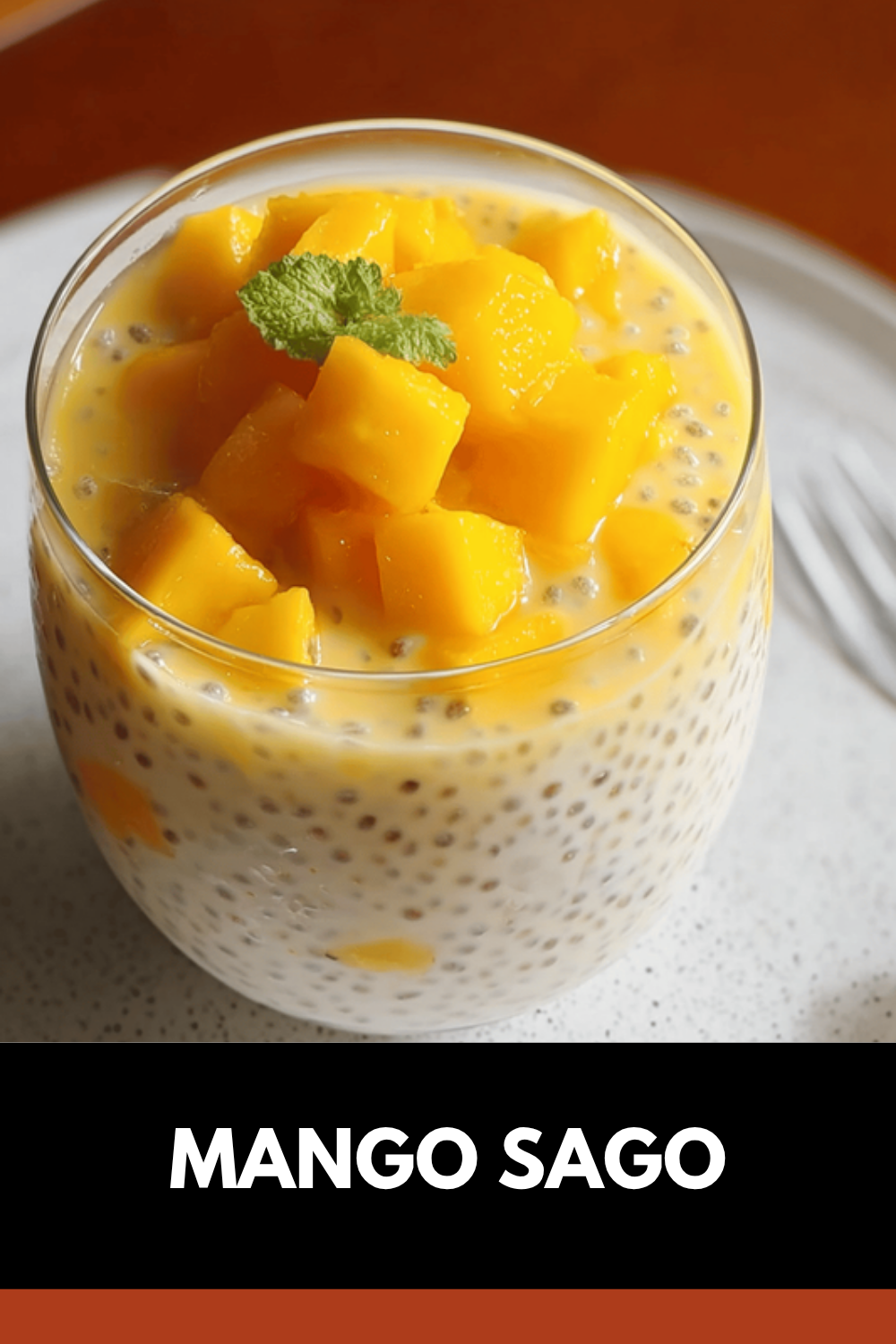
Mango Sago is that refreshing dessert that brings a taste of the tropics right to your kitchen, perfect for anyone from busy parents to food enthusiasts looking for something simple yet satisfying. With its creamy coconut base and bursts of fresh mango pieces, this recipe stands out for how easy it is to whip up on a whim. If you’re new to Mango Sago, think of it as a delightful mix of chewy pearls and juicy fruit that feels like a vacation in a bowl.
One reason you’ll adore this recipe is its ease of preparation, making it ideal for busy days when you crave something sweet without much effort. The steps are straightforward, requiring just a few minutes of active time before chilling, so even students or working professionals can enjoy it. Plus, the health benefits from fresh mangoes packed with vitamins and antioxidants make Mango Sago a nourishing choice for diet-conscious individuals.
Beyond that, the versatility lets you tweak it for different needs, whether you’re going vegan or keeping it gluten-free, all while keeping that distinctive flavor that combines tropical sweetness with a unique texture. This adaptability means seniors, newlyweds, or baking enthusiasts can make it their own, turning a basic recipe into a personalized treat. For more fruit-based ideas, check out our mango peach strawberry smoothie that pairs perfectly with this dessert.
Jump to:
- Why You’ll Love This Mango Sago
- Essential Ingredients for Mango Sago
- Main Ingredients
- Special Dietary Options
- How to Prepare the Perfect Mango Sago: Step-by-Step Guide
- Dietary Substitutions to Customize Your Mango Sago
- Protein and Main Component Alternatives
- Vegetable, Sauce, and Seasoning Modifications
- Mastering Mango Sago: Advanced Tips and Variations
- Pro Cooking Techniques
- Flavor Variations
- Presentation and Make-Ahead Options
- How to Store Mango Sago: Best Practices
- FAQs: Frequently Asked Questions About Mango Sago
- Common Questions and Answers
- Mango Sago
- Ingredients
- Instructions
- Last Step:
- Notes
- Nutrition
- Did you make this recipe?
Essential Ingredients for Mango Sago
Gathering the right ingredients is key to making a perfect Mango Sago, and this list pulls together everything you need for a creamy, tropical delight. We’ll focus on the precise measurements to ensure your dessert turns out just right every time. These items create the base of the recipe, blending textures and flavors that make Mango Sago so irresistible.
Main Ingredients
- 1/2 cup mini pearl tapioca (about 60g)
- 3 ripe mangos (about 1 kg)
- 200 ml coconut milk (1/2 of a 13.5 oz. can)
- 60 ml sweetened condensed milk (1/4 cup, or more to taste if you like it sweeter)
- 1/2 teaspoon vanilla extract
Special Dietary Options
For those with specific dietary needs, Mango Sago is easy to adjust. If you’re vegan, swap sweetened condensed milk with coconut cream or a plant-based alternative to keep the creaminess intact. It’s naturally gluten-free since all the ingredients avoid gluten, making it safe for anyone sensitive to it. For a low-calorie version, use less sweetened condensed milk and opt for a lighter coconut milk to cut down on sugars without losing the flavor.
To visualize how these ingredients come together, here’s a quick table showing their roles and possible swaps:
| Ingredient | Role in Recipe | Dietary Swap |
|---|---|---|
| 1/2 cup mini pearl tapioca | Provides chewy texture | None needed; naturally versatile |
| 3 ripe mangos | Adding sweetness and freshness; check out health benefits of mangoes for more on why they’re great | Use other ripe fruits like papaya |
| 200 ml coconut milk | Creates creamy base | Low-fat version for calories |
| 60 ml sweetened condensed milk | Boosts sweetness | Plant-based milk for vegan options |
| 1/2 teaspoon vanilla extract | Enhances flavor subtly | Omit or use natural extracts |
How to Prepare the Perfect Mango Sago: Step-by-Step Guide
Getting Mango Sago just right starts with simple steps that anyone can follow, turning basic ingredients into a creamy treat. This guide walks you through each part, making it fun and straightforward for home cooks of all levels. Whether you’re a student rushing through a meal prep or a busy parent, these instructions keep things light and easy.
- First, rinse and soak the 1/2 cup mini pearl tapioca in water for about 30 minutes to soften it up.
- Next, boil a pot of water and add the soaked tapioca. Cook on medium heat until the pearls turn translucent, which takes about 10-15 minutes, and stir occasionally to avoid sticking.
- Then, drain the cooked tapioca and rinse it under cold water to remove any extra starch. Set it aside for now.
- After that, peel and dice the 3 ripe mangos, saving some slices for a nice garnish later.
- In a bowl, mix 200 ml coconut milk, 60 ml sweetened condensed milk, and stir until everything blends smoothly.
- Add the cooked tapioca and diced mangos into the milk mixture, then gently fold it all together so the flavors combine well.
- Let the mixture chill in the fridge for at least 1 hour to make it even tastier.
- Finally, serve it in bowls with those reserved mango slices on top. If you’re adjusting for dietary needs, swap ingredients as mentioned earlier to fit your preferences.
This process not only creates a delicious Mango Sago but also lets you experiment, like adding extras for more zest. For similar no-cook ideas, explore our no-bake energy bites recipe for quick snacks.

Dietary Substitutions to Customize Your Mango Sago
Mango Sago is all about flexibility, letting you tweak it for your lifestyle without losing that creamy goodness. If you’re watching your diet or have allergies, these swaps keep the dessert enjoyable and accessible. From protein boosts to flavor twists, it’s easy to make this recipe your own.
Protein and Main Component Alternatives
- Swap the mini pearl tapioca with small tapioca balls for a similar chewy feel and easier availability.
- Add silken tofu or plant-based yogurt to bump up the protein while staying vegan-friendly.
Vegetable, Sauce, and Seasoning Modifications
- Trade the mangos for tropical fruits like papaya or pineapple to match what’s in season or your taste.
- Opt for flavored coconut milk or toss in a bit of vanilla extract to change up the profile remember, we already have 1/2 teaspoon in the ingredients.
- Use natural sweeteners like agave or maple syrup instead of sweetened condensed milk to cut sugar and suit dietary restrictions.
These changes ensure Mango Sago fits everyone, from travelers trying new flavors to seniors seeking lighter options. Experimenting here can lead to fun variations that keep things fresh and exciting.
Mastering Mango Sago: Advanced Tips and Variations
Once you’re comfortable with the basics of Mango Sago, diving into advanced tips can take your dessert to the next level. These ideas help refine your skills and add creative twists that impress food enthusiasts and baking lovers alike. Let’s break it down to make mastering this recipe even more rewarding.
Pro Cooking Techniques
To get those tapioca pearls just right, soak them thoroughly and stir often during boiling to keep them from clumping together.
Flavor Variations
- Add a touch of lime zest for a zesty kick that brightens the tropical notes.
- Sprinkle toasted coconut flakes on top for extra crunch and aroma.
Presentation and Make-Ahead Options
Serve in clear glass bowls to show off the layers of fruit and pearls, and garnish with fresh mint for a pop of color. You can prepare the base ahead and add fresh mangos right before serving to keep everything crisp and tasty.
How to Store Mango Sago: Best Practices
Keeping your Mango Sago fresh means knowing how to store it properly, so it stays delicious for as long as possible. Whether you’re meal prepping or have leftovers, these tips help maintain that perfect texture and flavor. It’s a simple process that ensures your dessert remains a go-to option.
- Refrigerate in an airtight container for up to 2 days to lock in freshness.
- Avoid freezing, as it can make the tapioca and mango go soft.
- Always serve it chilled, and give it a gentle stir if needed to mix things back up.
- For meal prep, make the base in advance and add fresh ingredients just before eating.
This approach works well for busy professionals who like to plan ahead, keeping Mango Sago as a reliable treat throughout the week.
FAQs: Frequently Asked Questions About Mango Sago
Mango Sago often sparks curiosity, especially for newcomers or those tweaking the recipe. Below, we cover common questions to help you enjoy this dessert with confidence. These answers draw from popular queries and provide clear, helpful advice.
Mango Sago is more than just a sweet treat it’s a way to bring tropical vibes into your routine.
Common Questions and Answers
- What is Mango Sago dessert and where does it come from? Mango Sago is a popular Asian dessert featuring juicy mango pieces mixed with mini tapioca pearls cooked in coconut milk and sweetened condensed milk. It has a creamy texture and sweet tropical flavor, often enjoyed chilled on hot days. This dessert originated in Hong Kong and is widely loved across Southeast Asia for its refreshing taste and simple preparation.
- Can I make Mango Sago without dairy products? Yes, Mango Sago can be made vegan or dairy-free by substituting sweetened condensed milk with plant-based alternatives like coconut cream mixed with sugar, agave syrup, or simple syrup. Using coconut milk instead of cow’s milk maintains the creamy texture and tropical flavor, making it a great option for those with lactose intolerance or vegan preferences.
- How do I tell when the tapioca pearls are cooked perfectly for Mango Sago? Tapioca pearls are fully cooked when they turn completely transparent without any opaque white center. Typically, small pearl tapioca needs to boil for about 20 minutes, then sit covered off the heat for an additional 10 minutes. If pearls remain white inside, extend cooking time or let them soak longer in hot water until they become translucent and chewy.
- What are the best mangoes to use for making Mango Sago? Choose ripe, sweet mango varieties like Ataulfo, Alphonso, or Keitt for the best flavor and texture. These mangoes have creamy flesh that complements the dessert well. Avoid underripe or fibrous mangoes, which can affect the smoothness and sweetness of your Mango Sago. For more on this, visit how to cook tapioca pearls for related tips.
- Can Mango Sago be prepared ahead and stored? Yes, Mango Sago can be made a few hours in advance and stored in the refrigerator. It’s best to refrigerate it in an airtight container to keep it fresh. Note that tapioca pearls may thicken as they sit, so add extra coconut milk or chilled water before serving to adjust the consistency. For optimal taste, consume within 24 hours.
Mango Sago
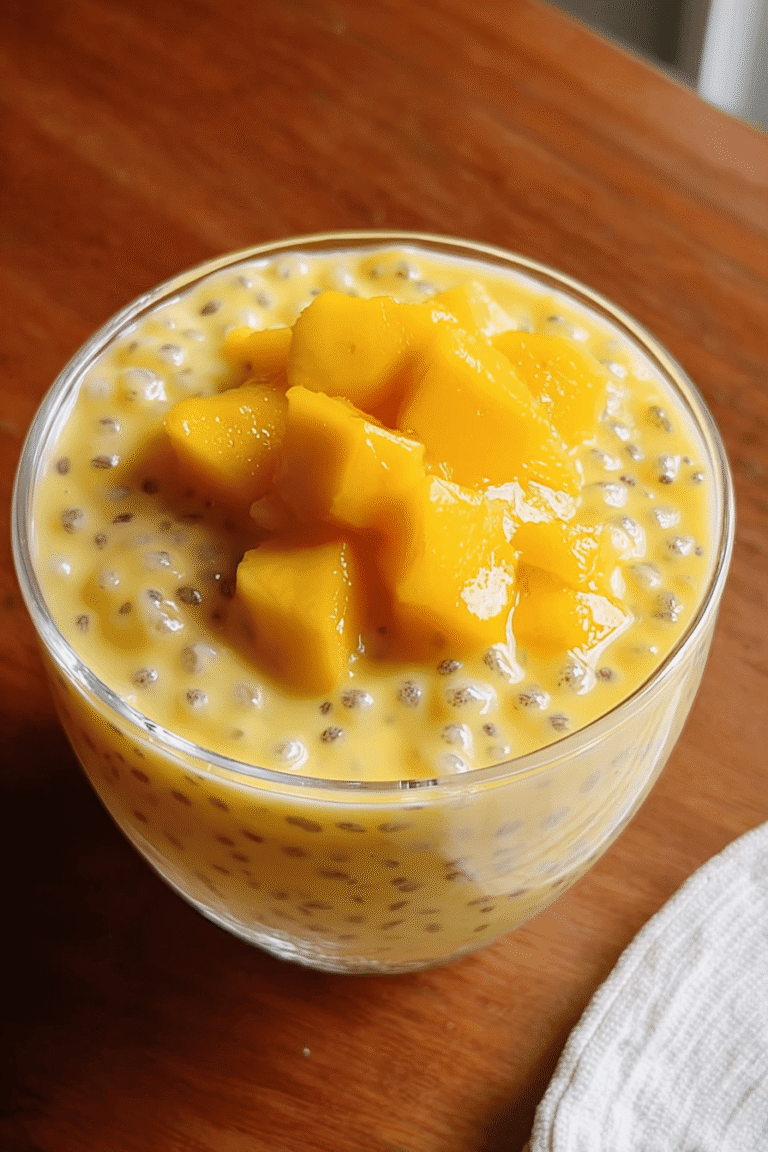
🥭 Enjoy the tropical delight of Mango Sago, a creamy dessert blending soft tapioca pearls with fresh mango pieces.
🥥 This refreshing treat combines coconut milk and sweetened condensed milk for a rich, luscious flavor perfect for warm weather.
- Total Time: 1 hour 30 minutes
- Yield: 4 servings
Ingredients
– 1/2 cup mini pearl tapioca provides chewy texture
– 3 ripe mangos adding sweetness and freshness
– 200 ml coconut milk creates creamy base
– 60 ml sweetened condensed milk boosts sweetness
– 1/2 teaspoon vanilla extract enhances flavor subtly
Instructions
1-First, rinse and soak the 1/2 cup mini pearl tapioca in water for about 30 minutes to soften it up.
2-Next, boil a pot of water and add the soaked tapioca. Cook on medium heat until the pearls turn translucent, which takes about 10-15 minutes, and stir occasionally to avoid sticking.
3-Then, drain the cooked tapioca and rinse it under cold water to remove any extra starch. Set it aside for now.
4-After that, peel and dice the 3 ripe mangos, saving some slices for a nice garnish later.
5-In a bowl, mix 200 ml coconut milk, 60 ml sweetened condensed milk, and stir until everything blends smoothly.
6-Add the cooked tapioca and diced mangos into the milk mixture, then gently fold it all together so the flavors combine well.
7-Let the mixture chill in the fridge for at least 1 hour to make it even tastier.
8-Finally, serve it in bowls with those reserved mango slices on top. If you’re adjusting for dietary needs, swap ingredients as mentioned earlier to fit your preferences.
Last Step:
Please leave a rating and comment letting us know how you liked this recipe! This helps our business to thrive and continue providing free, high-quality recipes for you.Notes
🍧 Use ripe, sweet mangos for the best flavor and natural sweetness.
🥄 Stir the tapioca pearls occasionally while cooking to prevent clumping.
❄️ Chill the dessert well before serving to enhance the creamy texture and refreshing taste.
- Prep Time: 10 minutes
- Chilling Time: 1 hour
- Cook Time: 20 minutes
- Category: Dessert
- Method: Boiling, Mixing, Chilling
- Cuisine: Asian
- Diet: Vegetarian
Nutrition
- Serving Size: 1 serving
- Calories: 250
- Sugar: 20 grams
- Sodium: 30 milligrams
- Fat: 7 grams
- Saturated Fat: 6 grams
- Unsaturated Fat: 1 gram
- Trans Fat: 0 grams
- Carbohydrates: 40 grams
- Fiber: 3 grams
- Protein: 2 grams
- Cholesterol: 0 milligrams