
Why You’ll Love This Mashed Potato Casserole
There’s something undeniably comforting about a warm, cheesy bowl of mashed potatoes fresh from the oven. This mashed potato casserole takes everything you already love about classic mashed potatoes and turns it into a show-stopping side dish that works for weeknight dinners and holiday gatherings alike.
- Ease of preparation: This recipe comes together in about an hour, with most of that time being hands-off while the potatoes boil and the casserole bakes. The steps are straightforward enough for beginners, yet the results taste like you spent all day in the kitchen.
- Nutritional benefits: Potatoes often get a bad reputation, but they’re packed with vitamin C, potassium, and fiber. According to health experts, potatoes provide essential nutrients while being naturally fat-free and gluten-free. Each serving delivers 11 grams of protein and 3 grams of fiber, making this casserole more filling than your average side dish.
- Versatility: Whether you’re serving this alongside roast chicken, grilled steak, or a simple weeknight meatloaf, this mashed potato casserole fits the bill. It adapts easily to different dietary needs and can be made ahead for stress-free entertaining.
- Distinctive flavor: The combination of creamy mashed potatoes, tangy sour cream, melty mozzarella, sharp cheddar, and crispy bacon creates layers of flavor that go far beyond ordinary mashed potatoes. That golden, bubbly cheese topping with scattered bacon bits? Pure comfort food magic.
Jump to:
- Why You’ll Love This Mashed Potato Casserole
- Essential Ingredients for Mashed Potato Casserole
- Main Ingredients
- Special Dietary Options
- How to Prepare the Perfect Mashed Potato Casserole: Step-by-Step Guide
- First Step: Crisp the Bacon
- Second Step: Prepare the Potatoes
- Third Step: Drain and Steam
- Fourth Step: Mash and Season
- Fifth Step: Prepare for Baking
- Sixth Step: Add the Toppings
- Final Step: Bake and Serve
- Dietary Substitutions to Customize Your Mashed Potato Casserole
- Protein and Main Component Alternatives
- Vegetable, Sauce, and Seasoning Modifications
- Mastering Mashed Potato Casserole: Advanced Tips and Variations
- Pro Cooking Techniques
- Flavor Variations
- Presentation Tips
- Make-Ahead Options
- How to Store Mashed Potato Casserole: Best Practices
- Refrigeration Guidelines
- Freezing Options
- Reheating Best Practices
- FAQs: Frequently Asked Questions About Mashed Potato Casserole
- What potatoes are best for mashed potato casserole?
- How do you make mashed potato casserole ahead of time?
- How do you reheat mashed potato casserole?
- What cheese and bacon should I use for mashed potato casserole?
- Can mashed potato casserole be frozen?
- Mashed Potato Casserole
- Ingredients
- Instructions
- Last Step:
- Notes
- Nutrition
- Did you make this recipe?
Essential Ingredients for Mashed Potato Casserole
Every great dish starts with quality ingredients. Here’s everything you’ll need to create this crowd-pleasing side dish:
Main Ingredients
- 1.75 kg (3.5 lb) potatoes suitable for mashing – Starchy or all-purpose varieties like Russet, Sebago, or Maris Piper create the fluffiest texture. These potatoes break down smoothly and absorb butter and milk beautifully.
- 1 tablespoon cooking/kosher salt for boiling potatoes – Seasoning the cooking water ensures potatoes are flavored from the inside out.
- 2/3 cup milk (preferably whole milk, lite acceptable) – Whole milk creates the creamiest results, but lite milk works for a lighter version.
- Additional 2/3 cup milk for make-ahead option – Extra milk compensates for the mash firming up during refrigeration.
- 75 grams (5 tablespoons) unsalted butter, cut into cubes – Butter adds richness and helps create that silky texture everyone loves.
- 1/2 cup sour cream or full-fat yogurt – Adds a pleasant tang that balances the richness of the cheese and bacon.
- 1 teaspoon cooking/kosher salt or to taste – Final seasoning brings all the flavors together.
- 1 1/2 cups tightly packed freshly shredded mozzarella cheese – Mozzarella delivers that irresistible stretchy melt.
- 1 cup tightly packed shredded Red Leicester, cheddar, or other flavored cheese – Adds bold flavor and a beautiful golden color.
- 200 grams (6 ounces) streaky bacon, chopped – Streaky bacon renders its own fat for cooking and adds smoky, salty crunch.
- 1/4 cup finely sliced green onion – Fresh onion adds color and a mild bite as a finishing touch.
Special Dietary Options
- Vegan adaptation: Substitute plant-based butter, dairy-free milk, vegan sour cream, dairy-free cheese shreds, and tempeh bacon or coconut bacon.
- Gluten-free: This recipe is naturally gluten-free when made with gluten-free bacon.
- Lower-calorie option: Use lite milk, reduced-fat cheese, turkey bacon, and Greek yogurt instead of sour cream.
How to Prepare the Perfect Mashed Potato Casserole: Step-by-Step Guide
Creating the ultimate mashed potato casserole requires attention to detail, but the process is simple when broken down into manageable steps. Follow this guide for creamy, cheesy perfection every time.
First Step: Crisp the Bacon
Start by cooking your bacon properly. Place chopped streaky bacon in a cold non-stick pan over medium heat. The key here is starting cold this allows the fat to render slowly, resulting in evenly crispy bacon without burning. No additional oil is needed since streaky bacon has enough fat content to cook in its own rendered fat. Cook until golden and crispy, about 8-10 minutes, stirring occasionally. Transfer the cooked bacon to paper towels to drain excess grease and cool completely before handling.
Second Step: Prepare the Potatoes
While the bacon cooks, peel your potatoes and cut them into even 3 cm (about 1-inch) chunks. Keeping pieces uniform ensures they cook at the same rate. Place the cut potatoes in a large pot and cover with cold water, about 10 cm above the potatoes. Starting with cold water is crucial adding potatoes to already boiling water causes the outside to overcook before the inside becomes tender.
Add a tablespoon of cooking salt to the water. This seasons the potatoes throughout rather than just on the surface. Bring to a boil over high heat, then reduce to a rapid simmer for approximately 15 minutes or until the potatoes are very soft. Test doneness by inserting a knife or fork it should slide in with zero resistance.
Third Step: Drain and Steam
Once tender, drain the potatoes thoroughly in a colander. Return them to the still-warm pot and let them steam for 1 minute while gently shaking the pot occasionally. This step might seem small, but it’s essential for fluffy mash. Steaming evaporates surface moisture that would otherwise make your mashed potatoes gummy and watery.
Pro tip: Never skip the steaming step! That extra minute of steaming can mean the difference between light, fluffy potatoes and dense, gluey mash.
Fourth Step: Mash and Season
Now for the satisfying part. Add the milk (including the extra 2/3 cup if making ahead), cubed butter, sour cream, and teaspoon of salt to the pot. Using a disc-style potato masher, work through the potatoes until smooth. Mash in a gentle pressing motion rather than vigorous stirring overworking releases excess starch that turns potatoes sticky.
Important: Resist the urge to use a food processor or blender. These appliances overwork the starches and create a gluey, paste-like texture that no amount of butter can fix. A hand masher or potato ricer gives you control and maintains that perfect, fluffy consistency.
Fifth Step: Prepare for Baking
If making ahead, allow the mash to cool completely, cover tightly, and refrigerate for up to 3 days. When ready to bake, preheat your oven to 200°C (400°F), or 180°C for fan-forced ovens.
Transfer the mashed potatoes to a 2-liter (2 quart) baking dish. Spread evenly and smooth the surface with a spatula. An even surface helps the cheese melt uniformly across the top.
Sixth Step: Add the Toppings
Sprinkle the shredded mozzarella and cheddar (or Red Leicester) evenly across the surface. Follow with the cooled, crispy bacon pieces, distributing them so every bite gets some of that smoky goodness. The cheese and bacon layer serves a dual purpose: it adds incredible flavor while sealing in moisture during baking.
Final Step: Bake and Serve
Cover the dish loosely with aluminum foil this prevents the cheese from over-browning before the center heats through. Bake for 20 minutes if freshly made, or 35 minutes if reheating a refrigerated casserole. Then remove the foil and bake for another 10 minutes until the cheese is bubbling and golden in spots.
Remove from the oven and sprinkle with the finely sliced green onion. Let it rest for 5 minutes before serving. This brief rest makes serving easier and allows the flavors to settle. If you’re looking for more inspiration, check out these creative mashed potato variations from other home cooks.

Dietary Substitutions to Customize Your Mashed Potato Casserole
One of the best things about this recipe is how easily it adapts to different dietary needs and preferences. Whether you’re cooking for vegetarians, those avoiding gluten, or family members watching their calorie intake, there’s a modification that works.
Protein and Main Component Alternatives
For vegetarians or those avoiding pork, several tasty alternatives replace the bacon. Turkey bacon works well, though you’ll need to add a splash of oil for cooking since it’s leaner. For vegetarians, try crispy fried onions, sun-dried tomatoes, or even sautéed mushrooms for that savory umami element. Coconut bacon, made from toasted coconut flakes with soy sauce and smoked paprika, offers a smoky crunch without any meat.
If you’re looking to boost the protein content, consider folding in some cottage cheese along with the sour cream. This adds protein while keeping the creamy texture intact. You could also top the finished casserole with a fried egg for a hearty brunch dish.
Vegetable, Sauce, and Seasoning Modifications
Feel free to customize the flavor profile to match your meal. Roasted garlic adds depth simply roast a whole head, squeeze out the soft cloves, and mash them into the potatoes. Fresh herbs like chives, parsley, or dill make lovely alternatives to green onion, or add them alongside for extra freshness.
| Modification | How to Use | Best For |
|---|---|---|
| Roasted garlic | Add 4-6 roasted cloves when mashing | Garlic lovers, enhanced depth |
| Herb variations | Stir in fresh chives, rosemary, or thyme | Seasonal adaptations |
| Sweet potato swap | Replace half the potatoes with sweet potatoes | Added nutrients, color contrast |
| Cauliflower blend | Substitute 1/3 of potatoes with steamed cauliflower | Lower carbs, hidden vegetables |
| Spicy kick | Add diced jalapeños or hot sauce to the mash | Those who like heat |
For a lighter version, Greek yogurt substitutes beautifully for sour cream while adding extra protein. Reduced-fat cheese works, though it won’t melt quite as smoothly shredding your own low-fat block cheese rather than pre-shredded versions improves the melt quality.
Mastering Mashed Potato Casserole: Advanced Tips and Variations
Once you’ve mastered the basic recipe, these advanced techniques will take your mashed potato casserole from good to unforgettable.
Pro Cooking Techniques
Temperature matters more than you might think. Cold milk straight from the refrigerator can cause the butter to seize slightly, resulting in a less smooth texture. Let your milk and butter come to room temperature before adding them to the hot potatoes. Similarly, warming the milk slightly in the microwave (just until lukewarm) helps it incorporate more smoothly.
The potato variety you choose significantly impacts texture. Russets and other floury potatoes create the fluffiest mash because their high starch content breaks down easily. Waxy potatoes like reds or new potatoes contain more moisture and less starch, resulting in a denser, potentially grainy mash. For the absolute best results, stick with starchy varieties specifically recommended for mashing.
Flavor Variations
- Loaded baked potato style: Add crumbled cooked bacon directly into the mash along with shredded cheddar and chopped chives before baking.
- Ranch flavor: Mix a packet of dry ranch seasoning into the mash for an herby, tangy twist that pairs wonderfully with chicken.
- French onion: Caramelize two onions slowly, then fold them into the mash and top with Swiss cheese for a French onion soup vibe.
- Buffalo chicken: Stir in buffalo sauce and blue cheese crumbles, then top with shredded chicken for a game-day favorite.
Presentation Tips
For a dinner party or holiday meal, transfer the mash to a decorative baking dish rather than a standard casserole pan. Create texture on the surface using a fork before adding toppings this creates nooks and crannies where the cheese pools into delicious pockets. A sprinkle of fresh parsley or chives right before serving adds a pop of color that photographs beautifully. Speaking of sweet endings, if you enjoyed making this comforting casserole, you might also love our banana bundt cake for dessert.
Make-Ahead Options
This dish shines as a make-ahead option for busy hosts. You have two approaches: make the complete casserole up to 3 days ahead and refrigerate, or prepare just the mashed potato base and add toppings before baking. The cheese and bacon layer actually helps retain moisture, so reheated casserole tastes just as good as freshly made.
For holiday entertaining, this timing works perfectly:
- Up to 3 days before: Prepare and refrigerate the assembled casserole
- Day of serving: Remove from refrigerator 2 hours before baking
- 45 minutes before serving: Bake as directed
How to Store Mashed Potato Casserole: Best Practices
Proper storage keeps your leftover mashed potato casserole tasting fresh and delicious. Here’s everything you need to know about storing this dish safely.
Refrigeration Guidelines
Cool leftover casserole completely before covering and refrigerating placing hot food directly in the fridge can raise the temperature of other foods and create food safety issues. Once cooled, cover tightly with plastic wrap or aluminum foil, or transfer to an airtight container. Properly stored, leftovers keep for 3-4 days in the refrigerator.
Freezing Options
For longer storage, this casserole freezes surprisingly well. Assemble the dish completely (excluding the green onions) in a freezer-safe container or wrap tightly in plastic and aluminum foil. Freeze for up to 1 month. The cheese and bacon layer helps maintain moisture during freezing and reheating.
To thaw, transfer the frozen casserole to the refrigerator overnight. Then let it sit at room temperature for 2 hours before baking. Bake covered at 400°F for 35 minutes, then uncovered for 10 minutes, just like a refrigerated make-ahead version.
Reheating Best Practices
The oven method produces the best results, maintaining the creamy texture and crispy topping. Microwave reheating often creates uneven hot spots and can make the potatoes watery. For individual portions, reheat in the microwave at 50% power in 30-second intervals, stirring between each interval until heated through.
Storage tip: Leftover mashed potato casserole can be repurposed into potato cakes form cold mash into patties, coat in breadcrumbs, and pan-fry until golden. A creative way to use leftovers that your family will love!
FAQs: Frequently Asked Questions About Mashed Potato Casserole
What potatoes are best for mashed potato casserole?
How do you make mashed potato casserole ahead of time?
How do you reheat mashed potato casserole?
What cheese and bacon should I use for mashed potato casserole?
Can mashed potato casserole be frozen?
Mashed Potato Casserole
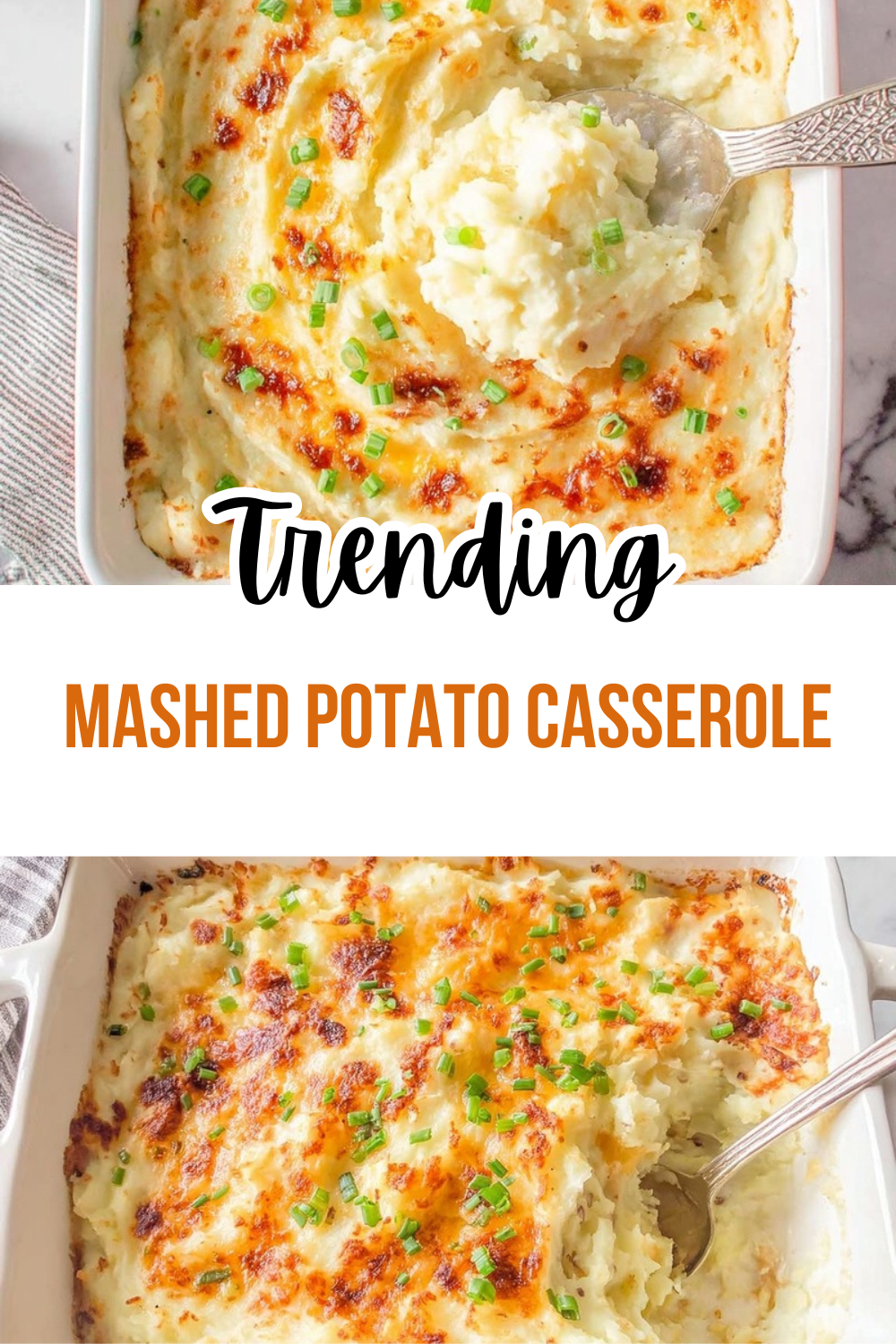
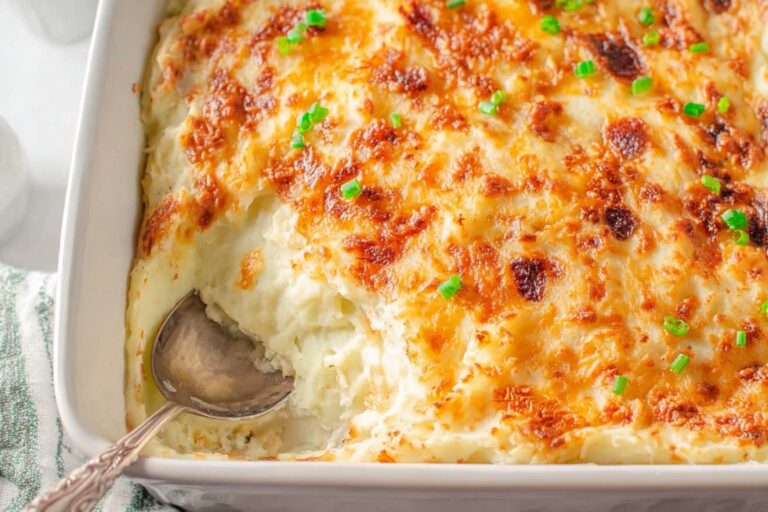
🥔 Ultimate comfort food: creamy mashed potato casserole topped with melty cheese and crispy bacon!
🍲 Make-ahead magic for stress-free holiday meals or weeknight dinners!
- Total Time: 55 minutes
- Yield: 12 servings
Ingredients
– 1.75 kg (3.5 lb) potatoes suitable for mashing
– 1 tablespoon cooking/kosher salt for boiling potatoes
– 2/3 cup milk (preferably whole milk, lite acceptable)
– Additional 2/3 cup milk for make-ahead option
– 75 grams (5 tablespoons) unsalted butter, cut into cubes
– 1/2 cup sour cream or full-fat yogurt
– 1 teaspoon cooking/kosher salt or to taste
– 1 1/2 cups tightly packed freshly shredded mozzarella cheese
– 1 cup tightly packed shredded Red Leicester, cheddar, or other flavored cheese
– 200 grams (6 ounces) streaky bacon, chopped
– 1/4 cup finely sliced green onion
Instructions
1-First Step: Crisp the Bacon Start by cooking your bacon properly. Place chopped streaky bacon in a cold non-stick pan over medium heat. The key here is starting cold this allows the fat to render slowly, resulting in evenly crispy bacon without burning. No additional oil is needed since streaky bacon has enough fat content to cook in its own rendered fat. Cook until golden and crispy, about 8-10 minutes, stirring occasionally. Transfer the cooked bacon to paper towels to drain excess grease and cool completely before handling.
2-Second Step: Prepare the Potatoes While the bacon cooks, peel your potatoes and cut them into even 3 cm (about 1-inch) chunks. Keeping pieces uniform ensures they cook at the same rate. Place the cut potatoes in a large pot and cover with cold water, about 10 cm above the potatoes. Starting with cold water is crucial adding potatoes to already boiling water causes the outside to overcook before the inside becomes tender. Add a tablespoon of cooking salt to the water. This seasons the potatoes throughout rather than just on the surface. Bring to a boil over high heat, then reduce to a rapid simmer for approximately 15 minutes or until the potatoes are very soft. Test doneness by inserting a knife or fork it should slide in with zero resistance.
3-Third Step: Drain and Steam Once tender, drain the potatoes thoroughly in a colander. Return them to the still-warm pot and let them steam for 1 minute while gently shaking the pot occasionally. This step might seem small, but it’s essential for fluffy mash. Steaming evaporates surface moisture that would otherwise make your mashed potatoes gummy and watery.
4-Fourth Step: Mash and Season Now for the satisfying part. Add the milk (including the extra 2/3 cup if making ahead), cubed butter, sour cream, and teaspoon of salt to the pot. Using a disc-style potato masher, work through the potatoes until smooth. Mash in a gentle pressing motion rather than vigorous stirring overworking releases excess starch that turns potatoes sticky. Important: Resist the urge to use a food processor or blender. These appliances overwork the starches and create a gluey, paste-like texture that no amount of butter can fix. A hand masher or potato ricer gives you control and maintains that perfect, fluffy consistency.
5-Fifth Step: Prepare for Baking If making ahead, allow the mash to cool completely, cover tightly, and refrigerate for up to 3 days. When ready to bake, preheat your oven to 200°C (400°F), or 180°C for fan-forced ovens. Transfer the mashed potatoes to a 2-liter (2 quart) baking dish. Spread evenly and smooth the surface with a spatula. An even surface helps the cheese melt uniformly across the top.
6-Sixth Step: Add the Toppings Sprinkle the shredded mozzarella and cheddar (or Red Leicester) evenly across the surface. Follow with the cooled, crispy bacon pieces, distributing them so every bite gets some of that smoky goodness. The cheese and bacon layer serves a dual purpose: it adds incredible flavor while sealing in moisture during baking.
7-Final Step: Bake and Serve Cover the dish loosely with aluminum foil this prevents the cheese from over-browning before the center heats through. Bake for 20 minutes if freshly made, or 35 minutes if reheating a refrigerated casserole. Then remove the foil and bake for another 10 minutes until the cheese is bubbling and golden in spots. Remove from the oven and sprinkle with the finely sliced green onion. Let it rest for 5 minutes before serving. This brief rest makes serving easier and allows the flavors to settle. If you’re looking for more inspiration, check out these creative mashed potato variations from other home cooks.
Last Step:
Please leave a rating and comment letting us know how you liked this recipe! This helps our business to thrive and continue providing free, high-quality recipes for you.Notes
🥔 Use starchy or all-purpose potatoes for the fluffiest, creamiest mash.
🧀 Always shred your own cheese for superior melting without anti-caking agents.
⏰ Add extra milk only for make-ahead to keep it creamy after refrigeration.
- Prep Time: 25 minutes
- Cook Time: 30 minutes
- Category: Side Dish
- Method: Baking
- Cuisine: American
Nutrition
- Serving Size: 1 serving
- Calories: 333 kcal
- Sugar: 3 g
- Sodium: 1057 mg
- Fat: 21 g
- Saturated Fat: 11 g
- Unsaturated Fat: 10 g
- Trans Fat: 0 g
- Carbohydrates: 26 g
- Fiber: 3 g
- Protein: 11 g
- Cholesterol: 54 mg