Why You’ll Love This Matcha Donuts
If you’re a fan of unique flavors and simple baking, these matcha donuts will quickly become a favorite in your kitchen. This recipe brings the elegant taste of Japanese green tea into your home in the form of soft, moist baked donuts that are surprisingly easy to make.
- Ease of preparation: One of the best aspects of these baked matcha donuts is how straightforward they are to create. Unlike traditional fried donuts that require hot oil and careful timing, these beauties bake in the oven in just 10-12 minutes. The simple batter comes together in minutes, and with just one bowl needed for preparation, cleanup is a breeze. Even if you’re new to baking, you’ll find the process manageable and rewarding.
- Health benefits: Matcha is more than just a pretty green powder; it’s packed with antioxidants and offers a gentle caffeine boost without the jitters associated with coffee. These donuts are baked rather than fried, significantly reducing their fat content compared to traditional donuts. Additionally, by controlling the sugar amount, you can create a treat that fits into a balanced lifestyle. According to health experts, regular consumption of matcha may support heart health and improve mental clarity.
- Versatility: This recipe adapts beautifully to various dietary needs without sacrificing flavor or texture. Whether you need to accommodate gluten sensitivities, dairy restrictions, or are looking for vegan options, simple substitutions can transform this recipe to suit your requirements. The base recipe is flexible enough to become whatever you need it to be while maintaining that distinctive matcha flavor everyone loves.
- Distinctive flavor: The earthy, slightly bitter notes of matcha balanced with the sweetness of the donut create a sophisticated flavor profile that stands out from typical desserts. The bright green color makes these donuts visually striking, perfect for special occasions or simply to brighten an ordinary day. This unique combination of subtle complexity and approachable sweetness makes these matcha donuts a conversation starter at any gathering.
Jump to:
- Why You’ll Love This Matcha Donuts
- Essential Ingredients for Matcha Donuts
- Main Ingredients
- For the Matcha Glaze
- Special Dietary Options
- How to Prepare the Perfect Matcha Donuts: Step-by-Step Guide
- First Step: Preparation and Preheating
- Second Step: Mixing Dry Ingredients
- Third Step: Creating the Wet Mixture
- Fourth Step: Combining Wet and Dry Ingredients
- Fifth Step: Filling the Donut Pan
- Sixth Step: Baking to Perfection
- Seventh Step: Cooling and Removing
- Final Step: Glazing and Serving
- Dietary Substitutions to Customize Your Matcha Donuts
- Protein and Main Component Alternatives
- Vegetable, Sauce, and Seasoning Modifications
- Mastering Matcha Donuts: Advanced Tips and Variations
- Pro Cooking Techniques
- Flavor Variations
- Presentation Tips
- Make-Ahead Options
- How to Store Matcha Donuts: Best Practices
- Refrigeration
- Freezing
- Reheating
- Meal Prep Considerations
- FAQs: Frequently Asked Questions About Matcha Donuts
- Matcha Donuts
- Ingredients
- Instructions
- Last Step:
- Notes
- Nutrition
- Did you make this recipe?
Essential Ingredients for Matcha Donuts
Creating the perfect matcha baked doughnuts requires a careful selection of quality ingredients. Each component plays a specific role in achieving the ideal texture and flavor that makes this recipe so special.
Main Ingredients
- 1 ½ cups all-purpose flour – The foundation of our donuts, providing structure and texture.
- ½ cup granulated sugar – Adds sweetness and helps create a tender crumb.
- 1 ½ teaspoons baking powder – Essential for the rise, creating the fluffy, cake-like texture.
- ¼ teaspoon salt – Enhances the overall flavor and balances the sweetness.
- 1 tablespoon matcha powder – The star ingredient that provides the distinctive green tea flavor and vibrant color.
- ½ cup milk – Adds moisture and helps bind the ingredients together.
- 1 large egg – Provides structure and richness to the batter.
- 4 tablespoons unsalted butter, melted – Creates a moist, tender crumb and adds richness.
- 1 teaspoon vanilla extract – Enhances the overall flavor profile and adds depth.
For the Matcha Glaze
- 1 cup powdered sugar – Creates a smooth, sweet coating that complements the earthy matcha flavor.
- 1 tablespoon milk – Adjusts the consistency of the glaze for perfect dipping.
- 1 teaspoon matcha powder – Adds additional green tea flavor and the signature green color to the glaze.
- ½ teaspoon vanilla extract – Rounds out the glaze’s flavor.
Pro Tip: For the most vibrant green color, use ceremonial grade matcha rather than culinary grade. The higher quality powder makes a noticeable difference in both appearance and taste!
Special Dietary Options
| Dietary Need | Substitutions |
|---|---|
| Vegan | Replace egg with flax egg (1 tablespoon ground flaxseed + 3 tablespoons water), use plant-based milk, and substitute melted butter with coconut oil or vegan butter. |
| Gluten-free | Substitute all-purpose flour with a high-quality 1:1 gluten-free flour blend that includes xanthan gum. |
| Low-calorie | Replace half of the sugar with natural sweetener like stevia, use fat-free milk, and reduce butter by half while adding Greek yogurt to maintain moisture. |
How to Prepare the Perfect Matcha Donuts: Step-by-Step Guide
First Step: Preparation and Preheating
Begin by preheating your oven to 350°F (175°C) to ensure it reaches the optimal temperature for baking. Lightly grease a donut pan with cooking spray or a small amount of butter, ensuring you coat each cavity thoroughly to prevent sticking. If you don’t have a donut pan, you can use a muffin tin, though the shape will be different. In a small bowl, combine the flaxseed meal and water if you’re making a vegan version, and let it sit for 5 minutes until thickened. Gather all your ingredients to have everything ready, as this recipe moves quickly once started. This approach is similar to the preparation for our mini muffin pancake bites, which also benefit from having ingredients ready before mixing.
Second Step: Mixing Dry Ingredients
In a large mixing bowl, whisk together the flour, sugar, baking powder, salt, and matcha powder until well combined. This step is crucial for evenly distributing the leavening agents and ensuring the matcha color is uniform throughout the donuts. The vibrant green color should be evenly speckled throughout the flour mixture. Take your time with this step to prevent any clumps of baking powder or matcha, which could affect the final texture and appearance of your baked matcha donuts. Sifting these ingredients together can help achieve an even more uniform mixture, especially if your flour or matcha powder has any clumps.
Third Step: Creating the Wet Mixture
In a separate medium bowl, beat the egg (or add your prepared flax egg) until slightly frothy. Add the milk, melted butter, and vanilla extract, whisking until the mixture is smooth and well combined. The wet ingredients should be at room temperature to help them incorporate better with the dry ingredients. If your butter has solidified slightly, gently warm the mixture in the microwave for just 10 seconds. This step creates the liquid foundation that will hydrate the flour mixture and create the batter. The smooth consistency of your wet ingredients is key to achieving uniform donuts with an even crumb structure.
Fourth Step: Combining Wet and Dry Ingredients
Make a well in the center of your dry ingredients and pour in the wet mixture. Using a spatula or wooden spoon, gently fold the ingredients together, being careful not to overmix. The batter should just be combined with small lumps remaining, which is preferable to overmixing that can result in tough donuts. Overmixing develops gluten, which creates a chewy texture rather than the tender crumb we’re seeking. The batter will be thick but pourable, similar to a muffin batter. Stop mixing as soon as you no longer see dry streaks of flour, even if small lumps remain in the batter.
Fifth Step: Filling the Donut Pan
Transfer the batter to a piping bag or a large Ziploc bag with one corner snipped off. This method gives you the most control when filling the donut cavities. Alternatively, you can carefully spoon the batter into each cavity, filling them about three-quarters full. If you’re new to making donuts, slightly underfill rather than overfill, as the batter will expand during baking. For best results, fill each cavity evenly to ensure uniform baking. The batter should create a ring around the center post of the donut pan without connecting to the neighboring donut. If using a spoon, use a small offset spatula or the back of the spoon to smooth the tops for an even appearance.
Sixth Step: Baking to Perfection
Place the filled donut pan in the preheated oven and bake for 10-12 minutes, or until the tops spring back when lightly touched. The edges should be just beginning to turn golden, though the centers will remain a beautiful green hue. Avoid opening the oven door during the first 8 minutes of baking, as this can cause the donuts to collapse. Every oven is different, so start checking at the 10-minute mark. A toothpick inserted into the thickest part of a donut should come out clean or with just a few moist crumbs. The visual cues combined with the toothpick test will ensure perfectly baked donuts every time.
Seventh Step: Cooling and Removing
Allow the donuts to cool in the pan for about 5 minutes before attempting to remove them. This brief cooling period helps them set and makes removal easier without breaking. Gently loosen the edges with a thin spatula or butter knife, then carefully invert the pan or pop each donut out. Place them on a wire rack to cool completely before glazing. If you glaze warm donuts, the glaze will melt right off, so patience during this step is essential. While waiting for the donuts to cool, you can prepare the matcha glaze. The wire rack allows air to circulate around the donuts, preventing them from becoming soggy as they cool.
Final Step: Glazing and Serving
For the glaze, whisk together the powdered sugar, milk, matcha powder, and vanilla extract until smooth. The consistency should be thick enough to coat the donut but thin enough to pour easily. Adjust with more milk or powdered sugar as needed. Hold each donut by its edges and dip the top into the glaze, allowing any excess to drip off. Place the glazed donuts back on the wire rack set over a piece of parchment paper to catch drips. Let the glaze set for about 15-20 minutes before serving. For an extra touch, sprinkle with additional matcha powder or white sesame seeds while the glaze is still slightly tacky. The contrast between the vibrant green glaze and the lighter donut creates a beautiful presentation that will impress everyone.

Dietary Substitutions to Customize Your Matcha Donuts
Protein and Main Component Alternatives
For those looking to increase the protein content or accommodate different dietary preferences, several substitutions work well in this matcha donut recipe. Greek yogurt can replace half of the butter, reducing fat content while adding moisture and protein. Simply use 2 tablespoons of melted butter and 2 tablespoons of plain Greek yogurt. Alternatively, silken tofu blended with the wet ingredients creates a vegan option that provides protein and maintains a tender crumb. For egg allergies, commercial egg replacers work effectively, or you can use 3 tablespoons of aquafaba (the liquid from canned chickpeas) whipped until frothy.
For those avoiding wheat flour, a combination of almond flour and coconut flour can create a delicious low-carb version. Use 1 cup of almond flour mixed with 2 tablespoons of coconut flour, but note that you may need to increase the liquid slightly as coconut flour is highly absorbent. Oat flour makes an excellent whole grain substitution that adds fiber and a subtle nutty flavor that pairs beautifully with matcha. When using alternative flours, you might need to experiment with the ratios as different flours absorb moisture differently.
Vegetable, Sauce, and Seasoning Modifications
The versatility of these green tea donuts allows for numerous flavor adaptations beyond the classic version. For a citrusy twist, add 1 teaspoon of lemon or orange zest to the batter, which brightens the matcha flavor beautifully. A teaspoon of poppy seeds creates an appealing texture and visual contrast to the green donuts. White chocolate chips folded into the batter add sweetness that complements the slightly earthy matcha, while also creating pockets of melted indulgence.
For the glaze, consider incorporating other flavors that pair well with green tea. A tablespoon of yuzu juice creates a uniquely Japanese flavor profile, while a teaspoon of coconut extract gives a tropical twist. Honey can replace the powdered sugar in the glaze for a more natural sweetness with added floral notes. For those who prefer less sweetness, a simple dusting of matcha powder mixed with a small amount of powdered sugar creates an elegant, lightly sweet finish.
Seasonal variations can keep this recipe exciting year-round. In summer, fold in diced fresh strawberries or blueberries before baking for a fruity version. Fall calls for a tablespoon of pumpkin puree and a pinch of pumpkin pie spice mixed into the batter. During winter holidays, a pinch of cardamom and candied ginger creates a warming variation that’s perfect for cold days. These seasonal adaptations make the recipe versatile enough to enjoy throughout the year.
Mastering Matcha Donuts: Advanced Tips and Variations
Pro Cooking Techniques
Achieving bakery-quality matcha donuts at home comes down to a few professional techniques. First, invest in ceremonial grade matcha rather than culinary grade. The difference in flavor is significant, with ceremonial grade offering a smoother, less bitter taste that shines in baked goods. According to matcha nutrition experts, the quality of your powder directly impacts both flavor and nutritional benefits. When mixing, avoid overworking the batter once the wet and dry ingredients are combined, as this develops gluten and results in tough donuts. A light hand yields a tender, cake-like texture that melts in your mouth.
Temperature control throughout the process is crucial. Room temperature ingredients combine more evenly, creating a uniform batter. If your oven has hot spots, rotate the donut pan halfway through baking. For extra smooth tops, tap the filled donut pan gently on the counter before baking to release any air bubbles. This simple step ensures your donuts have bakery-perfect appearance without doming or uneven surfaces.
When glazing, create a double boiler effect by placing your glaze bowl over a saucepan of simmering water. This keeps the glaze at an optimal consistency for dipping and prevents it from hardening too quickly. Work efficiently but carefully when dipping each donut to maintain consistency across the batch.
Flavor Variations
The base recipe for these green tea matcha doughnuts easy recipe serves as a canvas for countless flavor combinations. For a mocha version, replace 1 teaspoon of the flour with 1 teaspoon of instant espresso powder, creating a sophisticated coffee-green tea hybrid. A teaspoon of black sesame seeds added to the batter provides a nutty flavor and creates an impressive marbled appearance when sliced.
For those who enjoy contrasts, create a marbled donut by dividing the batter in half and adding cocoa powder to one half. Gently swirl the two batters together in the donut pan for a stunning visual effect. Another impressive variation is to add a red bean paste filling to the center of the donuts before baking, creating a traditional Japanese flavor profile in a familiar form. These creative variations showcase the versatility of the basic matcha donut recipe.
Presentation Tips
Transform your simple homemade matcha donuts into an elegant dessert with thoughtful presentation. Serve them on a bamboo platter or minimalist white plates to let the vibrant green color stand out. A light dusting of additional matcha powder through a fine sieve creates an artful finish. For special occasions, edible flowers such as rose petals or violas placed delicately on the glazed donuts add a touch of sophistication.
Consider serving these donuts with complementary beverages such as unsweetened almond milk, which allows the matcha flavor to shine, or a light jasmine green tea to enhance the experience. Pair with fresh fruit like strawberries or sliced Asian pear to create a balanced dessert that feels indulgent yet not overwhelmingly sweet. When serving at a gathering, arrange the donuts in a circle on a cake stand, with a small bowl of extra glaze in the center for guests to add more if desired.
Make-Ahead Options
For busy mornings, preparing the batter the night before and storing it in the refrigerator can save precious time. The cold batter will need to sit at room temperature for about 20 minutes before piping into the donut pan. Alternatively, you can bake the donuts completely and store them unfrosted in an airtight container for up to two days. Glaze them just before serving for the freshest appearance and texture.
Freezing unbaked donuts is another excellent make-ahead strategy. Pipe the batter into your donut pan, then freeze until solid. Transfer the frozen donut shapes to a freezer bag and store for up to a month. When ready to bake, place the frozen donuts back into the pan and bake, adding 2-3 minutes to the baking time. This method ensures you can enjoy freshly baked matcha donuts with minimal effort on busy days, similar to our convenient no-bake energy bites that are perfect for meal prep.
How to Store Matcha Donuts: Best Practices
Refrigeration
Matcha donuts keep best when stored at room temperature in an airtight container for up to 2 days. The moisture from refrigeration can make the glaze dissolve and the donuts become soggy, so avoid the refrigerator unless necessary. If you live in a particularly hot or humid climate where room temperature might exceed 75°F (24°C), refrigeration becomes necessary to prevent spoilage. In this case, place parchment paper between layers of donuts and consume within 3 days for the best quality. The ideal storage location is a cool, dark cupboard away from direct sunlight and heat sources.
Freezing
For longer storage, these baked matcha donuts freeze beautifully both with and without glaze. If freezing glazed donuts, first place them in the freezer uncovered on a baking sheet until the glaze is firm, about 1 hour. Then transfer them to an airtight container or freezer bag, separating layers with parchment paper. Frozen matcha donuts maintain their quality for up to 3 months. To enjoy, simply let them thaw at room temperature for about 1-2 hours. For a freshly baked taste, warm thawed donuts in the microwave for 10-15 seconds or in a 300°F (150°C) oven for 5-8 minutes.
Reheating
When reheating refrigerated or thawed donuts, gentle methods preserve their texture best. Avoid microwaving for more than 15 seconds, as this can make them rubbery. A short stint in a toaster oven at 300°F (150°C) for 3-5 minutes restores the just-baked quality, making the exterior slightly crisp while warming the tender interior. For a special treat, try reheating in an air fryer at 300°F (150°C) for 2-3 minutes for a lightly crisped exterior that contrasts beautifully with the soft center.
Meal Prep Considerations
Batch cooking matcha donuts for meal prep requires planning to maintain quality. For optimal freshness, glaze the donuts the day you plan to serve them rather than immediately after baking. Store unglazed donuts in an airtight container at room temperature, then quickly prepare the glaze and dip before serving. This two-step approach ensures the glaze remains vibrant and the donuts maintain their texture. If preparing for a event, consider portioning the glaze ingredients ahead of time so you can whisk them together in minutes when needed.
For school or work snacks, individually wrap each donut in plastic wrap or place in small containers to protect the glaze during transport. Keep them at room temperature rather than in a lunch box with cold items to prevent condensation from making them soggy. These personal portions make convenient treats that can be enjoyed as a special afternoon pick-me-up throughout your busy week.

FAQs: Frequently Asked Questions About Matcha Donuts
Print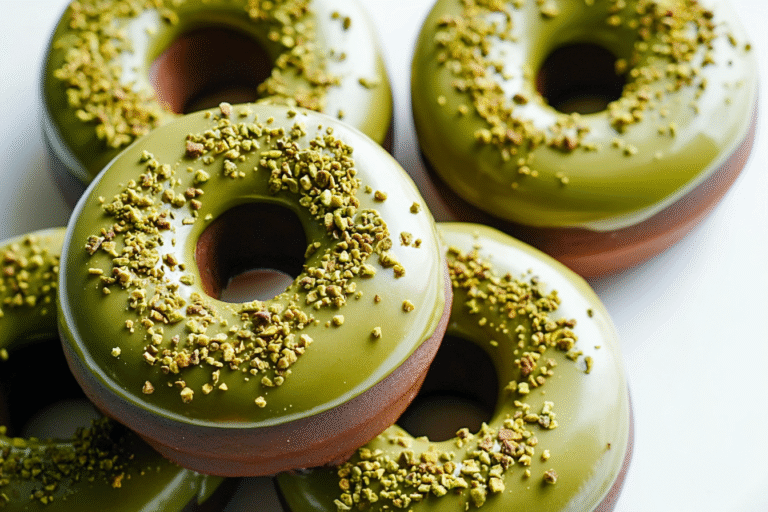
Matcha Donuts
🍵 Vibrant green tea-infused baked donuts deliver earthy matcha flavor with tender crumb—no frying mess for guilt-free indulgence.
🍩 25-minute oven magic yields bakery-perfect treats; customizable glazes wow green tea fans for breakfast or snacks!
- Total Time: 27 minutes
- Yield: 12 donuts
Ingredients
– 1 ½ cups all-purpose flour
– ½ cup granulated sugar
– 1 ½ teaspoons baking powder
– ¼ teaspoon salt
– 1 tablespoon matcha powder
– ½ cup milk
– 1 large egg
– 4 tablespoons unsalted butter, melted
– 1 teaspoon vanilla extract
– 1 cup powdered sugar
– 1 tablespoon milk
– 1 teaspoon matcha powder
– ½ teaspoon vanilla extract
Instructions
1-First Step: Preparation and Preheating Begin by preheating your oven to 350°F (175°C) to ensure it reaches the optimal temperature for baking. Lightly grease a donut pan with cooking spray or a small amount of butter, ensuring you coat each cavity thoroughly to prevent sticking. If you don’t have a donut pan, you can use a muffin tin, though the shape will be different. In a small bowl, combine the flaxseed meal and water if you’re making a vegan version, and let it sit for 5 minutes until thickened. Gather all your ingredients to have everything ready, as this recipe moves quickly once started. This approach is similar to the preparation for our mini muffin pancake bites, which also benefit from having ingredients ready before mixing.
2-Second Step: Mixing Dry Ingredients In a large mixing bowl, whisk together the flour, sugar, baking powder, salt, and matcha powder until well combined. This step is crucial for evenly distributing the leavening agents and ensuring the matcha color is uniform throughout the donuts. The vibrant green color should be evenly speckled throughout the flour mixture. Take your time with this step to prevent any clumps of baking powder or matcha, which could affect the final texture and appearance of your baked matcha donuts. Sifting these ingredients together can help achieve an even more uniform mixture, especially if your flour or matcha powder has any clumps.
3-Third Step: Creating the Wet Mixture In a separate medium bowl, beat the egg (or add your prepared flax egg) until slightly frothy. Add the milk, melted butter, and vanilla extract, whisking until the mixture is smooth and well combined. The wet ingredients should be at room temperature to help them incorporate better with the dry ingredients. If your butter has solidified slightly, gently warm the mixture in the microwave for just 10 seconds. This step creates the liquid foundation that will hydrate the flour mixture and create the batter. The smooth consistency of your wet ingredients is key to achieving uniform donuts with an even crumb structure.
4-Fourth Step: Combining Wet and Dry Ingredients Make a well in the center of your dry ingredients and pour in the wet mixture. Using a spatula or wooden spoon, gently fold the ingredients together, being careful not to overmix. The batter should just be combined with small lumps remaining, which is preferable to overmixing that can result in tough donuts. Overmixing develops gluten, which creates a chewy texture rather than the tender crumb we’re seeking. The batter will be thick but pourable, similar to a muffin batter. Stop mixing as soon as you no longer see dry streaks of flour, even if small lumps remain in the batter.
5-Fifth Step: Filling the Donut Pan Transfer the batter to a piping bag or a large Ziploc bag with one corner snipped off. This method gives you the most control when filling the donut cavities. Alternatively, you can carefully spoon the batter into each cavity, filling them about three-quarters full. If you’re new to making donuts, slightly underfill rather than overfill, as the batter will expand during baking. For best results, fill each cavity evenly to ensure uniform baking. The batter should create a ring around the center post of the donut pan without connecting to the neighboring donut. If using a spoon, use a small offset spatula or the back of the spoon to smooth the tops for an even appearance.
6-Sixth Step: Baking to Perfection Place the filled donut pan in the preheated oven and bake for 10-12 minutes, or until the tops spring back when lightly touched. The edges should be just beginning to turn golden, though the centers will remain a beautiful green hue. Avoid opening the oven door during the first 8 minutes of baking, as this can cause the donuts to collapse. Every oven is different, so start checking at the 10-minute mark. A toothpick inserted into the thickest part of a donut should come out clean or with just a few moist crumbs. The visual cues combined with the toothpick test will ensure perfectly baked donuts every time.
7-Seventh Step: Cooling and Removing Allow the donuts to cool in the pan for about 5 minutes before attempting to remove them. This brief cooling period helps them set and makes removal easier without breaking. Gently loosen the edges with a thin spatula or butter knife, then carefully invert the pan or pop each donut out. Place them on a wire rack to cool completely before glazing. If you glaze warm donuts, the glaze will melt right off, so patience during this step is essential. While waiting for the donuts to cool, you can prepare the matcha glaze. The wire rack allows air to circulate around the donuts, preventing them from becoming soggy as they cool.
8-Final Step: Glazing and Serving For the glaze, whisk together the powdered sugar, milk, matcha powder, and vanilla extract until smooth. The consistency should be thick enough to coat the donut but thin enough to pour easily. Adjust with more milk or powdered sugar as needed. Hold each donut by its edges and dip the top into the glaze, allowing any excess to drip off. Place the glazed donuts back on the wire rack set over a piece of parchment paper to catch drips. Let the glaze set for about 15-20 minutes before serving. For an extra touch, sprinkle with additional matcha powder or white sesame seeds while the glaze is still slightly tacky. The contrast between the vibrant green glaze and the lighter donut creates a beautiful presentation that will impress everyone.
Last Step:
Please leave a rating and comment letting us know how you liked this recipe! This helps our business to thrive and continue providing free, high-quality recipes for you.Notes
🍵 Sift matcha for even color, no bitter clumps.
🧁 Grease pan generously—non-stick spray best.
✨ Batter thick? Add 1-2 tbsp milk for smooth piping.
- Prep Time: 15 minutes
- Cook Time: 12 minutes
- Category: Dessert
- Method: Baking
- Cuisine: Japanese
- Diet: Vegetarian
Nutrition
- Serving Size: 1 donut
- Calories: 220 kcal
- Sugar: 18g
- Sodium: 200mg
- Fat: 8g
- Saturated Fat: 1g
- Unsaturated Fat: 6g
- Trans Fat: 0g
- Carbohydrates: 35g
- Fiber: 1g
- Protein: 5g
- Cholesterol: 35mg