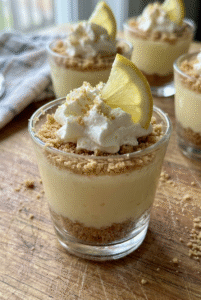
Why You’ll Love These Mini Lemon Cakes With Lavender Glaze
If you love bright citrus desserts with a soft, cozy feel, these mini lemon cakes with lavender glaze are going to win you over fast. The cake has a tender crumb, fresh lemon and orange zest, and a sweet citrus flavor that feels cheerful in every bite. Then that lavender glaze drapes over the top like a little bakery-style finish, making these mini lemon cakes with lavender glaze look fancy without being fussy.
- Easy to make: The batter comes together in one bowl style steps, and the cakes bake up quickly in a small pan. That makes mini lemon cakes a great choice for busy parents, students, and anyone who wants dessert without a big mess.
- Fresh flavor: Lemon juice, orange juice, and citrus zest give these mini lemon cakes with lavender glaze a bright taste that feels light and sunny. The lavender glaze adds a floral note that turns a simple cake into something special.
- Flexible for different needs: This recipe can be adapted for a gluten-free flour blend, plant-based butter, or lower-sugar serving ideas. That means more home cooks can enjoy mini lemon cakes with lavender glaze their own way.
- Pretty enough for guests: These little cakes are perfect for brunch tables, baby showers, tea time, holidays, or a sweet snack after dinner. If you want a dessert that looks thoughtful but still feels easy, this one fits beautifully.
These mini lemon cakes with lavender glaze bring together comfort and charm in one simple bake. They taste like sunshine with a little floral twist.
If you enjoy bright citrus desserts, you may also like this fruity breakfast smoothie for sunny mornings or this quick snack idea for busy days.
Jump to:
- Why You’ll Love These Mini Lemon Cakes With Lavender Glaze
- Essential Ingredients for Mini Lemon Cakes With Lavender Glaze
- Main Ingredients
- For the Icing
- Simple Ingredient Notes
- Special Dietary Options
- How to Prepare the Perfect Mini Lemon Cakes With Lavender Glaze: Step-by-Step Guide
- First Step: Get the pan ready
- Second Step: Mix the dry ingredients
- Third Step: Cream the butter and sugar
- Fourth Step: Add the citrus flavor
- Fifth Step: Combine the batter
- Sixth Step: Bake the mini cakes
- Seventh Step: Make the lavender glaze
- Eighth Step: Finish and serve
- Dietary Substitutions to Customize Your Mini Lemon Cakes With Lavender Glaze
- Protein and Main Component Alternatives
- Vegetable, Sauce, and Seasoning Modifications
- Mastering Mini Lemon Cakes With Lavender Glaze: Advanced Tips and Variations
- Pro cooking techniques
- Flavor variations
- Presentation tips
- Make-ahead options
- How to Store Mini Lemon Cakes With Lavender Glaze: Best Practices
- FAQs: Frequently Asked Questions About Mini Lemon Cakes With Lavender Glaze
- Mini Lemon Cakes With Lavender Glaze
- Ingredients
- Instructions
- Last Step:
- Notes
- Nutrition
- Did you make this recipe?
Essential Ingredients for Mini Lemon Cakes With Lavender Glaze
Here is everything you need for these mini lemon cakes with lavender glaze. Keeping the ingredient list simple helps the citrus flavor shine, and each item plays a small but important role in the texture and taste.
Main Ingredients
- 2 1/2 cups flour, plus extra for the baking pan, gives the cakes structure and a soft crumb.
- 1/4 teaspoon salt balances the sweetness and makes the citrus flavor pop.
- 2/3 cup butter, plus extra for the baking pan, adds richness and keeps the mini lemon cakes tender.
- 5 tablespoons orange juice brings a sweet citrus note that rounds out the lemon.
- 2 tablespoons lemon juice gives the batter a fresh tangy flavor.
- 2 tablespoons water helps loosen the batter for a smoother mix.
- Zest of 1 lemon adds bright aroma and extra lemon flavor.
- Zest of 1 orange adds sweetness and a warm citrus scent.
- 2 teaspoons baking powder helps the cakes rise and stay light.
- 3 eggs bind the batter and create a soft, cake-like texture.
- 1 1/2 cups sugar sweetens the cakes and helps them brown nicely.
For the Icing
- 1 cup powdered sugar creates the smooth base for the lavender glaze.
- 1/4 cup lemon juice gives the icing its tangy citrus kick.
- 2 tablespoons milk helps the glaze become pourable and silky.
- 1 tablespoon fresh or dried culinary lavender adds the signature floral finish.
Simple Ingredient Notes
| Ingredient | What It Does |
|---|---|
| Butter and eggs | Help create a rich, tender crumb in the mini lemon cakes |
| Citrus juice and zest | Build the bright lemon orange flavor |
| Lavender glaze | Adds a pretty floral touch that makes each bite feel special |
Special Dietary Options
- Vegan: Use plant-based butter and a flax egg replacement for each egg, then choose unsweetened plant milk in the glaze.
- Gluten-free: Swap the flour for a 1 to 1 gluten-free baking blend that includes xanthan gum.
- Low-calorie: Use a lighter glaze by thinning the icing with a little extra lemon juice and serving smaller portions.
For a helpful look at how lemon cake ingredients work together, you can compare this recipe with this simple lemon cake guide. And if you are curious about cooking with flowers, this overview of culinary lavender in sweet recipes is a lovely read.
How to Prepare the Perfect Mini Lemon Cakes With Lavender Glaze: Step-by-Step Guide
First Step: Get the pan ready
Start by preheating your oven to 350 degrees Fahrenheit. Grease the baking pan well with butter, then dust it lightly with flour so the mini lemon cakes release easily after baking. This little extra step matters because citrus cakes can cling to the pan if it is not prepped properly.
If you are baking for a gluten-free guest, use the same greasing method with a gluten-free flour blend for dusting. Busy cooks will love this part because it only takes a minute and saves trouble later.
Second Step: Mix the dry ingredients
In a medium bowl, whisk together 2 1/2 cups flour, 1/4 teaspoon salt, and 2 teaspoons baking powder. Stir them well so the leavening is spread evenly through the flour. That helps the mini lemon cakes rise in a nice, even way.
Set the bowl aside once the dry ingredients look blended. Keeping the dry and wet mixes separate at first makes the batter smoother in the end.
Third Step: Cream the butter and sugar
In a large bowl, beat 2/3 cup butter with 1 1/2 cups sugar until the mixture looks pale and fluffy. This can take a few minutes, but the texture is worth it because it helps create that soft bakery-style crumb. Add the 3 eggs one at a time, beating after each addition so the batter stays smooth.
If you are making a vegan version, use plant-based butter and your egg substitute here. The texture may be slightly different, but the citrus flavor still shines beautifully.
Fourth Step: Add the citrus flavor
Stir in 5 tablespoons orange juice, 2 tablespoons lemon juice, 2 tablespoons water, the zest of 1 lemon, and the zest of 1 orange. The batter should smell fresh and bright right away. That mix of juice and zest is what gives these mini lemon cakes with lavender glaze their lively flavor.
Make sure the zest is finely grated so it blends in easily. If you want a stronger citrus taste, you can lightly press the zest into the sugar before mixing it with the butter.
Fifth Step: Combine the batter
Add the dry ingredients to the wet ingredients in two or three additions, stirring just until the flour disappears. Try not to overmix, because that can make the cake dense instead of tender. You want a smooth batter that still feels light.
At this stage, the batter should be thick but easy to spoon into the pan. If it seems too stiff, add a small splash of water. If it looks too loose, give it a gentle stir and let it rest for a minute.
Sixth Step: Bake the mini cakes
Spoon the batter into the prepared pan and spread it evenly. Bake for about 25 to 30 minutes, or until the top is lightly golden and a toothpick inserted in the center comes out clean. Oven times can vary a little, so start checking near the 25-minute mark.
These mini lemon cakes are done when the edges pull slightly from the pan and the center springs back when touched. Let them cool in the pan for a few minutes before moving them to a wire rack.
Seventh Step: Make the lavender glaze
While the cakes cool, whisk together 1 cup powdered sugar, 1/4 cup lemon juice, 2 tablespoons milk, and 1 tablespoon fresh or dried culinary lavender. Stir until the glaze looks smooth and pourable. If you want a stronger lavender note, let the lavender sit in the warm glaze for a few minutes, then strain it before drizzling.
This is where the dessert gets its lovely floral finish. The glaze should taste bright, creamy, and lightly perfumed, not too strong.
Eighth Step: Finish and serve
Once the cakes are fully cooled, drizzle the lavender glaze over the top. Let it set for a few minutes before slicing or serving. The glaze will settle into a pretty sheen that makes the mini lemon cakes with lavender glaze look bakery-worthy.
Serve them on a pretty plate with tea, coffee, or a fresh fruit side. They are lovely for brunch, afternoon snacks, or a sweet ending to dinner.

Dietary Substitutions to Customize Your Mini Lemon Cakes With Lavender Glaze
Protein and Main Component Alternatives
If you need to adjust the main baking ingredients, there are a few easy swaps that still keep these mini lemon cakes tasty. For a vegan version, use plant-based butter and replace each egg with a flax egg or another egg substitute that works in baking. For a gluten-free version, choose a quality 1 to 1 baking flour blend so the cake still holds together nicely.
If you want a lighter crumb, you can also replace part of the butter with a mild, neutral oil, though the flavor will be a little less rich. That said, the original butter version gives the best old-fashioned cake texture.
Vegetable, Sauce, and Seasoning Modifications
The glaze is flexible too. If you want a stronger lemon taste, increase the lemon juice a little and reduce the milk slightly. If lavender is new to you, start with a smaller amount and add more only after tasting.
You can also swap the lavender glaze for a simple lemon glaze if you want a less floral finish. Fresh berries, a pinch of vanilla, or a tiny bit of almond extract can also change the flavor in a fun way. For diet-conscious readers, a thinner drizzle keeps the dessert lighter while still giving that pretty finish.
Mastering Mini Lemon Cakes With Lavender Glaze: Advanced Tips and Variations
Pro cooking techniques
For the softest mini lemon cakes, make sure your butter is at room temperature before mixing. That helps it cream better with the sugar and gives the batter more air. Also, stop mixing as soon as the flour disappears, because overmixing can make the texture tough.
If you want an even bake, rotate the pan halfway through baking. This is especially useful if your oven has hot spots. A light touch with the batter and steady oven heat make a big difference.
Flavor variations
You can switch up the citrus mix by adding a little more orange zest for a sweeter profile or a touch more lemon juice for extra brightness. If you enjoy herbs in desserts, a tiny pinch of thyme can pair nicely with the lemon and lavender. You might also add a spoonful of poppy seeds for a classic bakery feel.
For a spring dessert tray, serve these mini lemon cakes with fresh berries or a small bowl of whipped cream. The floral glaze and citrus base work well with many light toppings.
Presentation tips
Let the glaze drip naturally down the sides for a pretty homemade look. A few lavender buds, thin lemon curls, or orange zest ribbons on top can make the cakes look extra special. If you are serving guests, arrange them on a white platter so the glaze color really stands out.
Make-ahead options
You can bake the cakes a day ahead and glaze them closer to serving time. The flavor often tastes even better after a little rest. If you are planning for a party or brunch, this is a real time saver.
How to Store Mini Lemon Cakes With Lavender Glaze: Best Practices
These mini lemon cakes with lavender glaze store nicely, which makes them handy for meal prep or make-ahead entertaining. Once the glaze has set, place the cakes in an airtight container and keep them in the refrigerator for up to 4 days. If you need to stack them, add parchment between layers so the glaze stays pretty.
For longer storage, freeze the unfrosted cakes wrapped tightly in plastic wrap and placed in a freezer-safe bag or container. They can keep well for about 2 months. Thaw them in the refrigerator overnight, then add the lavender glaze after they are fully thawed.
To reheat, warm a slice gently at room temperature or give it a very short time in the microwave. Do not overheat, or the cake can dry out. For batch cooking, bake several at once and glaze only the ones you plan to serve soon.

FAQs: Frequently Asked Questions About Mini Lemon Cakes With Lavender Glaze
Print
Mini Lemon Cakes With Lavender Glaze
🍊 Savor the bright, zesty flavors of fresh citrus in this moist, tender cake topped with a fragrant lemon lavender glaze for a refreshing dessert experience!
🌸 The unique lavender infusion adds a sophisticated floral note, making it ideal for tea parties or elegant gatherings.
- Total Time: 1 hour 10 minutes
- Yield: 12 servings
Ingredients
– 2 1/2 cups flour gives the cakes structure and a soft crumb.
– 1/4 teaspoon salt balances the sweetness and makes the citrus flavor pop.
– 2/3 cup butter adds richness and keeps the mini lemon cakes tender.
– 5 tablespoons orange juice brings a sweet citrus note that rounds out the lemon.
– 2 tablespoons lemon juice gives the batter a fresh tangy flavor.
– 2 tablespoons water helps loosen the batter for a smoother mix.
– Zest of 1 lemon adds bright aroma and extra lemon flavor.
– Zest of 1 orange adds sweetness and a warm citrus scent.
– 2 teaspoons baking powder helps the cakes rise and stay light.
– 3 eggs bind the batter and create a soft, cake-like texture.
– 1 1/2 cups sugar sweetens the cakes and helps them brown nicely.
– 1 cup powdered sugar creates the smooth base for the lavender glaze.
– 1/4 cup lemon juice gives the icing its tangy citrus kick.
– 2 tablespoons milk helps the glaze become pourable and silky.
– 1 tablespoon fresh or dried culinary lavender adds the signature floral finish.
Instructions
1-First Step: Get the pan ready Start by preheating your oven to 350 degrees Fahrenheit. Grease the baking pan well with butter, then dust it lightly with flour so the mini lemon cakes release easily after baking. This little extra step matters because citrus cakes can cling to the pan if it is not prepped properly. If you are baking for a gluten-free guest, use the same greasing method with a gluten-free flour blend for dusting. Busy cooks will love this part because it only takes a minute and saves trouble later.
2-Second Step: Mix the dry ingredients In a medium bowl, whisk together 2 1/2 cups flour, 1/4 teaspoon salt, and 2 teaspoons baking powder. Stir them well so the leavening is spread evenly through the flour. That helps the mini lemon cakes rise in a nice, even way. Set the bowl aside once the dry ingredients look blended. Keeping the dry and wet mixes separate at first makes the batter smoother in the end.
3-Third Step: Cream the butter and sugar In a large bowl, beat 2/3 cup butter with 1 1/2 cups sugar until the mixture looks pale and fluffy. This can take a few minutes, but the texture is worth it because it helps create that soft bakery-style crumb. Add the 3 eggs one at a time, beating after each addition so the batter stays smooth. If you are making a vegan version, use plant-based butter and your egg substitute here. The texture may be slightly different, but the citrus flavor still shines beautifully.
4-Fourth Step: Add the citrus flavor Stir in 5 tablespoons orange juice, 2 tablespoons lemon juice, 2 tablespoons water, the zest of 1 lemon, and the zest of 1 orange. The batter should smell fresh and bright right away. That mix of juice and zest is what gives these mini lemon cakes with lavender glaze their lively flavor. Make sure the zest is finely grated so it blends in easily. If you want a stronger citrus taste, you can lightly press the zest into the sugar before mixing it with the butter.
5-Fifth Step: Combine the batter Add the dry ingredients to the wet ingredients in two or three additions, stirring just until the flour disappears. Try not to overmix, because that can make the cake dense instead of tender. You want a smooth batter that still feels light. At this stage, the batter should be thick but easy to spoon into the pan. If it seems too stiff, add a small splash of water. If it looks too loose, give it a gentle stir and let it rest for a minute.
6-Sixth Step: Bake the mini cakes Spoon the batter into the prepared pan and spread it evenly. Bake for about 25 to 30 minutes, or until the top is lightly golden and a toothpick inserted in the center comes out clean. Oven times can vary a little, so start checking near the 25-minute mark. These mini lemon cakes are done when the edges pull slightly from the pan and the center springs back when touched. Let them cool in the pan for a few minutes before moving them to a wire rack.
7-Seventh Step: Make the lavender glaze While the cakes cool, whisk together 1 cup powdered sugar, 1/4 cup lemon juice, 2 tablespoons milk, and 1 tablespoon fresh or dried culinary lavender. Stir until the glaze looks smooth and pourable. If you want a stronger lavender note, let the lavender sit in the warm glaze for a few minutes, then strain it before drizzling. This is where the dessert gets its lovely floral finish. The glaze should taste bright, creamy, and lightly perfumed, not too strong.
8-Eighth Step: Finish and serve Once the cakes are fully cooled, drizzle the lavender glaze over the top. Let it set for a few minutes before slicing or serving. The glaze will settle into a pretty sheen that makes the mini lemon cakes with lavender glaze look bakery-worthy. Serve them on a pretty plate with tea, coffee, or a fresh fruit side. They are lovely for brunch, afternoon snacks, or a sweet ending to dinner.
Last Step:
Please leave a rating and comment letting us know how you liked this recipe! This helps our business to thrive and continue providing free, high-quality recipes for you.Notes
🍋 Always use fresh citrus zest and juice for the brightest, most vibrant flavors in your cake.
🌿 For a stronger lavender flavor, gently steep the lavender in the warm milk for 10 minutes before mixing the glaze.
❄️ Store the cake in an airtight container at room temperature for up to 3 days or refrigerate for up to 5 days.
- Prep Time: 20 minutes
- Cook Time: 50 minutes
- Category: Dessert
- Method: Baking
- Cuisine: American
- Diet: Vegetarian
Nutrition
- Serving Size: 1 slice
- Calories: 320 kcal
- Sugar: 35 g
- Sodium: 150 mg
- Fat: 12 g
- Saturated Fat: 7 g
- Trans Fat: 0 g
- Carbohydrates: 50 g
- Fiber: 1 g
- Protein: 4 g
- Cholesterol: 70 mg