Why You’ll Love This Moroccan Chebakia
If you are looking for a Ramadan cookie that tastes special but is still doable at home, this Moroccan Chebakia recipe is a beautiful choice. The flavor is warm and aromatic, the honey soak turns everything glossy, and the sesame topping adds a toasty crunch that feels celebratory every time.
- Ease of preparation: While Chebakia is a hands-on recipe, the steps are straightforward, with clear stages for toasting seeds, making dough, shaping, and frying.
- Health benefits: Sesame seeds bring natural nutrients and a nutty richness, and olive oil helps make the dough tender. Pair with mint tea for a satisfying snack experience.
- Versatility: You can adjust shaping and pacing to fit your schedule, and you can plan batches over several days during Ramadan.
- Distinctive flavor: Ground anise and cinnamon create a fragrant, spiced profile. Then honey, orange flower water, and toasted sesame make the cookie taste like Ramadan.
Making Moroccan Chebakia is one of those cooking traditions that brings the whole kitchen together, even when you are working on a busy timeline.
For more Moroccan-inspired dessert ideas, you may also like this guide from Mymoorishplate’s Moroccan Chebakia recipe.
Jump to:
- Why You’ll Love This Moroccan Chebakia
- Essential Ingredients for Moroccan Chebakia
- Main Ingredients (with precise measurements)
- Optional Health Note
- Batch Planning Snapshot
- How to Prepare the Perfect Moroccan Chebakia: Step-by-Step Guide
- Step-by-Step Directions
- Frying and Honey Soaking
- Timing and Tools That Help
- Protein and Main Component Alternatives
- Egg substitution (structure and richness)
- Butter substitution (fat for tenderness)
- Yeast swap (fermentation timing)
- Sesame and honey integrity
- Vegetable, Sauce, and Seasoning Modifications
- Honey soak variations
- Spice adjustments (anise and cinnamon)
- Color and flavor finish
- Mastering Moroccan Chebakia: Advanced Tips and Variations
- Pro cooking techniques
- Flavor variations that keep the cookie recognizable
- Presentation tips
- Make-ahead options for busy schedules
- How to Store Moroccan Chebakia: Best Practices
- Refrigeration (short-term)
- Freezing (long-term)
- Reheating
- Meal prep considerations
- FAQs: Frequently Asked Questions About Moroccan Chebakia
- What is Moroccan Chebakia?
- What are the main ingredients for Chebakia dough?
- How do you shape Chebakia cookies?
- How do you fry and soak Chebakia cookies?
- How long does homemade Chebakia last and how to store it?
- Moroccan Chebakia
- Ingredients
- Instructions
- Last Step:
- Notes
- Nutrition
- Did you make this recipe?
Essential Ingredients for Moroccan Chebakia
Below is everything you need for classic Chebakia, measured for a large batch. This recipe yields about 2 kg (over 4 pounds) of cookies, which is perfect for Ramadan sharing.
Main Ingredients (with precise measurements)
- 1/2 kg (about 4 cups) flour, plus more if needed – Forms the base dough and helps create the chewy, crisp texture after frying.
- 1 soup bowl full (about 200 g or 7 oz.) golden unhulled sesame seeds, toasted – Adds nutty flavor and helps create the signature Chebakia taste.
- 1 teaspoon ground anise – Provides the classic aromatic spice that defines Moroccan Chebakia.
- 1 teaspoon ground cinnamon – Adds warmth and sweetness to balance the spices.
- 1/2 teaspoon salt – Enhances flavor and keeps the dough balanced.
- 1/2 teaspoon saffron threads, crumbled – Adds color and a gentle floral richness.
- 1/4 teaspoon Moroccan yellow colorant – Gives the traditional golden look.
- Pinch of gum Arabic grains (gum acacia, mastic), mixed with 1/4 teaspoon sugar and crushed to powder – Helps with texture and dough cohesion.
- 1 extra-large egg – Adds structure and richness to the dough.
- 1/4 cup melted butter – Tenderizes the dough and supports browning.
- 1/4 cup olive oil – Keeps the dough flexible and flavorful.
- 1/4 cup vinegar – Helps tenderize and contributes to crispness when fried.
- 1/4 cup orange flower water – Adds a fragrant floral note that pairs with honey.
- 2 teaspoons yeast dissolved in 1/4 cup warm water – Helps the dough develop and improves texture.
- 1 1/2 kg (about 3 lbs.) honey – The sweet honey glaze that soaks into the cookies.
- 2 tablespoons orange flower water (for honey mixture) – Intensifies the orange flower aroma in the honey soak.
- 1 1/2 liters vegetable oil for frying – Used to fry the cookies until medium brown.
- 1/2 cup golden unhulled sesame seeds, toasted, for decorating – Sprinkled on the centers for a classic finished look.
Optional Health Note
Sesame seeds are known for healthy fats and nutrients. If you want a quick refresher, see this overview from Healthline on sesame seeds nutrition.
Batch Planning Snapshot
| Stage | What You Do | Time to Expect |
|---|---|---|
| Prep | Toast sesame, mix dry ingredients, prep yeast | 45 minutes |
| Cook | Shape, fry, honey soak | 45 minutes |
| Extra | Resting and small batch timing | 15 minutes |
How to Prepare the Perfect Moroccan Chebakia: Step-by-Step Guide
This recipe is designed to be reliable and repeatable. Work through it in order, and you will end up with cookies that are golden, glossy, and nicely honey-absorbed.
Step-by-Step Directions
First Step: Prepare sesame seeds by picking through to remove debris. Toast them in the oven at 400°F (200°C) for 10-15 minutes until crunchy and nutty. Cool completely, then store airtight.
Second Step: Grind one bowlful of toasted sesame seeds into a moist powder. Mix this sesame powder with flour and all dry ingredients: ground anise, ground cinnamon, salt, saffron threads, Moroccan yellow colorant, and the pinch of gum Arabic grains mixed with 1/4 teaspoon sugar and crushed to powder.
Third Step: Add the wet ingredients: the extra-large egg, melted butter, olive oil, vinegar, orange flower water, and the yeast dissolved in warm water. Knead by hand for 7-8 minutes or with a mixer for 4-5 minutes, until you have a stiff but pliable dough.
Fourth Step: Divide the dough into four portions. Cover and rest for 10-15 minutes so it relaxes and becomes easier to roll thin.
Fifth Step: Roll each portion thin, then cut into palm-sized rectangles. Make four lengthwise cuts almost to the edges to create five attached strips.
Sixth Step: Shape the flower: thread your middle finger through alternating strips, then pinch the outer corners to form a flower center. Turn the strips inside-out around the center into an elongated flower shape, then pinch opposite corners closed. Place shaped cookies on trays and cover.
Frying and Honey Soaking
Seventh Step: Heat 1 inch of vegetable oil in a deep pan over medium heat. Separately heat honey with 2 tablespoons orange flower water until frothy, but not boiling.
Eighth Step: Fry chebakia in batches, slowly, until medium brown for about 10 minutes. Adjust the heat as you cook so the cookies brown evenly without burning.
Ninth Step: Transfer fried chebakia directly to the hot honey. Submerge gently and soak for 5-7 minutes, until glossy amber and honey-absorbed.
Tenth Step: Drain briefly, place on trays, and sprinkle the centers with 1/2 cup toasted sesame seeds. Repeat with remaining batches.
Tip: If you soak for longer, the cookies will taste sweeter and softer. If you soak for less time, they stay crispier with less gloss.
Timing and Tools That Help
- Prepare in large batches with help, since this recipe yields about 2 kg (over 4 pounds).
- Toast sesame seeds thoroughly for the best nutty flavor.
- Keep the dough stiff yet pliable for easier shaping.
- Use a slotted spoon for frying and honey transfer.
- Keep oil at a moderate temperature to prevent uneven cooking and soggy results.
- Re-roll and reuse dough scraps so nothing goes to waste.
If you want an easy sweet pairing for your Ramadan table, check out mini muffin pancake bites for a crowd-friendly snack option.
Protein and Main Component Alternatives
Chebakia is not typically treated as a “protein recipe,” but the main components do matter for structure and texture. Below are practical swaps you can consider if you are adjusting for ingredient availability or dietary goals. For best results, try one substitution at a time.
Egg substitution (structure and richness)
- No egg swap (vegan-style): Replace the egg with a commercial egg replacer following package directions, or use a flax egg (mix ground flax with water, rest until thick). Note that shaping and crispness may change slightly.
- Egg-free limitation: The cookie shape may still work, but the dough could feel less cohesive. Add a small splash of olive oil if it becomes too dry.
Butter substitution (fat for tenderness)
- Dairy-free: Use a plant-based butter substitute in the same amount as the melted butter.
- Olive oil balance: Since the recipe already includes olive oil, you can reduce butter slightly if needed, though it may affect browning and flavor depth.
Yeast swap (fermentation timing)
- Fresh to dry yeast: If you only have dry yeast, dissolve it in warm water similarly and begin kneading once the mixture is active.
- Texture warning: Skipping yeast entirely can make dough harder to shape and less forgiving when rolling thin.
Sesame and honey integrity
Sesame seeds and honey are central to Moroccan Chebakia flavor. For the closest taste, avoid replacing them. If you must swap, keep the same form (toasted sesame for aroma and honey for soak).
Vegetable, Sauce, and Seasoning Modifications
Chebakia is built on spices and floral sweetness. Still, you can make small seasoning changes without losing the overall identity of the cookie.
Honey soak variations
- Keep the base: Use 1 1/2 kg honey as listed. The honey soak is what makes the cookies glossy amber.
- Orange flower intensity: Use the listed 2 tablespoons orange flower water. If your taste is stronger or milder, adjust slightly next time.
- Alternative aroma: For a different floral note, you can experiment with a tiny amount of rose water, but do not replace orange flower water completely unless you are testing.
Spice adjustments (anise and cinnamon)
- More anise: Add a pinch more ground anise if you love bold licorice-like fragrance.
- Milder spice: Reduce anise slightly and keep cinnamon at 1 teaspoon so the cookie stays warmly spiced.
- Saffron: Stick close to 1/2 teaspoon saffron threads, crumbled for the signature color and aromatic feel.
Color and flavor finish
The traditional golden look comes from 1/4 teaspoon Moroccan yellow colorant. If you do not have it, you can still make the cookies, but they may look less traditional.
For another sweet Ramadan snack idea with a different texture, you may enjoy no-bake energy bites when you want something fast between Chebakia batches.
Mastering Moroccan Chebakia: Advanced Tips and Variations
Once you have made Chebakia once, you will notice how small choices affect the final result. These tips help you get consistent dough, clean frying, and a beautiful honey gloss.
Pro cooking techniques
- Toast sesame thoroughly: Nutty sesame flavor is essential. Cool fully before grinding.
- Check dough stiffness: Your dough should be stiff yet pliable for proper shaping. If it tears, knead a bit more and rest longer.
- Maintain moderate oil temperature: Even browning happens when the oil stays stable. Fry in small batches.
- Use a slotted spoon: It helps transfer cookies cleanly from oil to honey without breaking the shape.
Flavor variations that keep the cookie recognizable
- Sweetness control: Adjust honey soak time from 5 minutes for crispier cookies to 7 minutes for softer, sweeter texture.
- Shape variations: Changing the shaping style does not impact taste. Choose what is easiest for you.
Presentation tips
- Sprinkle sesame seeds on the center while the cookies are still warm so the topping adheres.
- Arrange cookies on trays in rows for a polished serving look during iftar.
Make-ahead options for busy schedules
If you are juggling school, work, or kids, you can split the work. Prepare sesame and dry mix ahead, then knead and shape on another day. When you are ready, fry and honey-dip in batches so the cookies stay best quality.
Prep time, fry time, and soaking time add up, so getting a few helpers can make the process feel calm instead of chaotic.
How to Store Moroccan Chebakia: Best Practices
Proper storage helps your cookies keep their texture and shine during Ramadan and beyond. Since these are fried and honey-soaked, the key is keeping moisture away while preventing sticking.
Refrigeration (short-term)
If your kitchen is very warm or humid, refrigerate cookies in an airtight container. Layer them with parchment paper to prevent sticking. Let them come to room temperature before serving so they taste fresh and crisp again.
Freezing (long-term)
For longer storage, freeze fried cookies without extra handling. Thaw at room temperature, then re-soak briefly in warm honey if you want the freshest glossy finish. This is also helpful if you want to stagger Ramadan cookie prep.
Reheating
Because Chebakia is already fried and soaked, “reheating” is more about refreshing. If you want crispness back, warm the cookies slightly, then serve at room temperature. Avoid overheating, which can harden the honey glaze.
Meal prep considerations
- Batch cook and store in airtight containers.
- Use parchment paper layers to avoid sticking.
- In humid weather, check for off smells or any signs of mold before eating.

FAQs: Frequently Asked Questions About Moroccan Chebakia
What is Moroccan Chebakia?
What are the main ingredients for Chebakia dough?
How do you shape Chebakia cookies?
How do you fry and soak Chebakia cookies?
How long does homemade Chebakia last and how to store it?
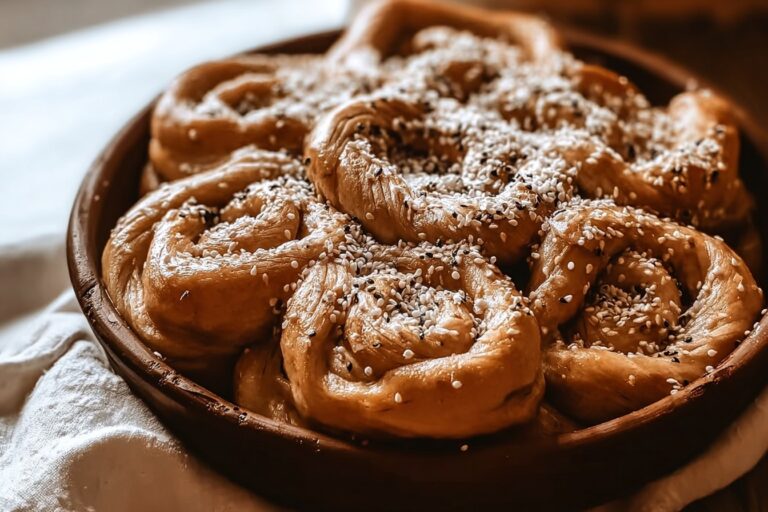
Moroccan Chebakia
🥮 Dive into crispy, flower-shaped Chebakia cookies soaked in fragrant honey, bursting with toasted sesame and warm spices for the ultimate Ramadan indulgence.
🍯 Perfect for festive gatherings, easy large-batch prep, and freezer-friendly – a traditional Moroccan treat that brings joy and sweetness to iftar!
- Total Time: 1 hour 45 minutes
- Yield: About 100 cookies
Ingredients
– 1/2 kg (about 4 cups) flour, plus more if needed
– 1 soup bowl full (about 200 g or 7 oz.) golden unhulled sesame seeds, toasted
– 1 teaspoon ground anise
– 1 teaspoon ground cinnamon
– 1/2 teaspoon salt
– 1/2 teaspoon saffron threads, crumbled
– 1/4 teaspoon Moroccan yellow colorant
– Pinch of gum Arabic grains (gum acacia, mastic), mixed with 1/4 teaspoon sugar and crushed to powder
– 1 extra-large egg
– 1/4 cup melted butter
– 1/4 cup olive oil
– 1/4 cup vinegar
– 1/4 cup orange flower water
– 2 teaspoons yeast dissolved in 1/4 cup warm water
– 1 1/2 kg (about 3 lbs.) honey
– 2 tablespoons orange flower water (for honey mixture)
– 1 1/2 liters vegetable oil for frying
– 1/2 cup golden unhulled sesame seeds, toasted, for decorating
Instructions
1-First Step: Prepare sesame seeds by picking through to remove debris. Toast them in the oven at 400°F (200°C) for 10-15 minutes until crunchy and nutty. Cool completely, then store airtight.
2-Second Step: Grind one bowlful of toasted sesame seeds into a moist powder. Mix this sesame powder with flour and all dry ingredients: ground anise, ground cinnamon, salt, saffron threads, Moroccan yellow colorant, and the pinch of gum Arabic grains mixed with 1/4 teaspoon sugar and crushed to powder.
3-Third Step: Add the wet ingredients: the extra-large egg, melted butter, olive oil, vinegar, orange flower water, and the yeast dissolved in warm water. Knead by hand for 7-8 minutes or with a mixer for 4-5 minutes, until you have a stiff but pliable dough.
4-Fourth Step: Divide the dough into four portions. Cover and rest for 10-15 minutes so it relaxes and becomes easier to roll thin.
5-Fifth Step: Roll each portion thin, then cut into palm-sized rectangles. Make four lengthwise cuts almost to the edges to create five attached strips.
6-Sixth Step: Shape the flower: thread your middle finger through alternating strips, then pinch the outer corners to form a flower center. Turn the strips inside-out around the center into an elongated flower shape, then pinch opposite corners closed. Place shaped cookies on trays and cover.
7-Seventh Step: Heat 1 inch of vegetable oil in a deep pan over medium heat. Separately heat honey with 2 tablespoons orange flower water until frothy, but not boiling.
8-Eighth Step: Fry chebakia in batches, slowly, until medium brown for about 10 minutes. Adjust the heat as you cook so the cookies brown evenly without burning.
9-Ninth Step: Transfer fried chebakia directly to the hot honey. Submerge gently and soak for 5-7 minutes, until glossy amber and honey-absorbed.
10-Tenth Step: Drain briefly, place on trays, and sprinkle the centers with 1/2 cup toasted sesame seeds. Repeat with remaining batches.
Last Step:
Please leave a rating and comment letting us know how you liked this recipe! This helps our business to thrive and continue providing free, high-quality recipes for you.Notes
🌰 Toast sesame seeds thoroughly for that irresistible nutty flavor backbone.
💪 Knead dough to stiff yet pliable consistency for easy shaping without cracking.
⏱️ Adjust honey soak time: longer for softer sweeter cookies, shorter for crispier crunch.
- Prep Time: 45 minutes
- Dough Resting Time: 15 minutes
- Cook Time: 45 minutes
- Category: Desserts
- Method: Frying
- Cuisine: Moroccan
- Diet: Vegetarian
Nutrition
- Serving Size: 2 cookies
- Calories: 180 kcal
- Sugar: 20 g
- Sodium: 50 mg
- Fat: 8 g
- Saturated Fat: 2 g
- Unsaturated Fat: 5 g
- Trans Fat: 0 g
- Carbohydrates: 25 g
- Fiber: 1 g
- Protein: 3 g
- Cholesterol: 10 mg