Why You’ll Love This Moroccan Chebakia
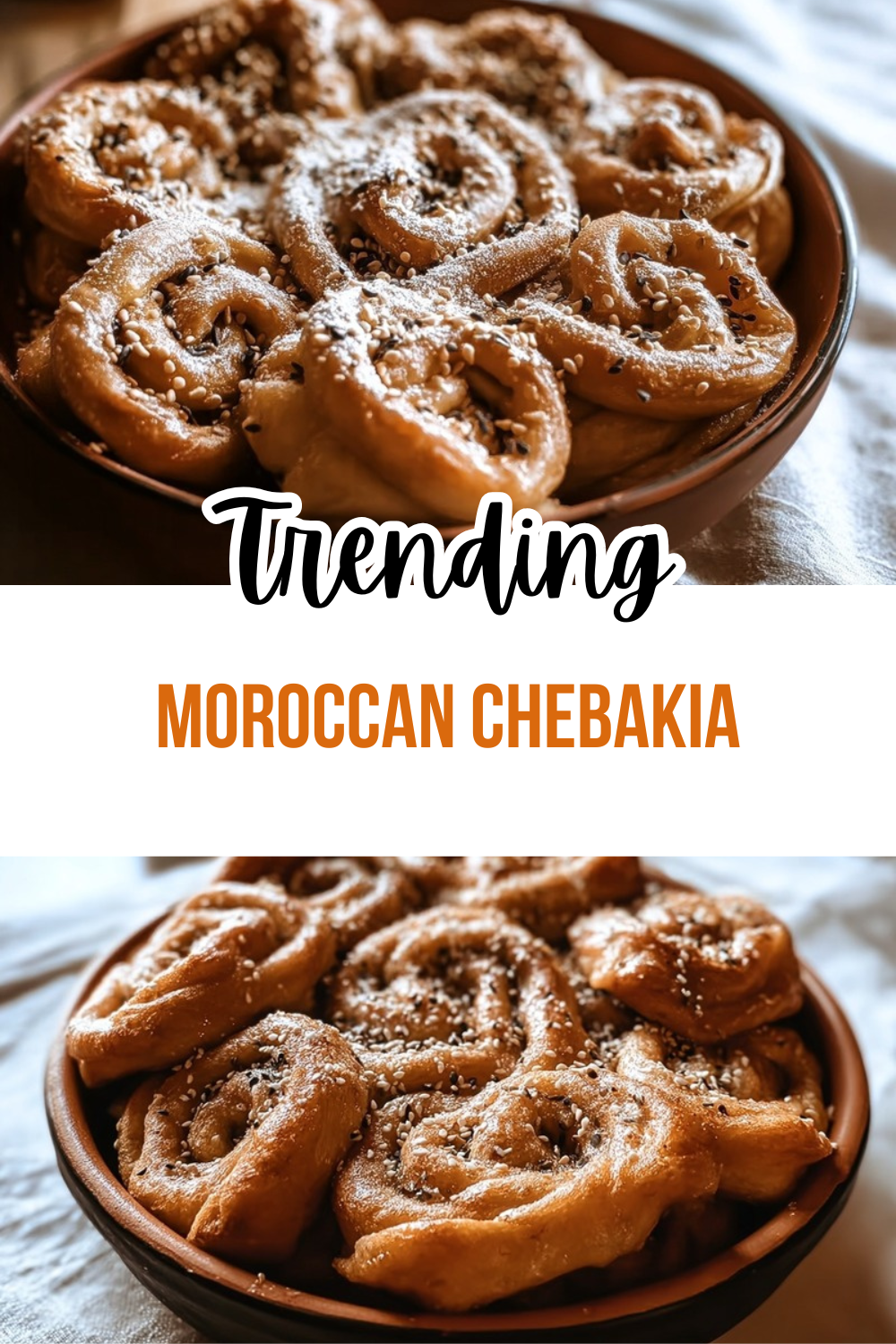
Moroccan Chebakia is a traditional folded and fried cookie soaked in honey and sprinkled with sesame seeds, and it is especially common during Ramadan in Morocco. This chebakia cookies recipe delivers that signature flower shape and sweet, aromatic bite you remember from market stalls and family kitchens. Plus, the recipe yields about 2 kg (over 4 pounds) of cookies, which is perfect for feeding a crowd or stocking your Ramadan dessert table.
- Ease of preparation: While it takes some time, the steps for Moroccan Chebakia are straightforward. You toast and grind sesame, make a stiff dough, shape into folds, then fry and soak. With organized prep, it becomes manageable for busy home cooks.
- Sweet, dessert-table worthy results: The honey soak creates a glossy amber interior with a crunchy exterior. This makes moroccan cookies feel special, even when you are cooking in a normal home kitchen.
- Distinctive flavor: Anise, cinnamon, saffron threads, and orange flower water give authentic Moroccan Chebakia its warm, fragrant personality. It tastes like celebration, not just “another cookie.”
- Great for batch baking: This Moroccan Chebakia recipe is designed for making a large batch. You can divide work with family members and still end up with a consistent pile of ramadan cookies for weeks.
Quick note: The soaking time affects texture and sweetness, so you can adjust it to match your taste and how crisp you like your cookies.
For more Ramadan-inspired treats, you might also enjoy these no-bake energy bites when you want something fast to balance the longer baking projects.
See another traditional approach to Moroccan Chebakia here.
Jump to:
- Why You’ll Love This Moroccan Chebakia
- Essential Ingredients for Moroccan Chebakia
- Chebakia dough and honey soak ingredients
- Special dietary options (notes, not a full guarantee)
- How to Prepare the Perfect Moroccan Chebakia: Step-by-Step Guide
- Prep the sesame for maximum flavor
- Make the dough (stiff yet pliable)
- Shape the signature flower folds
- Fry slowly, then soak for that glossy finish
- Timing and what to expect
- Dietary Substitutions to Customize Your Moroccan Chebakia
- Protein and main component alternatives
- Vegetable, sauce, and seasoning modifications
- Mastering Moroccan Chebakia: Advanced Tips and Variations
- Pro cooking techniques
- Flavor variations that still feel Moroccan
- Presentation tips
- Make-ahead options for busy schedules
- How to Store Moroccan Chebakia: Best Practices
- Refrigeration
- Freezing
- Reheating and refresh
- FAQs: Frequently Asked Questions About Moroccan Chebakia
- What is Moroccan chebakia?
- What ingredients are in chebakia dough?
- How do you shape chebakia cookies?
- How do you fry and soak chebakia?
- How long does chebakia last and how to store it?
- Moroccan Chebakia
- Ingredients
- Instructions
- Last Step:
- Notes
- Nutrition
- Did you make this recipe?
Essential Ingredients for Moroccan Chebakia
To make authentic Moroccan Chebakia, you need a mix of pantry staples and a few signature Moroccan flavors. The sesame, anise, saffron, and orange flower water are what turn simple dough into unforgettable ramadan cookies.
Tip: Use quality orange flower water and saffron if you want the flavor to really stand out. Small upgrades make a big difference in Moroccan Chebakia.
Chebakia dough and honey soak ingredients
- 1/2 kg (about 4 cups) flour, plus extra if needed – Forms the dough structure so Moroccan Chebakia holds its flower shape.
- 1 bowl (about 200 g or 7 oz) golden unhulled sesame seeds, toasted – Adds nutty flavor and helps create the dough’s characteristic crumb and aroma.
- 1 teaspoon ground anise – Gives the signature warm, aromatic spice common in authentic Moroccan chebakia.
- 1 teaspoon ground cinnamon – Adds mild sweetness and depth to the spice profile.
- 1/2 teaspoon salt – Balances sweetness and strengthens flavor.
- 1/2 teaspoon crumbled saffron threads – Contributes color and a delicate floral flavor.
- 1/4 teaspoon Moroccan yellow colorant – Helps achieve the classic golden color of moroccan cookies.
- Pinch of Gum Arabic grains mixed with 1/4 teaspoon sugar, crushed to powder – Helps bind and improve dough texture.
- 1 extra-large egg – Adds richness and helps the dough come together.
- 1/4 cup melted butter – Adds flavor and tenderness.
- 1/4 cup olive oil – Helps create flexibility in the dough for shaping.
- 1/4 cup vinegar – Supports dough texture and helps with crisp-fry results.
- 1/4 cup orange flower water – Adds fragrant sweetness to the dough.
- 2 teaspoons yeast dissolved in 1/4 cup warm water – Creates lift and improves the final bite.
- 1 1/2 kg (about 3 lbs) honey – The soaking bath that turns fried cookies into glossy ramadan cookies.
- 2 tablespoons orange flower water for honey – Infuses the honey with extra floral aroma.
- 1 1/2 liters vegetable oil for frying – Used to slowly fry Moroccan Chebakia until golden brown.
- 1/2 cup golden unhulled sesame seeds, toasted for decoration – Sprinkled on top for crunch and a traditional finish.
Special dietary options (notes, not a full guarantee)
- Vegan: Substitute the egg with a suitable vegan binder (such as a flax or aquafaba-style option) and use vegan butter. The rest of Moroccan Chebakia stays dairy-free, but the texture may vary.
- Gluten-free: Replace flour with a gluten-free all-purpose baking blend. Expect a different folding behavior because gluten helps with the thin, foldable dough.
- Low-calorie: Traditional chebakia is not low-calorie because of honey and frying. If you want lighter results, focus on portion sizes and aim for shorter soaking times.
If you want another festive, flour-light idea that is quicker, check mini muffin pancake bites for a warm breakfast option during Ramadan mornings.
How to Prepare the Perfect Moroccan Chebakia: Step-by-Step Guide
This chebakia cookies recipe is designed for success, even if it is your first time. You will see the process breaks into four main parts: prep the sesame, make the dough, shape into the flower folds, then fry and soak in honey.
Prep the sesame for maximum flavor
First, pick through the sesame seeds to remove debris, then toast them. This develops a nutty aroma that will carry through the whole Moroccan Chebakia experience.
First Step: Pick through sesame seeds to remove debris. Toast in a 400°F (200°C) oven for 10 to 15 minutes until crunchy and fragrant, then cool completely and store airtight.
Make the dough (stiff yet pliable)
Next, you grind a portion of toasted sesame into a moist powder and combine it with flour and spices. The goal is a stiff yet pliable dough that rolls thin without tearing.
Second Step: Grind one bowlful of toasted sesame seeds in a food processor until a moist powder forms. Mix this with flour and the dry ingredients in a large bowl.
Third Step: Add the remaining ingredients and mix by hand until the dough forms. If needed, add extra flour to adjust the consistency. Knead by hand for 7 to 8 minutes or with a mixer dough hook for 4 to 5 minutes until smooth.
Fourth Step: Divide dough into four portions. Shape each into a smooth mound, then let rest in a plastic bag for 10 to 15 minutes. This rest makes rolling easier for your hands and helps the dough relax.
Shape the signature flower folds
Now comes the most “wow” step: shaping. Moroccan Chebakia is known for its distinctive flower look, but do not worry if your first batch is not perfect.
Fifth Step: Roll one portion to a thin, cardboard-like thickness on a floured surface if needed. Cut into palm-sized rectangles.
Sixth Step: Make four lengthwise cuts in each rectangle, leaving the edges intact so five strips remain attached. This cutting pattern is what creates the flower shape when you fold.
Seventh Step: Fold dough by threading the middle finger through alternating strips. Pinch outer corners together to form a flower center, then turn strips inside-out and seal opposite corners to create an elongated flower shape.
Eighth Step: Place folded pieces on baking sheets. Collect scraps, remold, and roll again. Cover trays with a towel until you are ready to fry.
Shaping reminder: The distinctive flower shape is traditional. Changing shapes will not reduce how delicious Moroccan Chebakia tastes.
Fry slowly, then soak for that glossy finish
Frying and soaking are where the texture magic happens. Fry at the right pace so the inside cooks without burning the outside.
Ninth Step: Heat one inch of vegetable oil in a deep frying pan over medium heat. You want steady frying so Moroccan Chebakia browns slowly.
Tenth Step: Heat honey in a pot until frothy but not boiling. Add orange flower water, then remove from heat. Keep the honey hot so it soaks efficiently.
Eleventh Step: Fry chebakia in batches. Adjust heat to slowly brown cookies over about 10 minutes. Work in small batches so the oil temperature stays stable.
Twelfth Step: Transfer fried cookies directly to hot honey using a slotted spoon. Submerge and soak for 5 to 7 minutes until glossy amber. Soaking time affects texture and sweetness, so taste and adjust if you like them more crisp or more tender.
Final Step: Drain briefly, place cookies on a tray, and sprinkle centers with toasted sesame seeds. Repeat with remaining batches, then cool completely before storing.
Timing and what to expect
You can plan around this traditional pace:
| Stage | Time |
|---|---|
| Prep time | 45 minutes |
| Cook time | 45 minutes |
| Additional resting and soaking time | 15 minutes |
| Total time | Approximately 1 hour 45 minutes |
Learn more about the origins of Moroccan food for extra context while you cook.

Dietary Substitutions to Customize Your Moroccan Chebakia
Want to tailor your Moroccan Chebakia without losing the soul of the recipe? You can make small swaps while keeping the main idea: spiced sesame dough, fried until golden, and soaked in honey.
Protein and main component alternatives
- Egg substitute: If you need to avoid eggs, use a plant-based binder. Expect a slightly different dough feel during shaping, so you may need a little extra flour to keep it workable.
- Butter swap: Use vegan butter for dairy-free needs. Olive oil will still carry plenty of flavor through the dough.
- Sesame adjustments: Sesame is core to authentic Moroccan Chebakia. If you must replace it, you will change the traditional taste, but you can still keep a similar crunch by choosing a seed with a similar fat content.
Vegetable, sauce, and seasoning modifications
- Orange flower water: Replace with rose water if that is what you have. The flavor will be slightly different, but still festive and aromatic.
- Saffron: If saffron threads are hard to find, use a small amount of a safe substitute, but note that the signature aroma and color may be less intense.
- Spice level: If you prefer a milder flavor, reduce anise slightly and keep cinnamon for warmth.
Note for texture: Any substitution that changes dough hydration may affect how easily Moroccan Chebakia folds. Add extra flour if the dough is too soft, and add a little warmth or resting time if it feels stiff.
Mastering Moroccan Chebakia: Advanced Tips and Variations
Once you nail the basics of the chebakia cookies recipe, you can level up with a few smart techniques. These tips help you get consistent frying, more flavorful honey, and beautiful presentation for ramadan cookies.
Pro cooking techniques
- Toast sesame properly: Toasting to crunchy and fragrant prevents bitterness and boosts the nutty aroma before you grind.
- Adjust frying heat: Slow browning is the goal. If the oil is too hot, the outside darkens before the inside cooks.
- Soaking control: Longer soaking makes Moroccan Chebakia sweeter and less crispy. Shorter soaking keeps them crisper and less sweet.
Flavor variations that still feel Moroccan
- Extra aroma: If you love floral notes, slightly increase orange flower water in the honey.
- Color emphasis: Use Moroccan yellow colorant sparingly to keep the look classic without overpowering the flavor.
- Spice balance: Try a tiny adjustment to cinnamon or anise for your personal preference.
Presentation tips
- Sprinkle toasted sesame seeds on the centers while cookies are warm for best sticking.
- Store in a single layer at first so the flower details stay crisp.
Make-ahead options for busy schedules
- Work in teams: Chebakia for Ramadan is time-consuming, so dividing tasks among family members makes it easier and more fun.
- Pre-toast sesame: Toast and cool sesame ahead of time. Store it airtight so it stays fragrant.
- Batch dough: You can prepare the dough portioning and shaping, then refrigerate briefly if your schedule changes. Let dough return to workable temperature before rolling.
Want more kitchen confidence for another traditional-style recipe day? You may also like baked Denver omelet for an easy meal while you have dough projects going.
How to Store Moroccan Chebakia: Best Practices
Proper storage keeps Moroccan Chebakia cookies tasting fresh and helps maintain that honey-soaked charm. Since this recipe makes about 2 kg (over 4 pounds), storage is a big part of planning.
Refrigeration
- Store in an airtight container for short-term holding.
- Refrigeration helps with food safety, but it may soften the texture slightly.
- If they soften, re-crisp in a 300°F oven for about 5 minutes.
Freezing
- Freeze in freezer bags or sealed containers to avoid moisture.
- Label with the date so you can track how long your ramadan cookies stay best.
- Thaw at room temperature before serving.
Reheating and refresh
- If cookies taste less crisp after storage, warm them briefly in an oven.
- Do not overheat. Moroccan Chebakia is best when the honey remains glossy, not dry.
Meal prep note: Storing in portions makes it easier to serve without exposing the whole batch to air repeatedly.
FAQs: Frequently Asked Questions About Moroccan Chebakia
What is Moroccan chebakia?
What ingredients are in chebakia dough?
How do you shape chebakia cookies?
How do you fry and soak chebakia?
How long does chebakia last and how to store it?
Moroccan Chebakia
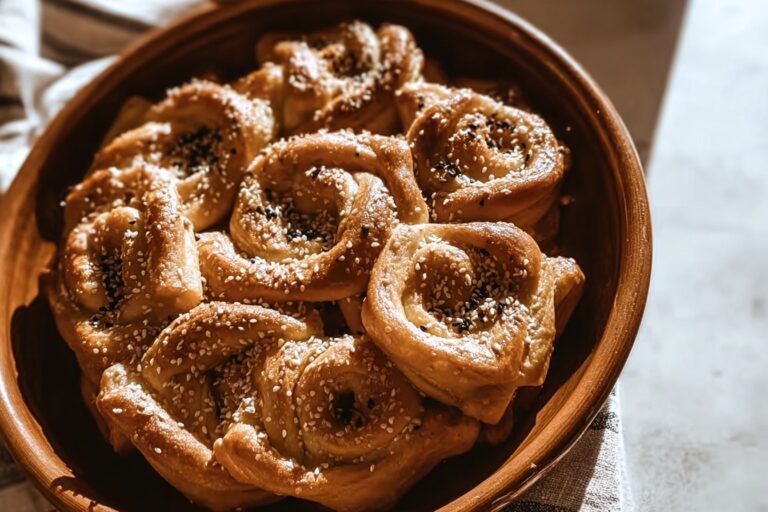
🥮 Savor these intricate Moroccan flower-shaped cookies, fried to crispy perfection and soaked in fragrant honey – an essential Ramadan treat bursting with sesame, anise, and saffron aromas!
🍯 Ideal for iftar gatherings, they offer a delightful chewy-crisp texture that’s labor-intensive but rewarding, bringing authentic festive joy to your table!
- Total Time: 1 hour 45 minutes
- Yield: 2 kg (over 4 pounds) cookies
Ingredients
– 1/2 kg (about 4 cups) flour, plus extra if needed
– 1 bowl (about 200 g or 7 oz) golden unhulled sesame seeds, toasted
– 1 teaspoon ground anise
– 1 teaspoon ground cinnamon
– 1/2 teaspoon salt
– 1/2 teaspoon crumbled saffron threads
– 1/4 teaspoon Moroccan yellow colorant
– Pinch of Gum Arabic grains mixed with 1/4 teaspoon sugar, crushed to powder
– 1 extra-large egg
– 1/4 cup melted butter
– 1/4 cup olive oil
– 1/4 cup vinegar
– 1/4 cup orange flower water
– 2 teaspoons yeast dissolved in 1/4 cup warm water
– 1 1/2 kg (about 3 lbs) honey
– 2 tablespoons orange flower water for honey
– 1 1/2 liters vegetable oil for frying
– 1/2 cup golden unhulled sesame seeds, toasted for decoration
Instructions
1-First Step: Pick through sesame seeds to remove debris. Toast in a 400°F (200°C) oven for 10 to 15 minutes until crunchy and fragrant, then cool completely and store airtight.
2-Second Step: Grind one bowlful of toasted sesame seeds in a food processor until a moist powder forms. Mix this with flour and the dry ingredients in a large bowl.
3-Third Step: Add the remaining ingredients and mix by hand until the dough forms. If needed, add extra flour to adjust the consistency. Knead by hand for 7 to 8 minutes or with a mixer dough hook for 4 to 5 minutes until smooth.
4-Fourth Step: Divide dough into four portions. Shape each into a smooth mound, then let rest in a plastic bag for 10 to 15 minutes. This rest makes rolling easier for your hands and helps the dough relax.
5-Fifth Step: Roll one portion to a thin, cardboard-like thickness on a floured surface if needed. Cut into palm-sized rectangles.
6-Sixth Step: Make four lengthwise cuts in each rectangle, leaving the edges intact so five strips remain attached. This cutting pattern is what creates the flower shape when you fold.
7-Seventh Step: Fold dough by threading the middle finger through alternating strips. Pinch outer corners together to form a flower center, then turn strips inside-out and seal opposite corners to create an elongated flower shape.
8-Eighth Step: Place folded pieces on baking sheets. Collect scraps, remold, and roll again. Cover trays with a towel until you are ready to fry.
9-Ninth Step: Heat one inch of vegetable oil in a deep frying pan over medium heat. You want steady frying so Moroccan Chebakia browns slowly.
10-Tenth Step: Heat honey in a pot until frothy but not boiling. Add orange flower water, then remove from heat. Keep the honey hot so it soaks efficiently.
11-Eleventh Step: Fry chebakia in batches. Adjust heat to slowly brown cookies over about 10 minutes. Work in small batches so the oil temperature stays stable.
12-Twelfth Step: Transfer fried cookies directly to hot honey using a slotted spoon. Submerge and soak for 5 to 7 minutes until glossy amber. Soaking time affects texture and sweetness, so taste and adjust if you like them more crisp or more tender.
13-Final Step: Drain briefly, place cookies on a tray, and sprinkle centers with toasted sesame seeds. Repeat with remaining batches, then cool completely before storing.
Last Step:
Please leave a rating and comment letting us know how you liked this recipe! This helps our business to thrive and continue providing free, high-quality recipes for you.Notes
🌰 Toast sesame seeds thoroughly in the oven for maximum nutty flavor that defines chebakia’s taste.
⏱️ Control soaking time in honey: shorter for crispier, less sweet cookies; longer for softer, sweeter ones.
👨👩👧👦 Divide shaping tasks among family – it’s time-consuming but makes for great bonding during Ramadan prep!
- Prep Time: 45 minutes
- Resting & Soaking: 15 minutes
- Cook Time: 45 minutes
- Category: Desserts
- Method: Deep Fried
- Cuisine: Moroccan
- Diet: Vegetarian
Nutrition
- Serving Size: 5 cookies
- Calories: 320 kcal
- Sugar: 28g
- Sodium: 45mg
- Fat: 14g
- Saturated Fat: 3g
- Unsaturated Fat: 10g
- Trans Fat: 0g
- Carbohydrates: 48g
- Fiber: 2g
- Protein: 4g
- Cholesterol: 12mg