Why You’ll Love These Moroccan Pancakes
Moroccan Pancakes, also known as baghrir, bring a fun twist to breakfast with their honeycomb tops, soft centers, and light semolina flavor. They are a great choice when you want something special without spending all morning in the kitchen. This recipe fits busy mornings, cozy weekends, and even make-ahead meal prep for the week.
- Easy to make: The batter comes together fast in a blender, so there is very little hands-on work. After a short rest, the pancakes cook quickly on one side only.
- Light and filling: Each serving is modest in calories, with a balanced mix of carbs, a little protein, and just 1 gram of fat. That makes them a nice option for lighter breakfasts.
- Flexible for many eaters: You can serve them with honey and butter, or swap toppings to fit your routine. They work well for students, working professionals, and families.
- Distinctive texture and flavor: The tiny bubbles soak up melted butter and honey, giving every bite a soft, sweet finish that feels different from regular pancakes.
These fluffy Moroccan pancakes are a breeze to make on a busy morning, and I always add a drizzle of honey to let those tiny holes shine with extra flavor.
If you enjoy breakfast recipes with a little personality, you may also like this Moroccan carrot chick pea salad for a savory side or light lunch later in the day.
Jump to:
- Why You’ll Love These Moroccan Pancakes
- Essential Ingredients for Moroccan Pancakes
- Main Ingredients
- Special Dietary Options
- How to Prepare the Perfect Moroccan Pancakes: Step-by-Step Guide
- First Step: Measure and blend the batter
- Second Step: Let the batter rest
- Third Step: Preheat the pan
- Fourth Step: Cook one pancake at a time
- Fifth Step: Keep the pancakes warm
- Final Step: Serve with butter and honey
- Quick timing guide
- Dietary Substitutions to Customize Your Moroccan Pancakes
- Protein and main component alternatives
- Vegetable, sauce, and seasoning modifications
- Mastering Moroccan Pancakes: Advanced Tips and Variations
- Pro cooking techniques
- Flavor variations
- Presentation tips
- Make-ahead options
- How to Store Moroccan Pancakes: Best Practices
- Refrigeration
- Freezing
- Reheating
- Meal prep considerations
- Nutrition Snapshot for Moroccan Pancakes
- FAQs: Frequently Asked Questions About Moroccan Pancakes
- What is baghrir and how is it different from regular pancakes?
- Why does baghrir batter need to rest before cooking?
- Why is my baghrir sticking to the pan and how do I fix it?
- Can you make baghrir without semolina?
- How do you serve and store Moroccan baghrir pancakes?
- Moroccan Pancakes
- Ingredients
- Instructions
- Last Step:
- Notes
- Nutrition
- Did you make this recipe?
Essential Ingredients for Moroccan Pancakes
This baghrir recipe uses simple pantry ingredients, but each one plays an important role in the final texture. If you want those signature bubbles, the batter needs to be thin, smooth, and well rested.
Main Ingredients
- 1 1/2 cups semolina flour: The star ingredient that gives Moroccan Pancakes their nutty taste and spongy texture.
- 1/4 cup all-purpose flour: Helps bind the batter and gives the pancakes a little extra structure.
- 2 cups lukewarm water plus 2 tablespoons more: Creates the loose batter needed for the honeycomb surface.
- 2 teaspoons yeast: Helps the batter rise and form bubbles during resting.
- 2 teaspoons baking powder: Adds extra lift and helps create a lighter pancake.
- 1/2 teaspoon kosher salt: Balances the flavor and keeps the pancakes from tasting flat.
- 1 teaspoon sugar: Feeds the yeast a little and adds a slight sweetness.
- 1/4 cup melted butter for serving: Melts into the warm pancakes and gives them a rich finish.
- 1/4 cup honey for serving: The classic topping that soaks into every tiny hole.
Special Dietary Options
- Vegan: Use plant-based butter and vegan honey alternative, or maple syrup.
- Gluten-free: Use a gluten-free flour blend with fine cornmeal or rice flour, though the texture will be a little different.
- Low-calorie: Skip the butter and use a light drizzle of honey, agave, or fruit puree.
For more pantry-friendly recipe inspiration, take a look at this easy veggie fried rice for another meal that works well on a busy schedule.
How to Prepare the Perfect Moroccan Pancakes: Step-by-Step Guide
Baghrir is simple once you understand the rhythm of the recipe. The batter needs a short blend, a short rest, and then gentle cooking on a warm skillet. If you keep the batter loose and resist the urge to flip the pancakes, you will get the classic porous top that makes Moroccan Pancakes so special.
First Step: Measure and blend the batter
Add the semolina flour, all-purpose flour, lukewarm water, yeast, baking powder, kosher salt, and sugar to a blender. Blend for 1 minute until the mixture looks smooth and fairly thin. The batter should be runny, almost like a loose crepe batter, because thick batter will not spread well in the pan.
If the batter seems too dense, add the extra 2 tablespoons of water and blend again briefly. This small adjustment matters, since the right consistency helps the bubbles form later.
Second Step: Let the batter rest
Pour the batter into a covered bowl and let it rest for 15 to 20 minutes, or until it looks bubbly. This resting time helps the yeast wake up and gives the pancakes their airy texture. If your kitchen is cool, place the bowl in a slightly warm spot.
Resting the batter is not a skipped step. It is what turns a thin mixture into authentic baghrir with those little holes on top.
Third Step: Preheat the pan
Set a non-stick griddle or skillet over medium heat and let it warm for 2 minutes. A good non-stick surface matters here because these pancakes cook on one side only and should release easily. If your pan is too cool, the batter may stick. If it is too hot, the bottom can brown before the top sets.
For the best texture, aim for steady medium heat. If needed, raise the heat a little after testing the first pancake, especially if the batter seems to cling to the pan.
Fourth Step: Cook one pancake at a time
Pour about 1/4 cup of batter into the pan for each pancake. Do not spread it with the back of a spoon. Let it settle on its own so the bubbles can rise naturally. Cook for 2 to 3 minutes, watching for holes to form across the surface and for the top to turn dry.
Do not flip the pancake. Moroccan Pancakes are cooked on one side only, which keeps the top soft and lacy. As the pancake cooks, the edges should look set and the top should lose its wet shine.
Fifth Step: Keep the pancakes warm
Move each cooked pancake to a baking sheet and place it in a preheated 200°F oven while you finish the rest. This keeps the stack warm without drying it out. If you are serving a crowd, this step is very helpful because the pancakes stay ready while the rest cook.
When using the oven, keep the pancakes in a single layer if possible. That helps them stay light instead of steaming into each other.
Final Step: Serve with butter and honey
Serve the pancakes warm or at room temperature with 1/4 cup melted butter and 1/4 cup honey. Spoon or drizzle the topping over the top so it sinks into the little holes. That is one of the best parts of baghrir, because each bite gets sweet, buttery, and soft at the same time.
For a more traditional touch, pair the pancakes with mint tea. For a quick weekday breakfast, serve them straight from the pan with honey on the side. If you want another recipe with a warm, comforting feel, you might like this creamy tortellini minestrone soup for a simple family meal later in the week.
Quick timing guide
| Step | Time |
|---|---|
| Prep | 5 minutes |
| Cook | 35 minutes |
| Resting | 20 minutes |
| Total | 1 hour |
Yield is about 20 to 25 pancakes, depending on the size of each ladleful. That makes this recipe a smart choice for family breakfasts, brunch gatherings, and meal prep.

Dietary Substitutions to Customize Your Moroccan Pancakes
Protein and main component alternatives
Moroccan Pancakes traditionally rely on semolina flour, but you can make a few changes if you need to work with what you have. If semolina is unavailable, use a 50/50 mix of semolina and all-purpose flour, though the flavor and bubbles may be a bit milder. For a gluten-free version, try fine rice flour or a smooth cornmeal blend, and add a little extra yeast for better lift.
If you want to skip yeast, you can swap in equal parts acidic liquid such as lemon juice or vinegar with baking soda. Another simple option is to use only 2 teaspoons baking powder and skip the resting step, but the texture will be a little different from classic baghrir. Fresh baking powder matters here, because old baking powder will not create enough bubbles.
Vegetable, sauce, and seasoning modifications
While Moroccan Pancakes are usually served sweet, you can change the toppings to fit your day. Try maple syrup, date syrup, or fruit compote instead of honey. A little cinnamon or orange blossom water adds a lovely aroma. For a savory plate, pair the pancakes with soft cheese, herbs, or even a light yogurt dip.
If you like balancing sweet breakfast dishes with savory meals, try these Asian lentil lettuce wraps for a fresh lunch idea packed with simple ingredients.
Mastering Moroccan Pancakes: Advanced Tips and Variations
Pro cooking techniques
The biggest secret to great baghrir is batter texture. Keep it loose and runny so it spreads naturally in the pan. If it thickens while resting, stir in a little water and blend again for a smooth finish. Another helpful trick is to test one pancake first, then adjust heat if it sticks or browns too fast.
Cook on one side only, and keep the heat at medium or slightly lower. This gives the top enough time to form holes without burning the base. If your pan starts to get residue, wipe it gently with a paper towel between batches.
Flavor variations
For a richer breakfast, add orange zest to the batter or serve with cinnamon honey. You can also make a less sweet version and top the pancakes with yogurt and fresh berries. Some cooks like adding a little extra sugar, but the classic version stays fairly mild so the toppings can shine.
Presentation tips
Stack the pancakes in a tall pile and drizzle butter and honey over the top right before serving. Let some of the topping run down the sides for a cozy, homey look. A plate with mint tea, fruit, or a small bowl of extra honey makes the spread feel special without extra work.
Make-ahead options
You can make the batter ahead of time and let it rest longer in the refrigerator, then bring it back to room temperature before cooking. The pancakes also hold well after cooking, so they are a great brunch option for guests. For another make-ahead friendly recipe, check out this three cheese peach prosciutto pizza when you want something savory for later.
How to Store Moroccan Pancakes: Best Practices
Moroccan Pancakes store well, which makes them a practical recipe for busy weeks. With the right storage method, you can keep a batch ready for quick breakfasts and snack-time treats.
Refrigeration
Let the pancakes cool fully, then place them in an airtight container. They will keep in the refrigerator for up to 3 days. If you stack them, separate layers with parchment so they do not stick together.
Freezing
For longer storage, freeze the pancakes for up to 2 months. Stack them with parchment paper between each pancake, then place them in a freezer bag or sealed container. This makes it easy to grab just a few at a time.
Reheating
Reheat in a dry skillet over low heat for the best texture. You can also warm them in the microwave for a few seconds, but the pan helps bring back a little of that soft outer texture. If frozen, thaw overnight in the refrigerator before reheating.
Meal prep considerations
If you plan to meal prep, make a full batch and store the pancakes in portions. That way, you can warm only what you need. They work well for quick breakfasts, lunchbox treats, or a sweet snack with tea.
Nutrition Snapshot for Moroccan Pancakes
These pancakes are light enough for a simple breakfast, yet satisfying when paired with honey and butter. Here is the nutrition information per serving:
| Nutrient | Amount |
|---|---|
| Calories | 70 |
| Carbohydrates | 14g |
| Protein | 3g |
| Fat | 1g |
| Saturated Fat | 1g |
| Sodium | 128mg |
| Potassium | 46mg |
| Fiber | 1g |
| Sugar | 1g |
| Vitamin C | 1mg |
| Calcium | 34mg |
| Iron | 1mg |
For readers who like checking food facts, semolina is a wheat-based ingredient with a hearty texture and useful nutrients. You can read more about semolina in this helpful semolina nutrition guide before deciding how it fits your meals.
FAQs: Frequently Asked Questions About Moroccan Pancakes
What is baghrir and how is it different from regular pancakes?
Why does baghrir batter need to rest before cooking?
Why is my baghrir sticking to the pan and how do I fix it?
Can you make baghrir without semolina?
How do you serve and store Moroccan baghrir pancakes?
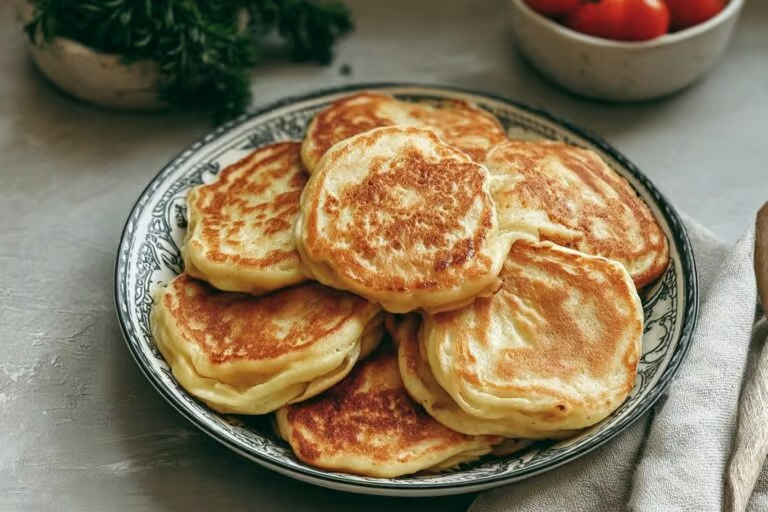
Moroccan Pancakes
🥞 Indulge in light, spongy Baghrir pancakes featuring signature honeycomb holes that perfectly absorb butter and honey for a delightful texture.
🍯 Experience authentic Moroccan flavors with this easy, yeast-leavened breakfast treat that’s naturally sweet and satisfying.
- Total Time: 1 hour
- Yield: 12 pancakes
Ingredients
– 1 1/2 cups semolina flour
– 1/4 cup all-purpose flour
– 2 cups lukewarm water plus 2 tablespoons more
– 2 teaspoons yeast
– 2 teaspoons baking powder
– 1/2 teaspoon kosher salt
– 1 teaspoon sugar
– 1/4 cup melted butter for serving
– 1/4 cup honey for serving
Instructions
1-First Step: Measure and blend the batter Add the semolina flour, all-purpose flour, lukewarm water, yeast, baking powder, kosher salt, and sugar to a blender. Blend for 1 minute until the mixture looks smooth and fairly thin. The batter should be runny, almost like a loose crepe batter, because thick batter will not spread well in the pan. If the batter seems too dense, add the extra 2 tablespoons of water and blend again briefly. This small adjustment matters, since the right consistency helps the bubbles form later.
2-Second Step: Let the batter rest Pour the batter into a covered bowl and let it rest for 15 to 20 minutes, or until it looks bubbly. This resting time helps the yeast wake up and gives the pancakes their airy texture. If your kitchen is cool, place the bowl in a slightly warm spot. Resting the batter is not a skipped step. It is what turns a thin mixture into authentic baghrir with those little holes on top.
3-Third Step: Preheat the pan Set a non-stick griddle or skillet over medium heat and let it warm for 2 minutes. A good non-stick surface matters here because these pancakes cook on one side only and should release easily. If your pan is too cool, the batter may stick. If it is too hot, the bottom can brown before the top sets. For the best texture, aim for steady medium heat. If needed, raise the heat a little after testing the first pancake, especially if the batter seems to cling to the pan.
4-Fourth Step: Cook one pancake at a time Pour about 1/4 cup of batter into the pan for each pancake. Do not spread it with the back of a spoon. Let it settle on its own so the bubbles can rise naturally. Cook for 2 to 3 minutes, watching for holes to form across the surface and for the top to turn dry. Do not flip the pancake. Moroccan Pancakes are cooked on one side only, which keeps the top soft and lacy. As the pancake cooks, the edges should look set and the top should lose its wet shine.
5-Fifth Step: Keep the pancakes warm Move each cooked pancake to a baking sheet and place it in a preheated 200°F oven while you finish the rest. This keeps the stack warm without drying it out. If you are serving a crowd, this step is very helpful because the pancakes stay ready while the rest cook. When using the oven, keep the pancakes in a single layer if possible. That helps them stay light instead of steaming into each other.
6-Final Step: Serve with butter and honey Serve the pancakes warm or at room temperature with 1/4 cup melted butter and 1/4 cup honey. Spoon or drizzle the topping over the top so it sinks into the little holes. That is one of the best parts of baghrir, because each bite gets sweet, buttery, and soft at the same time. For a more traditional touch, pair the pancakes with mint tea. For a quick weekday breakfast, serve them straight from the pan with honey on the side. If you want another recipe with a warm, comforting feel, you might like this creamy tortellini minestrone soup for a simple family meal later in the week.
Last Step:
Please leave a rating and comment letting us know how you liked this recipe! This helps our business to thrive and continue providing free, high-quality recipes for you.Notes
💧 Keep the batter loose and runny by adding a bit more water if it thickens during resting.
🌾 Use fine-grain semolina flour from durum wheat for the authentic texture and hole formation.
⏳ Always rest the batter to activate the yeast, ensuring fluffy, bubbly pancakes.
- Prep Time: 5 minutes
- Resting Time: 20 minutes
- Cook Time: 35 minutes
- Category: Breakfast
- Method: Stovetop
- Cuisine: Moroccan
- Diet: Vegetarian
Nutrition
- Serving Size: 1 pancake
- Calories: 70 kcal
- Sugar: 1g
- Sodium: 128mg
- Fat: 1g
- Saturated Fat: 1g
- Unsaturated Fat: 0g
- Trans Fat: 0g
- Carbohydrates: 14g
- Fiber: 1g
- Protein: 3g
- Cholesterol: 0mg