Why You’ll Love This Nama Donuts
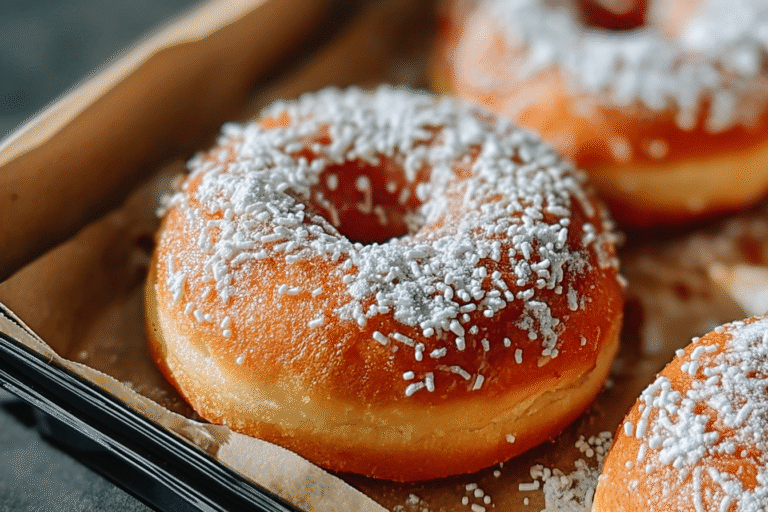
If you’ve ever dreamed of biting into a cloud-like pastry that melts in your mouth, Nama donuts are about to become your new favorite indulgence. These Japanese-style donuts (known as 生ドーナツ) have taken the dessert world by storm with their incredibly soft texture and fresh cream filling. Unlike traditional donuts that can be heavy and greasy, Nama donuts offer a delicate balance of sweetness and lightness that makes them utterly irresistible.
Whether you’re an experienced baker or new to making fresh donuts at home, this Nama donuts recipe will guide you through creating these treats with confidence. The unique tangzhong method used in the dough gives them their signature pillowy texture, while the fresh cream filling adds just the right amount of richness.
- Ease of preparation: Despite their impressive appearance, Nama donuts are surprisingly simple to make. With just a few basic ingredients and straightforward steps, you can create bakery-quality donuts in your own kitchen. The entire process takes about 3 hours from start to finish, but most of that time is hands-off while the dough rises.
- Distinctive flavor: What sets Nama donuts apart is their combination of a tender, slightly sweet dough with a creamy, light filling. The subtle vanilla flavor in the cream complements the mild sweetness of the donut without being overwhelming. Unlike heavily glazed donuts, these focus on the quality of the ingredients and the texture rather than excessive sweetness.
- Versatility: This Nama donuts recipe is incredibly adaptable. You can easily customize the filling with different flavors like matcha, chocolate, or fruit purees. The dough can also be made into different shapes if you prefer not to make traditional rings. For those who enjoy simple breakfast treats, try our mini muffin pancake bites for another easy-to-make option.
- Health benefits: Compared to traditional donuts, Nama donuts are lighter with approximately 100-150 calories each. The tangzhong method actually makes nutrients more bioavailable, and by making them at home, you control the quality of ingredients. Eggs in this recipe provide benefits of using eggs in baking, including protein and essential nutrients. For more information about the nutritional value of eggs, check out our other recipes featuring this versatile ingredient.
Once you experience the joy of biting into a freshly made Nama donut, you’ll understand why these Japanese treats have gained such a devoted following. They’re perfect for special occasions, weekend treats, or simply when you want to create something special in your kitchen.
Jump to:
- Why You’ll Love This Nama Donuts
- Essential Ingredients for Nama Donuts
- For the Tangzhong Starter
- For the Dough
- For the Filling
- Special Dietary Options
- Vegan Substitutions
- Gluten-Free Options
- Lower-Calorie Alternatives
- How to Prepare the Perfect Nama Donuts: Step-by-Step Guide
- Preparing the Tangzhong Starter
- Making the Dough
- Rising and Shaping
- Frying the Donuts
- Filling and Finishing
- Dietary Substitutions to Customize Your Nama Donuts
- Protein and Main Component Alternatives
- Vegetable, Sauce, and Seasoning Modifications
- Mastering Nama Donuts: Advanced Tips and Variations
- Pro Cooking Techniques
- Flavor Variations
- Presentation Tips
- Make-Ahead Options
- How to Store Nama Donuts: Best Practices
- Refrigeration
- Freezing
- Reheating
- Meal Prep Considerations
- FAQs: Frequently Asked Questions About Nama Donuts
- What are Nama donuts?
- How do you make Nama donuts at home?
- Where can I buy Nama donuts?
- What’s the difference between Nama donuts and regular donuts?
- How should I store Nama donuts?
- Nama Donuts
- Ingredients
- Instructions
- Last Step:
- Notes
- Nutrition
- Did you make this recipe?
Essential Ingredients for Nama Donuts
The magic of Nama donuts comes from the precise combination of ingredients that create their signature texture and flavor. This recipe uses the tangzhong method a Japanese technique of cooking a portion of flour with liquid before adding it to the dough which results in incredibly soft, moist donuts that stay fresh longer.
For the perfect Nama donuts, you’ll need to gather these ingredients:
For the Tangzhong Starter
- 20g bread flour – The foundation of the starter that helps retain moisture
- 100ml milk – Creates a smooth paste when combined with the flour
For the Dough
- 250g bread flour – Provides structure with higher protein content than all-purpose flour
- 50g sugar – Adds subtle sweetness and helps with browning
- 5g instant yeast – Leavens the dough for the perfect rise
- 1 egg – Adds richness and helps bind the ingredients
- 120ml milk – Creates moisture and activates the yeast
- 30g unsalted butter – Adds tenderness and flavor to the finished donuts
For the Filling
- 200ml heavy cream – Whipped to create the light, creamy filling
- 20g sugar – Sweetens the cream filling
- 1 teaspoon vanilla extract – Adds classic flavor to the cream
Special Dietary Options
Vegan Substitutions
- Replace milk with oat milk, soy milk, or almond milk
- Substitute the egg with 1 tablespoon flaxseed meal mixed with 3 tablespoons water
- Use coconut oil or vegan butter instead of dairy butter
- Use coconut cream whipped with sugar for the filling
Gluten-Free Options
- Replace bread flour with a high-quality gluten-free flour blend
- Add 1 teaspoon xanthan gum to help with dough structure
- Use certified gluten-free oats for any oat-based milk substitutions
Lower-Calorie Alternatives
- Replace half the butter in the dough with unsweetened applesauce
- Use stevia or monk fruit sweetener instead of regular sugar
- Lighten the filling by using a combination of Greek yogurt and reduced-fat whipped cream
“The secret to the incredible texture of Nama donuts lies in the tangzhong method. This Japanese technique creates a donut that’s not just delicious, but has a moisture content that keeps it soft for hours after frying.”
How to Prepare the Perfect Nama Donuts: Step-by-Step Guide
Creating these delightful Japanese donuts is a rewarding process that yields impressive results. Follow these detailed steps to make authentic Nama donuts that rival those found in specialty bakeries.
Preparing the Tangzhong Starter
First Step: Begin by creating the tangzhong starter that gives Nama donuts their signature soft texture. In a small saucepan over medium heat, whisk together 20g bread flour and 100ml milk until smooth. Continue stirring constantly as the mixture heats up and thickens to a paste-like consistency. This should take about 2-3 minutes. Once thickened, remove from heat and let it cool to room temperature. This starter can be made ahead and refrigerated for up to 24 hours.
Making the Dough
Second Step: In the bowl of a stand mixer fitted with a dough hook (or a large bowl if kneading by hand), combine 250g bread flour, 50g sugar, and 5g instant yeast. Mix these dry ingredients together well. Add the cooled tangzhong starter, 1 egg, and 120ml milk to the flour mixture. Knead on medium-low speed for about 5 minutes until the dough comes together and begins to develop elasticity.
Third Step: Add the 30g butter, softened to room temperature, to the dough. Continue kneading for another 8-10 minutes until the dough is smooth, shiny, and passes the windowpane test (when stretched, it should be thin enough to see light through without tearing). The dough should feel tacky but not overly sticky. If using a stand mixer, you may need to stop and scrape down the sides occasionally.
Rising and Shaping
Fourth Step: Shape the dough into a smooth ball and place it in a lightly oiled bowl. Cover with plastic wrap or a clean kitchen towel and let it rise in a warm, draft-free place for about 1 hour, or until doubled in size. The ideal temperature for rising is around 80°F (26°C). To test if it’s ready, gently press your finger into the dough. If the indentation remains, the dough is properly risen.
Fifth Step: Once the dough has risen, gently punch it down to release air bubbles. Transfer it to a lightly floured surface and divide into 12 equal pieces. Roll each piece into a smooth ball, then flatten slightly and use your thumb to create a hole in the center. Gently stretch the ring to form the classic donut shape. For best results, keep the remaining dough covered while you work to prevent it from drying out.
Sixth Step: Place the shaped donuts on a baking sheet lined with parchment paper, leaving space between each one. Cover loosely with plastic wrap and let them proof for 30-45 minutes, or until they’ve increased in size by about half. Meanwhile, prepare the filling by whipping 200ml heavy cream with 20g sugar and vanilla extract until stiff peaks form. Transfer to a piping bag fitted with a narrow tip and refrigerate until needed.
Frying the Donuts
Seventh Step: Heat 2-3 inches of vegetable oil in a heavy-bottomed pot or Dutch oven to 170°C (340°F). Use a kitchen thermometer to ensure accurate temperature, as this is crucial for proper frying. When the oil reaches the correct temperature, carefully add 2-3 donuts at a time, being careful not to overcrowd the pot.
Eighth Step: Fry the donuts for 1-2 minutes on the first side until golden brown, then carefully flip and fry for another 1-2 minutes on the second side. The donuts should be light golden in color, not dark brown. Using a slotted spoon or spider skimmer, transfer the fried donuts to a wire rack set over a baking sheet to drain excess oil. Let them cool completely before filling.
Filling and Finishing
Ninth Step: Once the donuts are completely cool, it’s time to fill them with the whipped cream. Insert the piping tip into the side of each donut, making sure to reach the center. Gently squeeze to fill the donut with cream, being careful not to overfill which could cause the donut to split. You’ll know it’s full when you feel slight resistance.
Final Step: Dust the filled donuts generously with powdered sugar for a classic finish. For added visual appeal, you can also decorate with a drizzle of chocolate, a sprinkle of matcha powder, or fresh fruit. These Nama donuts are best enjoyed the same day they’re made, when their texture is at its peak. Serve them at room temperature to fully appreciate their delicate texture and creamy filling.
| Prep Time | Cook Time | Yield | Skill Level |
|---|---|---|---|
| 2 hours | 10 minutes | 12 donuts | Medium |

Dietary Substitutions to Customize Your Nama Donuts
One of the wonderful aspects of this Nama donuts recipe is its adaptability to different dietary needs and preferences. With a few simple substitutions, you can create versions that accommodate various requirements without sacrificing texture or flavor.
Protein and Main Component Alternatives
For those looking to modify the protein components in this recipe, there are several excellent options that maintain the structure and texture of the donuts.
- Egg substitutes: If you’re avoiding eggs, a mixture of 1 tablespoon ground flaxseed combined with 3 tablespoons water works beautifully as a binder. Allow the mixture to sit for 5 minutes to gel before adding to the dough. For a lighter alternative, 60g of unsweetened applesauce or mashed banana can replace the egg, though these will slightly alter the flavor profile.
- Dairy alternatives: For those with lactose intolerance or dairy allergies, almond milk, oat milk, or soy milk can replace cow’s milk in both the tangzhong and the dough. Oat milk particularly mimics the creaminess of dairy milk. Coconut oil or a high-quality vegan butter substitute can replace the butter in the dough.
- Flour options: While bread flour is ideal for its protein content, all-purpose flour can be used in a pinch. For a whole grain version, try replacing half the bread flour with whole wheat pastry flour. This will add a slight nuttiness and increase the fiber content while maintaining a relatively soft texture.
Vegetable, Sauce, and Seasoning Modifications
Customizing the flavors of your Nama donuts opens up endless possibilities for creativity in the kitchen. These modifications can adapt the donuts to different seasons, occasions, or personal preferences.
- Filling variations: Beyond classic vanilla cream, consider flavoring your whipped cream with different extracts like almond, orange, or coconut. For a chocolate lover’s version, fold in melted and cooled dark chocolate to the whipped cream. Fruit purees such as strawberry, raspberry, or mango can be gently folded in for a fruity twist, or you can alternate layers of cream and fruit puree for a beautiful presentation.
- Seasonal adaptations: In autumn, add a teaspoon of pumpkin spice to the dough and fill with a spiced cream cheese mixture. During winter holidays, infuse the cream with peppermint extract or add crushed candy canes. Spring calls for delicate flavors like lemon zest in the dough and a light lemon cream filling, while summer donuts might feature fresh berries folded into the cream.
- Decorative touches: While powdered sugar is the classic finish, consider other toppings based on your filling. Chocolate glaze made with cocoa powder and a touch of butter complements vanilla cream beautifully. A matcha powder dusting pairs perfectly with a green tea-infused cream filling. For added texture, crushed nuts, sprinkles, or toasted coconut can be pressed gently onto the donuts immediately after dusting with sugar.
Remember that while these substitutions create wonderful variations, they may slightly alter the cooking time or consistency of the dough. Pay attention to how the dough feels during kneading and adjust with a small amount of flour or liquid if needed. The beauty of this Nama donuts recipe lies in its flexibility, allowing you to create a personalized version that suits your tastes perfectly.
Mastering Nama Donuts: Advanced Tips and Variations
Once you’ve mastered the basic Nama donuts recipe, you’ll want to refine your techniques with these professional tips. These suggestions will help you achieve consistent results and experiment with new flavor combinations that will impress family and friends.
Pro Cooking Techniques
- Temperature precision: For consistently perfect results, use a kitchen thermometer to monitor both the milk temperature for the tangzhong (aim for 65°C/149°F) and the oil temperature for frying (maintain 170°C/340°F). Small fluctuations can significantly impact the final texture. If the oil is too cool, the donuts will absorb excess fat and become greasy; if too hot, they’ll brown before cooking through.
- Optimal proofing: Create a proofing environment by turning your oven on for 1 minute, then turning it off and placing the dough inside. The gentle warmth and consistent humidity help the dough rise evenly. Avoid overproofing, as this can cause the donuts to collapse when fried. They should increase by about 50% in size during the second proof, not double.
- Perfect cream filling: For the smoothest cream filling, ensure all your equipment is thoroughly chilled before whipping. If the kitchen is warm, whip the cream over a bowl of ice water to maintain its temperature. The cream should be whipped to stiff peaks but not so far that it begins to separate. This ensures it will pipe smoothly into the donuts without causing them to burst.
Flavor Variations
- Matcha Nama Donuts: Add 2 teaspoons of high-quality matcha powder to the dry ingredients for the dough. For the filling, create a matcha-infused cream by dissolving 1 teaspoon matcha in a tablespoon of hot milk before incorporating it into the whipped cream. These donuts offer a beautiful contrast between the vibrant green cream and the golden exterior.
- Chocolate Lovers’ Version: Substitute 20g of the bread flour with cocoa powder for a chocolate dough. Fill with a rich chocolate ganache made by heating 100ml cream with 100g chopped dark chocolate until smooth. These indulgent donuts appeal to chocolate enthusiasts while maintaining the light texture characteristic of Nama donuts.
- Seasonal Fruit Creations: During stone fruit season, fold diced fresh peaches or nectarines into the cream filling. For fall, try apple pie spice in the dough and fill with a lightly sweetened cream cheese mixture. In summer, incorporate lemon curd between layers of vanilla cream for a bright, refreshing variation.
Presentation Tips
- Professional dusting: Use a fine-mesh sieve to dust powdered sugar over the donuts for an even, delicate coating. For a decorative effect, cut a simple paper stencil and place it over the donut before dusting to create patterns or letters. This technique is especially impressive for special occasions.
- Elegant serving: Serve Nama donuts on a cake stand or wooden board lined with a doily or parchment paper. Include small tongs for serving, as these delicate donuts can be damaged by fingers. If serving multiple varieties, create small identification cards using toothpicks and cardstock to indicate the different flavors.
Make-Ahead Options
- Dough preparation: The dough can be prepared up to 24 hours in advance. After the first rise, punch it down, wrap it tightly in plastic, and refrigerate. Bring to room temperature for 1 hour before proceeding with shaping and the second rise. This actually develops the flavor and can improve the texture.
- Efficient batch cooking: Prepare the tangzhong starter and dough the night before, then simply shape, proof, and fry in the morning for fresh donuts. The whipped cream filling is best made just before serving, but you can have all components prepped and ready for quick assembly. If you enjoy other make-ahead treats, our no-bake energy bites are another excellent option for busy schedules.
“For busy home cooks, preparing the dough the night before allows you to enjoy fresh Nama donuts with minimal morning effort. The slow refrigeration actually develops more complex flavors in the dough, resulting in an even tastier treat.”
These advanced techniques and variations will help you create Nama donuts that go beyond the basic recipe, allowing you to showcase your culinary creativity. Remember that practice makes perfect, and each batch will teach you something new about working with this unique dough.
How to Store Nama Donuts: Best Practices
Unlike traditional donuts that can last for several days, Nama donuts are best enjoyed fresh due to their high moisture content and fresh cream filling. However, with proper storage techniques, you can maintain their quality and extend their enjoyment period. Here’s how to store your Nama donuts to preserve their delicate texture and flavor.
Refrigeration
For short-term storage, place Nama donuts in an airtight container at room temperature for up to 6 hours. This preserves their soft, fluffy texture best. If you need to store them longer, refrigeration is necessary due to the fresh cream filling. Place the donuts in a single layer in an airtight container with parchment paper between layers to prevent sticking. Refrigerated Nama donuts will keep for 1-2 days, though the cream may begin to weep or separate slightly after the first day.
Freezing
Freezing is not recommended for filled Nama donuts, as the cream will separate and become grainy upon thawing. However, you can successfully freeze unfried donut dough rings. After shaping and proofing, place the donuts on a baking sheet lined with parchment paper and freeze until solid (about 2 hours). Transfer to a freezer-safe bag or container, separating layers with parchment paper. Frozen dough rings will maintain quality for up to 1 month. To use, thaw in the refrigerator overnight, then proceed with frying and filling as directed.
Reheating
To refresh day-old Nama donuts that have lost some of their freshness, try these gentle reheating methods. For refrigerated donuts, let them come to room temperature for 15-20 minutes before serving to improve texture. If you prefer them slightly warm, microwave on medium power for 5-10 seconds any longer may melt the cream filling too much. Alternatively, place them in a 300°F (150°C) oven for 2-3 minutes to restore warmth without cooking them further.
Meal Prep Considerations
For those who like to plan ahead, consider preparing components separately and assembling just before serving. The dough can be made and refrigerated for up to 24 hours before shaping and frying. The tangzhong starter can be made up to 2 days in advance and kept refrigerated. The cream filling is best made fresh, but you can have all ingredients measured and ready to whip when needed. This approach allows you to enjoy freshly assembled Nama donuts with minimal final preparation time.
| Storage Method | Duration | Quality Retained |
|---|---|---|
| Room temperature (airtight container) | Up to 6 hours | Best texture and flavor |
| Refrigeration | 1-2 days | Good, with some cream separation |
| Freezer (unfilled only) | Up to 1 month | Excellent when fried fresh |
Remember that Nama donuts are at their absolute best when enjoyed fresh, which is part of their charm in Japanese culture. Their delicate nature is a reminder to slow down and appreciate simple pleasures. For the ultimate experience, plan to make them when you have time to savor them shortly after they’re made.

FAQs: Frequently Asked Questions About Nama Donuts
What are Nama donuts?
How do you make Nama donuts at home?
Where can I buy Nama donuts?
What’s the difference between Nama donuts and regular donuts?
How should I store Nama donuts?
Nama Donuts
🍩 Pillowy-soft yeast-free donuts oozing ultra-creamy fresh whipped filling—authentic Japanese bakery texture without hours of proofing.
🥛 30-minute home treat bursts with lightness and customizable flavors; healthier fried delight for snack or dessert cravings!
- Total Time: 40 minutes
- Yield: 8 donuts
Ingredients
– 20g bread flour – The foundation of the starter that helps retain moisture
– 100ml milk – Creates a smooth paste when combined with the flour
– 250g bread flour – Provides structure with higher protein content than all-purpose flour
– 50g sugar – Adds subtle sweetness and helps with browning
– 5g instant yeast – Leavens the dough for the perfect rise
– 1 egg – Adds richness and helps bind the ingredients
– 120ml milk – Creates moisture and activates the yeast
– 30g unsalted butter – Adds tenderness and flavor to the finished donuts
– 200ml heavy cream – Whipped to create the light, creamy filling
– 20g sugar – Sweetens the cream filling
– 1 teaspoon vanilla extract – Adds classic flavor to the cream
Instructions
1-First Step: Begin by creating the tangzhong starter that gives Nama donuts their signature soft texture. In a small saucepan over medium heat, whisk together 20g bread flour and 100ml milk until smooth. Continue stirring constantly as the mixture heats up and thickens to a paste-like consistency. This should take about 2-3 minutes. Once thickened, remove from heat and let it cool to room temperature. This starter can be made ahead and refrigerated for up to 24 hours.
2-Second Step: In the bowl of a stand mixer fitted with a dough hook (or a large bowl if kneading by hand), combine 250g bread flour, 50g sugar, and 5g instant yeast. Mix these dry ingredients together well. Add the cooled tangzhong starter, 1 egg, and 120ml milk to the flour mixture. Knead on medium-low speed for about 5 minutes until the dough comes together and begins to develop elasticity.
3-Third Step: Add the 30g butter, softened to room temperature, to the dough. Continue kneading for another 8-10 minutes until the dough is smooth, shiny, and passes the windowpane test (when stretched, it should be thin enough to see light through without tearing). The dough should feel tacky but not overly sticky. If using a stand mixer, you may need to stop and scrape down the sides occasionally.
4-Fourth Step: Shape the dough into a smooth ball and place it in a lightly oiled bowl. Cover with plastic wrap or a clean kitchen towel and let it rise in a warm, draft-free place for about 1 hour, or until doubled in size. The ideal temperature for rising is around 80°F (26°C). To test if it’s ready, gently press your finger into the dough. If the indentation remains, the dough is properly risen.
5-Fifth Step: Once the dough has risen, gently punch it down to release air bubbles. Transfer it to a lightly floured surface and divide into 12 equal pieces. Roll each piece into a smooth ball, then flatten slightly and use your thumb to create a hole in the center. Gently stretch the ring to form the classic donut shape. For best results, keep the remaining dough covered while you work to prevent it from drying out.
6-Sixth Step: Place the shaped donuts on a baking sheet lined with parchment paper, leaving space between each one. Cover loosely with plastic wrap and let them proof for 30-45 minutes, or until they’ve increased in size by about half. Meanwhile, prepare the filling by whipping 200ml heavy cream with 20g sugar and vanilla extract until stiff peaks form. Transfer to a piping bag fitted with a narrow tip and refrigerate until needed.
7-Seventh Step: Heat 2-3 inches of vegetable oil in a heavy-bottomed pot or Dutch oven to 170°C (340°F). Use a kitchen thermometer to ensure accurate temperature, as this is crucial for proper frying. When the oil reaches the correct temperature, carefully add 2-3 donuts at a time, being careful not to overcrowd the pot.
8-Eighth Step: Fry the donuts for 1-2 minutes on the first side until golden brown, then carefully flip and fry for another 1-2 minutes on the second side. The donuts should be light golden in color, not dark brown. Using a slotted spoon or spider skimmer, transfer the fried donuts to a wire rack set over a baking sheet to drain excess oil. Let them cool completely before filling.
9-Ninth Step: Once the donuts are completely cool, it’s time to fill them with the whipped cream. Insert the piping tip into the side of each donut, making sure to reach the center. Gently squeeze to fill the donut with cream, being careful not to overfill which could cause the donut to split. You’ll know it’s full when you feel slight resistance.
10-Final Step: Dust the filled donuts generously with powdered sugar for a classic finish. For added visual appeal, you can also decorate with a drizzle of chocolate, a sprinkle of matcha powder, or fresh fruit. These Nama donuts are best enjoyed the same day they’re made, when their texture is at its peak. Serve them at room temperature to fully appreciate their delicate texture and creamy filling.
Last Step:
Please leave a rating and comment letting us know how you liked this recipe! This helps our business to thrive and continue providing free, high-quality recipes for you.Notes
🍩 Use cake flour for extra tenderness; spoon batter if no piping bag.
🥛 Chill cream bowl/tools for faster stable whipped filling.
🔥 Fry small batches—crowding drops oil temp, makes greasy donuts.
- Prep Time: 20 minutes
- Cool Time: 10 minutes
- Cook Time: 10 minutes
- Category: Dessert
- Method: Deep Frying
- Cuisine: Japanese
- Diet: Vegetarian
Nutrition
- Serving Size: 1 donut
- Calories: 320 kcal
- Sugar: 12g
- Sodium: 200mg
- Fat: 20g
- Saturated Fat: 10g
- Unsaturated Fat: 8g
- Trans Fat: 0g
- Carbohydrates: 30g
- Fiber: 1g
- Protein: 5g
- Cholesterol: 70mg