Why You’ll Love This Otak Otak
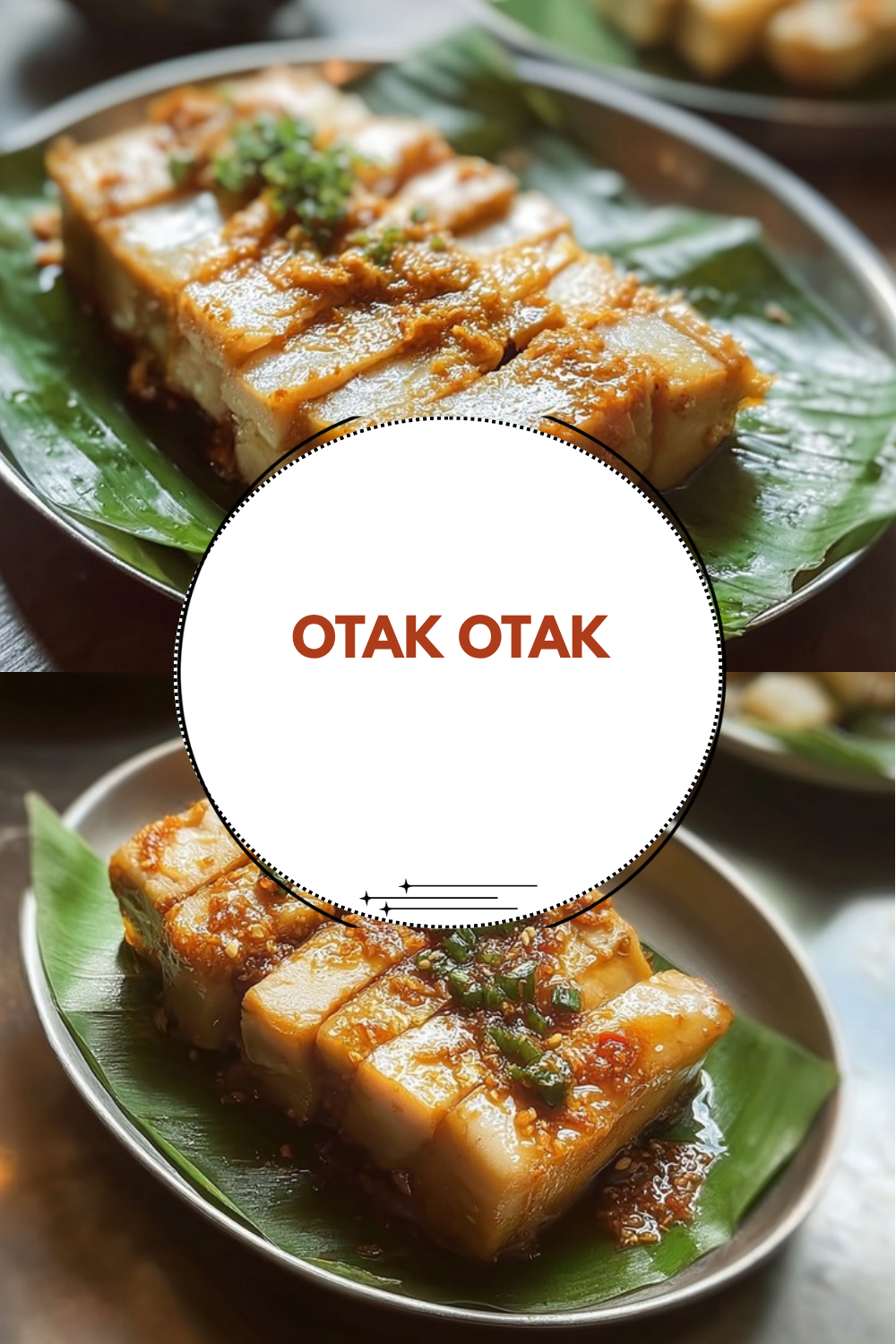
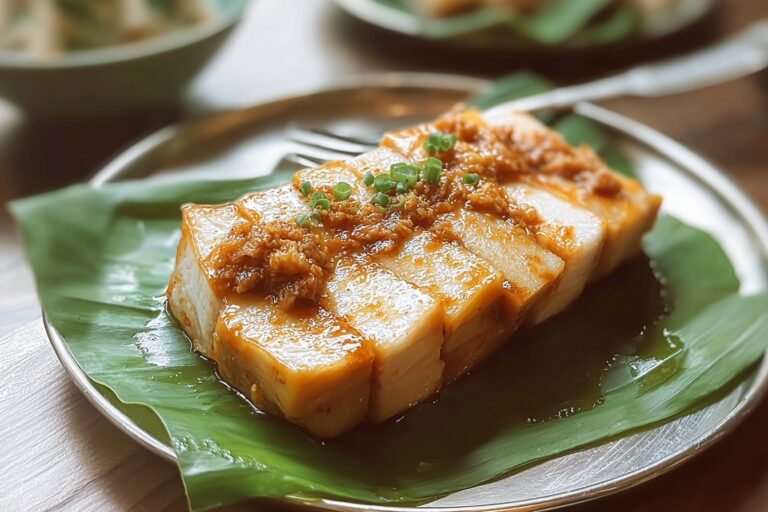
Otak Otak is a classic Southeast Asian street food from Indonesia, Malaysia, and Singapore. It features a spiced fish paste wrapped in banana, coconut, nipa palm, or attap leaves, then steamed or grilled until firm and fragrant. The result is moist, smoky, and full of aromatic flavor from lemongrass and turmeric.
- Ease of preparation: You blend the fish paste, wrap it, then cook for about 30 to 60 minutes. Once you master the wrapping, the process stays consistent and beginner-friendly.
- Health benefits: Otak-otak is protein-rich from the fish and uses coconut milk for richness without deep-frying. Grilling also helps keep it lower in fat than many fried versions.
- Versatility: You can customize fish choices, spice levels, and even leaf wrapping. It also pairs well with different sauces, from cuko to peanut sauce.
- Distinctive flavor: Cooking in leaves helps absorb smoky, fragrant notes and keeps the center juicy. The chili, garlic, shallots, and lemongrass create a bold, balanced taste.
Tip for first-timers: Steam or soften your leaves first. Pliable leaves wrap neatly and resist tearing during grilling.
If you enjoy similar Southeast Asian-inspired flavors with a fresh twist, you may also like the banana-based snack ideas on USA Flavor Hub, which pair nicely with casual tea-time meals.
Jump to:
- Why You’ll Love This Otak Otak
- Essential Ingredients for Otak Otak
- Ingredients (classic grilled fish cakes)
- Special Dietary Options
- How to Prepare the Perfect Otak Otak: Step-by-Step Guide
- Prep overview
- Step-by-step instructions
- Cooking times and doneness
- Dietary Substitutions to Customize Your Otak Otak
- Protein and Main Component Alternatives
- Vegetable, Sauce, and Seasoning Modifications
- Mastering Otak Otak: Advanced Tips and Variations
- Pro cooking techniques
- Flavor variations
- Presentation tips
- Make-ahead options
- How to Store Otak Otak: Best Practices
- Refrigeration
- Freezing
- Reheating
- Meal prep considerations
- FAQs: Frequently Asked Questions About Otak Otak
- What is otak-otak?
- What are the main ingredients for otak-otak?
- How do you make otak-otak at home?
- Can you make otak-otak without banana leaves?
- What is the best way to serve otak-otak?
- Otak Otak
- Ingredients
- Instructions
- Last Step:
- Notes
- Nutrition
- Did you make this recipe?
Essential Ingredients for Otak Otak
Otak-otak typically uses a spiced fish paste, tapioca or sago starch for texture, and coconut milk for richness. The mixture is wrapped in leaves and cooked until firm and infused with leaf essence.
Ingredients (classic grilled fish cakes)
- 500 g fresh fish fillets (mackerel or Spanish mackerel/tenggiri works best) for the spiced fish paste base
- 200 ml coconut milk for creamy binding and moderate calories
- 2 eggs for structure so the cakes hold together
- 2 tbsp rice flour for additional binding and a smooth texture
- 5 shallots for savory depth
- 3 garlic cloves for aromatic flavor
- 4 red chilies for heat and color
- 2 lemongrass stalks for bright, herbal aroma
- 1-inch galangal for warming, spicy fragrance
- 1 tsp turmeric powder for warm color and earthy flavor
- Salt to taste to season and balance the mixture
- Kaffir lime leaves or daun kesum (optional) for extra aroma
- Banana leaves (about 20 pieces), cut into 20 cm squares for wrapping, moisture retention, and smoky fragrance
- Toothpicks or staples (for securing) to hold parcels closed while cooking
Special Dietary Options
- Vegan: Traditional otak-otak is fish-based, but you can try a plant-based version using mashed tofu plus king oyster mushroom mince, then add coconut milk, tapioca or sago starch (for chew), and the same herb-spice aromatics.
- Gluten-free: Rice flour is naturally gluten-free. If you serve with dipping sauces that may contain wheat (some sambal brands do), choose certified gluten-free sauces.
- Low-calorie: Use lighter coconut milk (or reduce coconut milk slightly and add more fish paste). Also choose grilling over frying to keep fat lower.
Note: Many recipes also mention tapioca or sago starch for a more traditional chew. If you prefer that texture, substitute part of the binder with tapioca or sago starch.
How to Prepare the Perfect Otak Otak: Step-by-Step Guide
Otak-otak is prepared by blending ground fish paste with spices, starch, and coconut milk into a smooth mixture. You then shape it into small logs or parcels, secure it in softened leaves, and cook by steaming or grilling until firm. Total cook time is typically around 30 to 60 minutes depending on parcel size and your heat level.
Prep overview
- Yield: about 20 pieces (based on 20 banana leaf squares)
- Cook method: grilled or steamed
- Time: about 30 to 60 minutes total cooking time
Optional pairing: Serve with Indonesian cuko (sweet-sour-spicy vinegar sauce) or Malaysian peanut sauce for extra zing. Traditional chili dipping sauces also work well if you prefer a simpler match.
Step-by-step instructions
First Step: Prepare your leaves. Cut banana leaves into about 20 cm squares (around 20 pieces). Soften them by steaming over low heat, then pat dry so they don’t tear and don’t add excess water to the batter.
Second Step: Make the spice paste. Blend or pound together shallots, garlic, red chilies, lemongrass, galangal, turmeric, and salt until you get a fragrant paste. If using kaffir lime leaves or daun kesum, finely chop them and set them aside.
Third Step: Blend the fish paste. Grind or mince the fresh fish fillets, then blend the fish with the spice paste until smooth. This step is important because it creates the uniform texture that makes otak-otak taste “silky” rather than chunky.
Fourth Step: Mix in coconut milk and binders. Add coconut milk, eggs, and rice flour. Stir until the mixture looks cohesive and slightly thick. If you want a more traditional chew, you can also include tapioca or sago starch as part of the binder.
Fifth Step: Rest the mixture briefly. Let the mixture sit for 5 to 10 minutes so the starch hydrates. It also helps the mixture wrap more cleanly without breaking.
Sixth Step: Shape and wrap. Place a portion of mixture (about 2 to 3 tbsp per parcel) onto each softened leaf square. Shape into small logs or compact parcels, then fold the leaves tightly around the fish. Secure each parcel using toothpicks or small staples.
Seventh Step: Grill method. Preheat your grill to about 180°C. Grill parcels over medium heat for about 10 to 15 minutes per side until fragrant and firm, turning carefully to avoid leaking. Total grilling time will typically land within the 30 to 60 minute range depending on thickness.
Eighth Step: Steaming method (alternative). If you prefer steaming, place parcels in a steamer and cook until firm, usually around 20 to 30 minutes. Steaming is a good choice when you want a more tender texture and less smoke.
Final Step: Serve hot. Let parcels rest for 2 to 3 minutes so juices settle. Serve with a dipping sauce like cuko or Malaysian peanut sauce, and add cucumber slices or rice cakes (ketupat) if you want a fuller snack platter.
Cooking times and doneness
Because leaf size and heat vary, use firmness as your main guide. The center should feel set, and the outside should smell strongly of grilled leaves.
| Method | Target temperature | Approx. time | How to tell it’s ready |
|---|---|---|---|
| Grilling | Medium heat, around 180°C | 10 to 15 minutes per side | Firm, fragrant, no wet batter texture |
| Steaming | Steamer heat | About 20 minutes | Set inside, leaf-wrapped parcels hold shape |
Pro tip for even cooking: If you grill, turn parcels frequently to prevent burning and to keep leaf-wrapped moisture sealed.

Dietary Substitutions to Customize Your Otak Otak
Protein and Main Component Alternatives
If your goal is to adapt the recipe to what you can find locally, start with the fish. Otak-otak commonly uses mackerel, Spanish mackerel (tenggiri), milkfish, belida, or tuna. These fish have a tender yet firm texture after steaming or grilling, which helps the paste hold together.
- Seafood swap: Use tuna for a firmer bite, or milkfish for a milder flavor.
- Texture check: Choose fish that you can blend smoothly. If the paste feels grainy, blend longer before adding coconut milk.
- Starch choice: If you want more chew, use tapioca or sago starch as part of your binder. Rice flour is still fine for gluten-free needs.
Vegetable, Sauce, and Seasoning Modifications
Leaves and sauces are where you can personalize flavor without changing the core technique. Otak-otak can be wrapped in banana, coconut, nipa palm, or attap leaves, and grilled or steamed to retain moisture and absorb leaf fragrance.
- Leaf substitution: If banana leaves are unavailable, use foil packets for grilling. Seal tightly to hold moisture.
- Aroma boosts: Add kaffir lime leaves or daun kesum for a brighter herbal note.
- Sauce pairing: For Indonesian style, try cuko (sweet-sour-spicy vinegar sauce). For a Malaysian twist, use peanut sauce for extra richness.
- Spice level: Reduce chilies for milder heat or increase garlic and lemongrass for stronger aroma.
Mastering Otak Otak: Advanced Tips and Variations
Once you can wrap parcels without tearing, you can start focusing on texture, smoke, and flavor balance. The small details are what make grilled otak-otak taste “market fresh,” even when made at home.
Pro cooking techniques
- Steam leaves first: Soft leaves wrap more tightly and tear less during grilling.
- Use fresh fish paste: Fresh fish supports smoother blending and better bounce once cooked.
- Adjust spices to taste: Add more turmeric for warmth, or add a little extra lemongrass for perfume-like aroma.
- Prevent leaking: Wrap tightly and secure properly with toothpicks or staples.
Flavor variations
- Spicier grilled otak-otak: Increase chili paste and serve with sambal belacan.
- Aromatic herbal version: Lean more on lemongrass and galangal, plus add daun kesum.
- Smoky leaf-forward: Grill a bit longer, but keep heat medium so the fish paste sets without drying.
Presentation tips
Serve parcels in a small basket lined with parchment or banana leaf scraps. For parties, slice into bite-sized pieces or skewer for easier eating. You can also brush the outside lightly with coconut milk before grilling for a glossy finish.
Make-ahead options
You can prepare the fish paste and wrap parcels ahead of time. Store wrapped parcels in the fridge, then grill or steam when ready to serve. This is especially helpful for busy parents and working professionals who need a reliable meal with minimal last-minute prep.
For another Southeast Asian-inspired home project, you can also check cake batter milkshakes if you want a fun dessert pairing for family dinners.
How to Store Otak Otak: Best Practices
Proper storage helps keep texture and flavor. Because otak-otak contains fish and coconut milk, cool it quickly and store it safely.
Refrigeration
Place cooked otak-otak in an airtight container. Refrigerate for up to 2 days. When stored properly, the parcels remain flavorful, and the leaf aroma stays noticeable.
Freezing
For longer storage, freeze cooled parcels in a freezer-safe container or freezer bags. To reduce ice build-up, wrap parcels individually before freezing. Thaw in the refrigerator overnight before reheating.
Reheating
Reheat by grilling again for best results. An air fryer also works well at about 180°C for around 5 minutes. Avoid microwaving if you can, since it can make the outside soft and slightly watery.
Meal prep considerations
If you’re batch cooking, wrap parcels consistently so cooking times match. Label containers with the date you cooked them. This makes it easier to plan lunches for students, seniors, or anyone juggling a busy week.
FAQs: Frequently Asked Questions About Otak Otak
What is otak-otak?
What are the main ingredients for otak-otak?
How do you make otak-otak at home?
Can you make otak-otak without banana leaves?
What is the best way to serve otak-otak?
Otak Otak
🐟 Smoky, aromatic Malaysian fish cakes grilled in banana leaves – tender spiced mackerel paste bursting with lemongrass and chili!
🔥 Protein-rich street food snack, low-fat grilling method, easy to make ahead for picnics or BBQs!
- Total Time: 50 minutes
- Yield: 6 servings
Ingredients
– 500 g fresh fish fillets for the spiced fish paste base
– 200 ml coconut milk for creamy binding and moderate calories
– 2 eggs for structure so the cakes hold together
– 2 tbsp rice flour for additional binding and a smooth texture
– 5 shallots for savory depth
– 3 garlic cloves for aromatic flavor
– 4 red chilies for heat and color
– 2 lemongrass stalks for bright, herbal aroma
– 1-inch galangal for warming, spicy fragrance
– 1 tsp turmeric powder for warm color and earthy flavor
– Salt to taste to season and balance the mixture
– Kaffir lime leaves or daun kesum (optional) for extra aroma
– Banana leaves (about 20 pieces), cut into 20 cm squares for wrapping, moisture retention, and smoky fragrance
Instructions
1-First Step: Prepare your leaves. Cut banana leaves into about 20 cm squares (around 20 pieces). Soften them by steaming over low heat, then pat dry so they don’t tear and don’t add excess water to the batter.
2-Second Step: Make the spice paste. Blend or pound together shallots, garlic, red chilies, lemongrass, galangal, turmeric, and salt until you get a fragrant paste. If using kaffir lime leaves or daun kesum, finely chop them and set them aside.
3-Third Step: Blend the fish paste. Grind or mince the fresh fish fillets, then blend the fish with the spice paste until smooth. This step is important because it creates the uniform texture that makes otak-otak taste “silky” rather than chunky.
4-Fourth Step: Mix in coconut milk and binders. Add coconut milk, eggs, and rice flour. Stir until the mixture looks cohesive and slightly thick. If you want a more traditional chew, you can also include tapioca or sago starch as part of the binder.
5-Fifth Step: Rest the mixture briefly. Let the mixture sit for 5 to 10 minutes so the starch hydrates. It also helps the mixture wrap more cleanly without breaking.
6-Sixth Step: Shape and wrap. Place a portion of mixture (about 2 to 3 tbsp per parcel) onto each softened leaf square. Shape into small logs or compact parcels, then fold the leaves tightly around the fish. Secure each parcel using toothpicks or small staples.
7-Seventh Step: Grill method. Preheat your grill to about 180°C. Grill parcels over medium heat for about 10 to 15 minutes per side until fragrant and firm, turning carefully to avoid leaking. Total grilling time will typically land within the 30 to 60 minute range depending on thickness.
8-Eighth Step: Steaming method (alternative). If you prefer steaming, place parcels in a steamer and cook until firm, usually around 20 to 30 minutes. Steaming is a good choice when you want a more tender texture and less smoke.
9-Final Step: Serve hot. Let parcels rest for 2 to 3 minutes so juices settle. Serve with a dipping sauce like cuko or Malaysian peanut sauce, and add cucumber slices or rice cakes (ketupat) if you want a fuller snack platter.
Last Step:
Please leave a rating and comment letting us know how you liked this recipe! This helps our business to thrive and continue providing free, high-quality recipes for you.Notes
🍌 Soften banana leaves over open flame first to prevent tearing.
🐟 Use fresh minced fish for springy texture; pulse briefly if blending.
🔥 Grill medium heat to infuse smoky flavor without drying out.
- Prep Time: 30 minutes
- Cook Time: 20 minutes
- Category: Appetizers
- Method: Grilled
- Cuisine: Malaysian
- Diet: Pescatarian, Gluten-Free
Nutrition
- Serving Size: 2 pieces
- Calories: 280 kcal
- Sugar: 3g
- Sodium: 400mg
- Fat: 12g
- Saturated Fat: 5g
- Unsaturated Fat: 7g
- Trans Fat: 0g
- Carbohydrates: 15g
- Fiber: 2g
- Protein: 20g
- Cholesterol: 50mg