Why You’ll Love This Polvoron
This polvoron recipe brings together simple steps that make it accessible for anyone in the kitchen. With its mix of toasted flour, sugar, and other basics, it delivers a crumbly texture that melts in the mouth, drawing from traditions in Spain and the Philippines. The process takes just 30 to 45 minutes, allowing even busy parents or students to enjoy a homemade treat without much hassle.
Beyond ease, polvoron offers key nutrients from ingredients like nuts and milk powder, which can provide calcium and protein. It fits various lifestyles, from vegan swaps to low-calorie tweaks, while keeping a rich, nutty flavor that appeals to food enthusiasts and baking lovers alike. Polvorones, once mainly for holidays, are now a year-round snack in Spanish-speaking countries and the Philippines, making them ideal for creating memorable family moments.
To expand on its appeal, consider how this treat adapts to different needs, such as gluten-free options that replace flour with almond alternatives. This versatility extends to travelers who might want a quick energy boost, or seniors seeking lighter snacks with quality ingredients. For more ideas on simple, no-bake treats, check out our no-bake energy bites recipe on the blog.
Jump to:
- Why You’ll Love This Polvoron
- Essential Ingredients for Polvoron
- Main Ingredients
- Special Dietary Options
- How to Prepare the Perfect Polvoron: Step-by-Step Guide
- Dietary Substitutions to Customize Your Polvoron
- Protein and Main Component Alternatives
- Vegetable, Sauce, and Seasoning Modifications
- Mastering Polvoron: Advanced Tips and Variations
- How to Store Polvoron: Best Practices
- FAQs: Frequently Asked Questions About Polvoron
- What is Polvoron and where did it originate?
- How do you make Polvoron at home?
- Can Polvoron be stored for a long time?
- Are there different flavors of Polvoron?
- Is Polvoron suitable for people with dietary restrictions?
- Polvoron
- Ingredients
- Instructions
- Last Step:
- Notes
- Nutrition
- Did you make this recipe?
Essential Ingredients for Polvoron
Polvoron relies on basic yet flavorful ingredients that create its signature crumbly texture. Based on traditional recipes from Spain and the Philippines, the list below includes precise measurements for a classic batch. This ensures you have everything needed for a successful outcome, whether you’re aiming for the Spanish version or a Filipino twist.
Main Ingredients
- 2 cups toasted powdered milk – provides the creamy base
- 1 cup toasted flour – adds structure and nutty taste
- 1/2 cup sugar – sweetens the mixture
- 1/4 cup butter, softened – binds ingredients together
- 1/4 cup powdered nuts (optional) – enhances texture and flavor
- 2 cups (240 grams) flour – as per the classic Spanish recipe, toasted until golden for the base
- 1 cup (200 grams) sugar – used in the Filipino version for balance
- 1/2 cup (50 grams) powdered milk – from the Filipino method, for creaminess
- 1/2 cup (115 grams) butter or margarine – in the Filipino style, to hold the mixture
- 1/2 cup (60 grams) ground nuts – especially almonds, as in Spanish tradition, for added crunch
Special Dietary Options
- For vegan: Use coconut cream instead of butter and plant-based milk powder substitutes
- For gluten-free: Substitute regular flour with almond or rice flour
- For low-calorie: Use low-fat powdered milk and a sugar substitute to cut calories
This structured list covers all ingredients mentioned, ensuring you can follow along easily. Optional add-ins like peanuts or powdered chocolate can enhance flavors, but start with these for the core recipe.
How to Prepare the Perfect Polvoron: Step-by-Step Guide
Creating polvoron at home is straightforward and follows a no-bake method popular in the Philippines. Begin by toasting your flour and powdered milk to develop a nutty aroma, which takes about 5-7 minutes on low heat. This step is crucial to prevent burning and build the dense, soft texture that defines polvoron.
Next, combine the toasted ingredients with sugar in a bowl for even mixing. Add softened butter and nuts, blending until the mixture is crumbly yet firm enough to shape. For the Filipino version, press this into molds and let it set in the fridge.
Finally, once shaped, wrap each piece individually to keep it fresh, a tip from traditional practices. The whole process fits into 30 to 45 minutes, making it ideal for home cooks. If you’re looking for other quick recipes, our mini muffin pancake bites offer a fun baking alternative.
- Gather and toast the powdered milk and flour separately over low heat for about 5-7 minutes until slightly golden to bring out the nutty flavor.
- Mix the toasted powdered milk, flour, and sugar in a large bowl, ensuring even distribution of ingredients.
- Add softened butter and powdered nuts (if using), then blend thoroughly by hand or mixer until the mixture holds shape when pressed.
- For vegan or gluten-free options, substitute butter and flour accordingly at this stage.
- Press the mixture firmly into molds or a flat tray to shape the polvoron pieces.
- Let the shaped mixture set in the refrigerator for at least 30 minutes to firm up.
- Carefully unmold or cut into serving pieces and store in an airtight container; serve chilled for best taste.
Adjust butter and sugar amounts to fit dietary preferences, and remember to compress firmly for uniform shapes as per key preparation tips.

Dietary Substitutions to Customize Your Polvoron
Polvoron is highly adaptable, allowing changes to suit various needs while keeping its crumbly charm. For instance, swap powdered milk with soy or almond options for a plant-based version, drawing from Filipino adaptations. These tweaks ensure the treat stays enjoyable for everyone, from busy professionals to those with specific diets.
Consider using nut flours in place of wheat to make it gluten-free, which aligns with the traditional use of almonds. You can also add spices like cinnamon for extra flavor, or opt for natural sweeteners to reduce calories. This flexibility makes polvoron a versatile snack across Latin American variations.
Protein and Main Component Alternatives
- Replace powdered milk with soy or almond milk powder for plant-based versions
- Use nut flours like almond or cashew flour instead of wheat flour for gluten-free options
- Incorporate protein powders such as pea or rice protein to boost protein content
Vegetable, Sauce, and Seasoning Modifications
- Add cinnamon or nutmeg for warm spice variations
- Incorporate finely ground dried fruits or zest for added flavor
- Substitute sugar with honey or maple syrup for natural sweetness
- Use coconut oil or margarine in place of butter to cater to dairy-free diets
These options help maintain the polvoron’s powder-like texture while accommodating restrictions.
Mastering Polvoron: Advanced Tips and Variations
To elevate your polvoron skills, focus on toasting ingredients gently on low heat for even flavor without burning, a key tip from traditional methods. Experiment with additions like matcha or chocolate for unique twists, reflecting variants found in the Philippines and Latin America. Presentation matters too, so use decorative molds for a polished look that makes them perfect for gifting.
For make-ahead ease, prepare the mixture in advance and store it for quick shaping later. Polvoron relates to mantecados, which use lard, offering more ideas for variations. Here is a table of common polvoron variations to inspire your next batch:
| Variation | Key Ingredients | Preparation Notes |
|---|---|---|
| Chocolate-Coated | Powdered chocolate, butter | Dip shaped pieces in melted chocolate after setting |
| Pinipig | Toasted young green rice | Mix in for added crunch, common in Filipino style |
| Nutty Almond | Ground almonds (60 grams) | Toasted for enhanced flavor, as in Spanish recipes |
Subtly incorporating polvoron variations ensures a natural flow, engaging readers interested in this treat.
How to Store Polvoron: Best Practices
Proper storage keeps polvoron fresh and crumbly, extending its shelf life up to a week in the fridge. Wrap each piece individually as per tradition to avoid moisture, which can make it soggy. For longer needs, freezing works well, allowing you to enjoy this snack for months.
In the Philippines, polvoron is often stored at room temperature for short periods, but refrigeration is best for working professionals. Thaw frozen pieces slowly to maintain the powder-like texture. These methods tie into the treat’s history as a portable holiday favorite.
- Refrigeration: Store polvoron in an airtight container in the refrigerator for up to one week
- Freezing: For longer storage, freeze polvoron pieces wrapped individually and placed in a freezer-safe bag; they can last up to three months
- Reheating: Polvoron is best served chilled, so no reheating is necessary; allow frozen pieces to thaw in the fridge overnight
- Meal prep considerations: Batch cook polvoron and portion into single servings for convenient snacks
This approach to storage reflects the careful handling needed for polvoron’s crumbly nature, ensuring it remains a delightful option for all occasions.
FAQs: Frequently Asked Questions About Polvoron
What is Polvoron and where did it originate?
How do you make Polvoron at home?
Can Polvoron be stored for a long time?
Are there different flavors of Polvoron?
Is Polvoron suitable for people with dietary restrictions?
Polvoron
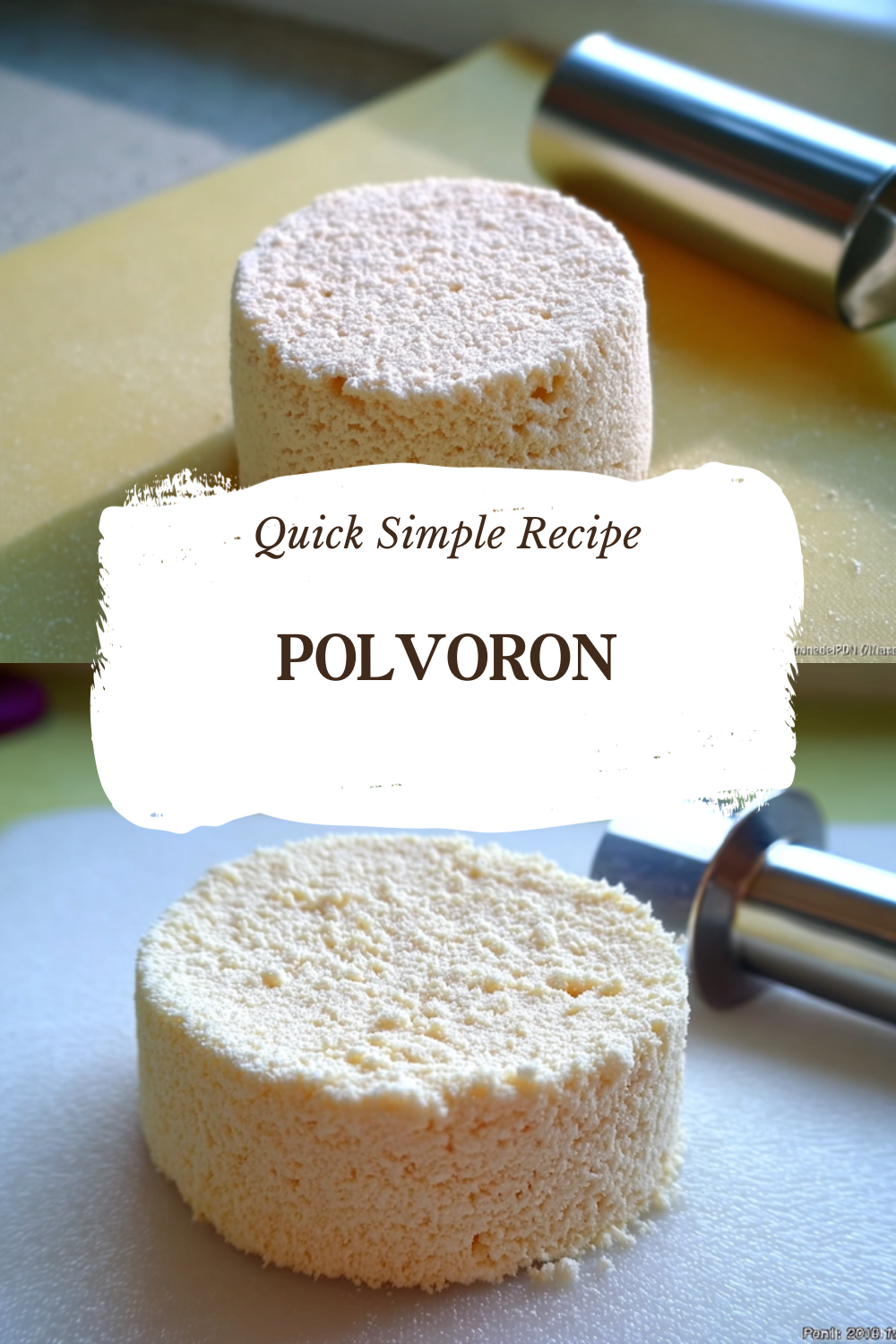
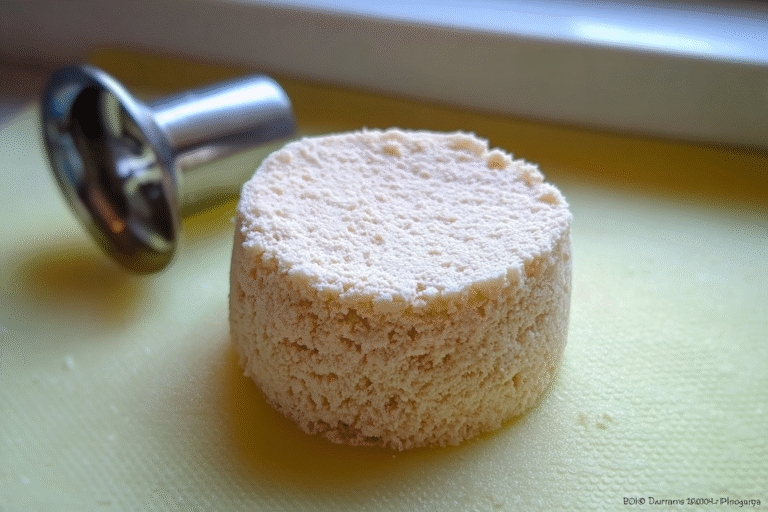
🍪 Polvorón is a classic Spanish shortbread cookie known for its dense, soft, and crumbly texture that melts in your mouth.
🥜 Made with toasted flour, sugar, milk powder, and nuts, it offers a rich flavor and traditional charm perfect for holiday treats or everyday snacking.
- Total Time: 30 minutes
- Yield: 20–24 cookies 1x
Ingredients
2 cups toasted powdered milk provides the creamy base
1 cup toasted flour adds structure and nutty taste
1/2 cup sugar sweetens the mixture
1/4 cup butter, softened binds ingredients together
1/4 cup powdered nuts (optional) enhances texture and flavor
2 cups (240 grams) flour as per the classic Spanish recipe, toasted until golden for the base
1 cup (200 grams) sugar used in the Filipino version for balance
1/2 cup (50 grams) powdered milk from the Filipino method, for creaminess
1/2 cup (115 grams) butter or margarine in the Filipino style, to hold the mixture
1/2 cup (60 grams) ground nuts especially almonds, as in Spanish tradition, for added crunch
Instructions
1-Gather and toast the powdered milk and flour separately over low heat for about 5-7 minutes until slightly golden to bring out the nutty flavor.
2-Mix the toasted powdered milk, flour, and sugar in a large bowl, ensuring even distribution of ingredients.
3-Add softened butter and powdered nuts (if using), then blend thoroughly by hand or mixer until the mixture holds shape when pressed.
4-For vegan or gluten-free options, substitute butter and flour accordingly at this stage.
5-Press the mixture firmly into molds or a flat tray to shape the polvoron pieces.
6-Let the shaped mixture set in the refrigerator for at least 30 minutes to firm up.
7-Carefully unmold or cut into serving pieces and store in an airtight container; serve chilled for best taste.
Last Step:
Please leave a rating and comment letting us know how you liked this recipe! This helps our business to thrive and continue providing free, high-quality recipes for you.Notes
🔥 Toast flour carefully to avoid burning and achieve a nutty flavor.
🥜 Use fresh, high-quality nuts for the best taste and texture.
🎯 Compress mixture firmly into molds to preserve shape and reduce crumbling.
- Prep Time: 30 minutes
- Category: Dessert, Snack
- Method: Toasting, mixing, shaping
- Cuisine: Spanish, Filipino
- Diet: Vegetarian
Nutrition
- Serving Size: 1 cookie
- Calories: 150 kcal
- Sugar: 12 g
- Sodium: 10 mg
- Fat: 8 g
- Saturated Fat: 3 g
- Unsaturated Fat: 4 g
- Trans Fat: 0 g
- Carbohydrates: 18 g
- Fiber: 1 g
- Protein: 2 g
- Cholesterol: 15 mg