Why You’ll Love This Puerto Rican Coquito
This Puerto Rican Coquito recipe is more than just a drink; it’s a celebration in a glass that brings the warmth of island traditions right to your kitchen. Imagine blending creamy coconut flavors with hints of spice and rum for a treat that’s perfect for holidays or any gathering. What makes it even better is how easy it is to whip up, requiring just a few steps that fit into your busy day while delivering that authentic taste you’ve been craving.
One reason you’ll adore this Puerto Rican Coquito is its simplicity and speed. It’s quick to prepare with minimal ingredients, ideal for busy parents or working professionals who want to create something special without spending hours in the kitchen. Plus, it offers health benefits from ingredients like coconut milk and spices, providing healthy fats and antioxidants that make it a smarter choice among holiday beverages. This blend of ease, nutrition, and traditional flavors ensures it’s versatile for anyone, from food enthusiasts to diet-conscious individuals looking for a delightful indulgence.
Beyond that, you can easily adapt Puerto Rican Coquito to fit various dietary needs, making it a hit with vegans, gluten-free followers, or even those exploring new flavors as travelers might. The distinctive taste think rich coconut mixed with cinnamon and rum sets it apart, turning every sip into a memorable moment. Whether you’re a student experimenting in a small dorm kitchen or seniors reminiscing over family recipes, this drink connects us all through its cultural roots and joyful simplicity.
Exploring Its Cultural Roots
Digging deeper, Puerto Rican Coquito has deep ties to festive traditions, often shared during holidays like Christmas. If you’ve never tasted coquito before, you’re in for a real treat this creamy coconut drink will transport you straight to a Puerto Rican holiday celebration, even if you’re just sipping it in your own kitchen with family and friends. This adds an emotional layer, making it not just a recipe but a story passed down through generations. For more on easy drink ideas, check out our refreshing fruit smoothie options that pair well with it.
Jump to:
- Why You’ll Love This Puerto Rican Coquito
- Exploring Its Cultural Roots
- Essential Ingredients for Puerto Rican Coquito
- Spice Tea Ingredients
- Main Drink Ingredients
- How to Prepare the Perfect Puerto Rican Coquito: Step-by-Step Guide
- Blending and Finishing Touches
- Dietary Substitutions to Customize Your Puerto Rican Coquito
- Mastering Puerto Rican Coquito: Advanced Tips and Variations
- How to Store Puerto Rican Coquito: Best Practices
- FAQs: Frequently Asked Questions About Puerto Rican Coquito
- What is Puerto Rican coquito and when is it traditionally served?
- Does authentic coquito contain eggs like eggnog?
- What ingredients do I need to make traditional coquito at home?
- Can I make coquito without alcohol or dairy?
- How should I store and serve coquito to keep it fresh and flavorful?
- Puerto Rican Coquito
- Ingredients
- Instructions
- Last Step:
- Notes
- Nutrition
- Did you make this recipe?
Essential Ingredients for Puerto Rican Coquito
Gathering the right ingredients is key to making an authentic Puerto Rican Coquito that captures the essence of tropical flavors. Below is a comprehensive list of everything you’ll need, divided into categories for clarity. Remember, using precise measurements ensures your coquito turns out smooth and balanced every time.
Spice Tea Ingredients
- 240 ml (1 cup) Coconut Water
- 2-3 Cinnamon Sticks (approx. 5-7.5 cm each)
- 1-2 Star Anise pods
- 3-4 Whole Cloves
- 3-4 Whole Allspice Berries
- 1 Vanilla Bean, split lengthwise
Main Drink Ingredients
- 400 ml (1 can, approx. 13.5 oz) Full-Fat Coconut Milk
- 400 ml (1 can, approx. 13.5 oz) Cream of Coconut (sweetened)
- 397 g (1 can, approx. 14 oz) Sweetened Condensed Milk
- 120 ml (1/2 cup) Light Rum
- 120 ml (1/2 cup) Gold Rum
- 120 ml (1/2 cup) Spiced Rum
- 5 ml (1 tsp) Ground Cinnamon
- 2.5 ml (1/2 tsp) Ground Nutmeg
- 5 ml (1 tsp) Pure Vanilla Extract (optional)
- Optional (for Ponche version): 3-4 large Egg Yolks
These ingredients come together to create the creamy, spiced base that’s signature to Puerto Rican Coquito. For special adaptations, like making it vegan, simply swap in plant-based alternatives to keep the flavors intact while meeting your dietary needs.
How to Prepare the Perfect Puerto Rican Coquito: Step-by-Step Guide
Creating Puerto Rican Coquito at home is straightforward and fun, starting with gathering your ingredients to ensure everything blends smoothly. First, sterilize your bottles by washing them thoroughly with hot water and placing one cinnamon stick in each for added flavor infusion. This step helps preserve the drink and enhances its taste over time.
Next, make the spice tea by combining 240 ml of coconut water, 2-3 cinnamon sticks, 1-2 star anise pods, 3-4 whole cloves, 3-4 allspice berries, and 1 vanilla bean in a saucepan. Bring it to a boil, then simmer for 5 minutes before removing from heat and steeping for 10-15 minutes. Strain this mixture into a blender to discard the solids, setting the stage for a flavorful base.
Now, add 400 ml of cream of coconut to the warm strained tea in the blender and blend briefly on low to mix well. If you’re opting for the Ponche variation, whisk in 3-4 egg yolks at this point for extra richness. Then, incorporate the remaining ingredients: 400 ml full-fat coconut milk, 397 g sweetened condensed milk, 120 ml each of light, gold, and spiced rum, 5 ml ground cinnamon, 2.5 ml ground nutmeg, and 5 ml pure vanilla extract if desired.
Blending and Finishing Touches
Blend everything on medium-low speed for exactly 1 minute until smooth, ensuring no lumps remain. To achieve that silky texture, strain the mixture through a fine-mesh sieve lined with a clean tea towel, pressing gently to remove any solids or foam. Pour into your sterilized bottles, leaving about 2.5 cm of headspace, seal tightly, and refrigerate for at least 48 hours to let the flavors meld.
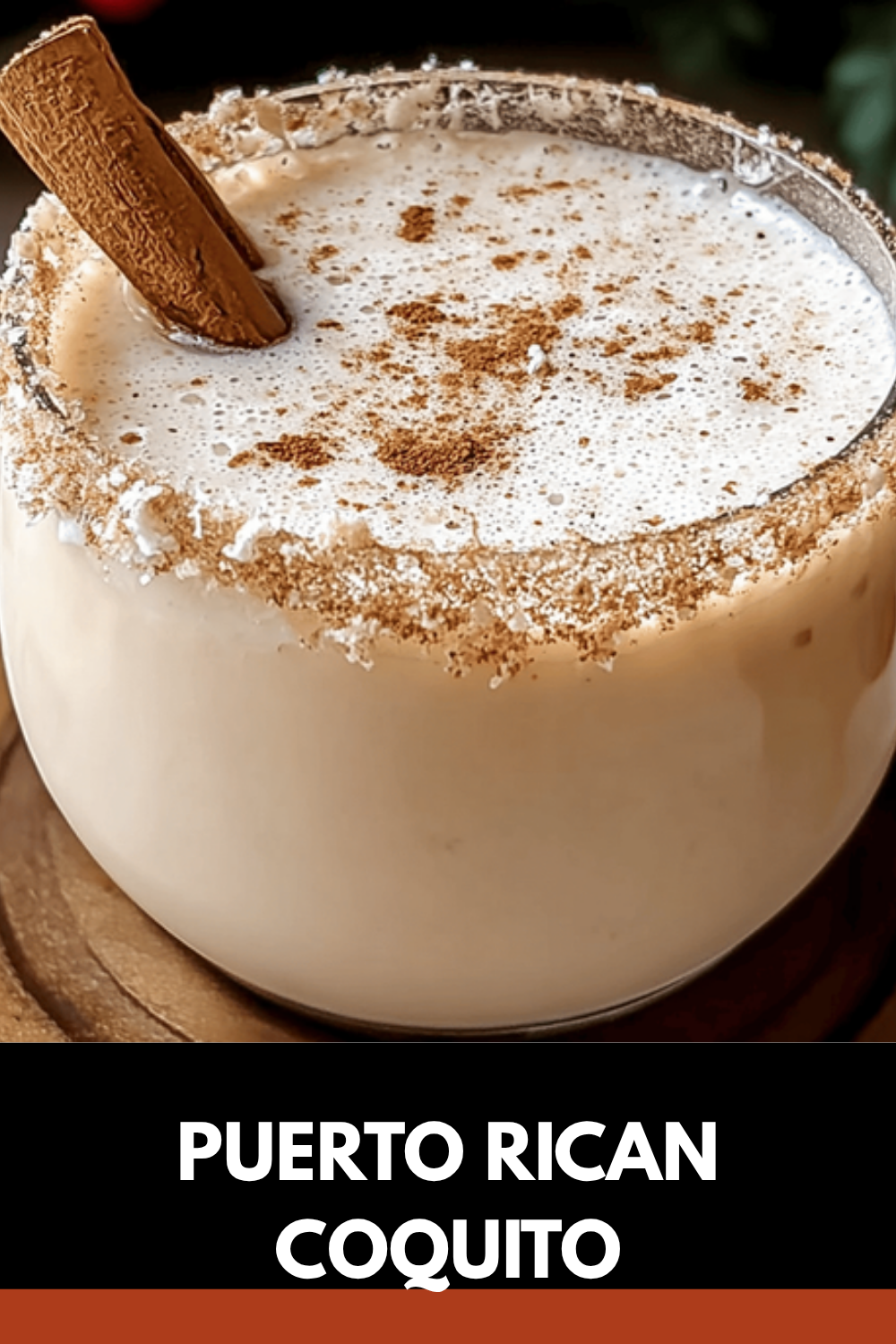
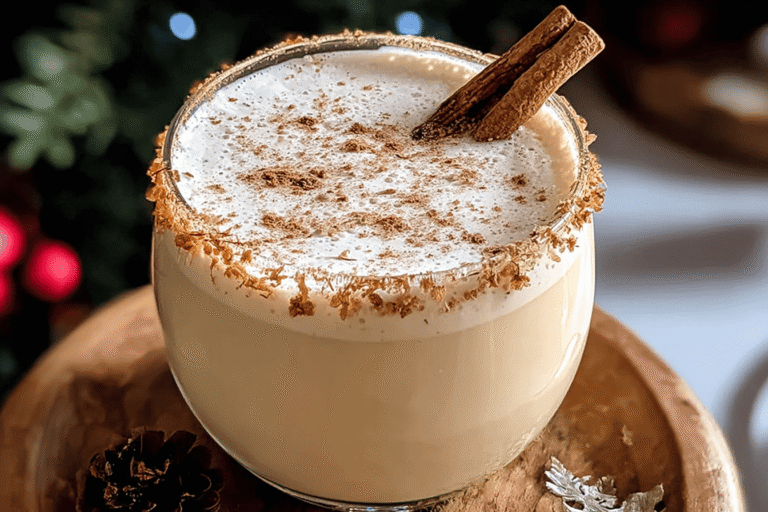
Preparation time is straightforward: about 10 minutes for prep, 15 minutes for cooking the spice tea, and a minimum of 48 hours for curing, totaling around 2 days and 25 minutes. Before serving, shake each bottle vigorously and pour into chilled old-fashioned glasses, garnishing with a sprinkle of ground cinnamon. Avoid serving over ice to keep the flavors undiluted, and remember, this coquito recipe aligns with our focus on simple, accessible cooking for home cooks and baking enthusiasts.

Dietary Substitutions to Customize Your Puerto Rican Coquito
One of the best parts of Puerto Rican Coquito is how adaptable it is, allowing you to tweak it for different preferences without losing its core appeal. For instance, if you’re aiming for a vegan version, swap out traditional milks with plant-based ones like almond milk to maintain that creamy consistency. This flexibility makes it ideal for busy parents or diet-conscious individuals who want to enjoy the drink guilt-free.
When it comes to protein alternatives, using plant-based milk not only caters to vegans but also adds a nutty twist that enhances the overall flavor. You can replace the rum with non-alcoholic extracts for a family-friendly option, ensuring everyone at the table can join in. For vegetable and seasoning modifications, try adding coconut cream for extra richness or using cinnamon sticks instead of ground cinnamon to intensify the aroma.
Organic spices and natural sweeteners are great for health-focused variations, like reducing sugar for seniors or those watching their intake. These changes keep the recipe accessible for newlyweds experimenting in the kitchen or food enthusiasts exploring global tastes, all while staying true to the traditional coquito recipe vibe.
Mastering Puerto Rican Coquito: Advanced Tips and Variations
To elevate your Puerto Rican Coquito game, start with pro techniques like using a fine-mesh sieve for an ultra-smooth texture, which is crucial for that professional finish. Always chill your ingredients before blending to prevent any separation and ensure a consistent mix. These tips can make a big difference, especially if you’re a baking enthusiast looking to impress at gatherings.
For flavor variations, get creative by adding toasted coconut flakes or a splash of coffee liqueur to put a unique spin on the classic. Presentation is key too serve it in festive glasses with cinnamon sticks or grated nutmeg for that eye-catching appeal. If you’re planning ahead, prepare your coquito up to a week in advance and store it in the fridge, which is perfect for working professionals during busy holiday seasons.
| Tip Category | Description |
|---|---|
| Texture Enhancement | Use freshly squeezed coconut milk for a smoother feel, as it blends better than canned options. |
| Flavor Boost | Combine three types of rum for complexity, or simplify with just light rum if needed. |
| Storage Advice | Always shake before serving to reincorporate settled spices, and decorate rims with maple syrup and coconut flakes for flair. |
These advanced tips, drawn from key practices, help you master Puerto Rican Coquito. For more quick recipe ideas that complement this drink, try our easy no-bake snacks to pair with it during your next event.
How to Store Puerto Rican Coquito: Best Practices
Proper storage is essential to keep your Puerto Rican Coquito fresh and flavorful, starting with refrigeration in airtight containers for up to a week. This method preserves the creamy texture and prevents any spoilage, making it convenient for meal prep during holidays. Freezing is another great option portion it into freezer-safe bottles and store for up to two months, then thaw in the fridge before enjoying.
When it comes to reheating, remember that coquito tastes best when served chilled, but if you need to warm it, do so gently over low heat without boiling to maintain its rich flavors. For meal prep, label your containers clearly and batch prepare ahead of time to streamline serving at family gatherings. These practices ensure your coquito stays delicious, whether you’re a student storing small batches or seniors planning for events.
FAQs: Frequently Asked Questions About Puerto Rican Coquito
What is Puerto Rican coquito and when is it traditionally served?
Does authentic coquito contain eggs like eggnog?
What ingredients do I need to make traditional coquito at home?
Can I make coquito without alcohol or dairy?
How should I store and serve coquito to keep it fresh and flavorful?
Puerto Rican Coquito
🥥 This Authentic Puerto Rican Coquito blends rich coconut flavors with warm spices for a creamy, festive drink.
🍹 Try this traditional recipe to enjoy a smooth and balanced holiday beverage with a perfect mix of rum and spices.
- Total Time: 2 days 25 minutes
- Yield: About 6 servings 1x
Ingredients
240 ml (1 cup) Coconut Water
2–3 Cinnamon Sticks (approx. 5–7.5 cm each)
1–2 Star Anise pods
3–4 Whole Cloves
3–4 Whole Allspice Berries
1 Vanilla Bean, split lengthwise
400 ml (1 can, approx. 13.5 oz) Full-Fat Coconut Milk
400 ml (1 can, approx. 13.5 oz) Cream of Coconut (sweetened)
397 g (1 can, approx. 14 oz) Sweetened Condensed Milk
120 ml (1/2 cup) Light Rum
120 ml (1/2 cup) Gold Rum
120 ml (1/2 cup) Spiced Rum
5 ml (1 tsp) Ground Cinnamon
2.5 ml (1/2 tsp) Ground Nutmeg
5 ml (1 tsp) Pure Vanilla Extract (optional)
3–4 large Egg Yolks (optional for Ponche version)
Instructions
1- Creating Puerto Rican Coquito at home is straightforward and fun, starting with gathering your ingredients to ensure everything blends smoothly. First, sterilize your bottles by washing them thoroughly with hot water and placing one cinnamon stick in each for added flavor infusion. This step helps preserve the drink and enhances its taste over time.
2- Next, make the spice tea by combining 240 ml of coconut water, 2-3 cinnamon sticks, 1-2 star anise pods, 3-4 whole cloves, 3-4 allspice berries, and 1 vanilla bean in a saucepan. Bring it to a boil, then simmer for 5 minutes before removing from heat and steeping for 10-15 minutes. Strain this mixture into a blender to discard the solids, setting the stage for a flavorful base.
3- Now, add 400 ml of cream of coconut to the warm strained tea in the blender and blend briefly on low to mix well. If you’re opting for the Ponche variation, whisk in 3-4 egg yolks at this point for extra richness. Then, incorporate the remaining ingredients: 400 ml full-fat coconut milk, 397 g sweetened condensed milk, 120 ml each of light, gold, and spiced rum, 5 ml ground cinnamon, 2.5 ml ground nutmeg, and 5 ml pure vanilla extract if desired.
4- Blend everything on medium-low speed for exactly 1 minute until smooth, ensuring no lumps remain. To achieve that silky texture, strain the mixture through a fine-mesh sieve lined with a clean tea towel, pressing gently to remove any solids or foam. Pour into your sterilized bottles, leaving about 2.5 cm of headspace, seal tightly, and refrigerate for at least 48 hours to let the flavors meld.
5- Preparation time is straightforward: about 10 minutes for prep, 15 minutes for cooking the spice tea, and a minimum of 48 hours for curing, totaling around 2 days and 25 minutes. Before serving, shake each bottle vigorously and pour into chilled old-fashioned glasses, garnishing with a sprinkle of ground cinnamon. Avoid serving over ice to keep the flavors undiluted, and remember, this coquito recipe aligns with our focus on simple, accessible cooking for home cooks and baking enthusiasts.
Last Step:
Please leave a rating and comment letting us know how you liked this recipe! This helps our business to thrive and continue providing free, high-quality recipes for you.Notes
🥥 Use freshly squeezed coconut milk for a smoother texture but canned is fine.
🔥 Warm spice tea helps melt the fat cap in cream of coconut, avoiding lumps.
🔪 Strain through a towel-lined sieve to ensure a smooth drink and reduce foam.
- Prep Time: 10 minutes
- Curing Time: 48 hours
- Cook Time: 15 minutes
- Category: Beverage
- Method: Blending
- Cuisine: Puerto Rican
- Diet: Vegetarian
Nutrition
- Serving Size: 1 cup (240 ml)
- Calories: 404 kcal
- Sugar: 32 g
- Sodium: 69 mg
- Fat: 19 g
- Saturated Fat: 17 g
- Carbohydrates: 35 g
- Protein: 3 g
- Cholesterol: 8 mg