
Why You’ll Love This Ravioli
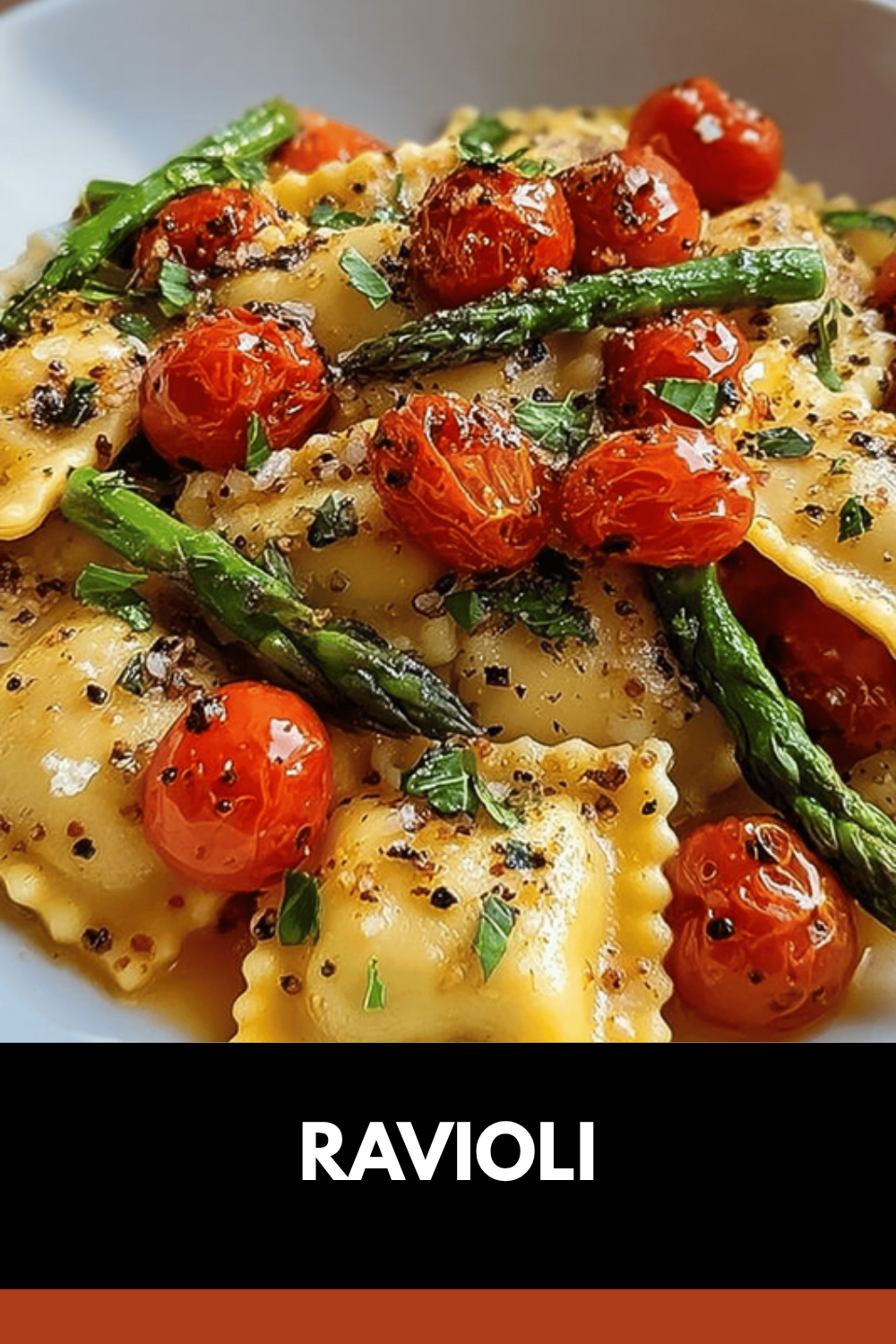
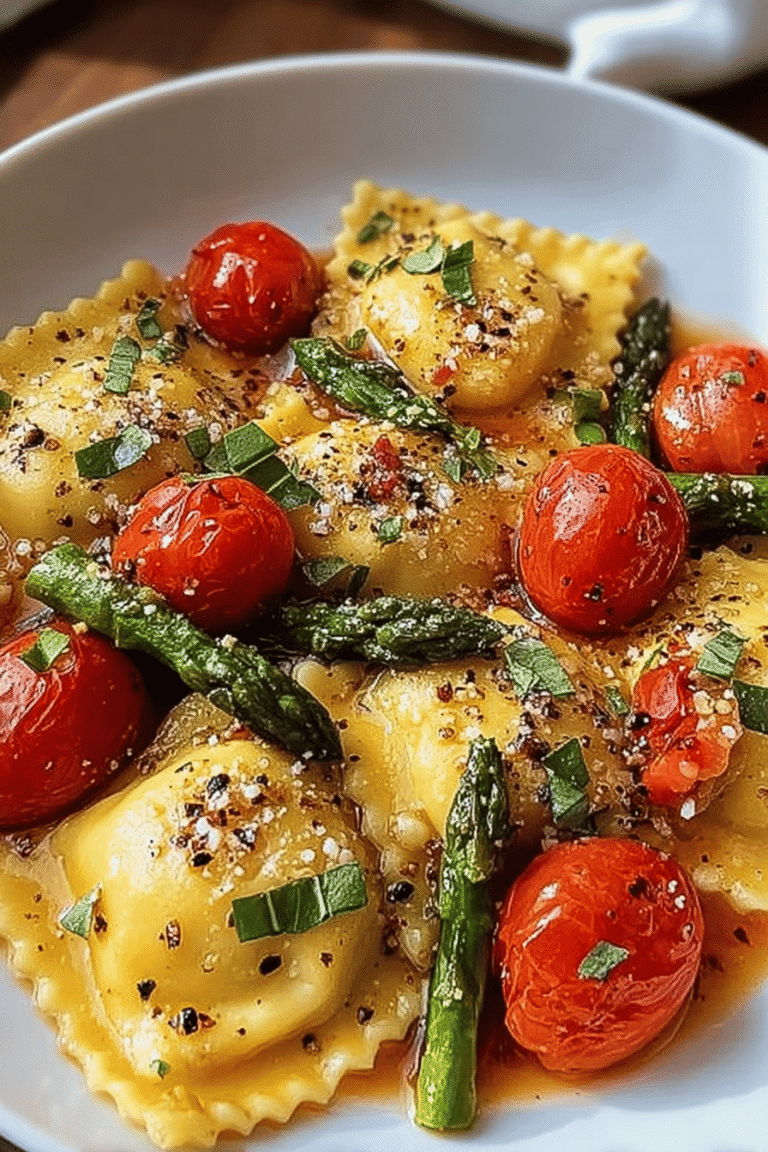
Ravioli, a traditional filled pasta, offers something for everyone with its simple preparation and adaptable ingredients. Ravioli are a type of filled pasta made by enclosing a filling within thin pasta dough, typically square-shaped but occasionally circular or semi-circular. This makes it ideal for home cooks seeking a dish that combines ease with nutritional benefits, as it generally includes carbohydrates from the pasta, protein from cheese or meat, and fats from cheese or oils.
The preparation time is about 1 to 2 hours if making dough and filling from scratch, allowing even busy parents and working professionals to create a homemade meal. With its versatility, ravioli adapts to various dietary needs, such as vegan or gluten-free options, while delivering a distinctive flavor from fillings like ricotta cheese combined with grated rind or green herbs mixed with egg and fresh cheese. This ravioli recipe stands out for its balance of health benefits and taste, making it perfect for students, food enthusiasts, and seniors alike.
One key reason to try this recipe is its ease of preparation, as the dough comes together quickly with just a few basic ingredients. Packed with wholesome elements like fresh vegetables and lean proteins, it supports overall wellness by providing essential nutrients and balanced macros. Additionally, the versatility allows for simple swaps, ensuring it fits diets for everyone from newlyweds to diet-conscious individuals without losing that memorable flavor profile.
Jump to:
- Why You’ll Love This Ravioli
- Essential Ingredients for Ravioli
- Special Dietary Options
- How to Prepare the Perfect Ravioli: Step-by-Step Guide
- Dietary Substitutions to Customize Your Ravioli
- Mastering Ravioli: Advanced Tips and Variations
- Enhancing Flavor and Presentation
- How to Store Ravioli: Best Practices
- FAQs: Frequently Asked Questions About Ravioli
- What is ravioli and how is it traditionally made?
- How can I make ravioli dough from scratch at home?
- What are some common fillings for ravioli and how do I prepare them?
- How long does it take to cook fresh ravioli, and what is the best cooking method?
- Can I freeze homemade ravioli, and what is the best way to store it?
- Ravioli
- Ingredients
- Instructions
- Last Step:
- Notes
- Nutrition
- Did you make this recipe?
Essential Ingredients for Ravioli
To make ravioli at home, start with fresh dough made from the proper ratio of flour, water, or eggs, as traditionally prepared. The following list outlines the main ingredients needed, based on the standard recipe, ensuring you have everything for a complete dish. This section focuses on precise measurements to help beginners achieve the best results.
- 2 cups all-purpose flour – Provides the dough base, giving structure and elasticity.
- 2 large eggs – Bind the dough together and add richness.
- 1/2 cup ricotta cheese – Adds creaminess and mild flavor to the filling.
- 1 cup spinach, chopped – Offers nutrients and a fresh taste.
- 1/2 cup grated Parmesan – Enhances umami and depth.
- Salt and pepper to taste – Balances flavor.
Special Dietary Options
For those with specific needs, consider these adaptations to customize your ravioli.
- Vegan: Use chickpea flour for dough and tofu-based ricotta as a plant-based substitute.
- Gluten-free: Substitute flour with a gluten-free blend suitable for pasta.
- Low-calorie: Opt for reduced-fat cheese and increase vegetable content to lighten the dish.
| Ingredient Category | Purpose | Dietary Variation |
|---|---|---|
| Dough Base | Forms the outer layer | Gluten-free flour for gluten-free diets |
| Filling Components | Adds flavor and nutrition | Tofu for vegan options |
| Seasonings | Enhances taste | Adjust for low-sodium needs |
Remember, fillings can vary by region, including options like leftover cooked meats, but always ensure the ingredients are well-seasoned for the best texture when cooked.
How to Prepare the Perfect Ravioli: Step-by-Step Guide
Preparing ravioli begins with making or using fresh pasta dough and readying a flavorful filling. To start, prepare your workspace by sifting the flour onto a clean surface and creating a well in the center, then crack the eggs into the well and add a pinch of salt.
Slowly incorporate the flour into the eggs using a fork until a shaggy dough forms, then knead by hand for about 10 minutes until smooth and elastic. Cover the dough and let it rest for 30 minutes. While the dough rests, prepare the filling by mixing ricotta, chopped spinach, Parmesan, and seasoning, adjusting salt and pepper to taste. a beginner’s guide to fresh homemade ravioli can offer more insights for newcomers.
- Roll out the dough using a pasta machine or rolling pin into thin sheets.
- Place small spoonfuls of filling at intervals on one sheet.
- Cover with a second sheet and press around the filling to seal, ensuring no air pockets to avoid leakage during cooking.
- Cut individual ravioli with a knife or pasta cutter, then press edges firmly with a fork to secure.
- Bring a large pot of salted water to a boil and gently drop the ravioli in, cooking for 3-4 minutes until they float to the surface.
- Remove with a slotted spoon and drain, noting that cooking takes just a few minutes for the best texture.
- Finally, serve with your favorite sauce, such as tomato sauce, meat sauce, or chicken broth, depending on the region, or even bread and deep-fry for a snack alternative.
For dietary adaptations, use appropriate substitute ingredients during these steps and monitor cooking times accordingly. Tips for success include sealing edges tightly and cooking in simmering water or broth, which enhances the overall texture of the ravioli.

Dietary Substitutions to Customize Your Ravioli
Customizing ravioli allows for flexibility in ingredients, making it accessible for various tastes and needs. Nutritional content depends on the filling and method, so choosing substitutions can help balance carbohydrates, proteins, and fats.
- Protein and Main Component Alternatives: Replace traditional ricotta with tofu for a vegan protein boost, or use ground turkey or chicken instead of cheese for a high-protein option.
- Vegetable, Sauce, and Seasoning Modifications: Swap spinach for kale, zucchini, or mushrooms to vary texture and flavor, and experiment with tomato-based sauces, creamy Alfredo, or simple herb-infused olive oil. Adjust seasonings like garlic, basil, or chili flakes to suit taste preferences or dietary restrictions, always ensuring the filling is well-seasoned.
Serve with light sauces in summer or rich ones in winter to match the season, keeping the dish versatile for travelers, baking enthusiasts, and others.
Mastering Ravioli: Advanced Tips and Variations
To elevate your ravioli skills, focus on pro cooking techniques like using a pasta machine for evenly thin dough and a gentle touch to avoid tearing. For instance, double sealing ravioli edges prevents filling leakage, ensuring a perfect result every time. Flavor variations can include incorporating ingredients like roasted butternut squash, sun-dried tomatoes, or truffle oil for unique taste profiles that reflect regional preferences, such as ricotta cheese combined with grated rind.
Enhancing Flavor and Presentation
Presentation tips involve plating ravioli with a light sauce drizzle, sprinkling fresh herbs, and garnishing with grated cheese or toasted nuts for visual appeal. Make-ahead options include preparing and freezing uncooked ravioli on a tray before storing in bags for convenient future meals. delicious dessert recipes like our banana bundt cake can inspire sweet variations if you want to pair ravioli with complementary dishes. Additionally, fillings may include cheese, meat, herbs, and vegetables, so experimenting with these keeps the recipe exciting for food enthusiasts and newlyweds.
This approach not only saves time but also maintains the fresh texture that comes from using homemade dough with the right ratio of flour, water, or eggs.
How to Store Ravioli: Best Practices
Proper storage helps preserve the quality of your ravioli, especially since preparation can take 1 to 2 hours if made from scratch. For refrigeration, store cooked ravioli in an airtight container and consume within 2-3 days for optimal freshness, taking care to avoid any moisture that could affect the pasta.
- Freezing: Freeze uncooked ravioli spread on a baking sheet until solid, then transfer to freezer bags for up to 2 months.
- Reheating: Gently reheat by simmering in sauce or steaming to retain texture without drying out.
- Meal prep considerations: Batch cook and portion ravioli to simplify future meals, making it easier for busy parents and working professionals.
This method ensures ravioli retain their carbohydrates, proteins, and fats without compromising taste.
FAQs: Frequently Asked Questions About Ravioli
What is ravioli and how is it traditionally made?
How can I make ravioli dough from scratch at home?
What are some common fillings for ravioli and how do I prepare them?
How long does it take to cook fresh ravioli, and what is the best cooking method?
Can I freeze homemade ravioli, and what is the best way to store it?
Ravioli
🍝 Ravioli recipes offer endless versatility, allowing you to customize fillings and sauces for every taste and occasion.
🍽️ Whether served in a light broth or rich meat sauce, homemade or store-bought, ravioli make an elegant and satisfying meal.
- Total Time: 1 hour 5 minutes to 2 hours 5 minutes
- Yield: Varies depending on dough and filling quantities
Ingredients
– 2 cups all-purpose flour Provides the dough base, giving structure and elasticity.
– 2 large eggs Bind the dough together and add richness.
– 1/2 cup ricotta cheese Adds creaminess and mild flavor to the filling.
– 1 cup spinach, chopped Offers nutrients and a fresh taste.
– 1/2 cup grated Parmesan Enhances umami and depth.
– Salt and pepper to taste Balances flavor
– Gluten-free flour Forms the outer layer
– Tofu Adds flavor and nutrition
– Salt Enhances taste
Instructions
Preparing ravioli begins with making or using fresh pasta dough and readying a flavorful filling. To start, prepare your workspace by sifting the flour onto a clean surface and creating a well in the center, then crack the eggs into the well and add a pinch of salt.
Slowly incorporate the flour into the eggs using a fork until a shaggy dough forms, then knead by hand for about 10 minutes until smooth and elastic. Cover the dough and let it rest for 30 minutes. While the dough rests, prepare the filling by mixing ricotta, chopped spinach, Parmesan, and seasoning, adjusting salt and pepper to taste.
1-Roll out the dough: using a pasta machine or rolling pin into thin sheets.
2-Place small spoonfuls of filling: at intervals on one sheet.
3-Cover with a second sheet: and press around the filling to seal, ensuring no air pockets to avoid leakage during cooking.
4-Cut individual ravioli: with a knife or pasta cutter, then press edges firmly with a fork to secure.
5-Bring a large pot of salted water to a boil: and gently drop the ravioli in, cooking for 3-4 minutes until they float to the surface.
6-Remove with a slotted spoon and drain: noting that cooking takes just a few minutes for the best texture.
7-Finally, serve: with your favorite sauce, such as tomato sauce, meat sauce, or chicken broth, depending on the region, or even bread and deep-fry for a snack alternative.
Last Step:
Please leave a rating and comment letting us know how you liked this recipe! This helps our business to thrive and continue providing free, high-quality recipes for you.Notes
🍳 Use fresh dough with the correct flour-to-liquid ratio for tender pasta.
🧀 Ensure fillings are well-seasoned to enhance flavor.
🔒 Seal edges tightly to prevent filling leakage during cooking.
- Prep Time: 1 to 2 hours (homemade dough and filling)
- Cook Time: 3 to 5 minutes
- Category: Main Dish
- Method: Boiling or frying
- Cuisine: Italian
- Diet: Varies based on filling
Nutrition
- Serving Size: Varies
- Calories: Varies
- Sugar: Varies
- Sodium: Varies
- Fat: Varies
- Saturated Fat: Varies
- Unsaturated Fat: Varies
- Trans Fat: Varies
- Carbohydrates: Varies
- Fiber: Varies
- Protein: Varies
- Cholesterol: Varies