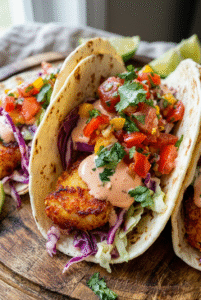
Why You’ll Love This Red Curry Paste
You know those kitchen staples that make meals exciting without much fuss? This red curry paste is one of them, bringing authentic Thai flavors right to your home in just minutes. It’s super easy to whip up, with simple steps that even beginners can handle, making it perfect for busy parents or students looking for a quick flavor boost. Plus, its blend of fresh spices and herbs delivers health perks like antioxidants that support your well-being.
Think about how this paste adapts to all sorts of diets, whether you’re vegan, gluten-free, or watching calories. Its vibrant taste works wonders in dishes from hearty curries to light salads, so food enthusiasts and travelers will find it endlessly useful. We love how it adds a burst of spice and depth that turns ordinary dinners into memorable feasts for everyone, including newlyweds and seniors.
Beyond ease and versatility, this red curry paste stands out for its health benefits, packed with ingredients rich in anti-inflammatory properties and essential nutrients. For instance, turmeric in this recipe can aid in boosting your immune system for more on that, check out turmeric benefits. Whether you’re a working professional or a baking enthusiast, this paste offers a fun way to explore new tastes without complicating your routine.
Health and Flavor Highlights
Let’s dive deeper into what makes this paste a winner. The fresh ginger not only adds a zesty kick but also supports digestion learn more about ginger benefits to see why it’s a smart addition. For busy parents who want nutritious meals, it’s a simple way to sneak in vitamins while keeping things tasty for the family.
Jump to:
- Why You’ll Love This Red Curry Paste
- Health and Flavor Highlights
- Essential Ingredients for Red Curry Paste
- Main Ingredients List
- Special Dietary Options
- How to Prepare the Perfect Red Curry Paste: Step-by-Step Guide
- Tips for Blending and Adjusting
- Dietary Substitutions to Customize Your Red Curry Paste
- Easy Swaps for Everyone
- Mastering Red Curry Paste: Advanced Tips and Variations
- Creative Ideas for Your Kitchen
- How to Store Red Curry Paste: Best Practices
- Long-Term Storage Solutions
- FAQs: Frequently Asked Questions About Red Curry Paste
- What are the main ingredients in homemade red curry paste?
- How can I adjust the spiciness of red curry paste?
- What is the best way to store red curry paste for freshness?
- Can red curry paste be made without fresh lemongrass?
- How much red curry paste should I add when cooking a curry with a can of coconut milk?
- Red Curry Paste
- Ingredients
- Instructions
- Last Step:
- Notes
- Nutrition
- Did you make this recipe?
Essential Ingredients for Red Curry Paste
Gathering the right ingredients is the first step to creating your own red curry paste at home. This section covers everything you need for a flavorful blend that captures authentic Thai essence. We’ll focus on fresh, vibrant items that make the paste versatile and delicious.
Main Ingredients List
Here is the complete list of ingredients for this red curry paste recipe. Each one is measured precisely to ensure you get the best results. Remember to use organic options when possible for that extra burst of flavor.
- 1/2 teaspoon coriander seed or ground coriander
- 1 teaspoon cumin seed or ground cumin
- 1/2 teaspoon black peppercorns or ground black pepper
- 1 medium red bell pepper, seeds removed and chopped
- 2 to 4 medium red chilies, stems removed (cherry bomb or Thai red chilies preferred)
- 1 stalk lemongrass, root and tip trimmed, chopped
- 1 heaping tablespoon fresh ginger or galangal, or 1 to 2 teaspoons ground ginger
- 3 cloves garlic, skins removed
- 1 tablespoon fresh turmeric or 1 teaspoon ground turmeric
- 1/2 teaspoon sea salt, plus more to taste
- 3 tablespoons lemon juice
- 1 medium lime, zested and juiced (approximately 3 tablespoons or 45 ml juice)
- 6 stalks green onions, sliced, or 1/2 cup diced shallot as a substitute
- 2 to 3 tablespoons avocado or grape seed oil (water can be used to avoid fat)
- 1 tablespoon maple syrup or coconut sugar to balance heat
This list ensures your paste is full of bold flavors while being adaptable for different dietary needs. For example, if you’re aiming for a low-fat version, swap the oil with water as noted.
Special Dietary Options
Adapting for dietary preferences is easy. If you’re vegan, skip any animal-based items and use water instead of oil. For gluten-free diets, all these ingredients naturally fit, but double-check your sources for peace of mind. Diet-conscious folks can reduce oil or sugar to keep things light and healthy.
How to Prepare the Perfect Red Curry Paste: Step-by-Step Guide
Getting started with red curry paste doesn’t have to be complicated you only need a few tools and about 10 minutes. First, focus on toasting the spices to bring out their full aroma, which makes a big difference in the final taste. This method uses a food processor for ease, perfect for home cooks who want authentic results without much effort.
Follow these steps to make your paste: Toast whole coriander, cumin seeds, and black peppercorns in a small skillet over medium-low heat for 4 to 5 minutes until fragrant, stirring occasionally. Skip this if you’re using ground spices. Next, crush the toasted seeds with a mortar and pestle or in a sandwich bag with a rolling pin, then set them aside.
In a food processor or blender, combine the crushed spices with the red bell pepper, red chilies, lemongrass, ginger, garlic, turmeric, sea salt, lemon juice, lime zest and juice, green onions or shallot, oil or water, and maple syrup or sweetener. Blend until a paste forms, scraping down the sides as needed. If lemongrass is tough, keep blending until smooth.
Once blended, taste and tweak the flavors add more lime for acidity or chilies for heat. This paste stores well, lasting up to 10 days in the fridge or a month in the freezer. For those exploring more fun recipes, check out our banana bundt cake for a sweet twist on baking adventures.
Tips for Blending and Adjusting
To make this even better, slice lemongrass thinly to avoid stringiness. If you’re new to spices, start with less heat and build up it’s a great way for beginners to learn. This method keeps things flexible for all skill levels, from students to baking enthusiasts.

Dietary Substitutions to Customize Your Red Curry Paste
Making red curry paste your own is all about tweaks that fit your lifestyle. Whether you’re vegan or watching calories, small changes can make a big impact. Let’s look at how to adapt this recipe for different needs, keeping it simple and effective.
For protein options, try tofu or tempeh if you’re going vegan, or lean fish for a low-calorie spin. When it comes to veggies, swap in seasonal picks like zucchini for a fresh take. Don’t forget to adjust seasonings use tamari instead of other sauces for gluten-free versions, and play with chili amounts to get the spice just right.
Easy Swaps for Everyone
Incorporate fresh herbs like basil to brighten things up. For those on restricted diets, these changes help maintain flavor without sacrificing health goals. It’s a fun way for working professionals to keep meals exciting and nutritious.
Mastering Red Curry Paste: Advanced Tips and Variations
Once you’re comfortable with the basics, let’s level up your red curry paste game. Toasting spices just right unlocks deeper flavors, and using a mortar adds that traditional touch many food lovers enjoy. Experimenting is key, so try adding kaffir lime for a zesty twist or roasted peanuts for extra crunch.
These variations make the paste versatile for all kinds of dishes. Presentation matters too top your meals with fresh herbs for a pop of color. For make-ahead meals, freeze portions to save time, which is ideal for busy families or travelers. If you enjoy desserts as well, our cheesecake lemon bars offer a complementary sweet treat to balance spicy flavors.
Creative Ideas for Your Kitchen
Think about blending in roasted peppers for a milder version, perfect for kids or seniors. These tips help you create memorable meals with minimal effort, blending creativity and practicality.
How to Store Red Curry Paste: Best Practices
Keeping your red curry paste fresh is simple with the right techniques. Store it in an airtight container in the fridge for up to a week, covering it with oil to lock in flavors. For longer use, freeze it in ice cube trays and move the cubes to a bag for easy access.
This approach helps with meal prep, letting you grab just what you need without waste. Reheat by adding it straight to your pot to preserve taste, making it convenient for everyday cooking. Seniors and busy parents will appreciate how this keeps things organized and flavorful.
Long-Term Storage Solutions
Freezing in portions maintains quality for up to three months, ensuring you always have a burst of Thai flavor ready. It’s a smart way to plan ahead without losing that fresh edge.
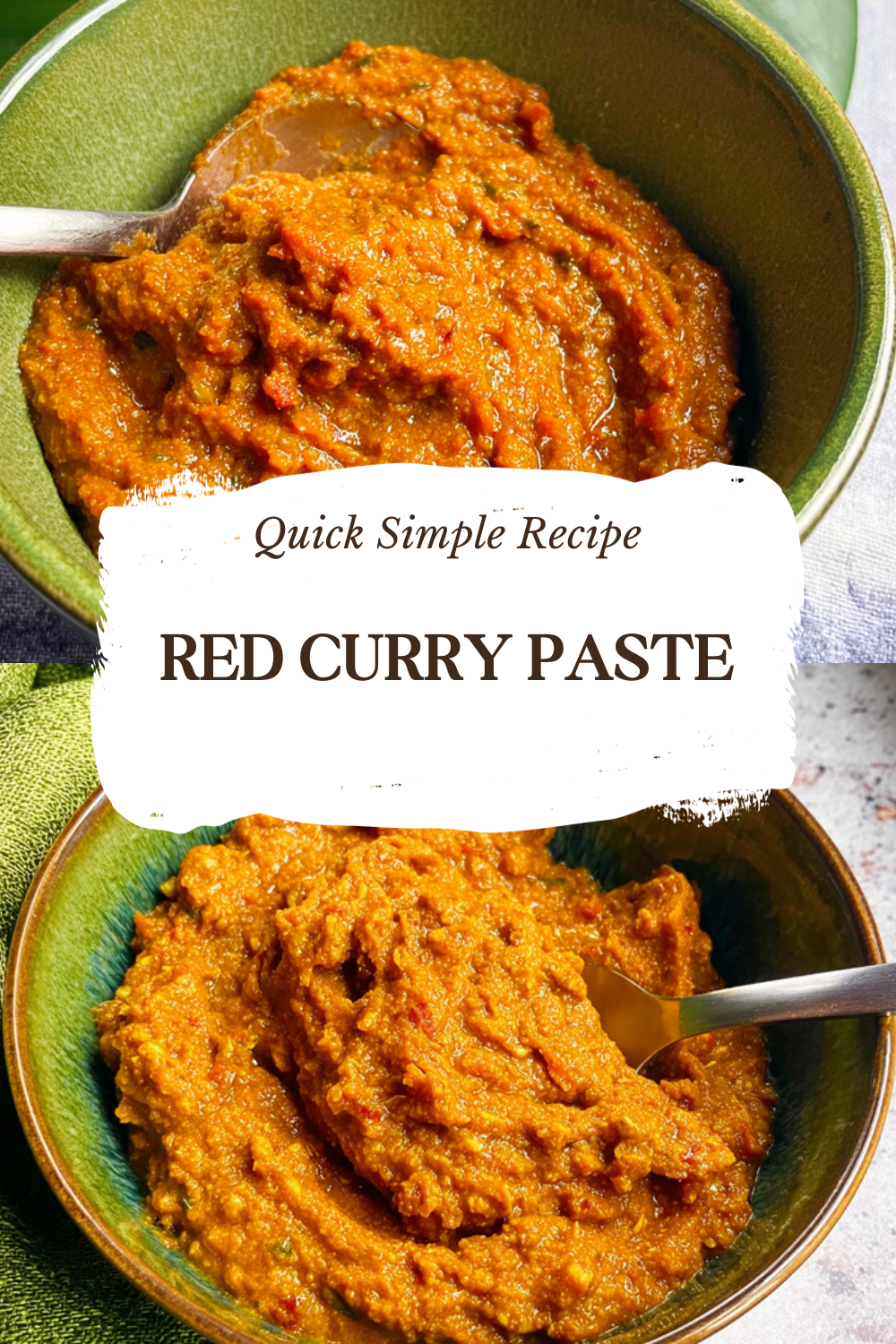
FAQs: Frequently Asked Questions About Red Curry Paste
What are the main ingredients in homemade red curry paste?
How can I adjust the spiciness of red curry paste?
What is the best way to store red curry paste for freshness?
Can red curry paste be made without fresh lemongrass?
How much red curry paste should I add when cooking a curry with a can of coconut milk?
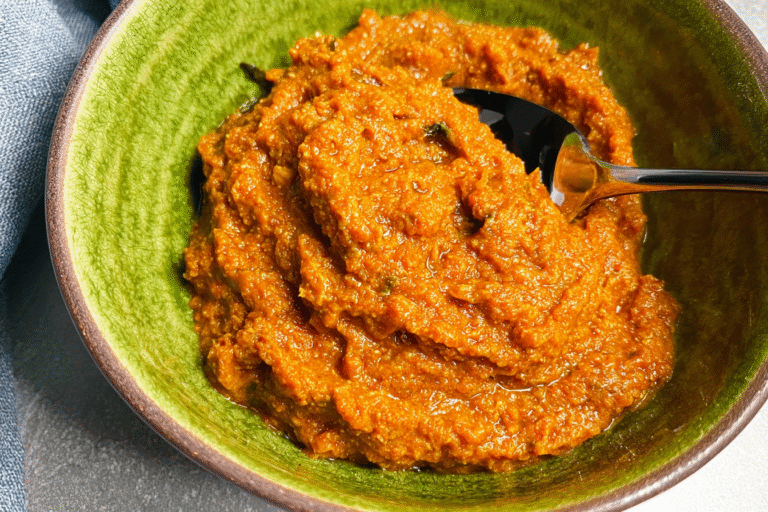
Red Curry Paste
🌶️ This Spicy Red Curry Paste packs authentic Thai flavors into a vibrant, versatile base for your favorite dishes.
🍋 Its fresh ingredients and balanced spices create a rich, aromatic paste perfect for curries, soups, and sauces.
- Total Time: 10 minutes
- Yield: About 1 cup
Ingredients
– 1/2 teaspoon coriander seed or ground coriander
– 1 teaspoon cumin seed or ground cumin
– 1/2 teaspoon black peppercorns or ground black pepper
– 1 medium red bell pepper, seeds removed and chopped
– 2 to 4 medium red chilies, stems removed (cherry bomb or Thai red chilies preferred)
– 1 stalk lemongrass, root and tip trimmed, chopped
– 1 heaping tablespoon fresh ginger or galangal, or 1 to 2 teaspoons ground ginger
– 3 cloves garlic, skins removed
– 1 tablespoon fresh turmeric or 1 teaspoon ground turmeric
– 1/2 teaspoon sea salt, plus more to taste
– 3 tablespoons lemon juice
– 1 medium lime, zested and juiced (approximately 3 tablespoons or 45 ml juice)
– 6 stalks green onions, sliced, or 1/2 cup diced shallot as a substitute
– 2 to 3 tablespoons avocado or grape seed oil (water can be used to avoid fat)
– 1 tablespoon maple syrup or coconut sugar to balance heat
Instructions
1-Follow these steps to make your paste: Toast whole coriander, cumin seeds, and black peppercorns in a small skillet over medium-low heat for 4 to 5 minutes until fragrant, stirring occasionally. Skip this if you’re using ground spices. Next, crush the toasted seeds with a mortar and pestle or in a sandwich bag with a rolling pin, then set them aside.
2-In a food processor or blender, combine the crushed spices with the red bell pepper, red chilies, lemongrass, ginger, garlic, turmeric, sea salt, lemon juice, lime zest and juice, green onions or shallot, oil or water, and maple syrup or sweetener. Blend until a paste forms, scraping down the sides as needed. If lemongrass is tough, keep blending until smooth.
3-Once blended, taste and tweak the flavors add more lime for acidity or chilies for heat. This paste stores well, lasting up to 10 days in the fridge or a month in the freezer.
Last Step:
Please leave a rating and comment letting us know how you liked this recipe! This helps our business to thrive and continue providing free, high-quality recipes for you.Notes
🌶️ Double spicy chilies and omit bell pepper for a hotter paste.
🍁 Balance heat with maple syrup or coconut sugar.
🍋 Substitute shallots for green onions and lemon juice/zest if lemongrass is unavailable, knowing flavors may vary.
- Prep Time: 5 minutes
- Toasting Time: 5 minutes
- Category: Condiment
- Method: Blending and toasting spices
- Cuisine: Thai
- Diet: Vegan, Gluten-Free
Nutrition
- Serving Size: 2 tablespoons
- Calories: 18
- Sugar: 1.1g
- Sodium: 50mg
- Fat: 1.2g
- Saturated Fat: 0.1g
- Unsaturated Fat: 1.0g
- Trans Fat: 0g
- Carbohydrates: 1.9g
- Fiber: 0.3g
- Protein: 0.2g
- Cholesterol: 0mg