Why You’ll Love This Roast Turkey
This roast turkey recipe is a go-to for anyone wanting a simple yet impressive main dish. It offers ease of preparation, making it perfect for busy parents and home cooks with straightforward steps that fit into tight schedules. You’ll appreciate how the hands-on time is minimal, leaving you more moments to enjoy with family during holidays or weeknight dinners.
Beyond its simplicity, roast turkey provides solid health benefits as a lean protein source that supports muscle repair and keeps you feeling full. Opting for this method, with its herb-infused flavors, ensures you get essential nutrients like B vitamins and zinc without overloading on fats. It’s versatile too, adapting to various dietary needs while delivering that crispy skin and juicy meat that makes every bite memorable.
The distinctive flavor comes from the thoughtful use of aromatics and precise roasting techniques, creating a balance of savory and citrus notes thats truly standout. Whether you’re a student experimenting in the kitchen or a senior hosting a gathering, this roast turkey recipe will become a favorite for its adaptability and delicious results.
Jump to:
- Why You’ll Love This Roast Turkey
- Essential Ingredients for Roast Turkey
- How to Prepare the Perfect Roast Turkey: Step-by-Step Guide
- Thawing and Initial Prep
- Seasoning the Cavity
- Preparing the Flavored Butter
- Applying the Butter and External Seasoning
- Stuffing and Trussing
- Roasting Process
- Resting and Serving
- Dietary Substitutions to Customize Your Roast Turkey
- Protein and Main Component Alternatives
- Vegetable, Sauce, and Seasoning Modifications
- Mastering Roast Turkey: Advanced Tips and Variations
- Pro Cooking Techniques
- Flavor Variations
- Presentation and Make-Ahead Options
- How to Store Roast Turkey: Best Practices
- FAQs: Frequently Asked Questions About Roast Turkey
- How long does it take to thaw a frozen turkey in the fridge?
- What internal temperature should I cook turkey to for safety and juiciness?
- Can I prepare the turkey the day before roasting?
- How do I keep the turkey breast moist while roasting?
- How should I adjust cooking time for a larger turkey?
- Roast Turkey
- Ingredients
- Instructions
- Last Step:
- Notes
- Nutrition
- Did you make this recipe?
Essential Ingredients for Roast Turkey
To make this juicy roast turkey recipe with perfectly crispy skin, you’ll need a precise list of ingredients. Below is a comprehensive structured list based on the key items required, ensuring you have everything measured accurately for success.
- 11-15 lb turkey, fully thawed (specifically for a 12 lb turkey)
- 1 tsp salt for seasoning inside the cavity
- 1/4 tsp pepper for seasoning inside the cavity
- Additional salt for seasoning outside (amount to taste)
- Additional pepper for seasoning outside (amount to taste)
- 1 cup unsalted softened butter (2 sticks)
- 2 Tbsp olive oil
- 4 Tbsp lemon juice from 1 large lemon
- 1/2 Tbsp lemon zest
- 3 large pressed garlic cloves
- 1/4 cup freshly chopped parsley
- 1/2 Tbsp sea salt
- 1/2 tsp freshly ground black pepper
- 1 peeled and quartered onion
- 4 peeled and halved garlic cloves
- 1/2 bunch parsley
- 1 quartered lemon
This list covers all the essentials, making it straightforward to gather what you need for a delicious roast turkey. For more dessert ideas to complement your meal, like a simple banana bundt cake, check out this easy recipe on our site.
How to Prepare the Perfect Roast Turkey: Step-by-Step Guide
Thawing and Initial Prep
First, start by thawing the turkey in the refrigerator at a rate of 1 day for every 4-5 lb, such as 3 days for a 12 lb turkey. Remove the turkey from the refrigerator 30 minutes before preparation to bring it closer to room temperature, which helps with even cooking. Next, remove the neck and giblets from the turkey cavity, then pat the turkey dry with paper towels and fold the wings behind to prevent scorching.
Seasoning the Cavity
Season the inside of the cavity with 1 tsp salt and 1/4 tsp pepper for a flavorful base. This step enhances the overall taste without overwhelming the meat.
Preparing the Flavored Butter
Prepare the flavored butter by combining 1 cup unsalted softened butter, 2 Tbsp olive oil, 4 Tbsp lemon juice from 1 large lemon, 1/2 Tbsp lemon zest, 3 large pressed garlic cloves, 1/4 cup freshly chopped parsley, 1/2 Tbsp sea salt, and 1/2 tsp freshly ground black pepper until well mixed. Carefully separate the skin from the breast meat without tearing it, then spread two-thirds of this mixture under the skin and massage to distribute evenly for juicy results.
Applying the Butter and External Seasoning
Pat the skin dry and rub the remaining one-third of the flavored butter over the outside of the turkey. Drizzle with olive oil and season the outside with additional salt and pepper to achieve that crispy skin.
Stuffing and Trussing
Stuff the turkey cavity with 1 peeled and quartered onion, 4 peeled and halved garlic cloves, 1/2 bunch parsley, and 1 quartered lemon. Tie the legs together and close the cavity with kitchen twine to keep everything secure during roasting.
Roasting Process
Preheat the oven to 430°F and position the oven rack in the lower part. Insert an oven-safe meat thermometer into the thick dark meat near the drumstick for accurate monitoring. Roast the turkey uncovered at 430°F for 20 minutes, then remove it from the oven, baste with pan drippings, and place a foil shield over the breast to prevent drying.
Reduce the oven temperature to 350°F and continue roasting for an additional 2 hours and 30 minutes for a 12 lb turkey, which is about 13 minutes per pound. The turkey is done when the thigh reaches 170-180°F and the breast reaches 165°F, so check with the thermometer before removing from the oven.
Resting and Serving
Transfer the turkey to a serving platter, loosely cover with foil, and let it rest for at least 1 hour to enhance tenderness and ease carving. Reserve the pan drippings for making gravy, and decorate as desired for a beautiful presentation. For more tips on pairing with desserts like strawberry shortcake trifles, visit this helpful page.

Dietary Substitutions to Customize Your Roast Turkey
This recipe allows for easy swaps to fit different needs, from vegan options to gluten-free adaptations. By making simple changes, you can enjoy roast turkey while meeting dietary preferences. These adjustments keep the core of the dish intact, ensuring it’s still juicy and flavorful.
For instance, if you’re avoiding certain ingredients, the protein and seasoning modifications below help create a personalized meal. This makes it accessible for home cooks, busy parents, or anyone exploring new flavors in the kitchen.
Protein and Main Component Alternatives
- Turkey breast only (6-8 lb) – Roast for faster cooking, about 20 minutes per pound at 350°F; ideal for smaller groups or low-fat meals.
- Chicken (whole or large roaster) – Use the same herb and citrus approach; reduce cooking time to 20 minutes per pound at 375°F and monitor internal temp of 165°F.
- Duck or goose – Richer and fattier; reduce added fats and expect higher runoff. Roast at 325°F until thigh temp reaches 165 175°F.
- Plant-based roast (seitan, store-bought vegan roast) – Season with the same herb butter (use vegan butter) and roast per package directions; many need shorter times.
- Tofu/tempeh loaf – Press and marinate with poultry spices, then roast in a loaf pan at 375°F for 35-50 minutes; glaze in final 10 minutes.
- Legume roast (lentil-walnut loaf) – A great gluten-free, vegan alternative; bind with egg or flax-egg and bake until firm, typically 45-60 minutes at 350°F.
For kosher or halal preparations, use certified products and follow butchering guidelines; for low-calorie needs, choose skinless breasts or plant-based proteins with minimal oil.
Vegetable, Sauce, and Seasoning Modifications
You can tweak the vegetables, sauces, and seasonings to match your preferences. For example, roast carrots and brussels sprouts alongside for added nutrition, or switch to leafy greens for a low-carb option. These changes keep the roast turkey versatile for everyone from food enthusiasts to diet-conscious individuals.
- Vegetables: Roast seasonal root vegetables like carrots and parsnips in olive oil and salt for a hearty side.
- Sauces and gravies: For gluten-free gravy, thicken pan juices with a cornstarch slurry (1 tbsp cornstarch + 2 tbsp cold water).
- Seasonings: Swap for smoked paprika and cumin for a smoky profile, or use lemon and oregano for Mediterranean flavors.
- Sweet elements: Add halved apples for sweetness, or skip for sugar-free diets by focusing on herbs and citrus.
These tweaks let you customize your roast turkey for various diets while maintaining the juicy roast turkey everyone’s after.
Mastering Roast Turkey: Advanced Tips and Variations
Pro Cooking Techniques
Take your roast turkey to the next level with techniques like spatchcocking, which flattens the bird for even cooking in less time. Or try the reverse sear method, roasting at a low temperature before finishing with high heat for crispy skin. These methods are great for working professionals looking to impress without extra effort.
Flavor Variations
Experiment with flavors like citrus-herb for a bright twist or smoky-chili for some heat. For a low-sugar option, use herbs and spices instead of glazes to keep it healthy. This adaptability makes roast turkey a hit for baking enthusiasts and travelers alike.
Presentation and Make-Ahead Options
For presentation, arrange slices on a platter with veggies for an elegant look. You can also prep ahead by brining the turkey 48 hours in advance, saving time on the day of cooking.
| Technique | Benefits |
|---|---|
| Spatchcocking | Shorter cook time and even browning |
| Reverse Sear | Crispy skin with juicy meat |
Use these tips to make your roast turkey a memorable dish for all occasions.
How to Store Roast Turkey: Best Practices
Proper storage keeps your roast turkey fresh and safe to eat. Cool it to room temperature within two hours, then refrigerate in shallow containers for 3-4 days. Always keep gravy separate to maintain texture.
For freezing, wrap portions tightly and store for up to 4 months; this is ideal for busy parents or students with leftovers. When reheating, use low heat to preserve moisture, reaching 165°F internally.
Meal prep by portioning with sides for easy meals, and don’t forget to make bone broth from the carcass for extra use. For external tips on thawing, check out this reliable guide.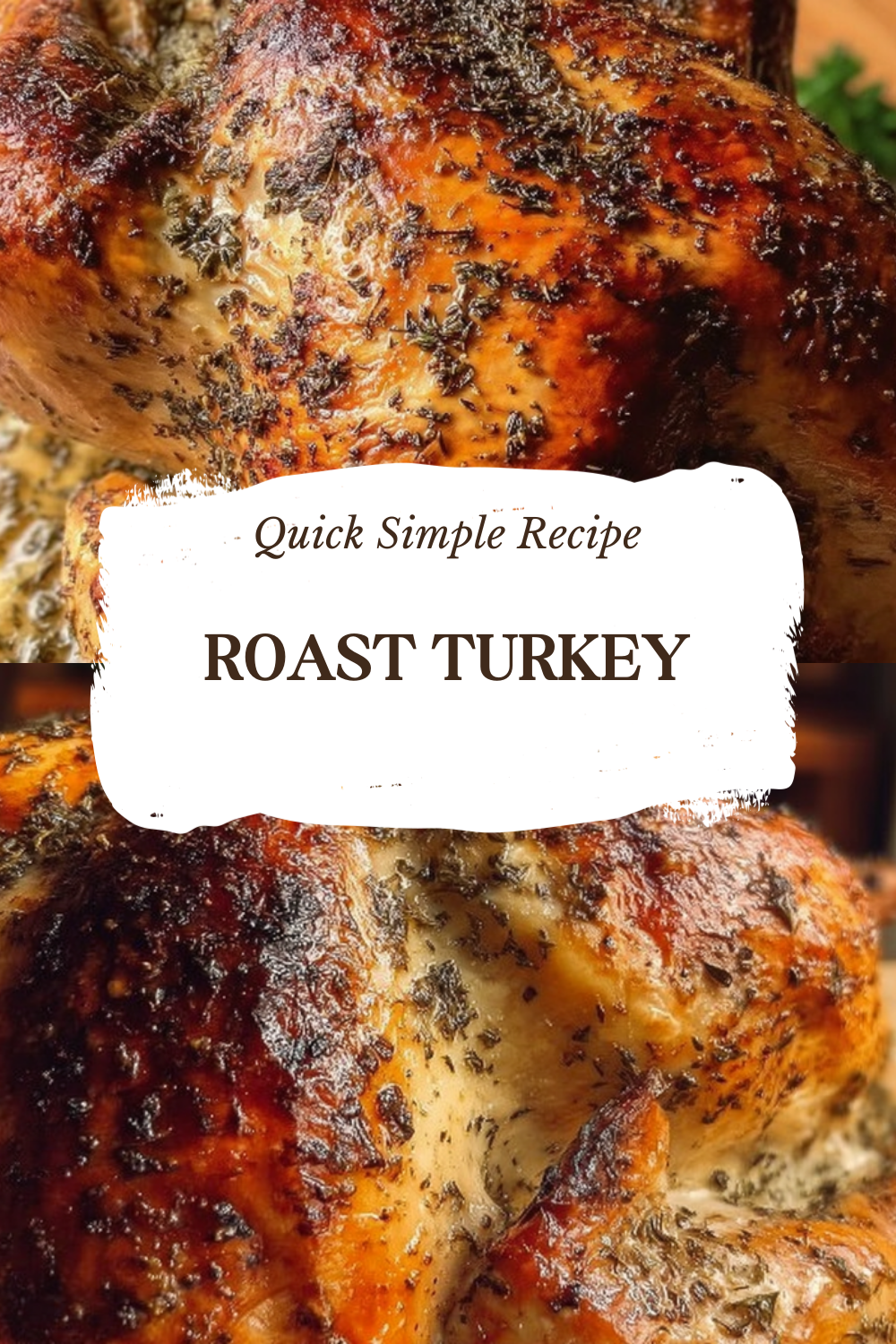
FAQs: Frequently Asked Questions About Roast Turkey
How long does it take to thaw a frozen turkey in the fridge?
What internal temperature should I cook turkey to for safety and juiciness?
Can I prepare the turkey the day before roasting?
How do I keep the turkey breast moist while roasting?
How should I adjust cooking time for a larger turkey?
Roast Turkey
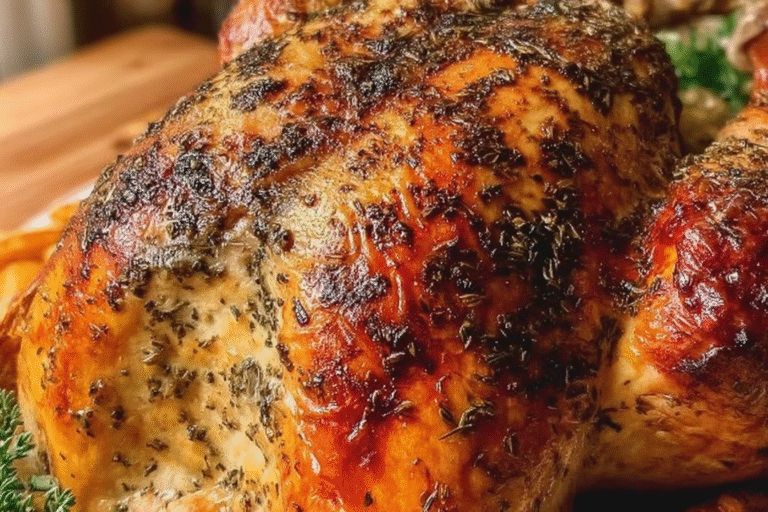
🦃 Enjoy a perfectly juicy roast turkey with beautifully crispy skin that makes every holiday meal special.
🍋 This recipe features a flavorful butter blend and simple techniques that ensure tender, delicious results every time.
- Total Time: Varies depending on thawing + ~4 hours including resting
- Yield: Serves 10-12
Ingredients
– 11-15 lb turkey, fully thawed (specifically for a 12 lb turkey)
– 1 tsp salt for seasoning inside the cavity
– 1/4 tsp pepper for seasoning inside the cavity
– Additional salt for seasoning outside (amount to taste)
– Additional pepper for seasoning outside (amount to taste)
– 1 cup unsalted softened butter (2 sticks)
– 2 Tbsp olive oil
– 4 Tbsp lemon juice from 1 large lemon
– 1/2 Tbsp lemon zest
– 3 large pressed garlic cloves
– 1/4 cup freshly chopped parsley
– 1/2 Tbsp sea salt
– 1/2 tsp freshly ground black pepper
– 1 peeled and quartered onion
– 4 peeled and halved garlic cloves
– 1/2 bunch parsley
– 1 quartered lemon
Instructions
1-Thawing and Initial Prep: First, start by thawing the turkey in the refrigerator at a rate of 1 day for every 4-5 lb, such as 3 days for a 12 lb turkey. Remove the turkey from the refrigerator 30 minutes before preparation to bring it closer to room temperature, which helps with even cooking. Next, remove the neck and giblets from the turkey cavity, then pat the turkey dry with paper towels and fold the wings behind to prevent scorching.
2-Seasoning the Cavity: Season the inside of the cavity with 1 tsp salt and 1/4 tsp pepper for a flavorful base. This step enhances the overall taste without overwhelming the meat.
3-Preparing the Flavored Butter: Prepare the flavored butter by combining 1 cup unsalted softened butter, 2 Tbsp olive oil, 4 Tbsp lemon juice from 1 large lemon, 1/2 Tbsp lemon zest, 3 large pressed garlic cloves, 1/4 cup freshly chopped parsley, 1/2 Tbsp sea salt, and 1/2 tsp freshly ground black pepper until well mixed. Carefully separate the skin from the breast meat without tearing it, then spread two-thirds of this mixture under the skin and massage to distribute evenly for juicy results.
4-Applying the Butter and External Seasoning: Pat the skin dry and rub the remaining one-third of the flavored butter over the outside of the turkey. Drizzle with olive oil and season the outside with additional salt and pepper to achieve that crispy skin.
5-Stuffing and Trussing: Stuff the turkey cavity with 1 peeled and quartered onion, 4 peeled and halved garlic cloves, 1/2 bunch parsley, and 1 quartered lemon. Tie the legs together and close the cavity with kitchen twine to keep everything secure during roasting.
6-Roasting Process: Preheat the oven to 430°F and position the oven rack in the lower part. Insert an oven-safe meat thermometer into the thick dark meat near the drumstick for accurate monitoring. Roast the turkey uncovered at 430°F for 20 minutes, then remove it from the oven, baste with pan drippings, and place a foil shield over the breast to prevent drying.
7-Roasting Process: Reduce the oven temperature to 350°F and continue roasting for an additional 2 hours and 30 minutes for a 12 lb turkey, which is about 13 minutes per pound. The turkey is done when the thigh reaches 170-180°F and the breast reaches 165°F, so check with the thermometer before removing from the oven.
8-Resting and Serving: Transfer the turkey to a serving platter, loosely cover with foil, and let it rest for at least 1 hour to enhance tenderness and ease carving. Reserve the pan drippings for making gravy, and decorate as desired for a beautiful presentation. For more tips on pairing with desserts like strawberry shortcake trifles, visit this helpful page.
Last Step:
Please leave a rating and comment letting us know how you liked this recipe! This helps our business to thrive and continue providing free, high-quality recipes for you.Notes
🦃 Make sure the turkey is fully thawed before cooking to ensure even roasting.
🍋 Use the foil shield during cooking to prevent drying of the breast meat.
⏳ Allow the turkey to rest after roasting to maximize tenderness and make carving easier.
- Prep Time: 30-45 minutes (active preparation) Plus thawing time: 1 day per 4-5 lb turkey
- Roasting and resting time: About 3 hours (20 min at 430°F + approx 13 min per lb at 350°F) plus 1 hour resting
- Cook Time: About 3 hours
- Category: Main Course
- Method: Roasting
- Cuisine: American
Nutrition
- Serving Size: 1 serving
- Calories: 556 kcal
- Sugar: 1 g
- Sodium: 828 mg
- Fat: 13 g
- Saturated Fat: 4 g
- Unsaturated Fat: 6 g
- Trans Fat: 0.2 g
- Carbohydrates: 3 g
- Fiber: 1 g
- Protein: 103 g
- Cholesterol: 312 mg