Why You’ll Love This Sheet Pan Fried Eggs
Imagine starting your day with a simple yet delicious breakfast that fits right into your busy schedule as a home cook or working professional. Sheet Pan Fried Eggs offer that perfect mix of ease and flavor, making them a go-to choice for busy parents, students, and even baking enthusiasts. You’ll appreciate how this recipe, centered around the primary keyword ‘sheet pan fried eggs,’ delivers a satisfying meal without much effort.
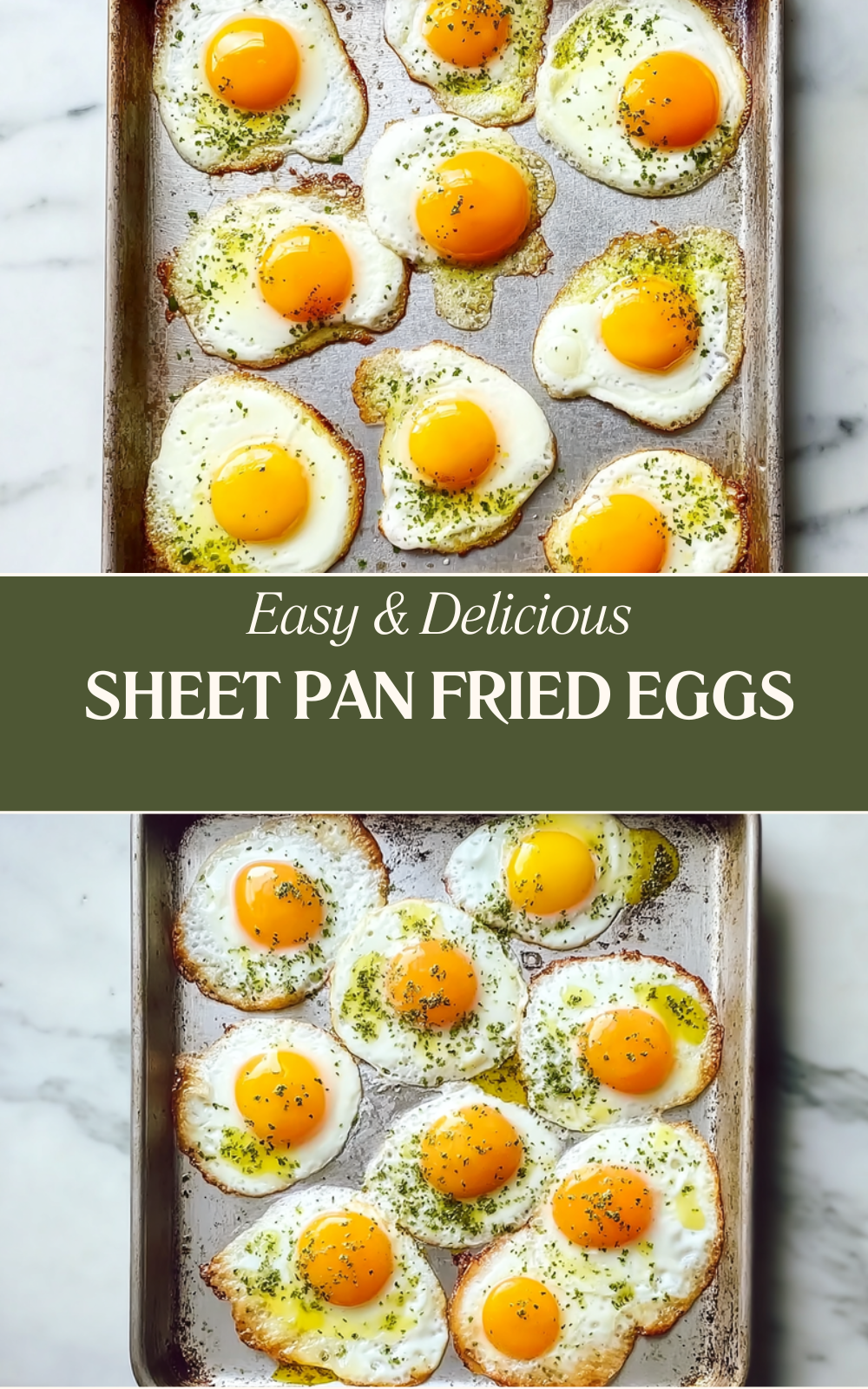
This sheet pan fried eggs recipe is incredibly simple and quick, requiring minimal hands-on time. Just crack your eggs onto a sheet pan, season, and bake, allowing for effortless meal prep and less cleanup. Utilizing whole eggs baked with minimal oil makes for a nutritious meal rich in protein, essential vitamins, and healthy fats, promoting wellness and balanced nutrition. Adapt this recipe easily for various dietary needs such as keto, paleo, vegetarian, or gluten-free diets by modifying seasonings or accompaniments, and enjoy the distinctive flavor from baking that produces tender whites and creamy yolks.
For those interested in exploring more healthy options, you can check out our guide on veggie fried rice for a complementary side dish. The versatility of sheet pan fried eggs shines through in their ability to enhance everyday meals, making them ideal for food enthusiasts and travelers alike. Whether you’re a newlywed experimenting in the kitchen or a senior looking for quick recipes, this method reduces guesswork compared to stovetop frying and lets you focus on what matters most.
Jump to:
- Why You’ll Love This Sheet Pan Fried Eggs
- Essential Ingredients for Sheet Pan Fried Eggs
- How to Prepare the Perfect Sheet Pan Fried Eggs: Step-by-Step Guide
- Nutritional Benefits
- Dietary Substitutions to Customize Your Sheet Pan Fried Eggs
- Protein and Main Component Alternatives
- Vegetable, Sauce, and Seasoning Modifications
- Mastering Sheet Pan Fried Eggs: Advanced Tips and Variations
- How to Store Sheet Pan Fried Eggs: Best Practices
- FAQs: Frequently Asked Questions About Sheet Pan Fried Eggs
- How long should I bake eggs on a sheet pan for runny and firm yolks?
- What size sheet pan works best for baking multiple eggs at once?
- Can I reheat sheet pan baked eggs without drying them out?
- Is it possible to bake eggs on a glass baking dish or in an air fryer on a sheet pan?
- Can sheet pan baked eggs be made ahead and stored for meal prep? How long do they last?
- Sheet Pan Fried Eggs
- Ingredients
- Instructions
- Last Step:
- Notes
- Nutrition
- Did you make this recipe?
Essential Ingredients for Sheet Pan Fried Eggs
Gathering the right ingredients is the first step to mastering sheet pan fried eggs, a recipe that’s straightforward and adaptable for home cooks of all levels. Let’s break down what you’ll need to create this easy sheet pan fried eggs recipe that serves as a flavorful breakfast option. By using fresh, quality items, you ensure a delicious outcome every time.
- 12 large eggs – The main ingredient providing structure and protein.
- Salt to taste – Enhances the natural flavor of the eggs.
- Pepper to taste – Adds depth and a touch of heat.
- Oil, butter, or spray oil for greasing the baking sheet – Helps prevent sticking and adds a subtle richness.
These ingredients make the recipe accessible for diet-conscious individuals, as it’s naturally gluten-free and can be adjusted for various preferences. For special dietary options, consider vegan substitutes like tofu slices, but keep in mind the original list focuses on traditional elements. This setup keeps things simple while allowing for personalization based on your needs as a busy parent or student.
How to Prepare the Perfect Sheet Pan Fried Eggs: Step-by-Step Guide
Getting the hang of sheet pan fried eggs is easier than you might think, especially if you’re a working professional or new to cooking. Follow this step-by-step guide to whip up a batch that’s perfect for your morning routine. We’ll use the exact directions provided to ensure you get tender whites and yolks just the way you like them.
- Preheat the oven to 350 degrees Fahrenheit to start your sheet pan fried eggs adventure.
- Lightly grease a baking sheet with raised edges using oil, butter, or spray oil for easy release after baking.
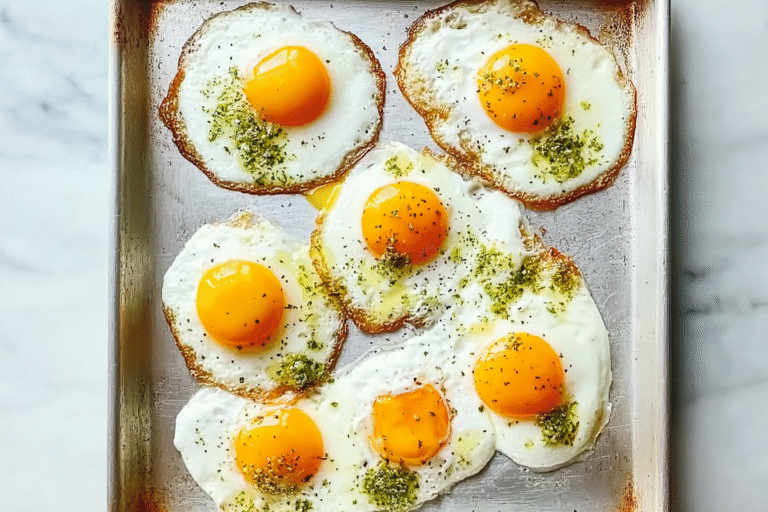
- Crack each of the 12 large eggs onto the baking sheet, making sure to space the yolks evenly for even cooking.
- Season the eggs with salt and pepper as desired to bring out their natural flavors.
- Bake in the oven for 12-15 minutes until the egg whites are set and the yolks reach your preferred doneness about 12 minutes for medium or dippy yolks, and up to 15 minutes for fully hard yolks.
To reheat leftovers, cover the eggs with foil and bake at 300°F for 20 minutes or at 350°F for 10 minutes; alternatively, use a microwave in short intervals until the eggs reach an internal temperature of 165°F. This method works well for meal prep, helping busy parents and students save time. Remember, you can scale this recipe by halving or doubling it based on your baking sheet size, making it versatile for groups or solo diners.
Nutritional Benefits
Sheet pan fried eggs aren’t just tasty; they’re packed with nutrition too. Each egg offers essential nutrients that support a balanced diet. For a quick overview, here’s a table of the nutritional information per egg.
| Nutrient | Amount per Egg |
|---|---|
| Calories | 80 |
| Total Fat | 5.6 grams |
| Saturated Fat | 1.7 grams |
| Trans Fat | 0 grams |
| Cholesterol | 186.5 milligrams |
| Sodium | 62 milligrams |
| Carbohydrates | 0.6 grams |
| Fiber | 0 grams |
| Sugar | 0.6 grams |
| Protein | 6.3 grams |
This easy sheet pan fried eggs recipe supports heart-healthy eating; for more tips, visit this helpful guide on incorporating eggs into your diet.

Dietary Substitutions to Customize Your Sheet Pan Fried Eggs
One of the best parts about sheet pan fried eggs is how easy it is to tweak them for different tastes and needs, whether you’re a food enthusiast or someone watching your diet. Let’s look at some simple swaps that keep things flavorful and accessible. You can make this recipe your own without much fuss.
Protein and Main Component Alternatives
Suggested substitutions include using firm tofu or chickpea batter to replicate eggs for vegan diets; egg whites only for lower cholesterol options; or incorporating plant-based egg alternatives available commercially. These changes help diet-conscious individuals enjoy the same easy sheet pan fried eggs recipe with a twist.
Vegetable, Sauce, and Seasoning Modifications
Swap traditional herbs with seasonal greens like spinach or kale for added nutrition; experiment with hot sauce, smoked paprika, or garlic powder for flavor twists. To keep it gluten-free, steer clear of sauces containing gluten and choose tamari or coconut aminos instead, making it ideal for travelers and seniors alike.
Mastering Sheet Pan Fried Eggs: Advanced Tips and Variations
Once you’re comfortable with the basics of sheet pan fried eggs, you can level up with some pro techniques and fun variations. Bake eggs at 350°F for more precise control over yolk doneness, as higher temperatures may harden yolks too quickly. Use a baking sheet with raised edges for easier handling, and remember this method eliminates the need to flip eggs and reduces guesswork compared to stovetop frying.
- Pro cooking techniques include preheating the sheet pan to ensure crispy edges or using silicone mats to prevent sticking.
- Try flavor variations such as adding smoked salmon, crumbled feta, or sun-dried tomatoes for gourmet twists.
- Presentation tips involve garnishing with microgreens or edible flowers to elevate aesthetics.
- Make-ahead options include baking eggs partially then refrigerating, finishing with a quick reheat for busy mornings; do not freeze baked eggs as the whites tend to become tough, and refrigerate and consume within one week.
For more ideas on complementary dishes, check out our roasted veggie black bean tacos recipe. Adjust baking time as needed to achieve your desired yolk consistency, and note that baked eggs may form a thin film over the yolks, which is normal.
How to Store Sheet Pan Fried Eggs: Best Practices
Proper storage keeps your sheet pan fried eggs fresh and tasty, especially if you’re prepping meals ahead for the week. Reheat with foil and moisture in the oven to keep eggs from drying out, and always refrigerate them promptly. For smaller quantities, toaster oven sheets can be used, making this recipe perfect for students or singles.
- Refrigeration: Store cooked eggs in airtight containers for up to 4 days to maintain freshness.
- Freezing: While not recommended, if you must, freeze eggs separately on a baking sheet before transferring to freezer bags; baked eggs can be prepared ahead for meal prep but consume within one week in the fridge.
- Reheating: Gently reheat in an oven at low temperature or microwave with a cover to avoid drying out.
- Meal prep considerations: Batch cook multiple sheet pans at once and portion into meal prep containers to streamline breakfasts.
FAQs: Frequently Asked Questions About Sheet Pan Fried Eggs
How long should I bake eggs on a sheet pan for runny and firm yolks?
What size sheet pan works best for baking multiple eggs at once?
Can I reheat sheet pan baked eggs without drying them out?
Is it possible to bake eggs on a glass baking dish or in an air fryer on a sheet pan?
Can sheet pan baked eggs be made ahead and stored for meal prep? How long do they last?
Sheet Pan Fried Eggs
🥚 These Sheet Pan Eggs Recipes offer a simple way to prepare multiple eggs at once with minimal effort and cleanup.
🍳 Baking eggs in the oven creates evenly cooked whites and customizable yolks, perfect for easy, flavorful breakfasts or meal prep.
- Total Time: 17-20 minutes
- Yield: 12 servings
Ingredients
– 12 large eggs The main ingredient providing structure and protein
– Salt to taste Enhances the natural flavor of the eggs
– Pepper to taste Adds depth and a touch of heat
– Oil, butter, or spray oil for greasing the baking sheet Helps prevent sticking and adds a subtle richness
Instructions
1-Preheat the oven to 350 degrees Fahrenheit to start your sheet pan fried eggs adventure.
2-Lightly grease a baking sheet with raised edges using oil, butter, or spray oil for easy release after baking.
3-Crack each of the 12 large eggs onto the baking sheet, making sure to space the yolks evenly for even cooking.
4-Season the eggs with salt and pepper as desired to bring out their natural flavors.
5-Bake in the oven for 12-15 minutes until the egg whites are set and the yolks reach your preferred doneness about 12 minutes for medium or dippy yolks, and up to 15 minutes for fully hard yolks.
Last Step:
Please leave a rating and comment letting us know how you liked this recipe! This helps our business to thrive and continue providing free, high-quality recipes for you.Notes
🔥 Bake eggs at 350°F for best control over yolk doneness; higher temps may harden yolks too quickly.
🍳 Use a baking sheet with raised edges for easier handling and cleanup.
⏰ Adjust baking time to achieve desired yolk consistency.
❄️ Do not freeze baked eggs; refrigerate and consume within one week.
♨️ Reheat with foil and moisture in oven to keep eggs from drying out.
🥪 Baked eggs can be prepped ahead for meal prep or group breakfasts.
🍽️ Note baked eggs won’t have crispy white edges like skillet-fried eggs and may have a thin film over yolks.
- Prep Time: 5 minutes
- Cook Time: 12-15 minutes
- Category: Breakfast
- Method: Baking
- Cuisine: American
- Diet: Omnivore
Nutrition
- Serving Size: 1 egg
- Calories: 80 kcal
- Sugar: 0.6 g
- Sodium: 62 mg
- Fat: 5.6 g
- Saturated Fat: 1.7 g
- Trans Fat: 0 g
- Carbohydrates: 0.6 g
- Fiber: 0 g
- Protein: 6.3 g
- Cholesterol: 186.5 mg