
Why You’ll Love This Sinigang
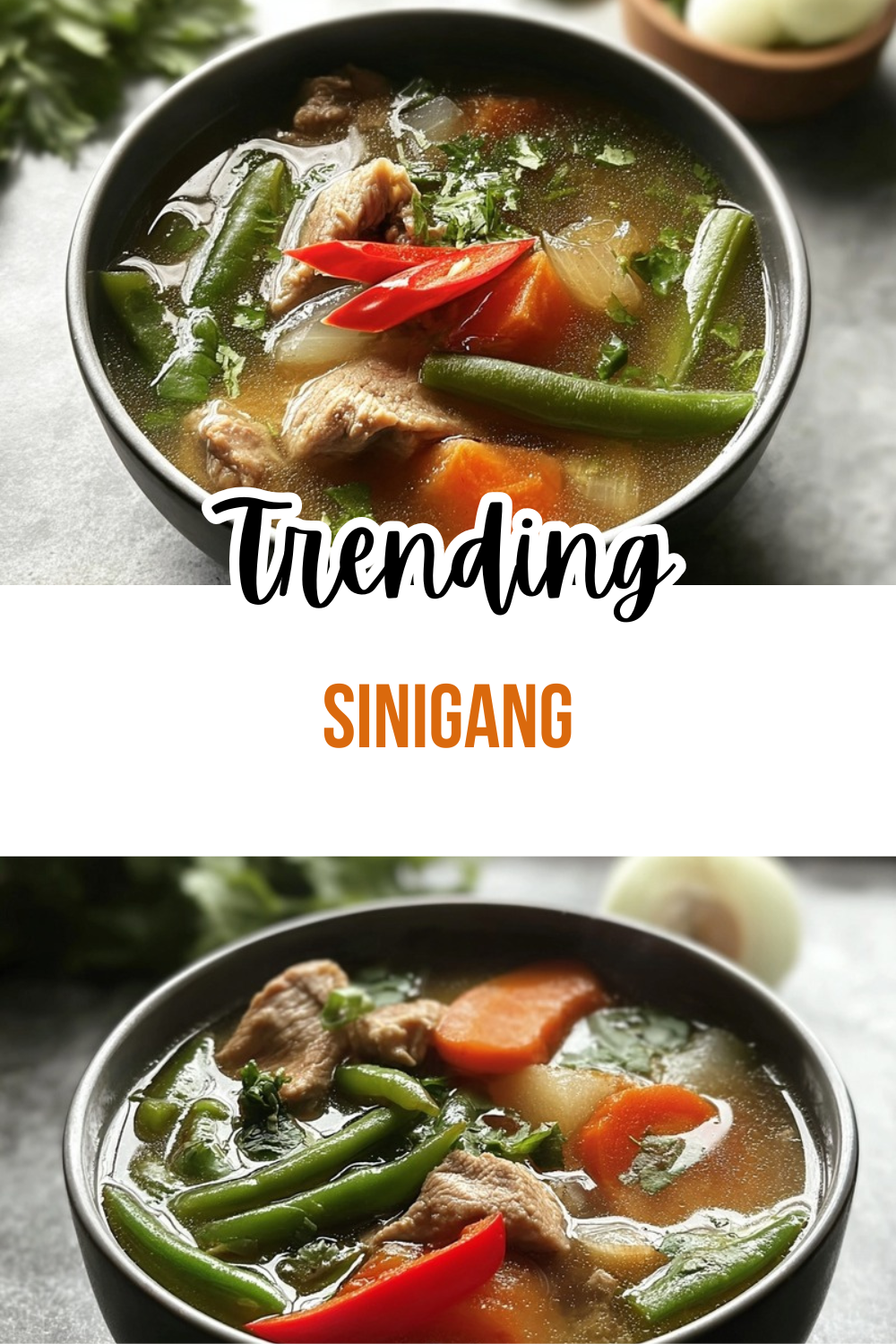
Sinigang is a Filipino favorite because it brings big flavor with simple steps. This family-friendly sour soup feels comforting on busy weeknights, and it still tastes special enough for weekends. If you like tangy, savory broths and tender meat, this version hits the mark.
- Ease of preparation: Prep time is about 10 minutes, and the main cooking time ranges from 1 hour to 1 hour and 30 minutes depending on meat tenderness. The process is mostly simmering, not complicated cooking.
- Health benefits: It is a veggie-forward meal with fiber from leafy greens and vegetables, plus sour ingredients that many people enjoy for bright, satisfying flavor. It is also naturally gluten-free when you use fish sauce (patis) without additives.
- Versatility: You can swap proteins and vary vegetables based on what you have at home. Busy parents love that you can make it with pork, beef, chicken, fish, or shrimp.
- Distinctive flavor: The sour and savory balance comes from young tamarind, plus onion and tomato added early for depth. The result is a broth that tastes lively, not flat or one-note.
Tip: Skim floating scum during simmering so your broth stays clean and flavorful.
If you are planning a full meal night, you can pair this with a comforting dessert like banana bundt cake or lighter treats like strawberry shortcake trifles.
And if you are curious about tamarind’s role, here is a helpful external resource: health benefits of tamarind.
Jump to:
- Why You’ll Love This Sinigang
- Essential Ingredients for Sinigang
- Main recipe ingredients
- Ingredient shopping snapshot
- How to Prepare the Perfect Sinigang: Step-by-Step Guide
- Step-by-step instructions
- Timing you can count on
- Dietary Substitutions to Customize Your Sinigang
- Protein and main component alternatives
- Vegetable, sauce, and seasoning modifications
- Mastering Sinigang: Advanced Tips and Variations
- Pro cooking techniques
- Flavor variations you can try
- Presentation and serving ideas
- How to Store Sinigang: Best Practices
- Refrigeration
- Freezing
- Reheating
- Meal prep considerations
- FAQs: Frequently Asked Questions About Sinigang
- What is sinigang?
- What makes sinigang sour?
- What meat is best for sinigang?
- How do you cook sinigang step by step?
- What can I substitute in sinigang?
- Sinigang
- Ingredients
- Instructions
- Last Step:
- Notes
- Nutrition
- Did you make this recipe?
Essential Ingredients for Sinigang
Below are the exact ingredients and measurements for this Sinigang recipe, including the classic souring agent and the vegetables that build that signature bowl. You can adjust fish sauce and black pepper to match your taste.
Main recipe ingredients
- 2 lbs pork belly (can substitute with pork shoulder, spare ribs, pork neck bones, beef, chicken, fish, or shrimp)
- 1 lb young tamarind (unripe tamarind)
- 1 bunch water spinach (kangkong), chopped
- 8 pieces string beans (sitaw), cut into 2-inch pieces
- 2 pieces Chinese or Japanese eggplants, sliced
- 1 medium daikon radish (optional)
- 8 pieces okra
- 2 pieces long green peppers (siling pansigang or substitute with jalapeno or serrano peppers)
- 2 pieces tomatoes, sliced into wedges
- 1 piece onion
- 2 quarts water
- Fish sauce (patis) to taste
- Ground black pepper to taste (optional)
Ingredient shopping snapshot
| Category | What to look for | Why it matters |
|---|---|---|
| Sour base | Young tamarind (unripe) | Creates the signature tangy broth |
| Meat | Pork belly (or your chosen substitute) | Fat helps tender texture and richer flavor |
| Leafy greens | Kangkong (water spinach) | Classic Sinigang finish and fresh bite |
| Vegetables | String beans, eggplant, okra, long green peppers | Builds texture and flavor balance |
Want an extra reference for pork sinigang variations? This detailed guide is worth a read: pork sinigang na baboy recipe.
How to Prepare the Perfect Sinigang: Step-by-Step Guide
Making Sinigang is very doable, even on a weeknight. You will boil tamarind first to build the sour broth, then simmer the meat until tender, and finally add vegetables in the right order so everything stays tasty and textured.
Step-by-step instructions
- First Step: Boil the 1 lb young tamarind in 2 quarts water for 40 minutes, or up to 1 hour if you want more sourness.
Goal: Extract full sour flavor from the unripe tamarind. - Second Step: Strain the broth through a kitchen sieve or strainer, squeezing out the pulp to extract flavors.
Goal: Keep the soup smooth and free of tamarind solids. - Third Step: Pour the tamarind broth into a pot. Bring to a boil, then add 1 piece onion, 2 lbs pork belly, and half of the 2 pieces tomatoes. Cover and cook.
Goal: Build a deep, savory base. - Fourth Step: Skim off floating scum. Add fish sauce (patis) to taste, then simmer for about 1 hour or until pork is tender.
Note: Use slow cooking for the most tender results. - Fifth Step: Add 1 medium daikon radish (optional) and 2 pieces sliced Chinese or Japanese eggplants, then cook for 5 minutes.
Goal: Start adding vegetables that need a bit more time. - Sixth Step: Add 2 pieces long green peppers, 8 pieces string beans (sitaw), and remaining tomatoes, plus 8 pieces okra. Cook for 3 more minutes.
Goal: Keep string beans crisp-tender and okra nicely cooked. - Seventh Step: Add chopped water spinach stalks. Season with fish sauce and ground black pepper (optional). Cook for 2 minutes.
Goal: Let stalks soften while staying vibrant. - Final Step: Add water spinach leaves, cover the pot, and turn off heat. Let residual heat cook the leaves for 3 to 5 minutes. Serve immediately.
Goal: Keep the leaves fresh and tender, not overcooked.
Timing you can count on
- Prep time: about 10 minutes
- Cook time: about 1 hour to 1 hour and 30 minutes (depends on meat tenderness)
- Total: roughly 1 hour 10 minutes to 1 hour 40 minutes
Make it smoother: If you want extra clean broth, strain the tamarind more than once and squeeze well so flavors stay strong.

Dietary Substitutions to Customize Your Sinigang
Sinigang is flexible by nature. You can adjust protein, swap vegetables, and change seasonings without losing the dish’s comforting sour-savor balance. Use these suggestions to fit your pantry, preferences, or dietary needs.
Protein and main component alternatives
- Pork belly (recommended): stays moist because of fat content. This recipe uses 2 lbs.
- Swap options: pork shoulder, spare ribs, pork neck bones, beef, chicken, fish, or shrimp.
- Fish and shrimp timing: If using seafood, add it later so it does not get tough or overcooked.
- Chicken option: Simmer until fork-tender, then add vegetables in the same order so the veggies cook properly.
Vegetable, sauce, and seasoning modifications
- Leafy greens swap: replace water spinach (kangkong) with spinach, bok choy, or baby kale. Add leafy greens near the end so they stay fresh.
- Green pepper alternatives: use jalapeno or serrano if you do not have siling pansigang.
- Daikon choice: keep daikon radish optional for extra mild sweetness and texture.
- Souring convenience: young tamarind is traditional, but you can use tamarind paste or sinigang powder if that is what you have.
- Seasoning: fish sauce (patis) is your main salty flavor; add ground black pepper only if you want extra warmth.
To keep it simple for busy nights, plan your “core” as sour base plus meat plus leafy greens. Then swap vegetables based on what you find at the store.
Mastering Sinigang: Advanced Tips and Variations
Once you nail the basic flow, you can improve your results with a few small but important habits. These tips help you get tender meat, a balanced broth, and a bowl that tastes fresh even if you make it ahead.
Pro cooking techniques
- Use pork belly or pork shoulder: fat makes the meat moist and tender.
- Cook meat slowly: aim for 60 to 90 minutes until tender so the broth becomes richer.
- Add onion and tomato early: this creates a stronger savory base that pairs perfectly with the sour broth.
- Control leaf cooking: add stalks first, then leaves at the end with residual heat.
Flavor variations you can try
- Extra sour lovers: boil tamarind closer to 1 hour and taste before serving.
- Vegetable mix-and-match: you can prepare Sinigang with just pork, green leafy vegetables, souring agent, and water. Vegetables can be varied based on availability.
- Instant Pot or slow cooker option: sauté aromatics, pressure cook the meat (then quick release), and add leafy greens right before serving.
Presentation and serving ideas
Serve hot with steamed rice. For a clean presentation, ladle broth first, then add vegetables so everyone gets an even mix. If you like spice, place extra long green peppers on the side so guests can choose their heat level.
Personal note: I like to taste the broth while it simmers and adjust fish sauce early, then do a quick final taste after the leafy greens go in. That way, every bowl tastes balanced.
How to Store Sinigang: Best Practices
Storing Sinigang well helps you keep its flavor and texture for later meals. The main idea is to cool it quickly, store safely, and reheat gently so the vegetables do not turn dull.
Refrigeration
- Cool the soup completely before storing.
- Store in an airtight container in the fridge for up to 3 days.
- For best results, keep leafy greens as fresh as possible when meal-prepping.
Freezing
- Freeze in portions for easy reheating.
- Freeze up to about 1 month for best quality.
- If you can, consider freezing without the leaves, then stir them in during reheating.
Reheating
- Reheat gently on the stove or in short microwave bursts.
- Stir often and avoid boiling hard so vegetables stay pleasant.
- Season lightly after reheating if needed (fish sauce helps bring the flavor back).
Meal prep considerations
If you are cooking for the week, you can prepare the sour broth and meat ahead. Then, cook vegetables briefly and add leafy greens right before serving so they keep their bright texture.
FAQs: Frequently Asked Questions About Sinigang
What is sinigang?
What makes sinigang sour?
What meat is best for sinigang?
How do you cook sinigang step by step?
What can I substitute in sinigang?
Sinigang
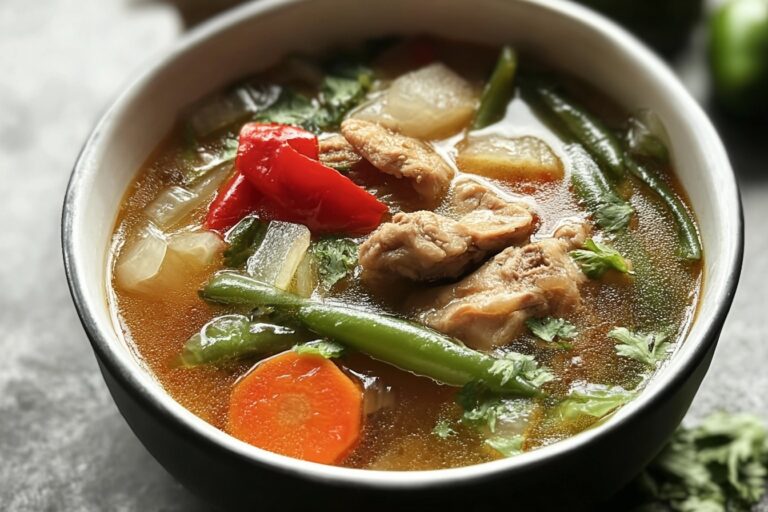
🍲 Tangy tamarind broth with tender pork belly and fresh veggies – nutritious Filipino comfort soup bursting with sour-savory flavors for family bonding!
🥬 One-pot easy recipe loaded with greens and protein, wholesome weeknight dinner ready in under 90 minutes!
- Total Time: 1 hour 25 minutes
- Yield: 6 servings
Ingredients
– 2 lbs pork belly
– 1 lb young tamarind (unripe tamarind)
– 1 bunch water spinach (kangkong)
– 8 pieces string beans (sitaw)
– 2 pieces Chinese or Japanese eggplants
– 1 medium daikon radish (optional)
– 8 pieces okra
– 2 pieces long green peppers (siling pansigang)
– 2 pieces tomatoes
– 1 piece onion
– 2 quarts water
– Fish sauce (patis) to taste
– Ground black pepper to taste (optional)
Instructions
1-First Step: Boil the 1 lb young tamarind in 2 quarts water for 40 minutes, or up to 1 hour if you want more sourness.
2-Second Step: Strain the broth through a kitchen sieve or strainer, squeezing out the pulp to extract flavors.
3-Third Step: Pour the tamarind broth into a pot. Bring to a boil, then add 1 piece onion, 2 lbs pork belly, and half of the 2 pieces tomatoes. Cover and cook.
4-Fourth Step: Skim off floating scum. Add fish sauce (patis) to taste, then simmer for about 1 hour or until pork is tender.
5-Fifth Step: Add 1 medium daikon radish (optional) and 2 pieces sliced Chinese or Japanese eggplants, then cook for 5 minutes.
6-Sixth Step: Add 2 pieces long green peppers, 8 pieces string beans (sitaw), and remaining tomatoes, plus 8 pieces okra. Cook for 3 more minutes.
7-Seventh Step: Add chopped water spinach stalks. Season with fish sauce and ground black pepper (optional). Cook for 2 minutes.
8-Final Step: Add water spinach leaves, cover the pot, and turn off heat. Let residual heat cook the leaves for 3 to 5 minutes. Serve immediately.
Last Step:
Please leave a rating and comment letting us know how you liked this recipe! This helps our business to thrive and continue providing free, high-quality recipes for you.Notes
🐷 Pork belly stays juicy and tender; sub shoulder for leaner option.
⏲️ Simmer meat 60-90 min low/slow for flavorful, fall-apart texture.
🧅 Onion and tomatoes early build deep savory base.
- Prep Time: 10 minutes
- Cook Time: 1 hour 15 minutes
- Category: Soups
- Method: Stovetop
- Cuisine: Filipino
- Diet: Gluten-Free
Nutrition
- Serving Size: 1 bowl
- Calories: 1538 kcal
- Sugar: 54g
- Sodium: 175mg
- Fat: 121g
- Saturated Fat: 44g
- Unsaturated Fat: 69g
- Trans Fat: 0g
- Carbohydrates: 91g
- Fiber: 13g
- Protein: 29g
- Cholesterol: 163mg