Why You’ll Love This Slow Roasted Lamb Shanks
Slow roasted lamb shanks offer a delicious way to enjoy tender, flavorful meat that’s perfect for any meal. This recipe combines simple ingredients with a hands-off cooking method, making it ideal for home cooks who want great results without spending all day in the kitchen. You’ll appreciate how the rich red wine and tomato sauce enhances every bite, turning a basic dish into something special.
One of the best parts is the ease of preparation. This slow roasted lamb shanks recipe is straightforward to make, requiring minimal prep time and simple ingredients, allowing for a relaxed cooking experience without fuss. The slow roasting method ensures tender results with little hands-on time, making it perfect for busy schedules. Plus, it’s versatile enough to fit into various lifestyles, whether you’re a working professional or a student looking for a comforting dinner.
Health-wise, slow roasted lamb shanks provide rich protein and essential nutrients such as iron, zinc, and B vitamins, supporting muscle health and overall wellness. Slow cooking also helps retain these nutrients while reducing excess fat, making the dish a nutritious choice for wholesome eating. For instance, each serving includes about 624 kcal, 42g protein, 25g fat, 31g carbohydrates, and 6g fiber, as per nutritional estimates.
The versatility shines through in how you can adapt this recipe. It’s highly adaptable, easily customized to fit dietary preferences, and can be paired with gluten-free sides or adjusted for low-calorie meals. Finally, the distinctive flavor from the slow roasting process intensifies the lamb’s natural tastes, creating a succulent, melt-in-your-mouth texture with deep, rich notes infused with herbs.
Jump to:
- Why You’ll Love This Slow Roasted Lamb Shanks
- Essential Ingredients for Slow Roasted Lamb Shanks
- How to Prepare the Perfect Slow Roasted Lamb Shanks: Step-by-Step Guide
- Dietary Substitutions to Customize Your Slow Roasted Lamb Shanks
- Mastering Slow Roasted Lamb Shanks: Advanced Tips and Variations
- How to Store Slow Roasted Lamb Shanks: Best Practices
- FAQs: Frequently Asked Questions About Slow Roasted Lamb Shanks
- What are lamb shanks and why do they need slow roasting?
- How long should I slow roast lamb shanks for the best tenderness?
- Is it necessary to brown lamb shanks before slow roasting, and how does it affect flavor?
- Can I substitute red wine in the sauce if I don’t want to use alcohol?
- What side dishes pair well with slow roasted lamb shanks?
- Slow Roasted Lamb Shanks
- Ingredients
- Instructions
- Last Step:
- Notes
- Nutrition
- Did you make this recipe?
Essential Ingredients for Slow Roasted Lamb Shanks
Gathering the right ingredients is key to making slow roasted lamb shanks that impress. This section lists everything you need, focusing on the precise measurements to ensure your recipe turns out just right. I’ll use the exact items provided to keep it simple and accurate.
- 4 lamb shanks, about 400g each
- 1 teaspoon cooking/kosher salt
- 1 teaspoon pepper
- 2 to 3 tablespoons olive oil, divided
- 1 onion, finely diced
- 3 garlic cloves, minced
- 1 cup carrot, peeled and finely diced
- 1 cup celery, finely diced
- 2 1/2 cups full-bodied red wine
- 800g can crushed tomatoes
- 2 tablespoons tomato paste
- 2 cups low sodium chicken stock or water
- 5 sprigs thyme (tied) or 2 teaspoons dried thyme
- 2 dried or 4 fresh bay leaves
For serving, you might want optional items like creamy mashed potatoes, polenta, or pasta, along with fresh thyme leaves for garnish. Special dietary options include using seitan or jackfruit for a vegan twist, ensuring all stock is certified gluten-free for those needs, or opting for lean cuts and vegetable broth to keep it low-calorie.
| Ingredient Category | Purpose |
|---|---|
| Main Meat | Lamb shanks provide the tender base |
| Herbs and Spices | Add depth, like thyme and bay leaves |
| Liquids | Red wine and stock create the sauce |
This structured list makes it easy to shop and measure, ensuring you don’t miss a thing for that rich, flavorful outcome.
How to Prepare the Perfect Slow Roasted Lamb Shanks: Step-by-Step Guide
Follow this guide to create slow roasted lamb shanks that are tender and full of flavor. The process involves slow cooking the meat in a rich red wine and tomato sauce, which makes it fall-off-the-bone delicious. Let’s break it down into simple steps so you can enjoy the journey.
First Step: Preheat your oven to 180°C (350°F). Pat the lamb shanks dry and season with salt and pepper. Heat 2 tablespoons olive oil in a large heavy pot over high heat, then brown the shanks in batches for about 5 minutes each before removing and draining excess fat.
Second Step: Reduce heat to medium-low and add the remaining tablespoon of olive oil. Sauté the onion and garlic for 2 minutes, then add carrot and celery and cook another 5 minutes until the onions are translucent and sweet.
Third Step: Add red wine, chicken stock, crushed tomatoes, tomato paste, thyme, and bay leaves, stirring to combine. Place the lamb shanks back into the pot, submerging them mostly in the liquid, and bring to a simmer on the stove.
Fourth Step: Cover the pot and transfer to the oven for 2 hours. Remove the lid and return to the oven uncovered for an additional 30 minutes to reduce the sauce and further tenderize the meat.
Final Step: Remove the lamb shanks and keep them warm. Discard the bay leaves and thyme sprigs, then strain the sauce by pressing the vegetables to extract juices. Return the liquid to the pot and simmer to reduce it to a syrupy consistency if needed, adjusting seasoning as required. Serve the lamb shanks with the sauce over mashed potatoes, polenta, or pasta, garnished with fresh thyme leaves.
For a tip from the pros, try pairing with a simple dessert like banana bundt cake to balance the meal. This step-by-step approach highlights how proper browning enhances flavor and most alcohol evaporates, leaving a sauce that’s not winey at all.

Dietary Substitutions to Customize Your Slow Roasted Lamb Shanks
Making slow roasted lamb shanks accessible for everyone means exploring substitutions. This helps adapt the recipe for different needs while keeping that tender, flavorful meat intact. Here are some easy ways to tweak it.
Protein and Main Component Alternatives: Substitute lamb shanks with beef shanks or pork shanks for similar texture and flavor. For vegan options, use hearty vegetables like king oyster mushrooms or jackfruit slow-roasted to mimic the texture.
Vegetable, Sauce, and Seasoning Modifications: Swap traditional rosemary and thyme with oregano or sage for different herbal notes. Use tomato-based sauces or add root vegetables like carrots and parsnips for seasonal variety. For gluten-free adaptations, ensure all broth and seasoning mixes are certified gluten-free and avoid any wheat-based thickeners.
If the sauce tastes too sour, try adding honey or sugar. Remember, these changes keep the dish versatile and healthy, aligning with various dietary goals.
Mastering Slow Roasted Lamb Shanks: Advanced Tips and Variations
Once you’re comfortable with the basics, dive into advanced tips to elevate your slow roasted lamb shanks. Proper techniques and creative twists can make this dish even better, ensuring tender results every time. Let’s look at some helpful ideas.
Pro cooking techniques: Brown the lamb shanks thoroughly in a cast iron skillet for a perfect crust before slow roasting, and use a meat thermometer for precise doneness. Flavor variations: Experiment with herbs like mint or spices such as curry to complement the lamb’s richness, or add citrus zest for a tangy note. Other options include pomegranate molasses for extra depth.
Presentation tips: Serve slow roasted lamb shanks on a bed of creamy mashed potatoes or polenta, garnished with fresh herbs and a drizzle of the reduced braising liquid. Make-ahead options: Prepare and slow roast the lamb shanks a day ahead to deepen flavors, then reheat gently in the oven covered with foil to retain moisture.
Experimenting with methods like a slow cooker for 8 hours on low or a pressure cooker for 40 minutes on high can vary the process. For more ideas, check out simple treats like banana oat chocolate chip cookies that could follow your main course. These tips, including straining for a glossy finish or blending for thickness, help refine your skills.
This dish reheating enhances flavor, making it a great option for meal prep.
How to Store Slow Roasted Lamb Shanks: Best Practices
Storing your slow roasted lamb shanks properly keeps them tasty for later. Follow these steps to maintain that tender texture and rich sauce without any hassle. It’s all about keeping things fresh and ready to enjoy.
Refrigeration: Store cooled lamb shanks in an airtight container in the refrigerator for up to 3 days to maintain freshness. Freezing: For long-term storage, freeze lamb shanks wrapped tightly in plastic wrap and foil or in vacuum-sealed bags, where they can last up to 3 months without losing flavor.
Reheating: Reheat slowly in a covered dish at 160°C (320°F) or gently on the stovetop with added braising liquid to prevent drying out. Meal prep considerations: Slow roasted lamb shanks make excellent batch cooking meals, so portion and store individually for easy reheat options throughout the week.
Remember, these practices ensure the meat stays juicy and the sauce remains flavorful. For more on health aspects, visit this resource on lamb’s nutrition to understand its benefits.

FAQs: Frequently Asked Questions About Slow Roasted Lamb Shanks
What are lamb shanks and why do they need slow roasting?
How long should I slow roast lamb shanks for the best tenderness?
Is it necessary to brown lamb shanks before slow roasting, and how does it affect flavor?
Can I substitute red wine in the sauce if I don’t want to use alcohol?
What side dishes pair well with slow roasted lamb shanks?
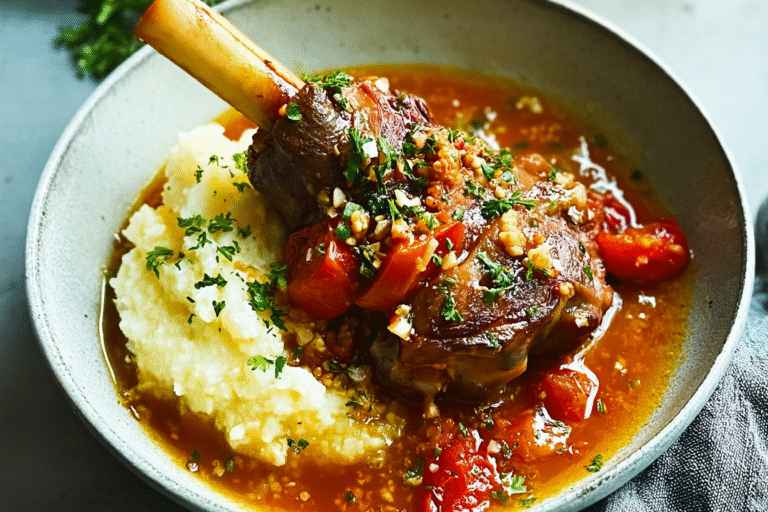
Slow Roasted Lamb Shanks
🍖 This Lamb Shanks Braised in Rich Red Wine Sauce offers tender, flavorful meat with a deeply savory sauce made from red wine and tomatoes.
🍷 Slow roasting enhances flavor and texture, making it an ideal dish for comforting dinners and special occasions.
- Total Time: 2 hours 45 minutes
- Yield: 4 servings 1x
Ingredients
4 lamb shanks, about 400g each
1 teaspoon cooking/kosher salt
1 teaspoon pepper
2 to 3 tablespoons olive oil, divided
1 onion, finely diced
3 garlic cloves, minced
1 cup carrot, peeled and finely diced
1 cup celery, finely diced
2 1/2 cups full-bodied red wine
800g can crushed tomatoes
2 tablespoons tomato paste
2 cups low sodium chicken stock or water
5 sprigs thyme (tied) or 2 teaspoons dried thyme add depth
2 dried or 4 fresh bay leaves add depth
Instructions
1-First Step: Preheat your oven to 180°C (350°F). Pat the lamb shanks dry and season with salt and pepper. Heat 2 tablespoons olive oil in a large heavy pot over high heat, then brown the shanks in batches for about 5 minutes each before removing and draining excess fat.
2-Second Step: Reduce heat to medium-low and add the remaining tablespoon of olive oil. Sauté the onion and garlic for 2 minutes, then add carrot and celery and cook another 5 minutes until the onions are translucent and sweet.
3-Third Step: Add red wine, chicken stock, crushed tomatoes, tomato paste, thyme, and bay leaves, stirring to combine. Place the lamb shanks back into the pot, submerging them mostly in the liquid, and bring to a simmer on the stove.
4-Fourth Step: Cover the pot and transfer to the oven for 2 hours. Remove the lid and return to the oven uncovered for an additional 30 minutes to reduce the sauce and further tenderize the meat.
5-Final Step: Remove the lamb shanks and keep them warm. Discard the bay leaves and thyme sprigs, then strain the sauce by pressing the vegetables to extract juices. Return the liquid to the pot and simmer to reduce it to a syrupy consistency if needed, adjusting seasoning as required. Serve the lamb shanks with the sauce over mashed potatoes, polenta, or pasta, garnished with fresh thyme leaves.
Last Step:
Please leave a rating and comment letting us know how you liked this recipe! This helps our business to thrive and continue providing free, high-quality recipes for you.Notes
🍳 Proper browning of lamb shanks enhances flavor.
🍷 Most alcohol cooks off during braising; sauce won’t be winey.
🌿 Remove thyme and bay leaves before serving to avoid bitterness.
🔥 Straining sauce gives a glossy finish; blending can thicken it.
⏲️ Alternate cooking methods: slow cooker (8 hrs low), pressure cooker (40 mins high), stovetop (2-3 hrs low).
🥘 Reheating improves flavor.
💰 Use affordable full-bodied red wine varieties.
🍯 Add honey or sugar if sauce tastes too sour.
💧 To thicken sauce, strain and simmer until syrupy.
- Prep Time: 15 minutes
- Cooking Time: 2 hours 30 minutes
- Cook Time: 2 hours 30 minutes
- Category: Dinner
- Method: Braising, roasting
- Cuisine: Western
- Diet: Omnivore
Nutrition
- Serving Size: 1 lamb shank with sauce
- Calories: 624 kcal
- Sugar: 6 g
- Sodium: 700 mg
- Fat: 25 g
- Saturated Fat: 9 g
- Unsaturated Fat: 14 g
- Trans Fat: 0 g
- Carbohydrates: 31 g
- Fiber: 6 g
- Protein: 42 g
- Cholesterol: 130 mg