
Why You’ll Love This Soups Stews
Soups and stews bring warmth and simplicity to your kitchen, especially during soup season when cool weather makes them a go-to choice. You’ll appreciate how easy they are to prepare, with most recipes coming together in just 15 to 25 minutes of active time and 40 to 60 minutes total. This hands-off approach uses basic techniques like sautéing aromatics, browning proteins, deglazing, and simmering, making it perfect for beginners or anyone rushing through a weeknight dinner.
These dishes pack a nutritional punch by focusing on vegetables, lean proteins, legumes, and whole grains in a tasty broth. They provide fiber, vitamins, and steady energy while supporting digestion and hydration through low-sodium stocks or bone broth. Whether you’re aiming for a hearty meal or a lighter option, soups and stews adapt to various diets, like vegetarian, vegan, gluten-free, or low-calorie versions, by swapping ingredients as needed.
One of the best parts is their flexibility you can tweak the base to fit your preferences or dietary needs. For example, swap animal proteins for tofu or beans, or use gluten-free alternatives. Soup season highlights classics like French onion and butternut squash soups, plus creative options such as zucchini soup with coconut and basil or creamy white bean chili. Visit our page on delicious dessert ideas for ways to pair these soups with sweet treats that balance the meal.
Beyond that, the flavors shine through layered techniques that build depth and brightness. Browning ingredients and finishing with fresh herbs creates a satisfying taste that feels special yet simple. Key tips include seasoning vegetables and broth with salt and fresh black pepper early, tasting as you go, and adding a drizzle of olive oil at the end for extra richness. Remember, soups often improve the next day and freeze well for months, so make extra for convenience.
Jump to:
- Why You’ll Love This Soups Stews
- Essential Ingredients for Soups Stews
- How to Prepare the Perfect Soups Stews: Step-by-Step Guide
- Gathering Your Ingredients
- Sautéing and Browning
- Deglazing and Simmering
- Seasoning and Finishing
- Dietary Substitutions to Customize Your Soups Stews
- Mastering Soups Stews: Advanced Tips and Variations
- How to Store Soups Stews: Best Practices
- FAQs: Frequently Asked Questions About Soups Stews
- How can I make my homemade soups and stews taste richer without using cream?
- What is the best way to store and freeze soups and stews?
- Can I customize the spice level in soups and stews without overwhelming the flavor?
- What are some easy ways to use leftover bread in soups and stews?
- Are there vegan options for traditional soup and stew recipes?
- Soups Stews
- Ingredients
- Instructions
- Last Step:
- Notes
- Nutrition
- Did you make this recipe?
Essential Ingredients for Soups Stews
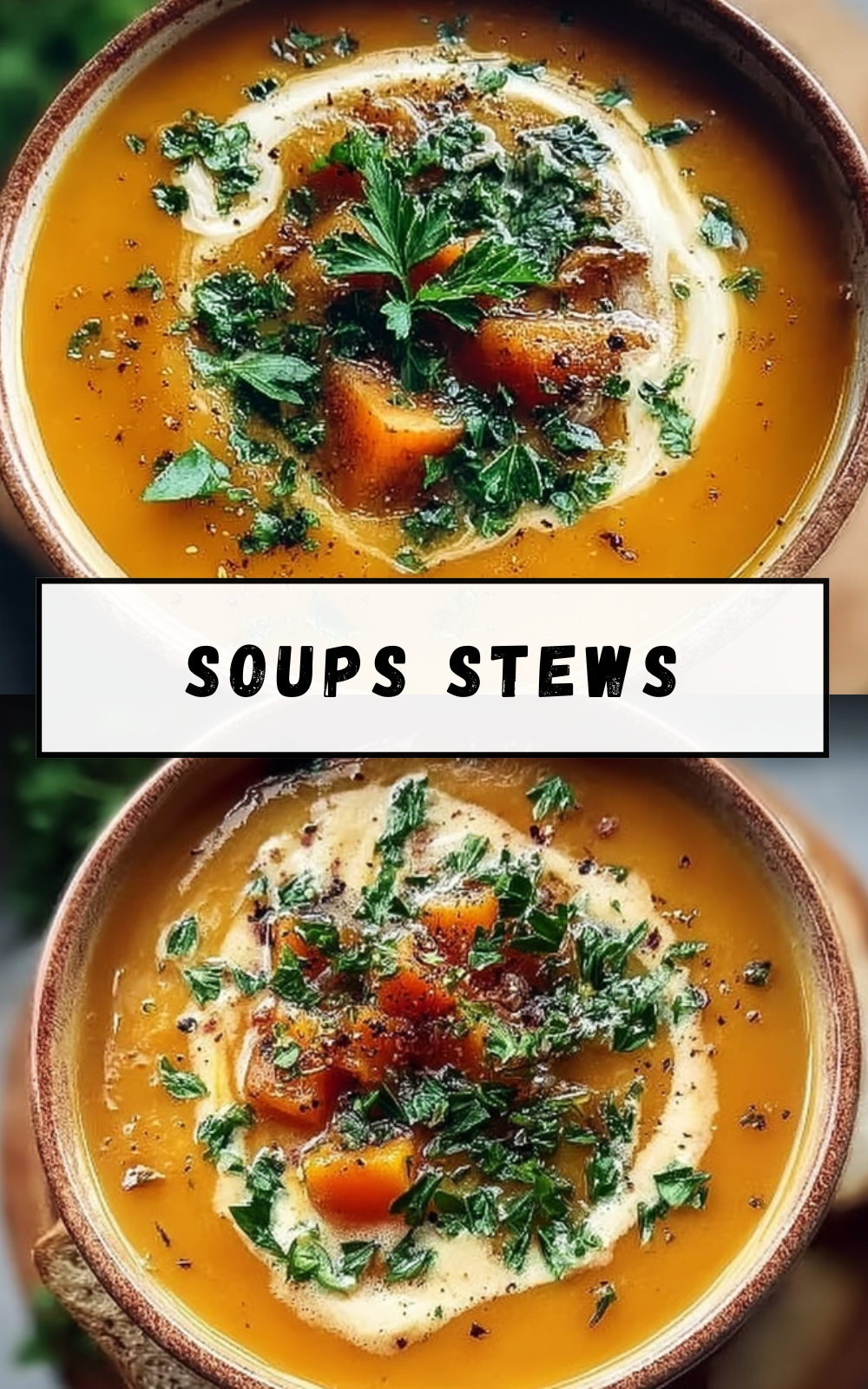
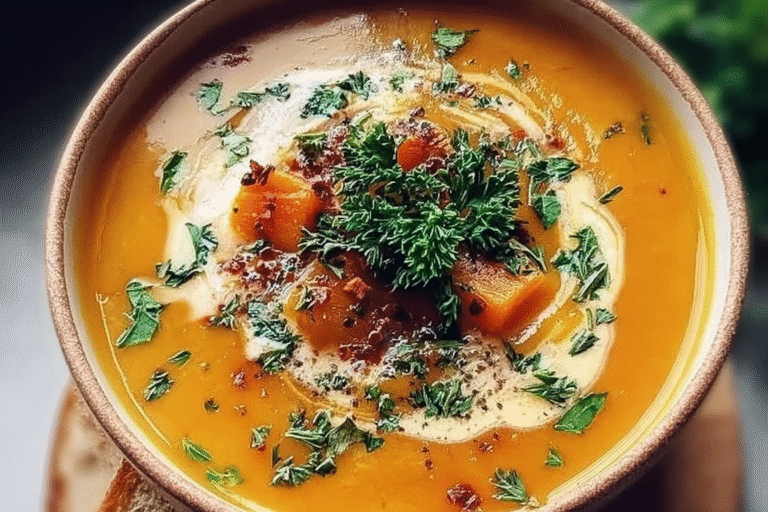
Good soups and stews start with quality ingredients that build a solid base. Let’s break down the main ones you might use, focusing on a versatile option like Creamy Potato Soup as an example. This recipe shows how everyday items can create something nourishing and customizable.
For Creamy Potato Soup, here’s the full list of ingredients in a clear structure to make shopping and prepping straightforward:
- 3 tablespoons olive oil, divided
- 1 large white onion, chopped
- 1/2 teaspoon sea salt
- 4 garlic cloves, chopped
- 1 tablespoon white wine vinegar
- 4 cups vegetable broth
- 1 1/2 pounds Yukon gold potatoes, chopped
- 1 1/2 cups cooked white beans, drained and rinsed
- 1/2 teaspoon Dijon mustard
- 1 tablespoon fresh lemon juice
- 1/4 teaspoon smoked paprika
- Freshly ground black pepper, to taste
- Optional toppings: scallions or chives, Greek yogurt, cheddar cheese (add as desired)
In general, main ingredients for soups and stews often include:
- 1 tablespoon olive oil for sautéing aromatics and developing initial flavor
- 1 medium onion (about 150 g), diced to add sweetness and aromatic base
- 2 cloves garlic, minced for depth and savory aroma
- 2 medium carrots (200 g), sliced to offer sweetness, texture, and beta-carotene
- 2 celery stalks (120 g), chopped for crunch, flavor balance, and classic mirepoix support
- 500 g boneless chicken thighs or 400 g firm tofu as the main protein; chicken browns for richness, while tofu soaks up broth for vegetarian options
- 1 can (400 g) diced tomatoes to contribute acidity and body
- 1 litre low-sodium chicken or vegetable stock to form the broth base and control sodium
- 1 cup dried lentils or 200 g cooked beans to boost fiber and protein while thickening the dish
- 2 bay leaves and 1 teaspoon dried thyme for aromatic depth
- Salt and black pepper to taste for seasoning basics
- 2 tablespoons fresh parsley or cilantro, chopped for a bright finish
For special dietary options like vegan or gluten-free, adjust as follows: Use 400 g firm tofu or 1.5 cups cooked chickpeas instead of chicken, and opt for vegetable stock. Ensure all items like canned tomatoes are certified gluten-free if needed.
How to Prepare the Perfect Soups Stews: Step-by-Step Guide
Gathering Your Ingredients
First, gather and prep all ingredients to make the process smooth. Dice one medium onion, slice two carrots and chop two celery stalks; mince two cloves of garlic. Measure spices and herbs, rinse 1 cup dried lentils or drain a can of beans, and cut 500 g chicken into bite-sized pieces or cube 400 g firm tofu. This step ensures timing is accurate and allows for easy swaps, like using vegetable stock for a vegan version.
Sautéing and Browning
Heat 1 tablespoon olive oil in a heavy-bottomed pot over medium-high heat. Add onion, carrots, and celery and sauté for 5 7 minutes until softened and beginning to brown. Stir in garlic for 30 60 seconds to release aroma. For richer stews, brown the chicken in batches at higher heat to develop fond; for a low-fat option, simmer gently instead.
Deglazing and Simmering
Deglaze the pot with 2 tablespoons of dry white wine, apple cider vinegar, or stock, scraping up browned bits. Add diced tomatoes, stock (about 1 litre), and rinsed lentils or beans. Bring to a gentle boil, then reduce heat to simmer. For Creamy Potato Soup, this is where you add 4 cups vegetable broth, 1 1/2 pounds Yukon gold potatoes, and 1 1/2 cups cooked white beans, simmering for 30 minutes as directed.
Seasoning and Finishing
Simmer covered for 25 35 minutes for lentils and vegetables. Add quick-cooking grains or pasta in the last 10 15 minutes. Season gradually with 2 bay leaves and 1 teaspoon dried thyme early on. Adjust salt, pepper, and acid near the end, and finish with 2 tablespoons chopped parsley or cilantro for freshness. Additional guidance includes using an immersion blender to thicken for soups versus stews, or adapting for slow cookers and pressure cookers as needed.

Dietary Substitutions to Customize Your Soups Stews
Protein and main component alternatives let you tailor recipes to your needs. For instance, swap chicken for turkey or tofu, and use mushrooms or lentils for vegetarian versions to keep things hearty. Vegetable, sauce, and seasoning modifications can shift flavors, like using coconut milk for an Asian-inspired twist or fresh herbs for brightness in low-sodium options.
| Original Ingredient | Substitution | Benefits |
|---|---|---|
| Chicken | Tofu or chickpeas | Makes it vegan and adds protein |
| Tomatoes | Coconut milk | Creates a creamy, curry-like base |
| Dried herbs | Fresh herbs | Boosts flavor with natural brightness |
Always taste and adjust seasonings after changes, as different ingredients absorb flavors uniquely. For Creamy Potato Soup, you can easily adapt by using plant-based toppings to keep it vegan.
Mastering Soups Stews: Advanced Tips and Variations
Pro cooking techniques help take your soups to the next level. Focus on browning ingredients in batches to build fond, then deglaze for rich flavors. For example, roasting root vegetables at 400°F before adding them intensifies sweetness, much like in Creamy Potato Soup where Yukon gold potatoes add depth.
Flavor variations let you explore global tastes. Try Mediterranean herbs or Asian spices to change things up. Presentation tips include serving in warmed bowls with crunchy toppings for appeal.
When you let flavors meld overnight, your soups taste even better the next day just like the tips for Creamy Potato Soup suggest.
Make-ahead options are great for busy schedules, with freezing tips to keep meals fresh for months.
How to Store Soups Stews: Best Practices
Proper storage keeps your soups safe and tasty. Cool them quickly in shallow containers, then refrigerate in airtight ones for 3 4 days. For freezing, portion into bags with headspace and store for 2 3 months. As noted in the Creamy Potato Soup tips, these methods help flavors improve over time.
Reheating is simple thaw overnight and warm on the stove, adjusting seasonings as needed. For more on storage, check out health benefits of soups that emphasize safe practices.
FAQs: Frequently Asked Questions About Soups Stews
How can I make my homemade soups and stews taste richer without using cream?
What is the best way to store and freeze soups and stews?
Can I customize the spice level in soups and stews without overwhelming the flavor?
What are some easy ways to use leftover bread in soups and stews?
Are there vegan options for traditional soup and stew recipes?
Soups Stews
🍲 Warm up with a variety of soup recipes perfect for every season and taste preference, offering comfort and versatility.
🥄 These soups are easy to prepare, great for leftovers, and customizable with your favorite seasonings and toppings.
- Total Time: 40 minutes
- Yield: 6 servings
Ingredients
– 3 tablespoons olive oil, divided
– 1 large white onion, chopped
– 1/2 teaspoon sea salt
– 4 garlic cloves, chopped
– 1 tablespoon white wine vinegar
– 4 cups vegetable broth
– 1 1/2 pounds Yukon gold potatoes, chopped
– 1 1/2 cups cooked white beans, drained and rinsed
– 1/2 teaspoon Dijon mustard
– 1 tablespoon fresh lemon juice
– 1/4 teaspoon smoked paprika
– Freshly ground black pepper, to taste
– scallions or chives optional toppings
– Greek yogurt optional toppings
– cheddar cheese optional toppings
– 1 tablespoon olive oil for sautéing aromatics and developing initial flavor
– 1 medium onion (about 150 g), diced to add sweetness and aromatic base
– 2 cloves garlic, minced for depth and savory aroma
– 2 medium carrots (200 g), sliced to offer sweetness, texture, and beta-carotene
– 2 celery stalks (120 g), chopped for crunch, flavor balance, and classic mirepoix support
– 500 g boneless chicken thighs or 400 g firm tofu as the main protein
– 1 can (400 g) diced tomatoes to contribute acidity and body
– 1 litre low-sodium chicken or vegetable stock to form the broth base and control sodium
– 1 cup dried lentils or 200 g cooked beans to boost fiber and protein while thickening the dish
– 2 bay leaves for aromatic depth
– 1 teaspoon dried thyme for aromatic depth
– Salt to taste for seasoning basics
– black pepper to taste for seasoning basics
– 2 tablespoons fresh parsley or cilantro, chopped for a bright finish
Instructions
1-Gathering Your Ingredients: First, gather and prep all ingredients to make the process smooth. Dice one medium onion, slice two carrots and chop two celery stalks; mince two cloves of garlic. Measure spices and herbs, rinse 1 cup dried lentils or drain a can of beans, and cut 500 g chicken into bite-sized pieces or cube 400 g firm tofu. This step ensures timing is accurate and allows for easy swaps, like using vegetable stock for a vegan version.
2-Sautéing and Browning: Heat 1 tablespoon olive oil in a heavy-bottomed pot over medium-high heat. Add onion, carrots, and celery and sauté for 5 7 minutes until softened and beginning to brown. Stir in garlic for 30 60 seconds to release aroma. For richer stews, brown the chicken in batches at higher heat to develop fond; for a low-fat option, simmer gently instead.
3-Deglazing and Simmering: Deglaze the pot with 2 tablespoons of dry white wine, apple cider vinegar, or stock, scraping up browned bits. Add diced tomatoes, stock (about 1 litre), and rinsed lentils or beans. Bring to a gentle boil, then reduce heat to simmer. For Creamy Potato Soup, this is where you add 4 cups vegetable broth, 1 1/2 pounds Yukon gold potatoes, and 1 1/2 cups cooked white beans, simmering for 30 minutes as directed.
4-Seasoning and Finishing: Simmer covered for 25 35 minutes for lentils and vegetables. Add quick-cooking grains or pasta in the last 10 15 minutes. Season gradually with 2 bay leaves and 1 teaspoon dried thyme early on. Adjust salt, pepper, and acid near the end, and finish with 2 tablespoons chopped parsley or cilantro for freshness. Additional guidance includes using an immersion blender to thicken for soups versus stews, or adapting for slow cookers and pressure cookers as needed.
Last Step:
Please leave a rating and comment letting us know how you liked this recipe! This helps our business to thrive and continue providing free, high-quality recipes for you.Notes
🍅 Taste and adjust seasoning progressively for balanced flavors.
🫒 Drizzle olive oil before serving to enhance richness.
❄️ Prepare extra portions for leftovers; soups often taste better the next day and freeze well.
- Prep Time: 10 minutes
- Cook Time: 30 minutes
- Category: Soup
- Method: Sautéing, Simmering, Blending
- Cuisine: International
- Diet: Vegetarian, Vegan (if toppings adjusted)
Nutrition
- Serving Size: 1 serving