
Why You’ll Love This Spam Musubi
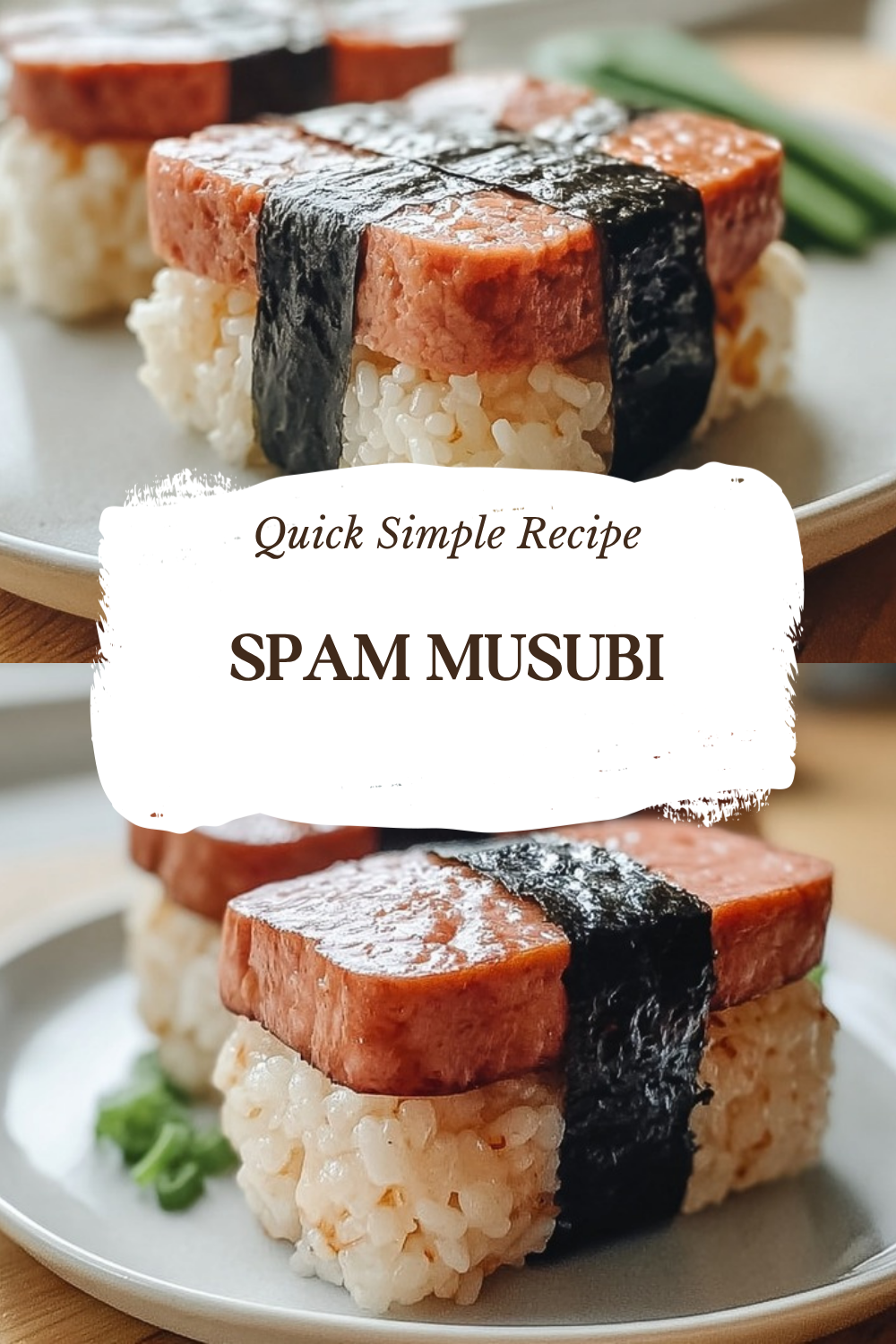
Spam Musubi is a popular Hawaiian rice-based snack shaped into a rectangle and topped with canned meat, traditionally made with ham. It became a go-to in Hawaii after World War II because canned Spam was affordable, easy to store, and simple to cook. Even today, it remains a staple food in Hawaii and a favorite grab-and-go meal.
- Ease of preparation: It’s a fast recipe for busy days, with about 25 minutes of prep and around 5 minutes of cooking.
- Health and nutrition awareness: Each serving is about 317 calories with 43 grams carbs and 9 grams protein, plus it’s portion-friendly when you wrap it well.
- Versatility: You can adapt the sauce (like swapping oyster sauce for hoisin) and add optional furikake for extra flavor.
- Distinctive flavor: The sweet-salty canned meat pairs perfectly with sticky sushi rice and the crunchy, savory nori wrapper.
Quick note: Musubi tastes best warm, because cold or refrigerated rice can dry out and crumble.
| Recipe at a glance | Details |
|---|---|
| Prep time | About 25 minutes |
| Cook time | About 5 minutes |
| Total time | About 30 minutes |
| Best served | Warm |
In Hawaii, musubi isn’t just a snack, it’s a portable comfort food. Once you make it at home, you’ll understand why it sticks around.
Want more handheld comfort food ideas? Check out this teriyaki salmon recipe for another sweet-savory pairing that works beautifully with rice.
For a deeper look at musubi traditions, you can also browse this musubi guide.
Jump to:
- Why You’ll Love This Spam Musubi
- Essential Ingredients for Spam Musubi
- Main ingredients you’ll use
- Special dietary options
- How to Prepare the Perfect Spam Musubi: Step-by-Step Guide
- Step-by-step directions (simple and clear)
- Assembly tips that make a difference
- A simple mold hack
- Dietary Substitutions to Customize Your Spam Musubi
- Protein and main component alternatives
- Vegetable, sauce, and seasoning modifications
- Mastering Spam Musubi: Advanced Tips and Variations
- Pro cooking techniques
- Flavor variations you can try
- Presentation tips
- Make-ahead options for busy schedules
- How to Store Spam Musubi: Best Practices
- Refrigeration and room-temperature storage
- Freezing (longer-term)
- Reheating without drying out
- FAQs: Frequently Asked Questions About Spam Musubi
- What is spam musubi?
- What kind of rice is best for spam musubi?
- How do you prepare the Spam for spam musubi?
- How should you store and reheat spam musubi?
- Can you make spam musubi without a mold?
- Spam Musubi
- Ingredients
- Instructions
- Last Step:
- Notes
- Nutrition
- Did you make this recipe?
Essential Ingredients for Spam Musubi
Before you start, gather everything so the assembly goes smoothly. Below is the exact ingredient list for this simple Spam Musubi recipe, including the measurements. It also includes optional furikake seasoning, which many people love for that extra punch.
Main ingredients you’ll use
- 12 ounces of canned meat (regular or lite) – The classic topping, typically Spam, sliced and pan-fried until slightly crispy.
- 1/4 cup oyster sauce – Adds savory depth and helps caramelize the coating.
- 1/4 cup soy sauce – Brings salty umami flavor to balance the sweetness.
- 1/2 cup sugar – Sweetens the marinade for that signature sweet-salty musubi taste.
- roasted nori seaweed cut into halves or thirds – Wraps the rice and meat so it’s easy to eat by hand.
- 6 cups cooked sushi rice (without vinegar mixture) – Sticky rice foundation that holds the rectangle shape (and makes it musubi).
- optional furikake seasoning – Optional sprinkle that boosts flavor and adds texture.
Special dietary options
You can still make musubi style snacks while adjusting ingredients. Here are common swap ideas home cooks use:
- Vegan: Replace canned meat with a plant-based alternative like marinated tofu or a vegetarian “ham-style” product. Use vegan soy sauce and confirm oyster sauce is not required (many oyster sauces are not vegan).
- Gluten-free: Choose gluten-free soy sauce and check sauces for wheat-free labeling.
- Low-calorie: Use a lighter meat option if available and reduce sugar slightly, then taste and adjust. Note that texture and sweetness can shift.
Tip: If you’re new to sushi rice, keep in mind that stickiness matters most. That’s what keeps the musubi from falling apart when you bite.
How to Prepare the Perfect Spam Musubi: Step-by-Step Guide
This section walks you through making Spam Musubi in a way that feels doable, even if you’re cooking after a long day. Total time is about 30 minutes, including 25 minutes of prep and 5 minutes of cooking.
Step-by-step directions (simple and clear)
First Step: Slice the canned meat into 8 to 10 slices. Try to keep the slices even so they cook at the same speed.
Second Step: Marinate the slices for 15 minutes in a mixture of oyster sauce, soy sauce, and sugar. After the time is up, drain the excess marinade so the pan-fry step doesn’t get too wet.
Third Step: Pan-fry the canned meat until slightly crispy on both sides. Use a hot skillet and cook just until you see golden edges, since you don’t want it dry.
Fourth Step: Cut or arrange your nori. Place a nori strip shiny side down on a cutting board. Keep the shiny side down so the wrapper seals more neatly when you press it around the rice.
Fifth Step: Set up your musubi mold. Put the mold in the middle of the nori and press 1 to 1.5 inches of sushi rice firmly and evenly into the mold. Dip your fingers and the mold in water to avoid sticking.
Sixth Step: Optionally sprinkle furikake seasoning over the rice while it’s still in the mold.
Seventh Step: Remove the mold carefully, leaving the rice block on the nori.
Eighth Step: Add a slice of cooked canned meat on top of the rice.
Ninth Step: Wrap the nori around the canned meat and rice. Seal the nori with a finger dipped in water if needed. If the nori feels dry, a quick finger dip helps it stick.
Final Step: Serve the Spam Musubi warm. The nori is best when it’s crisp, and the rice is at its stickiest and most satisfying right after cooking.
Assembly tips that make a difference
- Press firmly: If the rice is loose, it won’t hold that nice rectangle shape.
- Use water to prevent sticking: Wet fingers and mold each time you press.
- Keep it warm: Musubi tastes best warm. Cold rice dries out and crumbles.
A simple mold hack
If you don’t have a musubi mold, you can still shape it safely.
For a homemade mold, use a cleaned canned meat can with the bottom carefully removed and edges taped. Or press sushi rice into the empty can lined with plastic wrap as an alternative. Use a safe can opener to eliminate sharp edges if making a mold yourself.
If you enjoy handheld, savory rice snacks, you might also like this easy skillet-style comfort recipe for another weeknight option.

Dietary Substitutions to Customize Your Spam Musubi
Want to tweak Spam Musubi based on what you can find at the store or what you’re craving? You can do it while keeping the key idea: savory topping, sticky rice, and nori wrapping.
Protein and main component alternatives
- Different canned meats: Use regular or lite canned meat as your base, and slice into 8 to 10 pieces for consistent cooking.
- Plant-based option: Replace canned meat with thick tofu slices or a plant-based deli-style product. Marinate similarly, then pan-fry until slightly crispy.
- Lower-sodium idea: Look for reduced-sodium sauces or adjust by using less soy sauce and more sugar for balance.
Vegetable, sauce, and seasoning modifications
- Sauce swap: Substitute hoisin sauce for oyster sauce if needed. Keep tasting as sweetness may vary.
- Extra flavor: Furikake seasoning is optional but popular. It adds savory complexity and a little crunch.
- Nori alternatives: Roasted nori is the classic for wrap-and-go texture. If you must swap, choose something similarly thin and crisp.
Flavor reminder: The signature taste comes from the sweet-salty marinade using oyster sauce, soy sauce, and sugar. If you change one part, you’ll likely want to taste and adjust the balance.
Mastering Spam Musubi: Advanced Tips and Variations
Once you’ve made your first Spam Musubi, you can level it up with small techniques and fun variations. Most changes are about better browning, stronger flavor, and cleaner wrapping.
Pro cooking techniques
- Pan-fry for slight crisp: The goal is slightly crispy edges on both sides, not fully hard and dry.
- Drain marinade: Too much marinade in the pan can steam the slices instead of browning them.
- Keep rice sticky: Sticky rice is what holds the rectangle. Press firmly and avoid over-handling.
Flavor variations you can try
- Furikake-forward: Add furikake to the rice and lightly dust a little on the outside after wrapping.
- Sweet-savory balance: If you prefer a less sweet musubi, reduce sugar slightly and increase soy sauce a touch, then taste.
- Hoisin version: Swap hoisin for oyster sauce for a slightly different depth.
Presentation tips
Musubi looks best when wrapped tightly and cut into neat portions. If you’re serving a crowd, arrange them on a plate while still warm so the nori stays crisp.
Make-ahead options for busy schedules
- Assemble closer to serving: Musubi is best warm, so plan your prep so you can assemble right before eating.
- Prepare components: Cook the canned meat ahead and refrigerate it, then slice and pan-fry briefly when you’re ready.
- Batch wrapping: Once you get the hang of pressing rice and sealing nori, it speeds up fast.
Nutrition snapshot: Each serving contains about 317 calories, 43 grams carbohydrates, 9 grams protein, 12 grams fat, 1210 milligrams sodium, and 1 gram fiber.
How to Store Spam Musubi: Best Practices
Because Spam Musubi is built around sticky sushi rice and nori wrapping, storage really matters. The goal is to keep moisture in the rice while protecting the nori from getting soggy.
Refrigeration and room-temperature storage
Musubi tastes best warm. To store, wrap musubi tightly in plastic wrap while it’s still hot so you keep steam inside. You can store it at room temperature for up to 4 hours, or refrigerate in an airtight container for up to 4 days.
Freezing (longer-term)
If you want to plan ahead, freezing works for longer storage. Wrap tightly and store for up to about a month. Thaw overnight in the fridge before reheating.
Reheating without drying out
To reheat, remove plastic wrap first. Cover with a damp paper towel and microwave for 45 seconds. This helps warm the rice without making it hard.
- Best texture: Eat warm or hot for best bite.
- Avoid direct microwaving: Skipping the damp paper towel can dry out the rice.
- Nori quality: If nori softens, reheat briefly and eat soon.
FAQs: Frequently Asked Questions About Spam Musubi
What is spam musubi?
What kind of rice is best for spam musubi?
How do you prepare the Spam for spam musubi?
How should you store and reheat spam musubi?
Can you make spam musubi without a mold?
Spam Musubi
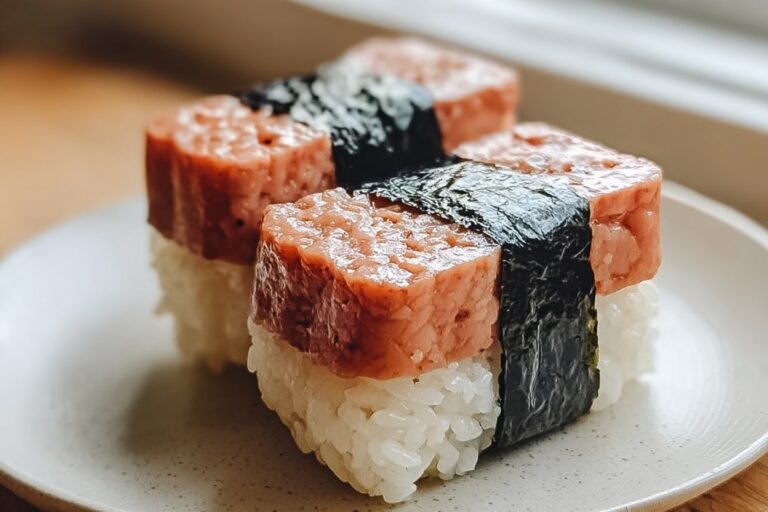
🍱 Crispy glazed Spam atop sticky sushi rice wrapped in nori – savory Hawaiian street food classic, affordable and addictive!
🥢 30-minute simple snack or lunch, portable perfection with umami punch for any craving!
- Total Time: 30 minutes
- Yield: 8-10 musubi
Ingredients
– 12 ounces canned meat (regular or lite) for classic topping
– 1/4 cup oyster sauce for savory depth and caramelizing
– 1/4 cup soy sauce for salty umami flavor
– 1/2 cup sugar for sweetening the marinade
– roasted nori seaweed cut into halves or thirds for wrapping
– 6 cups cooked sushi rice (without vinegar mixture) for sticky foundation
– optional furikake seasoning for boosting flavor
Instructions
1-First Step: Slice the canned meat into 8 to 10 slices. Try to keep the slices even so they cook at the same speed.
2-Second Step: Marinate the slices for 15 minutes in a mixture of oyster sauce, soy sauce, and sugar. After the time is up, drain the excess marinade so the pan-fry step doesn’t get too wet.
3-Third Step: Pan-fry the canned meat until slightly crispy on both sides. Use a hot skillet and cook just until you see golden edges, since you don’t want it dry.
4-Fourth Step: Cut or arrange your nori. Place a nori strip shiny side down on a cutting board. Keep the shiny side down so the wrapper seals more neatly when you press it around the rice.
5-Fifth Step: Set up your musubi mold. Put the mold in the middle of the nori and press 1 to 1.5 inches of sushi rice firmly and evenly into the mold. Dip your fingers and the mold in water to avoid sticking.
6-Sixth Step: Optionally sprinkle furikake seasoning over the rice while it’s still in the mold.
7-Seventh Step: Remove the mold carefully, leaving the rice block on the nori.
8-Eighth Step: Add a slice of cooked canned meat on top of the rice.
9-Ninth Step: Wrap the nori around the canned meat and rice. Seal the nori with a finger dipped in water if needed. If the nori feels dry, a quick finger dip helps it stick.
10-Final Step: Serve the Spam Musubi warm. The nori is best when it’s crisp, and the rice is at its stickiest and most satisfying right after cooking.
Last Step:
Please leave a rating and comment letting us know how you liked this recipe! This helps our business to thrive and continue providing free, high-quality recipes for you.Notes
🌡️ Eat warm – rice dries and crumbles when cold.
🔄 Reheat wrapped in damp paper towel, microwave 45 seconds.
🛠️ DIY mold: Clean empty Spam can, remove both ends, line with plastic wrap.
- Prep Time: 25 minutes
- Marinating: 15 minutes
- Cook Time: 5 minutes
- Category: Snacks
- Method: Pan-Fried
- Cuisine: Hawaiian
Nutrition
- Serving Size: 1 musubi
- Calories: 317 kcal
- Sugar: 13g
- Sodium: 1210mg
- Fat: 12g
- Saturated Fat: 4g
- Unsaturated Fat: 8g
- Trans Fat: 0g
- Carbohydrates: 43g
- Fiber: 1g
- Protein: 9g
- Cholesterol: 30mg